

Time is not always on our side during major life events. And if you find yourself relocating without wanting to clear out your storage unit, you may ask yourself: what happens if I leave my stuff in self storage? You may think that the facility will simply auction off, donate or just dispose of your items, but the truth is more complicated and will likely involve some fees on your end. That’s why it’s good to know what you’re in for when you leave a storage unit full of stuff and don’t come back — whether or not you’re up on your rent.
1. Your lease stays active until you notify the facility
Here’s the most important thing to remember if you opted for auto-payments: your rental agreement won’t be canceled just because you stop visiting your storage unit. As long as your auto-payments continue, the facility considers your contract active. They won’t assume you’ve abandoned your belongings unless you stop paying or explicitly tell them you’re vacating.
Some people forget about their storage units entirely. Others move away and lose track of them. But just because the storage unit left your mind, it doesn’t mean you left the storage facility as a customer. If rent keeps coming in, the unit stays locked, untouched and waiting — until the payments eventually stop.
2. If you stop paying, the unit goes into default
Say you stop making payments because you’ve deprioritized your stored belongings, or you just can’t pay for self storage anymore. The facility follows a legal process to reclaim the space. Most places offer a grace period of 30 to 90 days, during which they’ll try to contact you via phone, email or mail.
After that period:
- Your lock is replaced with a facility lock. This prevents access to your items.
- Late fees accumulate. Even if you’re not using the unit, unpaid rent and penalties keep adding up.
- Your account goes into default. This is the first step toward reclaiming the unit and its contents.
3. What happens to your stuff?
Once a unit is considered abandoned, the storage facility has a few options:
- Sell it at a blind auction. If the contents appear valuable, the facility will list the unit for public auction to recover lost rent.
- Throw it away. If the items have little to no resale value, they’ll be discarded.
- Donate it. Some facilities partner with charities to donate abandoned furniture, clothing or household goods.
- Charge a cleaning fee. Some facilities charge a fee (often $250 or more) for clearing out abandoned belongings.
The goal is always to empty the unit and make it available to rent again. Storage businesses are not in the long-term holding business.
4. Laws about abandoned storage units
Most states have lien laws that regulate how storage companies handle abandoned property. The process generally looks like this:
1. Notice of default. The facility must notify you in writing that your unit is at risk of auction.
2. Waiting period. Laws require a waiting period (usually 30 to 90 days) before selling off your items.
3. Public or blind auction. The unit is opened for bidding, either in person or online.
4. Debt settlement. If your items sell, the money goes toward your unpaid rent. If the sale doesn’t cover the full amount, you may still owe money. If there’s extra, you might get the difference.
5. Protection of personal papers and photographs. Luckily, auction buyers are required by state law to return any and all of your personal documents and photographs to the facility. The facility is then required by law to hold on to them for 6 months (though some operators may choose to hold on to them for longer).
However, most people don’t reclaim their things once they reach this stage. If a unit is abandoned, it’s often because the owner has moved on — whether intentionally or not.
5. How to avoid abandoning your storage unit
Leaving your storage unit full of stuff without a plan isn’t a good idea. If you don’t want your items anymore, there are better ways to handle it:
- Tell the facility. If you no longer need your unit, notify management. Many will work with you to clear it out properly.
- Donate or sell items. If you don’t want to keep your stuff, you could just donate or sell it instead of leaving it behind.
- Sign a Relinquishment Form. Some facilities allow you to legally give up your belongings so they can dispose of them without a lengthy lien process.
- Remove your lock. A locked unit signals to the facility that it’s still in use. Removing your lock tells them it’s empty and ready to be rented again.
Walking away from a storage unit and leaving your belongings behind doesn’t mean they’ll be kept indefinitely. Whether your unit is auctioned, emptied or discarded, the storage facility must clear it out to keep their business running.
If you don’t want your items anymore, try not to just abandon them. Just a few simple steps are enough for you to close your account properly. It will save you money, avoid legal headaches, and make sure your stuff is handled the way you want.



Sweatshirt Storage Ideas Worth Keeping Up Your Sleeve
Sweatshirts are great until you realize how much room they take up. A few thick hoodies can fill a drawer fast, with lighter crewnecks getting squashed underneath or pushed somewhere you forget about. Good sweatshirt storage can make that pile much easier to manage without requiring a bigger closet.

Living Room Storage Ideas: 28 Ways to Reclaim Your Hosting Space
If a living room is where most of a household’s living happens, good storage should be the top priority for setting up or revamping the place. After all, think of how easier it would be to have people over when tidying up the place is just a matter of putting things in their right place (in a time when fewer and fewer people are entertaining friends at home(opens in new tab)). The trick is making room for all those wayward clothes, blankets, chargers and other small things that end up on (or, inexplicably, in) the sofa. Here are 28 living room storage ideas to get you started and make tidying up a quick affair.
25 Mudroom Storage Ideas (And Mistakes to Avoid)
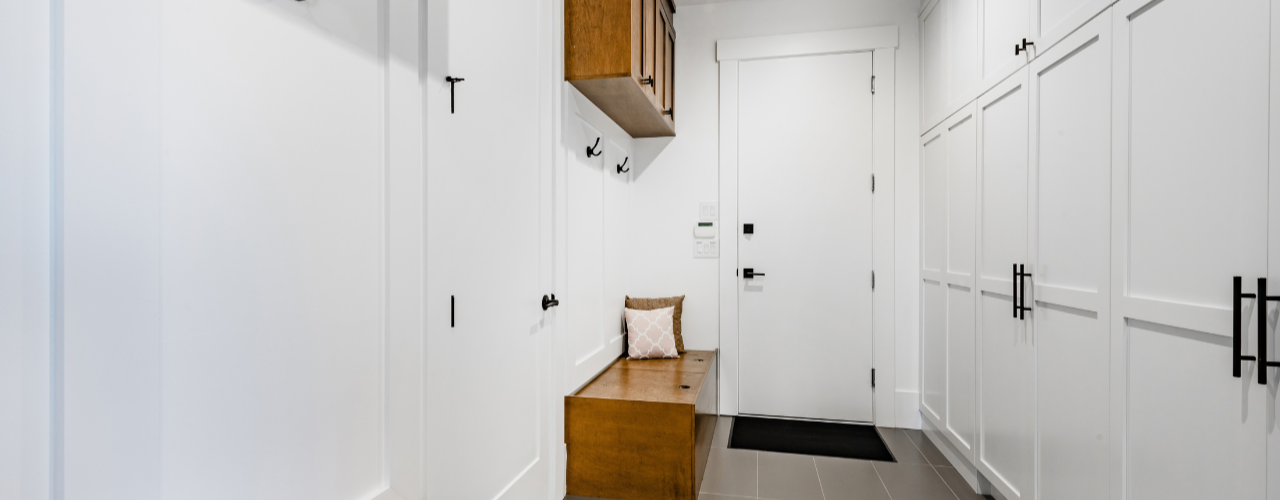
When you come home with muddy boots, an armful of bags and a coat you can’t wait to take off, it’s nice to have somewhere to put it all. With a mudroom, you can leave the outdoor mess at the door instead of carrying it through the house. Traditionally, you’d set aside a separate room, but you can just as easily use a hallway, an entryway closet, a laundry-room corner or a stretch of wall near the entrance.
Is Your Home Office Worth the Rent? What Coworking and Self Storage Could Save You
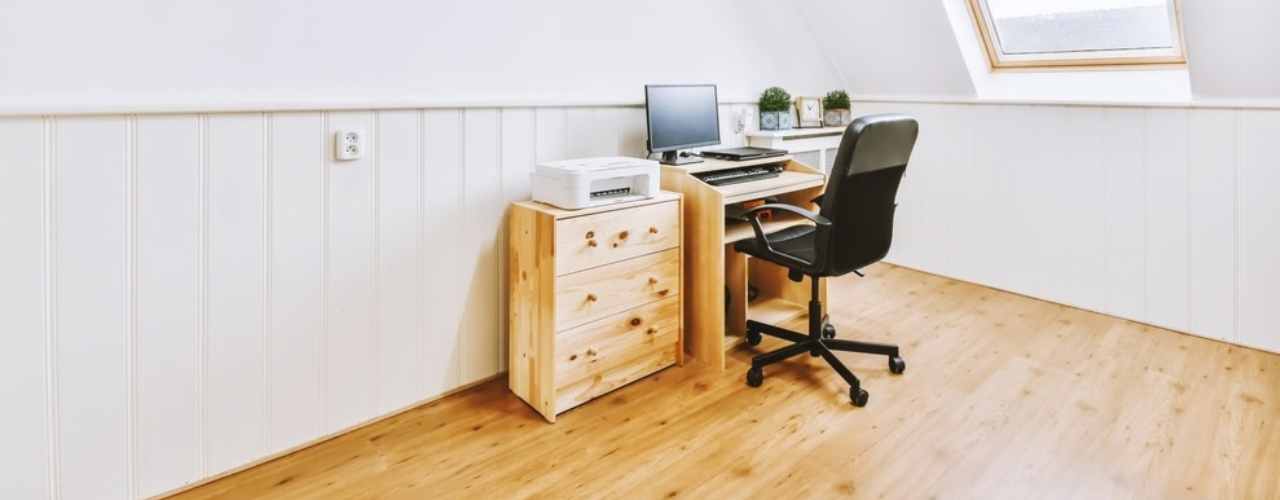
Every square foot of your apartment comes with a price tag, and a home office claims more of them than most renters expect. It starts with a desk. Then come the second monitor, the printer, the filing cabinet and the overflow boxes. Before long, the corner you set aside for work has turned into a small room you are paying for every month.

Best U.S. Cities to Live Uncluttered: Plano, TX, Offers the Most Room to Breathe
Clutter is in our homes as much as in our heads. Both are shaped by where we live.

America’s Top Snowbird Destinations for 2026–2027: Florida Leads in Numbers, Texas Wins on Value
For Americans living in colder states, the approach of winter is reason enough to start looking south. Cold weather carries costs that go beyond the heating bill and shoveling snow. Seasonal affective disorder(opens in new tab) is far more prevalent in northern states, so a temporary move south isn’t simply an escape from the cold, but a chance to spend the hardest stretch of winter outdoors and in the sun.
How Much Does Halloween Really Cost in 2026? Plan Wisely to Avoid the Scare of Hidden Costs
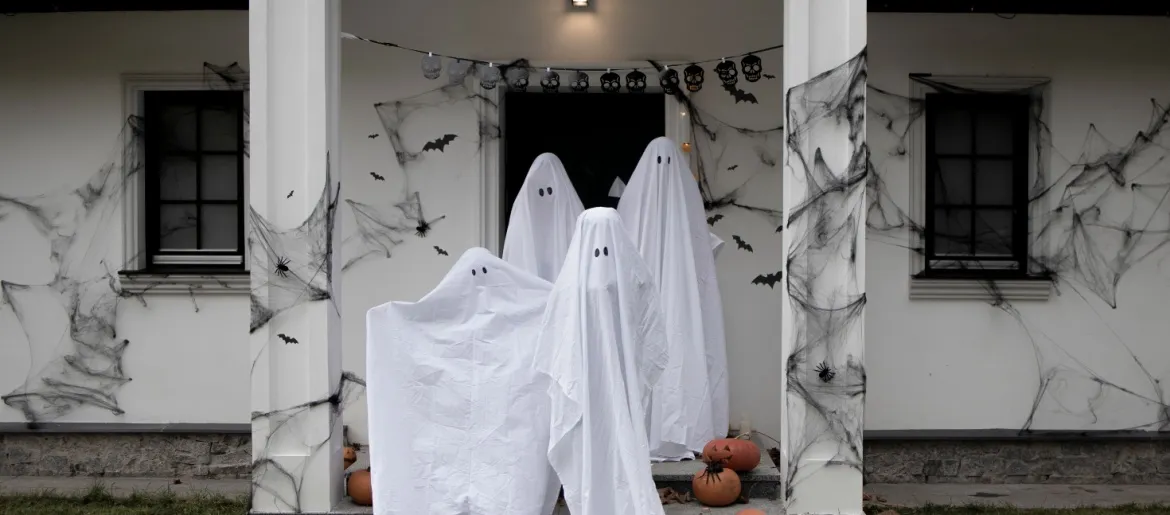
Americans’ love for Halloween is almost frightening — this year alone, we are on our way to spending $13.5 billion, according to data from the National Retail Federation(opens in new tab). That breaks down to about $115 Halloween costs per person, a whopping 49% more than 10 years ago.
How to Store LEGOs: All the Fun, None of the Clutter
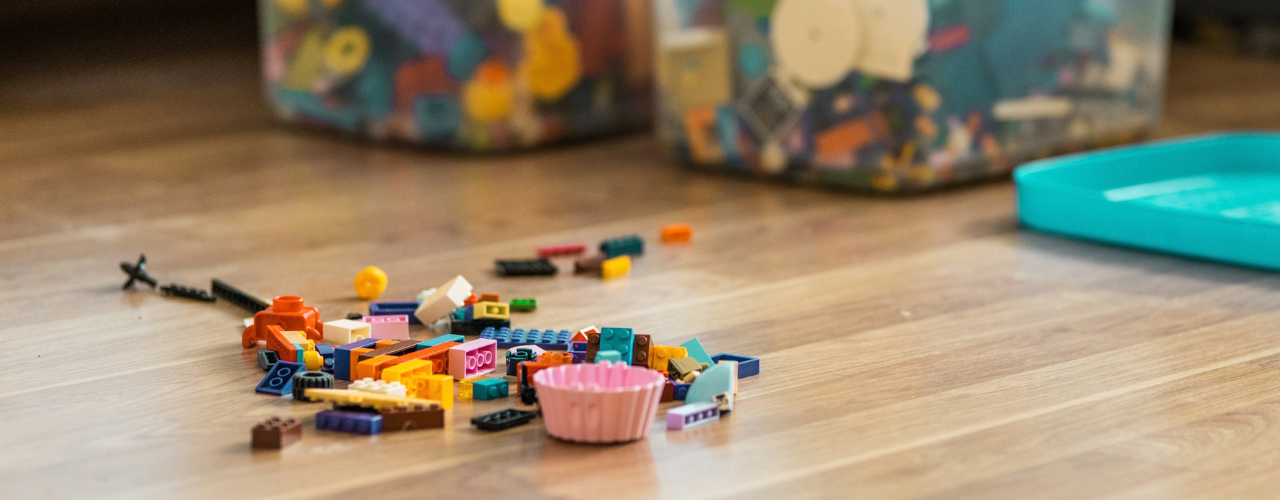
How to store LEGOs largely comes down to how your household uses them. If the bricks are part of everyday play, you need a setup that keeps them within easy reach and makes cleanup quick (for your feet’s sake, at least). Toy storage(opens in new tab) such as simple bins, playmats or containers that children can put away themselves may be enough. Larger or more serious collections usually need more organization, such as labelled drawers for loose pieces, trays for unfinished builds, shelves for completed models and separate storage for retired sets.

Cardboard Costume Guide: Tips and Ideas for a DIY Halloween
Whether for kids or adults, cardboard costume ideas often make the biggest splash once materialized, and that’s for a simple reason: doing a lot with a little is a universally impressive feat (especially in this economy). If you don’t have enough boxes you could temporarily repurpose, don’t worry! There are many places where you can find free moving boxes(opens in new tab), from stores and supermarkets to online groups and recycling drop-off spots. On the run? Try your luck at a self storage(opens in new tab) facility that sells moving supplies, often for cheap. This way, you can choose moving boxes of different shapes and sizes(opens in new tab), so you can make your costumes as complex as you want.