

Key Takeaways
- Vertical storage and modular shelving maximize space, while labeled bins and zones streamline inventory management.
- Seasonal adjustments (rotating stock, climate control) keep costs aligned with demand and protect sensitive goods.
- Flexible self storage units serve as warehouses, photo studios, or fulfillment hubs, scaling with business needs without long-term leases.
If your online business needs to square physical inventory with limited space, it is time to start implementing some smart e-commerce storage solutions. Luckily, plenty of businesses have been through this and shared their knowledge. Some online sellers rent small self storage units where they can receive deliveries, pack orders, or shoot product photos. Others make better use of what they already have – adding shelves, sorting bins, or setting up zones for packing and shipping. We’ve gathered all their insights into eight actionable tips to help you make space for your e-commerce business.
1. Get creative with your inventory
Every great online shop begins with a single label maker. To refine your storage process, start by creating designated areas for intake, staging, packing, and shipping. You can also use barcode or QR systems to track items and reduce search time. And don’t forget about digital audits — where online listings match real inventory — as they will keep operations accurate and prevent lost revenue.
When you run out of space, all you need is to step back and regroup. “I outgrew the walk-in closet I was using for storage,” says Marcia Layton Turner of Rochester Clothing Bargains(opens in new tab). “So I set up plastic storage bins categorized by type of item. I specialize in clothing and bedding, so I have tubs that are now labeled by type of garment. I have a sizeable basement, and it allows me to keep all of my inventory and listing and shipping supplies in one confined space.”
2. Store vertically
When the walls close in, smart retailers start looking up: store upward before outward. Modular shelving, wall hooks, and ceiling-mounted cabinets convert vertical air into usable storage.
Vertical space is especially useful if your products are outsized. “Hat boxes take up a lot of space, especially when they are larger size hats than found in stores,” says Mike L of Lamood Big Hats(opens in new tab). “I learned from design shows that if you can’t build out you build up. So, when I needed more room in my tight space, I attached ceiling shelves where I could add more hat boxes in space that wasn’t being used.”
3. Simplify inventory systems for more room
Often, making room means selling smarter. Streamlined inventory means fewer variables and faster decisions. Standardizing box sizes not only saves room but simplifies your shipping process. Store your packing supplies – tape, labels, bubble wrap – in a dedicated section for quick access, and set up a small packing station so every order can move from photo to shipment in one sequence.
Simplifying your inventory will also bring clarity to how you run your business. “The first step I took when there was a lack of space was to change to a superior inventory system,” says Jason Vaught of SmashBrand(opens in new tab). “I reduced my packing sizes to only two primary ones, which created 150 additional square feet of storage. I also purchased a portable container at my place, creating 200 square feet of available space with immediate access. This made my work easier and allowed me to focus on the products which were selling.” Software plays a role here too, as inventory management platforms and data dashboards reveal which products deserve front-row storage.
4. Maximize space through smart display
Let’s say your online store also has a physical space — just not a lot of physical space. Here, flexibility is key. You can add mobility to your setup with shelving on wheels, which makes restocking faster and seasonal layout changes effortless. Also, keep high-volume products at waist level for easy access, and design clear aisles so movement stays fluid even during rush periods.
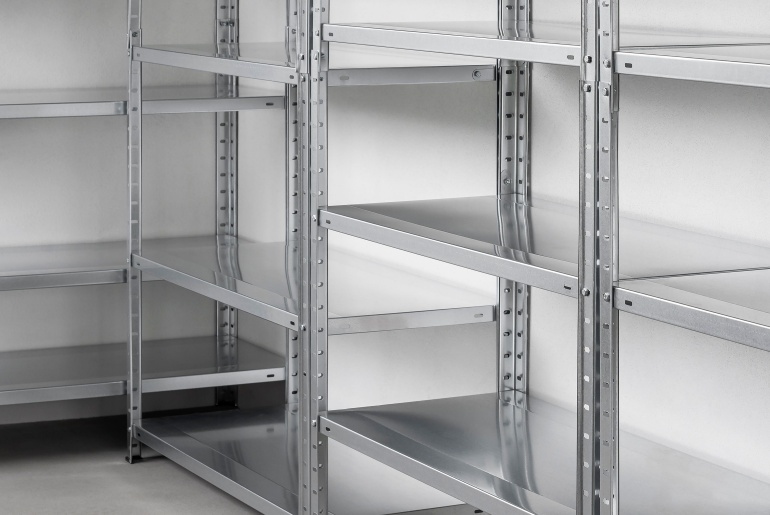
It’s a golden rule that many online sellers vouch for. “The space began to get congested and the first thing we did was re-strategize our display policy,” says Katie Jones of Squirrel: A Store of Buried Treasure(opens in new tab). “We changed to modular shelving which could be moved and re-arranged. This allowed us to free up some good space and maintain the store in a clean and friendly appearance without the additional square feet. We introduced overhead storage in the form of shelves and cabinets, creating additional room without using floor space.”
5. Improve workflow and layout for higher efficiency
Logistics should move like a dance — smooth, intentional, and well-rehearsed. So: arrange your storage so that incoming shipments, staging, photography, and fulfillment occur in logical sequence. Use zones within your unit to prevent mix-ups and delays. And don’t skimp on regular layout reviews, to ensure your space mirrors your sales pattern. Fast sellers belong near the front; slower inventory can move up or out of the main path.
The pros will let you know it works. “After space became tight, I made a stern inspection of the inventory flow,” says Richie David of Totally Home Furniture(opens in new tab). “I moved all the quick sellers within a few steps of the packing station, and those which sold more slowly higher and out of the main traffic. That movement immediately made clear floor space and reduced walking time. I then used 16-foot uprights with safety platforms, freeing up approximately 28 percent of storage space. Finally, I reduced carton size by approximately 12 percent, which liberated an entire rack bay in every aisle.”
6. Plan for seasonal inventory changes
E-commerce doesn’t run on one rhythm. For business-owners such as clothes resellers, it’s a good idea to rotate seasonal products into accessible areas during peak months, then store them higher or deeper during slower seasons. If your goods are sensitive to heat or humidity, climate-controlled storage(opens in new tab) preserves quality.
Month-to-month contracts make it easy to scale space up or down as your calendar shifts, keeping costs aligned with cash flow.
7. Expand your e-commerce capacity with flexible self storage
Sometimes the smartest expansion strategy fits behind a roll-up door: that of a self storage unit. Products arrive, listings go live, and product photos happen under one roof. A well-lit unit even doubles as a photo or video studio, giving sellers full creative control without the overhead of a commercial lease.
After all, a basic storage unit should be all about efficiency. “The first thing I did was get a small storage unit where I can accept a freight delivery,” says Lou Haverty of Skid Retailer(opens in new tab). “This is a really low-cost and efficient way to store a product while I list it on eBay for resale. The additional benefit of storage is that it gives you flexibility for staging the product for pictures and video. I would strongly recommend other sellers start with storage rentals because you can do it month to month rather than signing a lease for larger space.”
Why self storage works for e-commerce
Self storage units now serve as flexible infrastructure for online retailers. They scale with business cycles, adapt to seasonality, and eliminate the need for long-term leases.
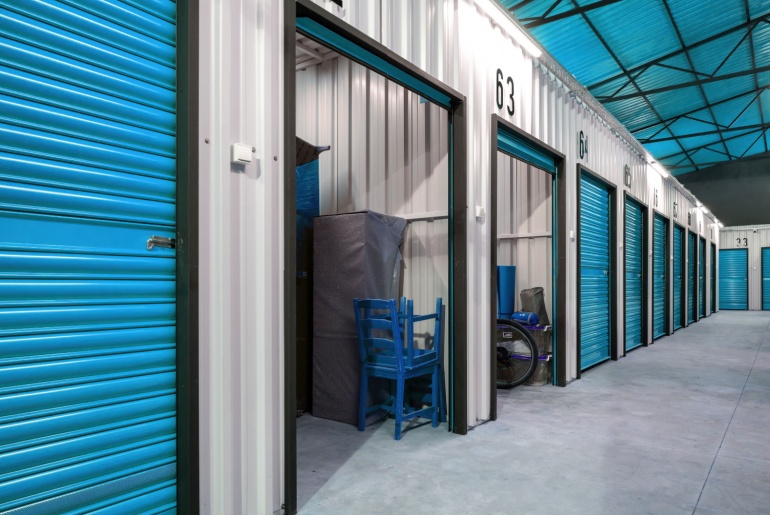
A 5×10 storage unit(opens in new tab) can support photography, packing, and order fulfillment all within a single space. For sellers, this means expansion without relocation and growth without major capital expense.
To make sure you’re getting the right level of self storage security(opens in new tab), look for facilities that offer controlled access, CCTV surveillance, as well as good quality locks. Also, make sure you learn everything you need to know before buying storage insurance(opens in new tab). Most storage facilities make things simple by offering their own insurance options for stored items. It’s a convenient way to get coverage right where you rent. Still, it’s worth checking who underwrites the policy to make sure it comes from a reliable insurer.
Maximize cost savings and collaboration
Efficiency extends beyond shelving. Share larger storage units with other trusted small sellers to reduce costs, or negotiate multi-month rental discounts if your inventory remains steady. Consolidate shipments to minimize delivery frequency and handling time.
These micro-savings add up, building the margin that funds your next leap in growth. Here’s our storage unit size guide(opens in new tab) to get you started on your plan.
Build a growth plan around storage
No one’s keeping you from treating your storage unit as a scalable logistics hub. Really, it can soon be the backbone of your expansion plan. As sales rise, optimize every cubic foot before upgrading to a larger unit. When you do scale, replicate your proven layout — zones, shelving, and workflow — in the new space. Growth should feel seamless, rather than sudden.
To recap
Use self storage as strategy. A well-placed unit can function as a warehouse, photo studio, or fulfillment hub.
- Start small and stay flexible. Month-to-month self storage keeps costs aligned with business size.
- Prioritize organization. Labeled bins, modular shelving, and efficient layouts create more usable space.
- Go vertical before expanding. Shelving, hooks, and overhead cabinets multiply storage capacity.
- Refine inventory regularly. Focus on fast movers and streamline packaging to open additional floor space.
- Leverage technology. Software and QR tracking systems prevent errors and improve efficiency.
- Plan seasonally. Adjust your space and inventory flow to match demand cycles.
FAQ
How can small online sellers use self storage effectively?
Self storage offers room to receive shipments, stage products, and manage overflow inventory. Sellers can rent the exact amount of space they need and adjust it as their business evolves.
What size storage unit works best for e-commerce businesses?
Most small sellers begin with a 5×10 or 10×10 unit. These sizes comfortably fit shelving, packing tables, and product inventory.
How can sellers organize inventory for faster fulfillment?
Categorize items, label bins clearly, and place top-selling products near packing stations. Consistency saves time and keeps the workflow steady.
Why choose self storage over warehouse leasing?
Self storage provides flexible terms and immediate availability, allowing sellers to scale their operations efficiently and maintain full control of expenses.
Final thought
Space can make or break a business. A basement full of bins or a small storage unit with a camera light on means you’re building something real. Every time you stack, label, and rearrange, you’re shaping the kind of order that keeps growth steady and sustainable.



Storage Ideas for Small Spaces: 9 Ways to Max Out Your Home
A messy home contains the seeds of its organization. Those seeds everywhere: the space above doors, under beds, behind sofas and inside furniture can all become storage. Here are the best storage ideas for small spaces, so you can make the most of your cozy home.
How to Organize Your Bathroom: 8 Ways to Stay Tidy
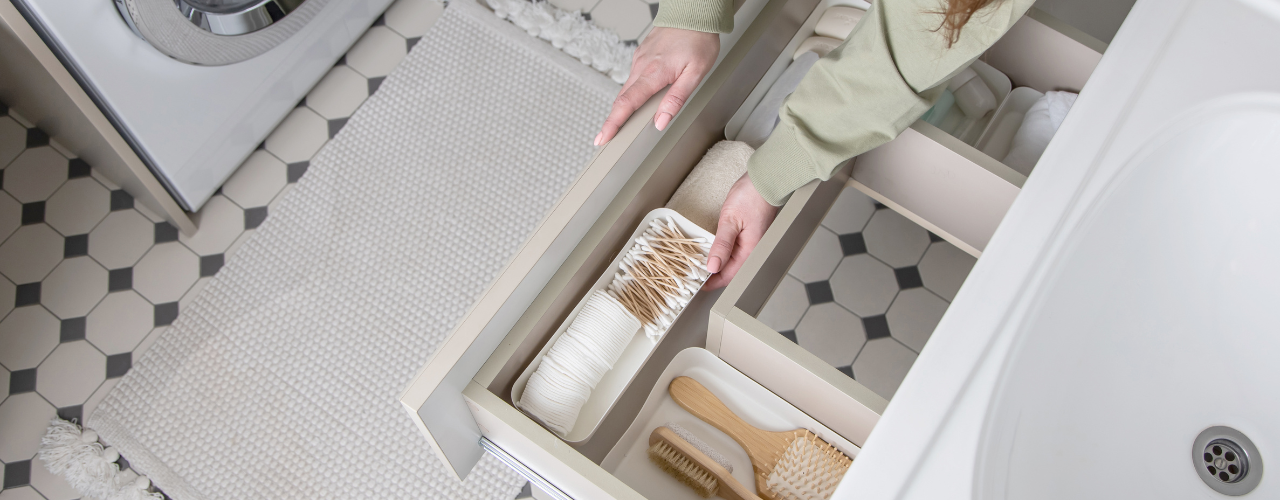
You already know why an organized bathroom is worth the effort, but let us remind you: it makes rushed mornings easier, keeps counters cleaner and just helps get you in the mood to go through your skincare routine like you should. Plus, in bigger households, it helps everyone find what they need. And you know how much a tidy bathroom counts for your self-esteem when a guest or a partner shows up. Luckily, you don’t need a degree to know how to organize your bathroom. The secret is keeping less, giving every item a home and making that home simple to use. Let’s go through some practical steps can help you create a bathroom that stays functional and nice to look at.

Best U.S. Cities to Live Uncluttered: Plano, TX, Offers the Most Room to Breathe
Clutter is in our homes as much as in our heads. Both are shaped by where we live.

How to Use Silica Gel Packets for Storage
Moisture can cause significant damage to items in storage, leading to rust on tools, mold on clothing and warping in documents. Silica gel uses science to fix that. Often found in small packets inside product packaging, silica gel is a desiccant that absorbs moisture from the air, keeping your stored items dry and protected. This guide explains what silica gel is, how it works and how you can use it to preserve your belongings in self storage.

Where to Find Moving Boxes in Los Angeles
Moving in Los Angeles is its own thing, and figuring out where to get moving boxes sorted is just the start of everything you’ll need to organize before moving day.

10 Best Places to Donate Books in Philadelphia
Did you know Philadelphia’s book-sharing roots go back to 1731? Benjamin Franklin and The Junto Club gathered their personal collections into a shared library, thus sparking a tradition of pooling knowledge for the common good. Today, you can carry on that spirit by donating books to local organizations and free libraries.

How to Sell Furniture (For Quick Deals and Side-Hustles)
Selling used furniture can be quick, profitable and even rewarding if you know where to list, how to present your pieces and what buyers are looking for. Just a tiny bit of patience and some good planning will take you a long way. This guide covers everything you need to sell your furniture efficiently and safely, for the best possible price.

1 in 4 Americans Rent Self Storage — and the Next Wave Is Already Coming
About one in four Americans is already using self storage and just as many are actively searching for a unit online right now. Across the 150 largest U.S. cities, self storage searches rose 23% year-over-year in 2025 — nearly triple the growth recorded the previous year, up from around 8% in 2024.

Where to Donate Furniture in Philadelphia
Philadelphia has a strong tradition of giving back, and donating furniture is a practical way to support local charities while freeing up space in your home. Whether you’re downsizing, moving, or just decluttering, there are plenty of organizations ready to take your gently used furniture. And if you’re not ready to part with certain pieces just yet, self-storage can buy you time to decide.