

Key Takeaways
- Start with safety by clearing walkways, securing rugs and cords and opening up space for supports like grab bars and better lighting.
- Work in small, calm sessions on low-emotion areas first, and use a simple four-category sorting system: keep, pass to family, donate, discard.
- Handle sentimental items and paper with care and consent, especially when it comes to photos.
- Use climate-controlled storage intentionally to move bulky, rarely used, or delicate belongings out of living spaces.
Decluttering later in life tends to work best when three things take center stage: making the home safer, respecting the memories attached to what’s inside it, and keeping daily routines simple and manageable. A home should feel comfortable to move through and peaceful to live in, while still leaving room for the stories and history behind the things that remain. These decluttering tips for seniors focus on practical, doable steps that fit everyday life, without rushing or pressure.
Before you start, remember that this effort is truly worth it beyond the immediate benefits: unchecked clutter can lead to hoarding, a disorder that affects roughly 6% of adults over 70, as per a report by the U.S. Senate Special Committee on Aging.
1. Begin with safety
Safety often makes the most sense as a starting point. As you get older, small obstacles around the house carry more risk than they used to. A curled rug, crowded furniture, or a cord across the floor can all increase the chance of a fall.
Walk through the home together and notice how easy it feels for you to move from room to room. Try to:
- Clear hallways and main walking paths.
- Shift or remove furniture that narrows space.
- Secure loose rugs and move cords out of areas where you walk.
Once you open up space, simple safety upgrades work better. Better lighting helps you see clearly. Grab bars offer support in bathrooms. Handrails add stability on stairs. Non-slip mats reduce risk near tubs and showers. Decluttering gives these changes room to do their job. If balance, vision changes, or chronic pain are present, ask a doctor or occupational therapist which home changes matter most.
2. Keep the pace small and calm
One of the most helpful decluttering tips for seniors involves pace. Large projects overwhelm fast, whereas small areas build confidence. Choose one drawer, one shelf, or one cabinet. Short sessions often work best, usually thirty to sixty minutes, followed by rest. Progress feels real when each session ends with a clear finish. There’s no right or wrong pace; it’s okay to pause when decisions feel heavy.
Early success makes a lot of difference. Begin in places with little emotional weight. Pantry shelves, bathroom cabinets, linen closets, expired food, and old mail allow progress without stress. Save photos, keepsakes, and heirlooms for later. Those choices feel easier once confidence grows.
And remember: For adult children and partners, this process can be emotional too; small, steady progress is more important than getting everything done at once.
3. Use a simple sorting method
Too many options lead to fatigue. A simple system works best. So, keep four categories close at hand:
- Keep here
- Pass to family
- Donate
- Discard
As you go through the clutter, place labeled boxes nearby so each item has a clear place. Gentle questions help guide decisions: “How can this room feel easier to move through? What feels right for this item? Would you like to keep this here or pass it on?” If an item brings strong emotion, set it aside for another day.
4. Focus on high-impact rooms
Complete one room or zone before moving on. That sense of completion builds momentum. Kitchens, bathrooms, bedrooms, and hallways often bring the biggest gains in comfort and safety.
With clothing, rarely worn pieces often stand out once everything sits in view. In kitchens, extra dishes and tools tend to accumulate over time. Keep what fits current routines. Avoid storage purchases early. Decluttering first reveals what storage actually fits the space.
5. Treat sentimental items with care
Feeling torn about letting go makes sense. These belongings often carry stories and identity. A small group of meaningful pieces usually holds more value than many boxes. Photos of special items, written stories, or memory books preserve meaning without filling rooms.
Sharing heirlooms with family while stories remain fresh often feels rewarding. Accept that interest varies from person to person. Meaning matters more than quantity. Make sure to never remove sentimental items without consent. Trust matters more than speed.
6. Simplify all paper clutter
Paper hides everywhere and causes stress. Start with important documents only: ID, insurance policies, wills, home deeds, recent tax returns. Keep the originals in one safe, clearly labeled folder or box for current records. When in doubt about a document, set it aside in a ‘check later’ folder rather than throwing it away on the spot.
Digital copies of legal, medical, and financial papers reduce physical clutter while keeping access simple. As for old manuals, duplicates, and outdated statements, they rarely serve a purpose once key information exists elsewhere.
Use self storage with intention
There are certain items that do not need daily access but still hold value. Seasonal decorations, extra furniture, family keepsakes, and household items that may fit a future space often belong in this category. By moving bulky, rarely used items out of walkways and bedrooms, self storage can reduce fall risks while keeping those belongings in the family. Using storage this way helps seniors age in place, as they can live in a familiar home that’s now easier and safer to move through.

Climate-controlled storage deserves special attention for seniors. Units with steady temperature and humidity protect items that suffer damage from heat, cold, or moisture. Photos, documents, heirlooms, wooden furniture, musical instruments, and electronics all last longer in climate-controlled spaces.
For senior retirees evaluating the best places to retire, the cost of living goes beyond housing prices or taxes. Ongoing costs like storage can affect where someone lives, how they downsize, and what feels manageable over the long run. In retirement metros like Boise, ID, storage units average about $100 per storage unit each month, well below the national average of $137, while higher-cost areas like NYC–Newark exceed $180, a gap that can meaningfully affect monthly budgets after a move.
Final thoughts
Your elderly loved ones need a home that feels easier to navigate, simpler to manage, and calmer to live in, while still honoring a lifetime of memories and experiences. For seniors, decluttering should create room for comfort, independence, and peace of mind in the present.
And for families who may one day look for tips for moving aging parents, this kind of gradual, thoughtful decluttering can ease stress and reduce last-minute decisions when change becomes necessary. What’s more, some families find that a small, well‑organized storage unit becomes part of this support system, so as to keep important belongings safe without crowding everyday spaces.


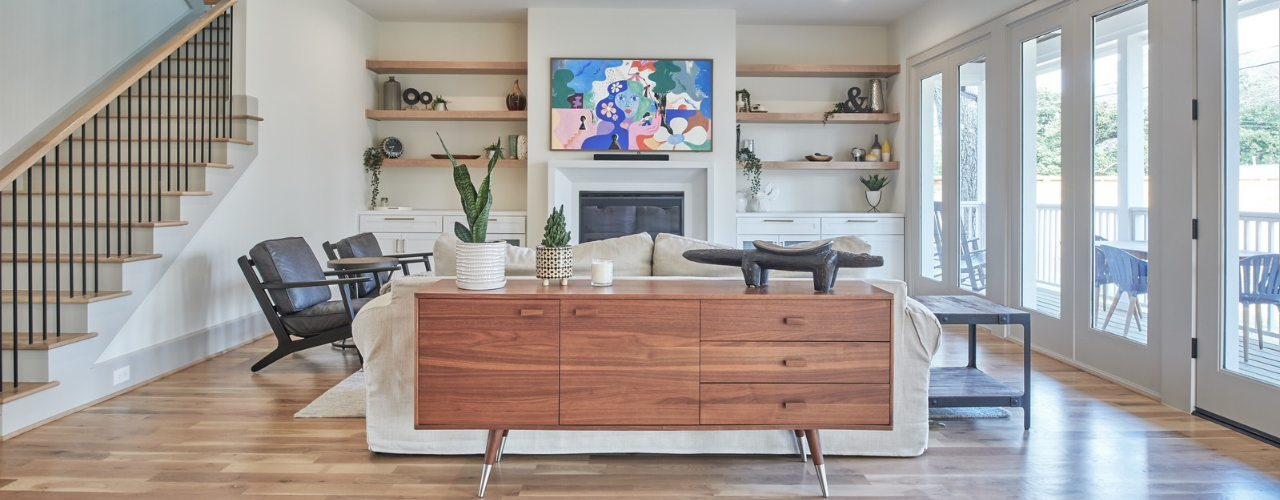
Living Room Storage Ideas: 28 Ways to Reclaim Your Hosting Space
If a living room is where most of a household’s living happens, good storage should be the top priority for setting up or revamping the place. After all, think of how easier it would be to have people over when tidying up the place is just a matter of putting things in their right place (in a time when fewer and fewer people are entertaining friends at home(opens in new tab)). The trick is making room for all those wayward clothes, blankets, chargers and other small things that end up on (or, inexplicably, in) the sofa. Here are 28 living room storage ideas to get you started and make tidying up a quick affair.
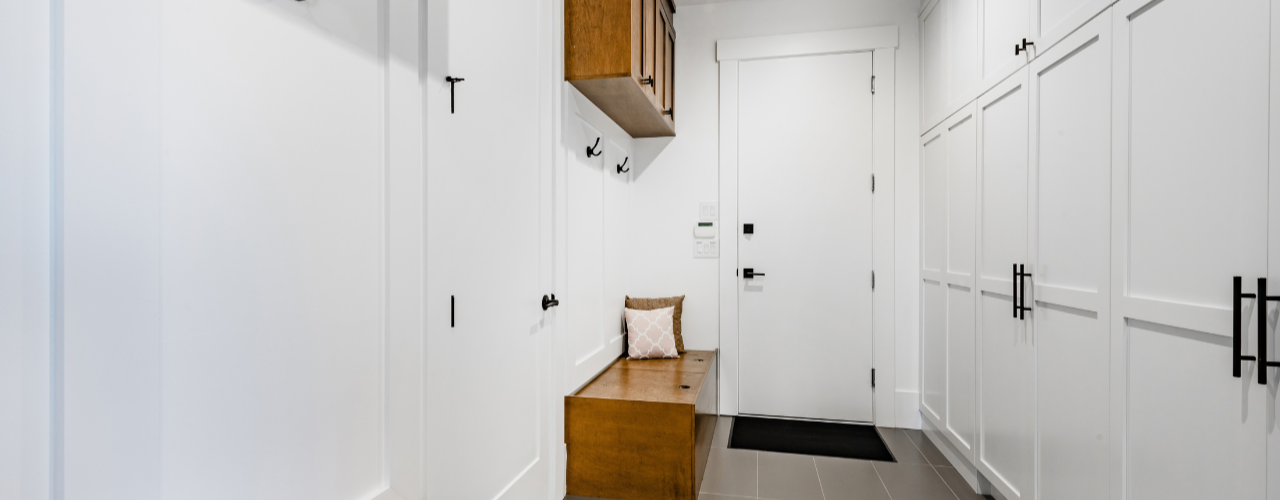
25 Mudroom Storage Ideas (And Mistakes to Avoid)
When you come home with muddy boots, an armful of bags and a coat you can’t wait to take off, it’s nice to have somewhere to put it all. With a mudroom, you can leave the outdoor mess at the door instead of carrying it through the house. Traditionally, you’d set aside a separate room, but you can just as easily use a hallway, an entryway closet, a laundry-room corner or a stretch of wall near the entrance.
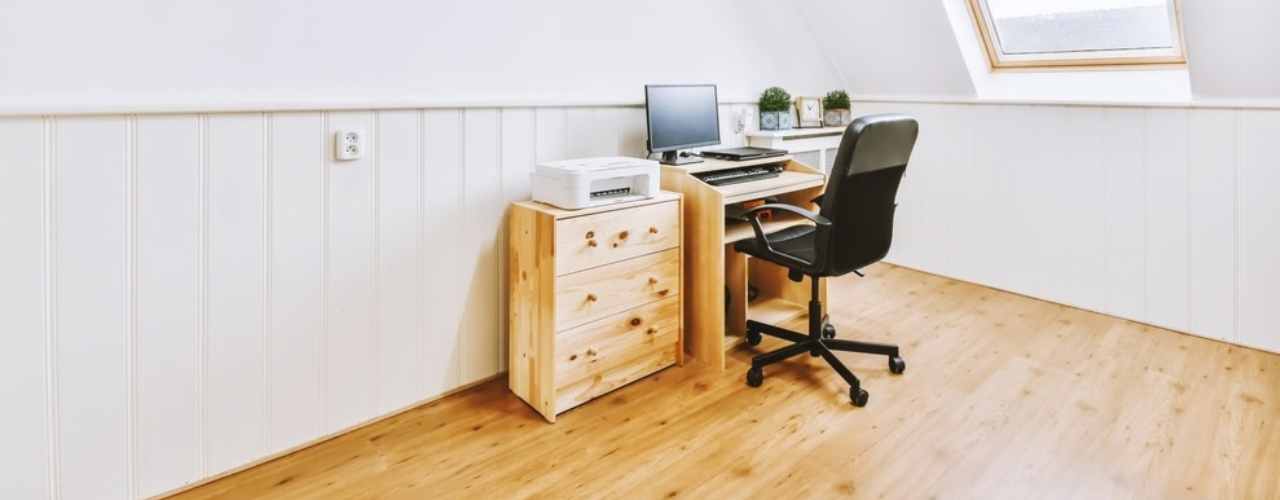
Is Your Home Office Worth the Rent? What Coworking and Self Storage Could Save You
Every square foot of your apartment comes with a price tag, and a home office claims more of them than most renters expect. It starts with a desk. Then come the second monitor, the printer, the filing cabinet and the overflow boxes. Before long, the corner you set aside for work has turned into a small room you are paying for every month.
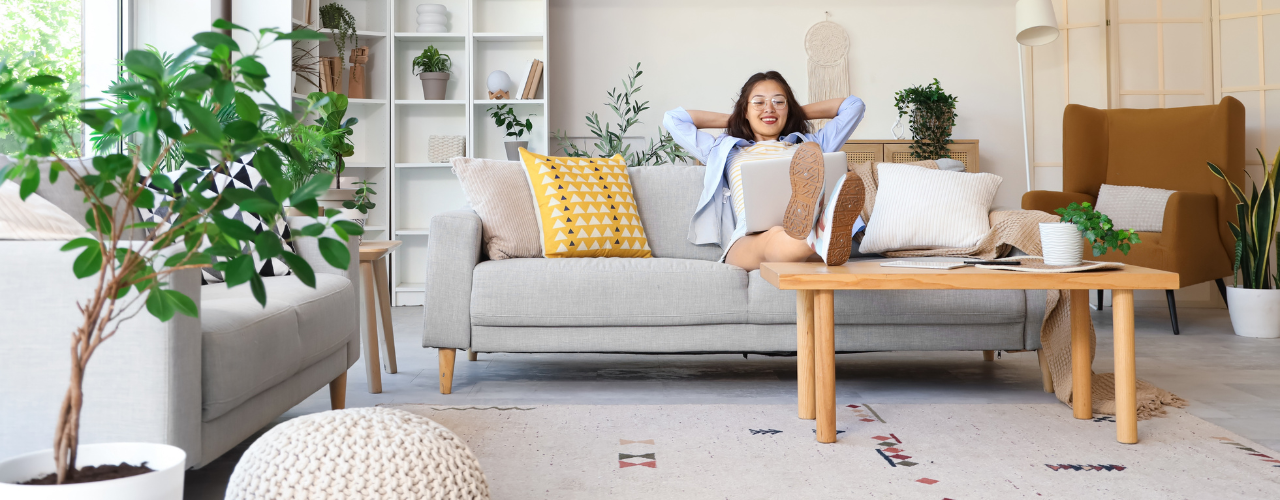
Best U.S. Cities to Live Uncluttered: Plano, TX, Offers the Most Room to Breathe
Clutter is in our homes as much as in our heads. Both are shaped by where we live.

America’s Top Snowbird Destinations for 2026–2027: Florida Leads in Numbers, Texas Wins on Value
For Americans living in colder states, the approach of winter is reason enough to start looking south. Cold weather carries costs that go beyond the heating bill and shoveling snow. Seasonal affective disorder(opens in new tab) is far more prevalent in northern states, so a temporary move south isn’t simply an escape from the cold, but a chance to spend the hardest stretch of winter outdoors and in the sun.
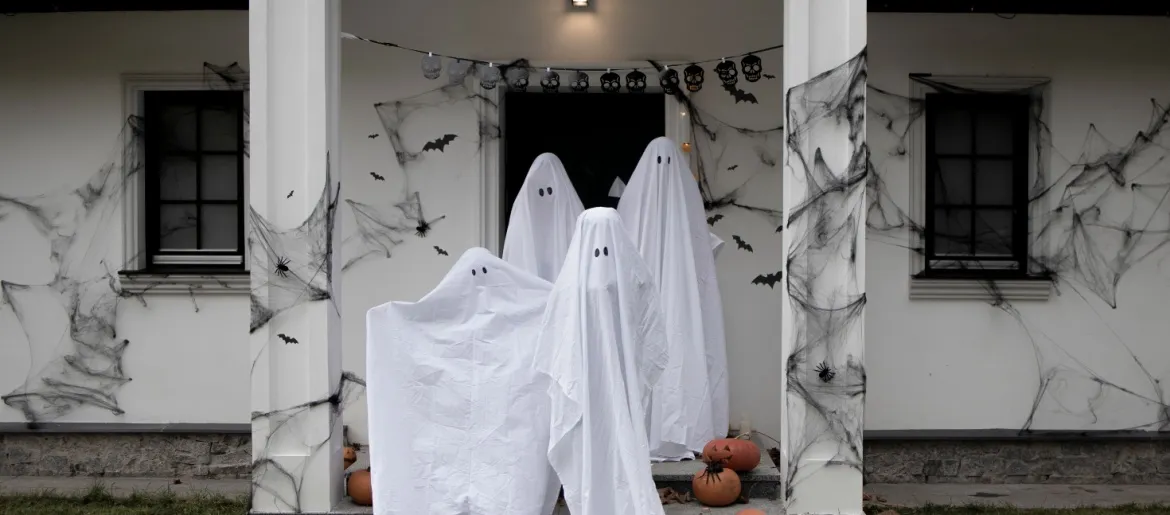
How Much Does Halloween Really Cost in 2026? Plan Wisely to Avoid the Scare of Hidden Costs
Americans’ love for Halloween is almost frightening — this year alone, we are on our way to spending $13.5 billion, according to data from the National Retail Federation(opens in new tab). That breaks down to about $115 Halloween costs per person, a whopping 49% more than 10 years ago.
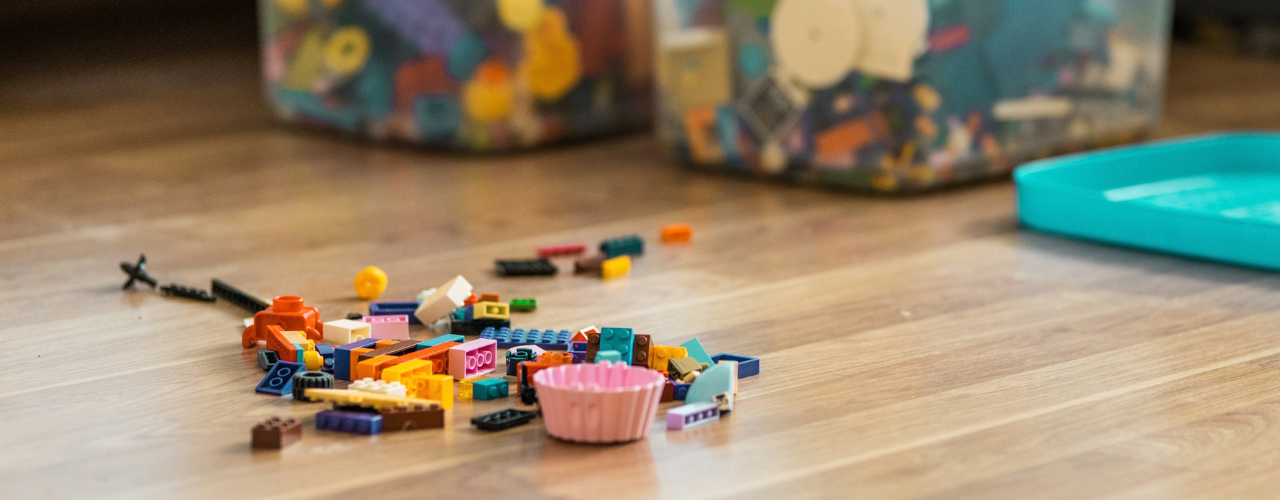
How to Store LEGOs: All the Fun, None of the Clutter
How to store LEGOs largely comes down to how your household uses them. If the bricks are part of everyday play, you need a setup that keeps them within easy reach and makes cleanup quick (for your feet’s sake, at least). Toy storage(opens in new tab) such as simple bins, playmats or containers that children can put away themselves may be enough. Larger or more serious collections usually need more organization, such as labelled drawers for loose pieces, trays for unfinished builds, shelves for completed models and separate storage for retired sets.

Cardboard Costume Guide: Tips and Ideas for a DIY Halloween
Whether for kids or adults, cardboard costume ideas often make the biggest splash once materialized, and that’s for a simple reason: doing a lot with a little is a universally impressive feat (especially in this economy). If you don’t have enough boxes you could temporarily repurpose, don’t worry! There are many places where you can find free moving boxes(opens in new tab), from stores and supermarkets to online groups and recycling drop-off spots. On the run? Try your luck at a self storage(opens in new tab) facility that sells moving supplies, often for cheap. This way, you can choose moving boxes of different shapes and sizes(opens in new tab), so you can make your costumes as complex as you want.

How to Celebrate Halloween: 9 Non-Spooky Ways To Enjoy It
As soon as October starts, it’s the official Halloween month. And while for many people it means it’s open season to get the scare of a lifetime, others, especially families with small children, might prefer to celebrate in a tamer way that’s both kid- and adult-friendly. While you’re likely to find more events where the spook factor is high, here’s how to celebrate Halloween in a not-so-scary way: