

Oftentimes we tend to think of cleaning as a single action, isolated on its own. A monotone task repeated over and over, mostly there to cut into our free time of binge-watching the latest Netflix series. But it’s far more interconnected than you might think.
Did you know, for example, that a clean and tidy home can do more for your motivation to stay active than even some of those motivational podcasts? One study found that what happens inside the home may actually influence physical activity(opens in new tab) more than factors like walkability, sidewalks or street lighting. In other words, something as simple as decluttering for 30 minutes or chasing away dust bunnies might encourage more movement overall. If you’re looking for a more active lifestyle, you might want to start with something simpler than a workout routine, like a cleaning schedule.
A good cleaning spree also tends to have a funny side effect. It quickly shows you just how much stuff your closets were hiding and brings clarity not only about what to keep, but also about where those items should live. For the belongings you still value but don’t need every day, keeping them neatly tucked away in a storage unit(opens in new tab) can help maintain that newly cleared space you’ve just created at home.
And that’s just the tip of the iceberg when it comes to the many reasons why keeping a tidy home matters more than it may seem at first glance.
Now, for the million dollar question, where all this stems from. How do you turn tidying into something doable and consistent rather than an occasional burst of effort?
The answer lies in creating a cleaning schedule that keeps things manageable, so roll up your sleeves and let’s dive in.
Prevention
When Benjamin Franklin said “an ounce of prevention is worth a pound of cure,” he was probably dealing with too many stacks of manuscripts and books, wondering how to organize them – a very human experience we can all likely relate to. Which is exactly why prevention is something worth gradually building into your daily habits.
The goal here is to form systems that work with the way you move around the house, your schedule and, frankly, even your mood. Changing your behavior around keeping a cleaning schedule is the first building block of that foundation. You want it to feel easy enough to maintain, something that becomes part of your routine (like feeding the cats or brushing your teeth) rather than something you constantly have to force yourself to do. Using a schedule maker(opens in new tab) can also help you organize recurring cleaning tasks and make them easier to fit into your daily routine.
Science backs this up too, if you need an even better reason to adopt the prevention model. Put simply, habits are actions we start doing automatically(opens in new tab) when something in our environment cues them. So, if you always wipe the counter after cooking, it stops feeling like a chore and becomes almost instinctive, and the mess never really gets the chance to build up in the first place. And because the work is already, in a way, “pre-done,” maintenance only becomes easier over time.
Some of the tasks that can help you ease into a prevention-first method for a tidy home include:
-
- Take it with you: If you’re leaving a room, don’t walk out empty-handed. Chances are there’s a forgotten candy wrapper, a coffee mug, a sock or a toy lying around. Make it a habit to take one item with you and return it to its place, whether that’s the trash, a drawer or a shelf.
- Supply and demand: If you have more than one bathroom, keep cleaning supplies in each of them. It makes it far easier to start cleaning when everything you need is already within reach. The goal here is to eliminate small hurdles and make the process as seamless as possible so you don’t give yourself reasons to postpone it. If you only have one bathroom, keep all its cleaning supplies together in one designated spot to avoid unnecessary searching.
- Create decluttering exit systems: For any decluttering aficionados, the saying that clutter is often nothing more than a delayed decision will sound all too familiar. Worse yet, clutter adds friction. Every surface becomes a multi-step task instead of a simple wipe-down. Setting up donation boxes, pickup bins or designated clutter baskets in areas where things tend to pile up can make a huge difference. After all, if home is where the heart is, you probably don’t want it buried under piles of clutter that don’t just crowd your home, but can crowd your mind as well. Research suggests that when clutter spirals out of control(opens in new tab), people may start identifying with it, linking their sense of self to the mess around them, which can eventually strain relationships and daily life.
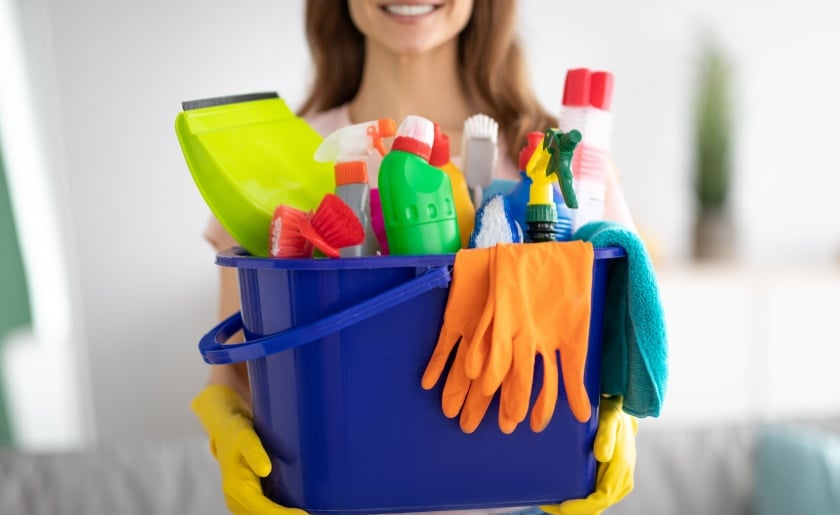
- Stock up on supplies: Keep essential cleaning items ready and easy to grab so you don’t have an excuse to put things off. When supplies are visible and accessible, small cleaning tasks become much easier to tackle in the moment. Use stackable bins, a tension rod for hanging spray bottles and a Lazy Susan for back-cabinet access. Engineer it to work with you so you can grab what you need without thinking twice. No obstacles, no reason to stop the flow halfway through.
- A place for everything: Give every item in your home a designated place. Every tool, every cleaning supply, every decorative trinket. Yes, even the batteries or the cat’s bowl. This makes it much easier to spot when something is out of place and return it where it belongs. It can also help you identify areas where space is running tight, giving you the opportunity to declutter, reorganize or move rarely used items into a storage unit.
Maintenance – your core system
Most of the legwork in a cleaning schedule happens in the maintenance phase, the core system that keeps things from deteriorating or overstaying their welcome. To make it easier to follow, we’ve broken down the tasks into manageable chunks that can be tackled weekly, monthly or even seasonally.
Daily tidy-up schedule
These tasks are meant to keep clutter from quietly organizing itself into a stubborn mound, but they shouldn’t take more than 15-30 minutes a day. The idea is to keep them brief and easy to weave into your routine, so they simplify your life rather than add another chore. It should add visual cleanliness to every room in your home, especially in high traffic areas that tend to be a magnet for overflow.
Home sweep
For anyone with pets and their accompanying never-ending supply of fur, this one won’t come as a surprise, but it’s just as important for everyone else too. Vacuuming daily not only removes dust and fur alike in one fell swoop, but it also saves you time later in the week when it’s time for deeper cleaning.
After all, one quick sweep a day keeps the mess at bay. It can be your 10 minutes of listening to your favorite tunes while moving around the house with some extra easy cleaning on the side – and the end result will save you those extra minutes in the long run.
Idle-wait micro-cleaning
Waiting for the microwave to heat up that leftover lasagna? Got some time while the water is boiling or the kettle is about to whistle? That means you’ve got time to replace idle waiting with a little micro-cleaning. Here’s what you can do instead:
- Kitchen: Wipe down the counters, replace the kitchen roll, rinse a plate, or quickly clear the sink area. If you’re already opening the fridge for something, take an extra moment to wipe off a shelf or toss out something that’s been sitting there a bit too long.
- Laundry room: While waiting for the last five minutes of the washing machine cycle to finish, you can wipe down surfaces in the laundry room, straighten detergent bottles, or fold a stray towel.
- Bathroom: Just finished brushing your teeth? Take the extra minute to wipe the bathroom sink before leaving.
- Entryway: Even those brief moments before heading out the door can be useful, so straighten the entryway, stack shoes or hang up a jacket that’s been sitting around.
Five minutes may not seem like much, but anyone who remembers their skin prickling when hearing “The FitnessGram PACER Test is a multistage aerobic capacity test…” knows just how impactful a few minutes can feel. Tiny tasks like these knock out small cleaning actions on the go and keep mess from piling up later.
Bedroom clean-up
Your bedroom and your sleep schedule are closely connected, and the messier it becomes, the more your sleep quality tends to suffer. A few small tasks each day can help ease that stress and gradually turn tidying into something you do almost without thinking.
In the morning: Pull back the curtains and let the light in. Make the bed, put your pajamas away and take any stray cups (Stanley cups included) off the nightstand and return them to the kitchen. Clear the nightstands so the space starts the day without any clutter.
In the evening: If your bedroom doubles as a home office, put away your laptop and any work-related items like paperwork or planners to create a clear separation between work and rest. Toss worn clothes into the hamper, fold anything that’s clean and hang up items that belong on hangers.
Bathroom clean-up
Bathrooms are one of the areas of the home that (alongside their buddy, the kitchen) can get messy the quickest if left unchecked. You don’t have to start scrubbing under the sink every day, but a quick daily touch-up can keep things from escalating and fits easily into a cleaning schedule.
A handful of quick 10 minutes or less cleaning tasks that can make a big difference are:
- Hang hand towels to dry: Damp towels left crumpled on the counter or rack can quickly start smelling musty. Hanging them properly helps them dry faster and keeps bacteria and odors at bay.
- Quick sink wipe: After brushing your teeth or washing your face, take 20-30 seconds to wipe the sink and faucet. Toothpaste spots and water marks build up fast, so catching them early keeps the sink looking clean all week.
- Mirror splash check: A quick swipe with a cloth or tissue removes water spots and toothpaste flecks before they harden into set-in stains.
- Shower curtain or door reset: Stretch the curtain out fully or squeegee the shower door. This helps moisture evaporate faster and reduces mildew buildup.
- Surface tidy-up: Put toiletries back where they belong and toss any empty packaging or used cotton pads. Clear surfaces make the whole bathroom feel cleaner instantly.
Kitchen clean-up
For the hearth and heart of the home, even small visible improvements can do wonders for overall cleanliness. The purpose here isn’t perfection, it’s progress. Avoid falling into the perfection trap; consistency is good enough if you want to keep at it daily.
Little habits like these keep the kitchen from getting out of hand:
- Use a rag basket under your sink: Keep a small basket under the sink for dirty rags and cloths. Once it fills up, toss them into a hot wash and dry them all together.
- Unload the dishwasher: Load dishes throughout the day or unload the dishwasher in the morning. Keeping it cycling prevents dishes from piling up on the counter.
- Wash dishes as you go: A clean sink instantly makes the entire kitchen feel brighter and more put together.
- Quick counter wipe: After cooking or making coffee, give the counters a quick wipe so crumbs and spills never get the chance to build up.
- Trash and compost check: Take a quick look at the trash or compost bin before it overflows and before odors start sneaking in.
Living room
Parents, gather around and raise a hand if you’ve tripped at least once on your children’s toys. This situation can go two ways.
If your child is a toddler or too young to partake in a quick sweep, make it a habit to put toys away every night before bedtime stories start.
If your child can help, now’s the perfect opportunity to turn this into a healthy lesson about tidying up. Put up a simple checklist with small tasks, like putting away 10 toys. Add stars or stickers to make progress visible, especially for younger kids, and of course, don’t forget a small reward at the end.

One thing you can do as well is fold the laundry. Put on a show or a podcast – the sooner you get through it, the better. We all know that seeing the bottom of the laundry basket for more than a few hours is basically an urban legend at this point, so don’t delay the inevitable. Fluff up the pillows for a quick refresh and put blankets away for a final touch to liven up the room’s appearance.
Weekly cleaning schedule
For the weekly cleaning schedule, things get a bit more nitty-gritty, as they set the tone for the rest of the week. Hygiene and order are the main theme here, words that could belong to a House motto out of Game of Thrones, if you need an extra boost of motivation to get started.
Supply check
Make sure cleaning supplies are readily available and ready to be put in the game once the cleaning spree starts. Buy what is missing and replace it, so that when you get to cleaning you won’t need anything else. Perhaps a good playlist to get you pumped, maybe.
Laundry cycles
Create simple cycles for laundry. Every Sunday, for example, make sure everything is washed, dried and ready for the week ahead. Having to deal with that midweek after a long day is the last thing that you’ll want to await you at home.
Kitchen reset
Check the fridge, throw out anything that’s gone bad and give it a quick wipe if needed. Take a minute to organize what’s left so things don’t get lost in the back. Maybe finally tackle that Tupperware drawer while you’re at it.
If you have a garbage disposal, one spot that’s very easy to forget but worth checking regularly is the rubber splash guard at the top. It can trap food residue and moisture underneath, allowing grime and unpleasant odors to build up. Pop it out once a week and scrub both sides.
And if you need an extra reason to stick to a cleaning schedule, a Cornell experiment(opens in new tab) found that a chaotic, stressful kitchen can lead to more impulsive snacking, especially when you feel out of control. Plus, it helps prevent things from getting dirty again right away.
Bathroom
Start by cleaning the shower. Vinegar-based solutions work well for hard water stains, just be aware of the smell. You can also use baking soda for tougher areas.
One spot that often gets overlooked is toothbrushes and their holders – muck and toothpaste tend to build up at the bottom. Give them a quick clean with warm soapy water and a gentle rinse to keep everything in tip-top condition.
Replace towels, empty the bin and try to leave everything dry at the end so moisture doesn’t build up again too quickly.
Floors
Different swipes for different floors, with one never changing thing: a weekly routine that complements your daily vacuuming one and keeps your home clean from top to bottom.
- Hardwood
For these types of floors, you’ll want to use a damp mop or cloth, not a wet one. Too much water will only cause damage over time. If your mop is leaving behind visible pools, it’s too wet. Wring it out a couple of times before going back in.
The cleaning solution matters too. Stick to something made specifically for hardwood, ideally pH-neutral, since harsher products can wear down the finish over time. Don’t let the solution sit on the floor for too long. Instead, move at a steady pace so nothing lingers.
Go over the floor until your water starts coming out clean. For spots where nothing seems to budge, dip a cotton or microfiber cloth into the solution, squeeze out the excess and give it a bit of manual scrubbing. Stick to the direction of the wood grain when scrubbing. It’s not likely you’ll cause damage otherwise, but it’s good practice that helps preserve the finish.
2. Tile
For tile, the classic method of mopping regularly works just fine. The only tricky part tends to be the grout lines. That’s where you’ll need to put a bit of extra TLC. A brush, a cleaner and some good friction usually do the trick.
When choosing a cleaning product, keep in mind that vinegar, while popular, can be too harsh for certain surfaces. Its acidity can slowly wear down natural stone or sealants over time. Just like hardwood floors, a pH-neutral cleaner is the safer bet, and you don’t need to overdo it. A small amount in your water goes a long way.
3. Carpet
Vacuuming carefully works best for carpeted floors, as small bits can easily get trapped depending on the depth of the rug. If you have a bit of extra time, running a squeegee over the surface can help lift those stubborn tufts of hair or fur that somehow make their way into every corner of the house.
To keep debris from getting embedded in the first place, consider not wearing shoes indoors or having a designated indoor-only pair. A robot vacuum is also a great option if you’re open to it. It’s specially designed to catch day to day buildup as it happens, leaving you with one less thing checked off your cleaning checklist.
Monthly cleaning routine
Your monthly routine is all about friction points – the ones that harbor residue that might not seem like much in small doses, but as it accumulates, it becomes tedious to get rid of. Dust settles in, small spills go unnoticed, and items start to gather in corners, seams and surfaces you don’t check as often. Crevices and clutter magnets are usually the main culprits, but it goes beyond that.
So, for your monthly clean-up, here’s how you can turn a strategy into an action plan:
Wipe down inside the cabinets
Wiping the outside is always a good idea, but getting inside is where the less obvious mess tends to pile up. Take everything out, even the drawer inserts or shelves if you can, and give the whole space a proper wipe-down. This applies to kitchen cabinets, living room storage, anywhere you know things tend to collect over time, including the bathroom cabinet.
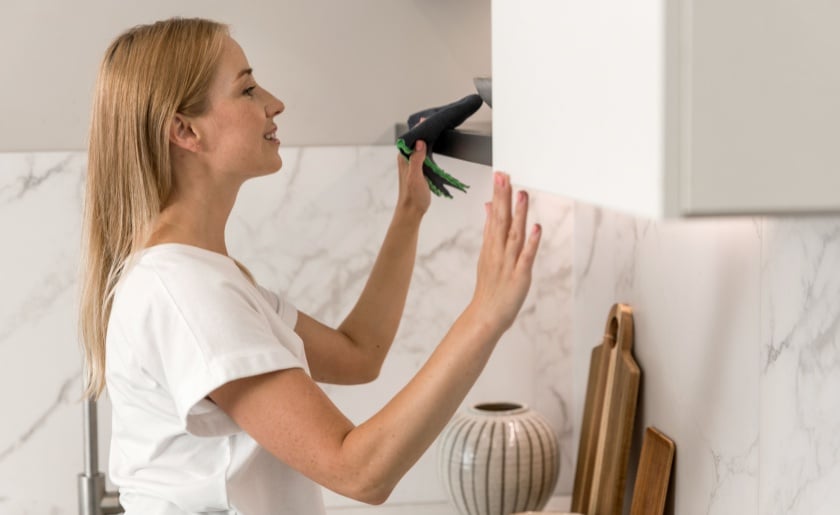
It also gives you a chance to hit two birds with one stone and clean the items inside. In places like the bathroom, things can get covered in an oily film over time because of the moisture in the air.
Give visible surfaces a nice shine
Where there’s a surface, there’s usually dust not far behind. While daily upkeep keeps most of it in check, going a step further like lifting items, wiping underneath them and putting things back in place, makes everything instantly look cleaner and more put together.
Deep clean appliances
- Fridge: Pull out the drawers and shelves inside your fridge and clean all the corners and edges where gunk tends to settle. It usually builds up along contact points and small ridges, so taking the time to go over everything properly helps you reach spots that don’t get touched often.
- Dishwasher: Clean the dishwasher filter by removing it, rinsing it under warm water and using a soft brush if needed. The washing machine filter (if accessible) can be cleaned in a similar way. Check your model first, remove any debris and rinse it out monthly to keep things running smoothly.
- Stovetop: Clean the stovetop using the right solution depending on what you have – glass, induction or a regular one. Stick to a microfiber cloth so you don’t scratch the surface. For tougher spots, a bit of dish soap, warm water or even a baking soda paste can help loosen things up without being too harsh. For glass or induction tops, avoid anything abrasive and let the cleaner sit for a minute before wiping so it can break down residue properly. For regular stovetops, removing grates and soaking them can make a big difference before scrubbing.
Go over high-touch areas
Cleaning the spots that get touched the most but cleaned the least (e.g. doorknobs and light switches) can make the whole place feel more tidy, even if you can’t quite put your finger on why. Use a Magic Eraser or something similar for marks that don’t come off easily. Take a second to go over handles, remote controls, cabinet pulls and anything else that gets daily contact.
Create a temporary box
Set up a temporary holding zone for items you’re not sure about yet, something that sits between keeping and letting go. Keep it in a designated spot that doesn’t interfere with your day-to-day space.
The key here is not letting it overstay its welcome. Set a clear deadline, and once that date hits, anything still in the box gets donated or stored away. Use local giveaways, Facebook Marketplace or similar for bulkier, low-value items, and donate the rest where it makes sense.
Take it as a cue to look into other storage options if you want to keep something but don’t have room for it right now. It might serve you better outside your main living space, where something else can take its place.
Seasonal maintenance and outdoor care
Seasons come and seasons go, and your cleaning priorities should shift with them. If you have outdoor space, this is a good time to handle anything that needs changing or checking. Some of the things you can do are:
Change the filters
HVAC, vents and even patio or exterior filters should be changed every 3-6 months, but it’s worth checking them more regularly depending on your environment. It might seem like overkill to check them monthly, but for those living in the South, where the sun is relentless and the AC is running constantly, it’s really not. It helps keep the air quality up and the system running properly.
For an easier way to remember, tie it to something that already happens regularly, like payday or rent day. It makes it much easier to stay consistent with it.
Replace the batteries
Swap out batteries in smoke detectors, carbon monoxide detectors and any other essential devices around the home. Pick a fixed date for this, like when daylight saving time hits, or when you start your seasonal clean-up schedule.
A good rule of thumb is to check and replace the batteries before they start chirping at 3 a.m., because naturally, that’s always when they choose to ask for help. You can also test each device while you’re at it and make sure it hasn’t expired, since smoke and carbon monoxide detectors don’t last forever.
Rotate seasonal decorations
Store decorations in clear bins and label them properly. Keep things grouped by season and by area (indoor vs outdoor), so you’re not unpacking everything just to find one item. Depending on what type of free space you manage to uncover in your home, this could align nicely with an attic cleanup too. Check what’s broken or didn’t survive the holidays and bid it farewell. Otherwise, it’s time to store it and let it hibernate until the next holiday comes around.

Extra space may also come in the form of a storage unit. Storage units have always been a reliable solution, as one in three Americans(opens in new tab) have turned to this extra square footage outside the home.
Depending on whether your decorating spirit leans more towards Martha May Whoville or Marie Kondo, you could go for a 5’x5′ unit(opens in new tab), and for larger needs even a 10’x10′ unit(opens in new tab). Any extra space can be used for other belongings as well. And if you’re in a hotter climate, climate-controlled units(opens in new tab) can be a bit of a godsend and take a lot of the hassle away.
Clean out your closets as the seasons change
As you swap out seasonal clothes, take a minute to reassess what your clothing lineup looked like over the past few months. What did you gravitate toward the most and what got pushed to the back?
In cases where uncertainty still lingers, turn the hanger the other way. Separate items into quick piles: keep, donate, store.
Off-season pieces don’t need to take up prime space, so move them out of the way or into existing storage areas in your home, like an attic or a basement. Beyond that, a small storage unit can free up space without forcing you to part with things.
Backyard maintenance
Clean gutters right after heavy storms instead of waiting for a “set date.” That’s usually when they need it, and it prevents issues snowballing into larger ones later on. While you’re out there, do a quick check of drains, vents and any exterior areas where debris can gather. Trim back overgrowth, clear leaves and keep pathways open.
What to do when things fall behind
There will be times when the sink overflows with dishes, dust settles on the bookcase or receipts start piling up by the entryway. Falling behind sometimes is normal. We’re human, after all, and we can’t keep the same level of effort every single day.
Missing a full cleaning routine doesn’t mean that anything you chip at is irrelevant. Even small actions can help you feel like you’re back on track and keep things from slipping further. For moments like these, first give yourself some grace, then consider taking these steps:
- Line up your shoes at the entryway and move the rest into a drawer or closet. It’s the first thing you notice when walking in, so it helps the whole place feel a bit more put together right away.
- Pick something up or clean while one song is playing. Put your favorite song on, headphones on or off, however you like it, and just go with it. If you’re in the groove, keep going for another song. If not, stop there.
- Take the trash out when you’re already heading out the door. Since you’re leaving anyway, grab the bag on your way. Do it often enough and it starts to happen automatically without much thought.
- Make the most of shower time by keeping a soap-dispensing brush filled with cleaner instead. Give the tiles a quick scrub while you’re already in there for a bit of extra shine. You can even do it while your conditioner is sitting in.
By sectioning your cleaning schedule into daily, weekly, monthly and even seasonal tasks, you can keep everything in check and see where the more difficult tasks arise, then adjust your routine around them. And when things do get left behind, as life sometimes gets in the way, there are still things you can do to get back on track without starting from scratch.
FAQ
When should I wash my bed sheets?
Bimonthly or monthly, depending on what phase of life you’re in. If you have dogs that share the bed, you might want to wash them more often. The same goes for things like a newborn, where it can turn into an every-few-days situation.
A simple trick here is to have enough sets on hand for a rotation, so one can be in use while the others are being cleaned.
How many times a month should I clean my couch?
Vacuum your couch once or twice a month, with that number going up for parents with little ones, as sofas are a known black hole for lost toys and crumbs.
A deeper clean can be done 1-2 times a year, but for homes that are a bit more prone to mess, every couple of months might be necessary.
For a weekly spruce-up, just give it a quick vacuum if you can, ideally with a handheld one. You can also spray a fabric-safe or probiotic cleaner to keep things fresh in between.
What cleaning products should I never mix together?
Stay away from these combinations and do not mix them together, as they can create harmful fumes or chemicals that are dangerous to breathe in or come into contact with:
- Vinegar and hydrogen peroxide: When combined, these form peracetic acid, which can irritate the skin, eyes and respiratory system. Vinegar and hydrogen peroxide are both popular “natural” cleaning options, but they should never be mixed or stored together.
- Bleach and vinegar: This creates chlorine gas, which can irritate your eyes, throat and lungs, and in higher amounts can be very dangerous. Bleach is commonly found in disinfectants and mold removers, while vinegar is often used in natural cleaning solutions and descalers, so it’s an easy mix-up to make.
- Bleach and ammonia: Mixing these produces chloramine vapors, which can cause shortness of breath and chest irritation. Ammonia is often found in glass cleaners, floor cleaners and some bathroom products, so be aware of the label of the product you’re using.
What is “dwell time”?
Most products require anywhere from 3 to 10 minutes to stay visibly wet on a surface in order to actually kill germs – hence the name, dwell time. Occasionally, that time can vary depending on what you’re using, so your safest bet is always the label. Give it a glance and check what the instructions recommend.
A quick spray and wipe might make a surface look clean, but it doesn’t necessarily disinfect it. If the surface starts drying before the dwell time is up, you may need to reapply the product to keep it wet for the full duration. You’ll notice this matters the most for areas like doorknobs, countertops or bathroom fixtures.
How can I make my home smell good?
Besides the obvious magic candles can bring to every home with the simple flicker of a wick, there are other methods you can try if your space feels like it needs a full sensory reload.
One method you can use is simmering orange or lemon peels in water. The smell will travel through every crevice and corner, leaving nothing but a nice citrusy smell behind. Make sure the water is simmering, not brought to a boil though. For some extra notes, feel free to add some cinnamon sticks too.



Living Room Storage Ideas: 28 Ways to Reclaim Your Hosting Space
If a living room is where most of a household’s living happens, good storage should be the top priority for setting up or revamping the place. After all, think of how easier it would be to have people over when tidying up the place is just a matter of putting things in their right place (in a time when fewer and fewer people are entertaining friends at home(opens in new tab)). The trick is making room for all those wayward clothes, blankets, chargers and other small things that end up on (or, inexplicably, in) the sofa. Here are 28 living room storage ideas to get you started and make tidying up a quick affair.
25 Mudroom Storage Ideas (And Mistakes to Avoid)
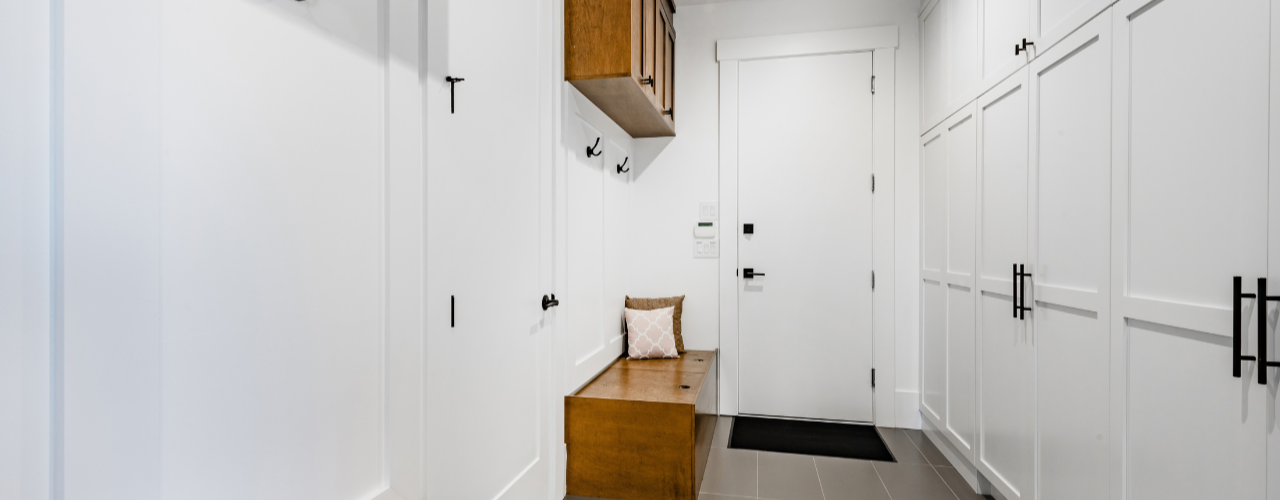
When you come home with muddy boots, an armful of bags and a coat you can’t wait to take off, it’s nice to have somewhere to put it all. With a mudroom, you can leave the outdoor mess at the door instead of carrying it through the house. Traditionally, you’d set aside a separate room, but you can just as easily use a hallway, an entryway closet, a laundry-room corner or a stretch of wall near the entrance.
Is Your Home Office Worth the Rent? What Coworking and Self Storage Could Save You
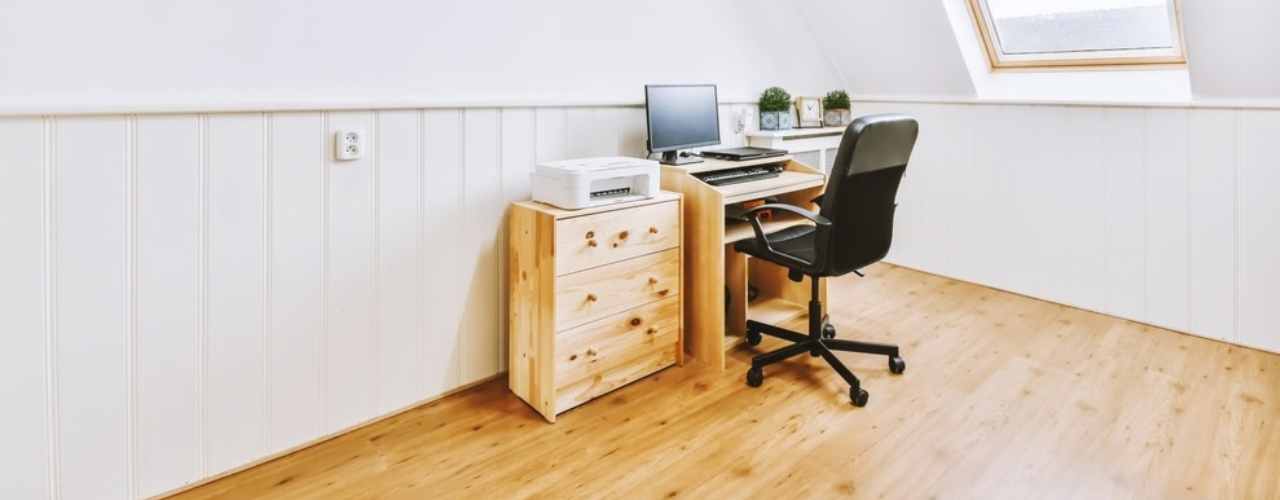
Every square foot of your apartment comes with a price tag, and a home office claims more of them than most renters expect. It starts with a desk. Then come the second monitor, the printer, the filing cabinet and the overflow boxes. Before long, the corner you set aside for work has turned into a small room you are paying for every month.

Best U.S. Cities to Live Uncluttered: Plano, TX, Offers the Most Room to Breathe
Clutter is in our homes as much as in our heads. Both are shaped by where we live.

America’s Top Snowbird Destinations for 2026–2027: Florida Leads in Numbers, Texas Wins on Value
For Americans living in colder states, the approach of winter is reason enough to start looking south. Cold weather carries costs that go beyond the heating bill and shoveling snow. Seasonal affective disorder(opens in new tab) is far more prevalent in northern states, so a temporary move south isn’t simply an escape from the cold, but a chance to spend the hardest stretch of winter outdoors and in the sun.

How Much Does Halloween Really Cost in 2026? Plan Wisely to Avoid the Scare of Hidden Costs
Americans’ love for Halloween is almost frightening — this year alone, we are on our way to spending $13.5 billion, according to data from the National Retail Federation(opens in new tab). That breaks down to about $115 Halloween costs per person, a whopping 49% more than 10 years ago.
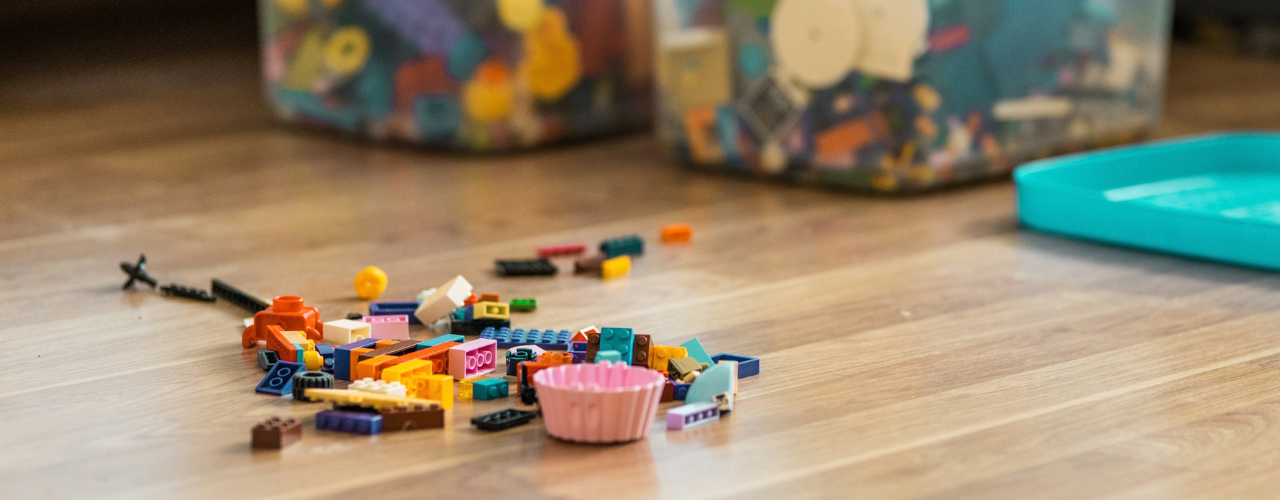
How to Store LEGOs: All the Fun, None of the Clutter
How to store LEGOs largely comes down to how your household uses them. If the bricks are part of everyday play, you need a setup that keeps them within easy reach and makes cleanup quick (for your feet’s sake, at least). Toy storage(opens in new tab) such as simple bins, playmats or containers that children can put away themselves may be enough. Larger or more serious collections usually need more organization, such as labelled drawers for loose pieces, trays for unfinished builds, shelves for completed models and separate storage for retired sets.

Cardboard Costume Guide: Tips and Ideas for a DIY Halloween
Whether for kids or adults, cardboard costume ideas often make the biggest splash once materialized, and that’s for a simple reason: doing a lot with a little is a universally impressive feat (especially in this economy). If you don’t have enough boxes you could temporarily repurpose, don’t worry! There are many places where you can find free moving boxes(opens in new tab), from stores and supermarkets to online groups and recycling drop-off spots. On the run? Try your luck at a self storage(opens in new tab) facility that sells moving supplies, often for cheap. This way, you can choose moving boxes of different shapes and sizes(opens in new tab), so you can make your costumes as complex as you want.

How to Celebrate Halloween: 9 Non-Spooky Ways To Enjoy It
As soon as October starts, it’s the official Halloween month. And while for many people it means it’s open season to get the scare of a lifetime, others, especially families with small children, might prefer to celebrate in a tamer way that’s both kid- and adult-friendly. While you’re likely to find more events where the spook factor is high, here’s how to celebrate Halloween in a not-so-scary way: