

Every year, 200,000 tons of clothing(opens in new tab) end up in NYC landfills. Yours doesn’t have to. Local mutual aid groups, free pickup services, mail-in programs and textile recycling: all of these are great ways to reroute your clothes to neighbors and causes that need them most. Here’s where to donate clothes in NYC, according to your plans.
Start with the official citywide resource: DonateNYC
Don’t know where to start? The NYC Department of Sanitation’s donateNYC(opens in new tab) platform is your master map. Search 1,100+ donation locations across the city by item type, location and organization. Whether you’re looking for clothing pickups, textile recycling, professional wear programs, or community organizations, donateNYC aggregates them all in one searchable directory.
You can filter by borough and neighborhood to find what’s closest and easiest for your situation. It’s free, comprehensive and updated regularly — a good first stop if you’re trying to figure out which option fits your needs.
When you want pickup from your apartment
Citywide clothing pickup services make donating easier by collecting bags directly from your building, which helps you declutter without hauling everything on the subway.
St Mary’s Clothing Drive
No interest in hauling bags on the subway? St Mary’s Clothing Drive(opens in new tab) offers free pickups across all five boroughs, so you can book a time and leave your bags ready to go. They accept new and used clothing — think everyday outfits, kids’ clothes, jackets — and distribute them to local families and neighbors in need. You can schedule online or call their office Monday through Friday from 7 a.m. to 5:30 p.m. and Saturday from 7 a.m. to 3:30 p.m.
All Of Us Clothing
All Of Us Clothing(opens in new tab) runs free donation pickups across Brooklyn, Manhattan (East and West Sides) and Queens on weekly routes. They accept clothing, footwear, coats and similar soft goods, then resell, donate, or recycle them, so more of what you give is diverted from landfill. There’s no minimum or maximum; you just bag or box items, book a slot and leave them in the agreed-upon spot for pickup.
If you want to ship a bag instead
Shipping‑based services turn closet clean‑outs into donations by letting you fill a bag or box at home, print a label and route items into resale, reuse, or textile recycling.
ThredUp Clean Out Kit & Donation
ThredUp(opens in new tab) is a good fit if your “donation pile” skews more like a closet clean‑out of gently used brands. They send you a Clean Out Kit (a big bag) or let you print a label so you can fill your own box with clothes, shoes and accessories, then ship it in. They list what meets their resale standards and route the rest into reuse or vetted textile recycling; if you choose the Donation option at checkout, ThredUp donates $5 per bag to a partner charity and unaccepted items are reused or recycled.
Happy Donations
With Happy Donations(opens in new tab), you box up the clothes, shoes and accessories you no longer wear, print a free prepaid UPS shipping label from their site and hand the box to a driver or drop it at any UPS location. Donations support U.S. veterans’ organizations and you get a tax‑deduction receipt once your items are processed, which makes this a good option if you’re decluttering at scale but don’t want to coordinate multiple in‑person trips.
Professional clothing: Help someone get interview‑ready
Donating professional outfits to workforce‑focused nonprofits helps women build interview‑ready wardrobes and access job coaching as they enter or re‑enter the workplace.
Bottomless Closet
If you’re editing your work wardrobe, Bottomless Closet(opens in new tab) is an especially good home for those pieces. This NYC nonprofit outfits women entering or re‑entering the workforce with professional clothing and styling, plus job‑readiness support. They focus on clean, current workwear — suits, blouses, slacks, dresses, blazers — as well as shoes, bags and jewelry, all used to build interview and first‑week‑on‑the‑job outfits.
Dress for Success
Dress for Success(opens in new tab) operates globally but has deep roots in New York, and their whole model is built around pairing professional attire with career support for women. Their guidelines are strict for a reason: they ask for nearly‑new, contemporary women’s career clothing only (suits, dresses, blazers, slacks, skirts, cardigans, work shoes, handbags and new sealed toiletries). They don’t accept menswear, casual wear, children’s items, or opened toiletries and corporate drives in NYC must use their Suits-to-Go pickup service, while individual donors follow local drop‑off schedules.
Textile recycling and “too worn to donate” items
If items are too worn to donate, NYC’s textile recycling programs keep clothing and linens out of landfill by turning them into rags, insulation and other useful materials.
Wearable Collections at Greenmarkets
Wearable Collections(opens in new tab) partners with GrowNYC to operate textile recycling drop-offs at select Greenmarkets across the city. You can bring clean, dry clothing, shoes, paired accessories, hats, handbags, belts and household linens for weekly collection. Items are sorted into reusable clothing, different textile grades and synthetics — then resold, donated to nonprofits, or processed into rags, insulation and fibers for other uses. Donations are tax deductible. Textile drop-offs run year-round at multiple Greenmarket locations; check Wearable Collections’ website at wearablecollections.com or call 646-515-4387 for current locations and hours, as schedules vary by market and season.
Nordstrom NYC Flagship
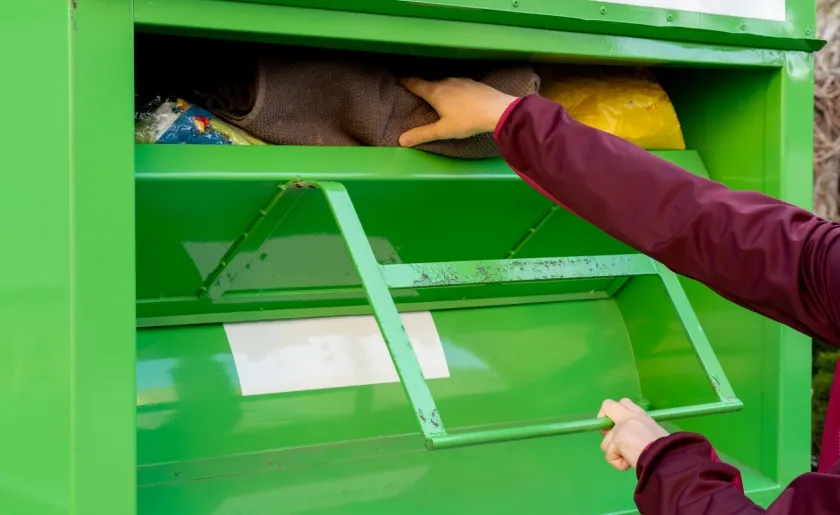
If you’re already in Midtown, the Nordstrom flagship has BEAUTYCYCLE(opens in new tab) collection bins throughout NYC, making it easy to drop a bag during a regular errand. Nordstrom has partnered with ThredUp and other resale/donation initiatives, so clothing placed in the box is typically channeled into reuse, resale, or textile recycling instead of landfill. Bring clean, gently‑used pieces you’d be comfortable handing to a friend and ask staff if you’re curious about the current partner program.
Keep it local: Mutual aid & smaller shelters
Local mutual aid groups and smaller shelters let your clothing go directly to neighbors and community members who need it most, often within your own ZIP code.
Mutual aid groups near you
If you like the idea of your clothes going straight to neighbors, start with mutual aid. These are volunteer‑run, neighborhood networks that redistribute clothing, household items and sometimes food directly to undocumented, disabled, or low‑income residents. The Mutual Aid NYC directory(opens in new tab) lets you search groups by area; once you find one, check their site or social channels for what they need right now and how to drop off or arrange a pickup.
Smaller shelters & pantries
New York’s official donateNYC(opens in new tab) directory is your best starting point if you’d rather plug into an existing shelter or pantry. It lists smaller shelters, community organizations and nonprofits that accept clothing and other goods, and you can filter by location and item type. Most will take everyday clothing, outerwear, shoes and sometimes linens, but it’s smart to call ahead — needs and drop‑off hours change with the season.
Campus‑based giving
Campus pantries and student‑run drives redistribute clothing and basics to students and nearby residents facing financial or housing insecurity.
Ford Hall Food Pantry and Clothes Closet (Columbia University)
If you’re uptown or connected to Columbia, Ford Hall’s Food Pantry and Clothes Closet(opens in new tab) combines clothing, housewares and food under one roof for local community members. Located between Broadway and Riverside, it offers clothing and household items alongside fresh food and dry goods during open hours — Monday, Wednesday and Thursday, 11 a.m. through 2 p.m. — and you can call (212) 854‑1492 to check current needs before you donate.
NYU & Lower Manhattan campus drives
Around NYU(opens in new tab) and other downtown campuses, clothing donations often move through student‑run drives and campus‑affiliated centers rather than permanent closets, but they’re worth watching if you live or work nearby. These drives typically focus on seasonal items — coats, basics for students facing housing or financial insecurity and sometimes professional wear for internship‑bound undergrads — and are promoted through campus email lists, flyers and student organizations. If you’re in the area, keeping an eye on university newsletters or student‑affairs pages is an easy way to plug surplus clothing into short, high-impact campaigns that serve students and nearby residents at the same time.
When self storage helps you with timing and space
Now that you know where to donate your clothes in NYC, you may still have one lingering question left: are all those clothes better off in the donation box? If there are certain items you’d like to keep but don’t use enough to justify taking up space, that’s where self storage(opens in new tab) can make a real difference.
Renting a small storage unit in New York City(opens in new tab) gives you the flexibility to create a dedicated “donation staging area,” where you can sort items by clothing category(opens in new tab) (shoes(opens in new tab), seasonal clothing(opens in new tab), fabric(opens in new tab)) and store them safely until you find time to decide what should stay and what should go. Opting for climate control(opens in new tab) is especially useful in NYC, where humidity and temperature swings can damage clothes like sweaters(opens in new tab) over time, which helps your items stay in good condition for donation.
Cost-wise, where you rent matters: a storage unit in the Bronx(opens in new tab) will typically have better deals and be far more affordable than one in Manhattan(opens in new tab), making it a practical solution for budget-conscious residents who still want convenient access.
Using self storage this way helps keep your apartment clutter-free while giving you the time and flexibility to donate thoughtfully — so more of your clothing gets reused or recycled instead of ending up in the trash.
Bottom line
Whether it’s a low-income family needing affordable basics, a woman reentering the workforce looking for interview wear, or an undocumented resident accessing free community support, someone is bound to appreciate those perfectly fine clothes you don’t feel like wearing anymore.
You can donate in whatever way fits your life — local mutual aid, pickups, shipping, campus drives, or textile recycling — and each route helps NYC cut down on thousands of tons of clothing and accessories sent to landfill every year while getting your pieces into the hands of neighbors who can use them. Plus, you’ll be part of NYC’s tradition of mutual aid going back to the tenement days(opens in new tab).
Clothes donations in NYC: FAQ
Where can I donate clothes in NYC for free pickup?
Several services offer free pickup across the five boroughs. St Mary’s Clothing Drive picks up in all five boroughs and takes new and used clothing. All Of Us Clothing runs weekly pickup routes across Brooklyn, Manhattan and Queens, accepting clothing, footwear and coats with no minimum or maximum.
What’s the best way to donate professional or work clothing?
Bottomless Closet outfits women entering or re-entering the workforce with professional clothing plus styling and job-readiness support. Dress for Success accepts nearly-new women’s career wear only and pairs it with career support. Note that Dress for Success does not accept menswear, casual wear, or children’s items.
Can I donate clothes by mail in NYC?
Yes. ThredUp sends a Clean Out Kit or lets you print a label to ship gently used clothing, shoes and accessories; choosing the Donation option sends $5 per bag to a partner charity. Happy Donations provides a free prepaid UPS label, supports U.S. veterans’ organizations and gives you a tax-deduction receipt.
What should I do with clothes that are too worn to donate?
Use textile recycling. Wearable Collections operates drop-offs at select Greenmarkets through its GrowNYC partnership, accepting clean, dry clothing, shoes, accessories and linens that get sorted into reusable items, textile grades and synthetics. Nordstrom’s NYC flagship also has collection bins that channel items into reuse, resale, or recycling.
How do I find donation locations near me?
Start with donateNYC, the NYC Department of Sanitation’s platform, which lets you search 1,100+ locations by item type, location and organization. You can filter by borough and neighborhood. For clothing that goes directly to neighbors, the Mutual Aid NYC directory lets you search volunteer-run groups by area.
Are clothing donations tax deductible in NYC?
Some are. Wearable Collections donations are tax deductible and Happy Donations provides a tax-deduction receipt once items are processed. Policies vary by organization, so confirm with the specific group before donating.
Should I call ahead before donating to a shelter or pantry?
Yes. Smaller shelters and pantries change their needs and drop-off hours with the season, so calling ahead is recommended. Campus programs like Columbia’s Ford Hall Food Pantry and Clothes Closet have specific open hours (Monday, Wednesday and Thursday, 11 a.m.–2 p.m.), so it’s worth confirming current needs first.


Scary Good DIY Halloween Decorations That Won’t Haunt Your Wallet
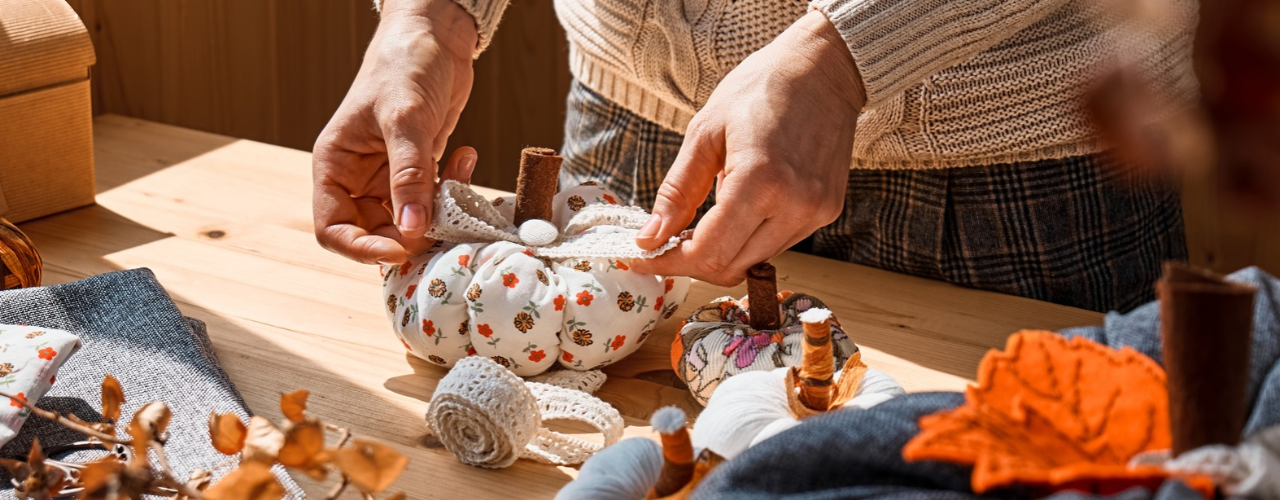
A few floating candles in the hallway, a family of ghosts by the front door and a suspicious number of bats climbing up the bedroom wall can make October feel a whole lot spookier. While Halloween stores are full of tempting finds, some of the best DIY Halloween decorations can come from things you already have tucked away in drawers, closets or the recycling bin.
Suburban Giants and Urban Risers: Where America’s 100 Largest Metros Fall on the Self Storage Map
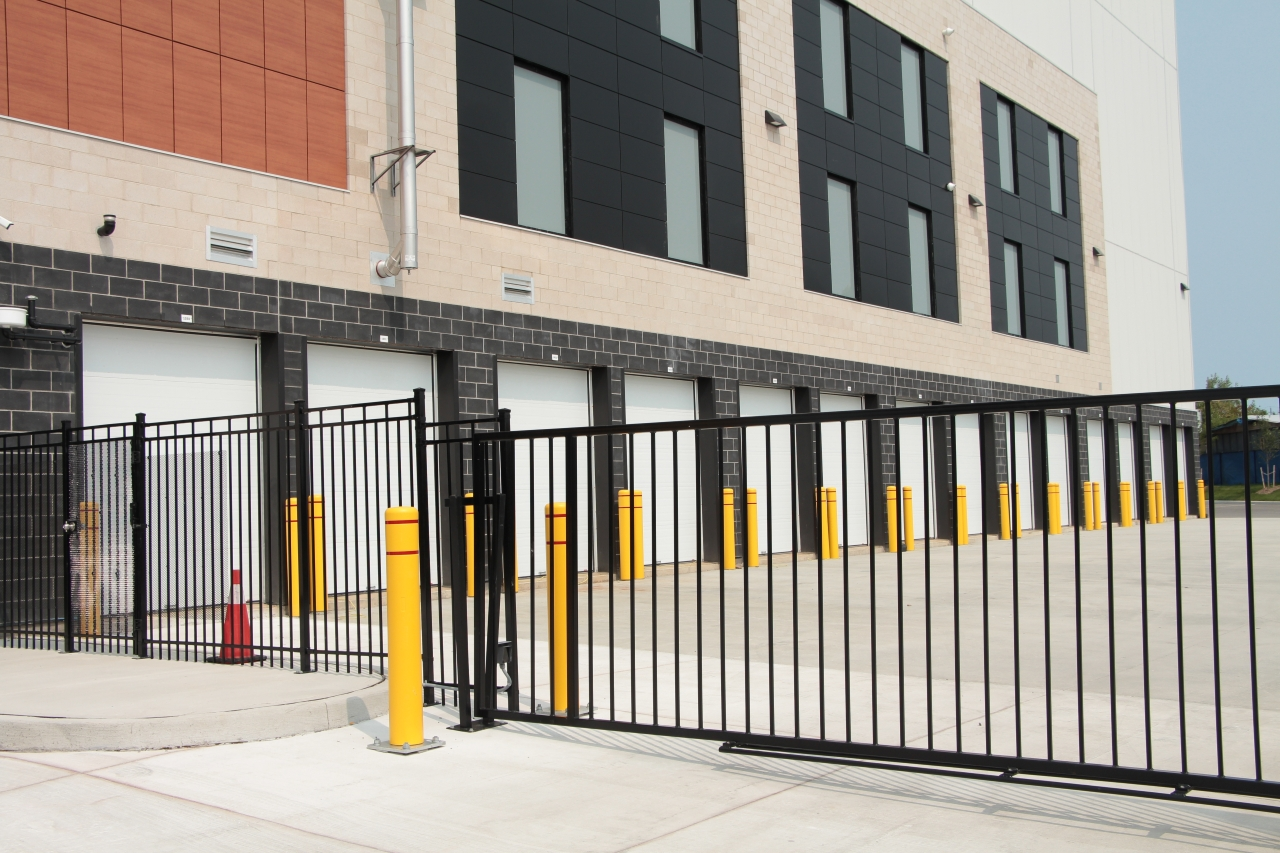
Self storage has long been a suburban story. Across America largest 100 metros, 59% of the inventory built over the past decade sits outside city cores, largely preserving the ratio of the total existing inventory.
Sweatshirt Storage Ideas Worth Keeping Up Your Sleeve
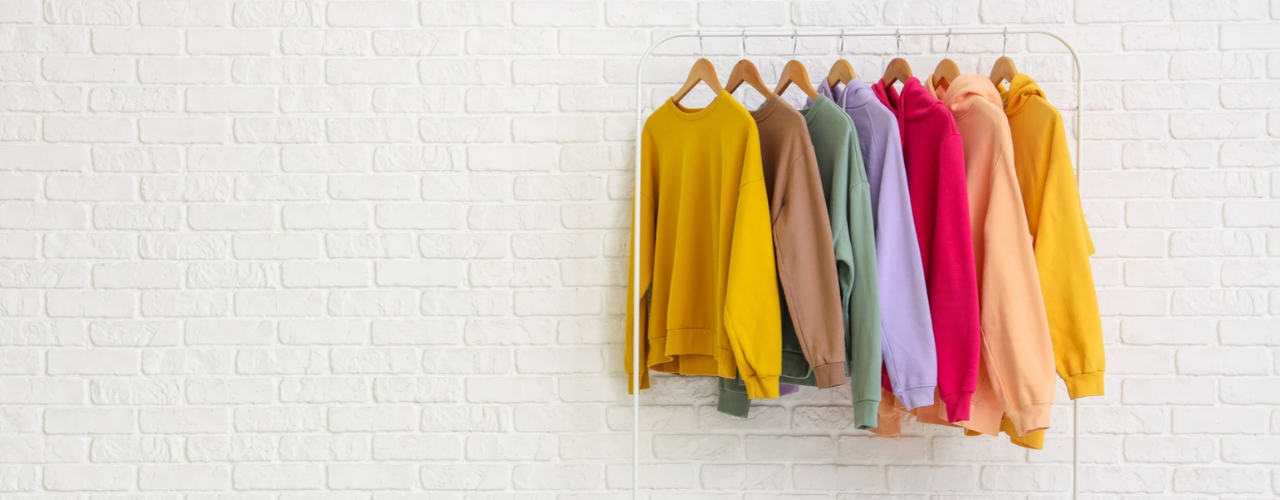
Sweatshirts are great until you realize how much room they take up. A few thick hoodies can fill a drawer fast, with lighter crewnecks getting squashed underneath or pushed somewhere you forget about. Good sweatshirt storage can make that pile much easier to manage without requiring a bigger closet.

Living Room Storage Ideas: 28 Ways to Reclaim Your Hosting Space
If a living room is where most of a household’s living happens, good storage should be the top priority for setting up or revamping the place. After all, think of how easier it would be to have people over when tidying up the place is just a matter of putting things in their right place (in a time when fewer and fewer people are entertaining friends at home(opens in new tab)). The trick is making room for all those wayward clothes, blankets, chargers and other small things that end up on (or, inexplicably, in) the sofa. Here are 28 living room storage ideas to get you started and make tidying up a quick affair.
25 Mudroom Storage Ideas (And Mistakes to Avoid)
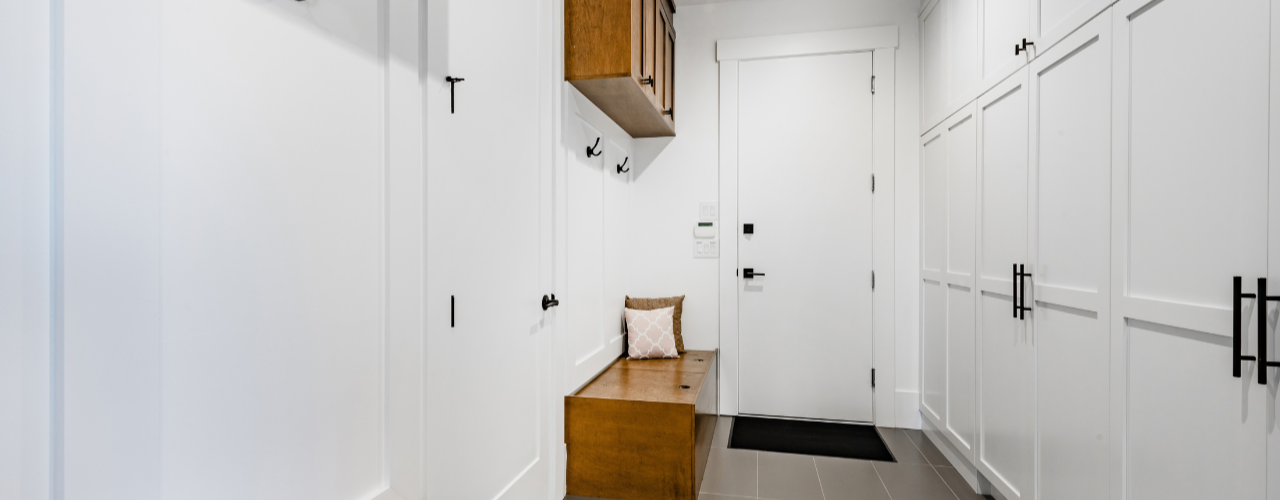
When you come home with muddy boots, an armful of bags and a coat you can’t wait to take off, it’s nice to have somewhere to put it all. With a mudroom, you can leave the outdoor mess at the door instead of carrying it through the house. Traditionally, you’d set aside a separate room, but you can just as easily use a hallway, an entryway closet, a laundry-room corner or a stretch of wall near the entrance.

Is Your Home Office Worth the Rent? What Coworking and Self Storage Could Save You
Every square foot of your apartment comes with a price tag, and a home office claims more of them than most renters expect. It starts with a desk. Then come the second monitor, the printer, the filing cabinet and the overflow boxes. Before long, the corner you set aside for work has turned into a small room you are paying for every month.

Best U.S. Cities to Live Uncluttered: Plano, TX, Offers the Most Room to Breathe
Clutter is in our homes as much as in our heads. Both are shaped by where we live.

America’s Top Snowbird Destinations for 2026–2027: Florida Leads in Numbers, Texas Wins on Value
For Americans living in colder states, the approach of winter is reason enough to start looking south. Cold weather carries costs that go beyond the heating bill and shoveling snow. Seasonal affective disorder(opens in new tab) is far more prevalent in northern states, so a temporary move south isn’t simply an escape from the cold, but a chance to spend the hardest stretch of winter outdoors and in the sun.

How Much Does Halloween Really Cost in 2026? Plan Wisely to Avoid the Scare of Hidden Costs
Americans’ love for Halloween is almost frightening — this year alone, we are on our way to spending $13.5 billion, according to data from the National Retail Federation(opens in new tab). That breaks down to about $115 Halloween costs per person, a whopping 49% more than 10 years ago.