
Moving From a House to an Apartment: What to Expect, How to Downsize & How Self Storage Helps

For some, moving from a house to an apartment is a financial decision. For others, it’s about simplifying life. Maybe the kids have moved out and half the house sits empty, or you’re approaching retirement and no longer want to spend weekends on repairs. Or perhaps you’ve been weighing the cost of buying a home and wondering whether renting simply makes more sense right now.
Whatever the reasons, moving from a house to an apartment is about much more than giving up square footage. A house offers space, privacy and the chance to build equity if you’re the homeowner, but it also comes with ongoing expenses and responsibilities.
Apartment living often means fewer maintenance headaches, more predictable monthly costs and, as one downsizer put it, a true “lock and go lifestyle” that lets you leave without worrying about what’s happening back home.
Buying a house vs. renting an apartment: Pros & cons
Higher home prices, elevated mortgage rates and rising insurance costs have made the buy-vs.-rent decision far more nuanced than it once was. Buying makes sense in many markets(opens in new tab) across the country, but renting can be a smart financial choice for many, depending on your plans and how long you expect to stay in one place.
- The mortgage isn’t your only expense
Homeowners also budget for property taxes, insurance, maintenance and, in some cases, HOA fees. The maintenance budget is especially easy to underestimate: roof repairs, plumbing issues and HVAC servicing don’t happen every month, but they happen to almost everyone. Apartment living offers a much more predictable picture: your rent is your biggest housing expense, while major repairs remain the landlord’s responsibility.
- The equity builds over time
Each mortgage payment gradually builds equity, and rising property values can make a home one of your biggest financial assets over time. You have full control over your space — renovate, paint, landscape — without asking anyone’s permission. For families who plan to stay put, buying also brings stability: no lease renewals, no rent increases and no risk of a landlord deciding to sell.
- Flexibility: what renting gives you that owning doesn’t
Renting makes it easier to move for a job, get closer to family or simply change neighborhoods without having to sell a property first. Monthly costs are more predictable — major repairs stay the landlord’s responsibility — and there’s no large down payment tying up capital that could be invested elsewhere.
- The drawbacks of renting
Rent payments build no equity. You’re subject to annual increases, and in competitive markets those increases can be significant. There’s also less control over your living space — many landlords restrict renovations, pets or even paint colors. And while flexibility is an advantage early on, long-term renters in rising markets can find themselves priced out of neighborhoods they’ve lived in for years, with nothing to show for years of payments.
House vs. apartment: A quick comparison

Neither lifestyle is universally better. A house gives you room to grow and offers space for hobbies and guests, and usually a backyard. An apartment is built around efficiency: less to clean, less to repair, fewer surprise expenses and more of your time returned to you.
Here’s how the two compare across the factors that matter most:
- Monthly costs: Apartments are typically lower and more predictable; houses carry mortgage, taxes, insurance and maintenance.
- Maintenance: Apartment upkeep is the landlord’s responsibility; house maintenance falls on you.
- Storage & space: Houses offer significantly more room; apartments require deliberate use of space.
- Privacy: Houses offer more separation from neighbors; apartments involve shared walls and common areas.
- Amenities: Many apartment communities include gyms, pools and package lockers; houses offer only what you add yourself.
- Flexibility: Leases are easier to exit than a mortgage, supporting shorter time horizons and lifestyle changes.
- Time commitment: Houses require ongoing upkeep; apartments free up considerably more of your schedule.
Renting a house vs. renting an apartment
If you’re already renting, the pattern is similar. Rental houses offer more privacy and space but usually come with higher costs and responsibility for lawn care. Apartments trade space for convenience, predictable expenses and amenities. For renters who value simplicity, that’s often the more practical choice.
Why people are choosing apartments later in life
For empty nesters, retirees and frequent travelers, apartment living tends to solve a specific set of problems. The home that fit a full household can feel like too much to maintain once the kids are gone. As Julia Mathers, a marketing and finance executive with Pasha Funding(opens in new tab) who made the switch, puts it: “Everything is now at my fingertips; this makes everyday tasks far easier.”
What to expect when moving from a house to an apartment
Adjusting to apartment life takes a few weeks, but most people find the transition smoother than they expected. The bigger surprises tend to be the good kind, such as lower bills, free weekends and a home that more or less takes care of itself.
Your weekends will look completely different. Owning a house often comes with a never-ending maintenance list: mowing the lawn, staining the deck, unclogging the gutters. Apartment living changes that rhythm entirely. Adam New, a real estate professional and owner of the The Cash Offer Company(opens in new tab) downsized a while ago, and, as he describes it, the result is a life unencumbered by constant (and at times stressful) repairs: “It’s been an incredible sense of freedom; far beyond anything I could have anticipated. This is mainly due to the zero-maintenance aspect on the outside and the predictable cost savings associated with it. This advantage alone outweighs any slight reduction in interior square footage.”, he explains.
You’ll discover how much “just in case” stuff you own. One of the hidden realities of house living is that there’s almost always somewhere to put things. Holiday decorations deposited in the attic and accumulated over years, while most of the garage is being taken up by tools and sports equipment. Moving from a house to an apartment forces people to make decisions about all of it, and many find that surprisingly liberating.
Utility bills shrink. Heating and cooling a large house isn’t cheap. A smaller apartment naturally uses less energy, which often translates into noticeably lower utility bills. Depending on the building, some utilities may even be included in rent.
How to downsize from a house to an apartment
The biggest mistake people make when moving from a house to an apartment is treating it like any other move. You can’t keep every piece of furniture and every “I’ll keep it just in case” item, so downsizing is a must.
Start with the apartment, not your current home. Measure each room, note where large furniture will go and pay close attention how much storage you’ll actually have in your apartment. Once you know what you can realistically accommodate, it’s much easier to decide what deserves to come with you.
Edit first, pack second. Think of downsizing as editing rather than getting rid of things. Sort everything into five categories: keep (things you use regularly or genuinely love), sell, donate, recycle or dispose of, and store.
Keith Sant, founder and CEO of Kind House Buyers(opens in new tab), took a deliberately minimal approach to his own downsize. “I felt that downsizing required a ruthless way of dealing with the excess of my stuff. I went totally for the minimalistic philosophy by only keeping the things that were absolutely essential to me. Everything else I either sold online, gave to charity in our area or gifted to friends”.
Tackle the biggest pieces first. Large sectionals, oversized dining tables and king-size bedroom sets can dictate the layout of an apartment before you’ve unpacked a single box. Selling or donating bulky furniture before moving day also saves money on movers.
Go room by room. The garage, basement and attic often contain the easiest decisions, with items that haven’t been touched in years. Kitchens come next, where duplicate cookware and small appliances accumulate. Arsen Misakyan of LAXcar(opens in new tab), who downsized from a single-family house in Los Angeles’s La Crescenta to an apartment in Glendale after seven years of living in the former, offers practical advice: “My tip to anyone who is going to move is: make sure to measure every door, closet, and room before moving and start getting rid of things at least two months in advance.”
What to do with the extra stuff that doesn’t fit in your apartment

A few categories consistently create problems when moving into an apartment: oversized furniture, garage and yard equipment, duplicate kitchen items and seasonal decorations. One or two boxes of holiday favorites is reasonable; a full closet devoted to decorations used a few weeks a year is worth reconsidering.
Not every decision has to be permanent. A self storage unit can bridge the gap between what you own and what your apartment can hold, giving you time to settle in before making final calls on things you’re not sure about. Scott Brown, Mintwit(opens in new tab) founder, recommends being strategic: rent storage space only for items that have genuine monetary or emotional worth.
Choose the right storage unit size. Unit sizes are measured in square feet, and picking the right one saves money. Here’s a quick guide for typical downsizing scenarios:
- 5×5 unit(opens in new tab) (25 sq ft): Good for boxes, small furniture and seasonal items like holiday decorations or sports gear. About the size of a large closet.
- 5×10 unit(opens in new tab) (50 sq ft): Fits the contents of a small bedroom: mattress set, dresser, boxes of clothing and some lamps. A popular choice for apartment dwellers storing occasional-use items.
- 10×10 unit(opens in new tab) (100 sq ft): Handles the contents of two to three rooms, including larger furniture pieces like a sofa, dining table or multiple bedroom sets.
- 10×15 unit(opens in new tab) or larger: Best reserved for full household contents if there’s a gap between your move-out and move-in dates, or if you’re storing items from an entire floor of a home.
Most downsizers moving from a house to an apartment find a 5×10 or 10×10 unit covers what they need.
What’s worth putting in self storage
Storage works best for items that are genuinely useful but don’t belong in an apartment: seasonal gear (skis, bikes, camping equipment), a few pieces of good furniture you’re not ready to part with, family heirlooms, archive boxes and holiday decorations. It’s a poor fit for anything you access daily, furniture you’ll realistically never use again or items that could be sold or donated without regret.
Climate control(opens in new tab) matters in some situations. A standard unit is fine for most household goods. Choose a climate-controlled unit (one that maintains consistent temperature and humidity) if you’re storing wood furniture(opens in new tab), artwork(opens in new tab), photographs(opens in new tab), electronics(opens in new tab), wine(opens in new tab), musical instruments or anything sensitive to heat and moisture. Climate-controlled units are slightly more expensive than standard units, so it’s worth being selective about what goes in.
Cost and timing. Self storage typically runs $50–$250 per month depending on unit size, location and features. Prices are often higher in urban areas and lower in suburban or rural markets. Many facilities offer the first month free or at a discount, which is useful if your storage need is primarily a moving buffer. To keep costs manageable, set a specific review date (three to six months after your move) to reassess what’s in the unit. Items that haven’t been retrieved by then are strong candidates for donation or sale.
The honest upsides: What downsizers don’t expect to gain
The practical benefits, such as lower bills, less maintenance, more convenience, are easy to anticipate. But there are other benefits as well that most people don’t expect and experience once they make the switch.
A smaller home often feels calmer. When every item has a purpose, it’s easier to keep your home tidy. You spend less time looking for things and cleaning around things and more time doing fun things or simply resting.
The mental load shrinks. Many people are surprised by how much mental space opens up once they’re no longer managing a larger home. A house’s to-do list is never really finished. Apartment living shifts that responsibility elsewhere — and for many people the result is “an abundance of freedom” that far exceeds what they anticipated.
Leaving home gets easier. For retirees and frequent travelers especially, one of the biggest perks has nothing to do with the apartment itself. Instead of arranging for someone to mow the lawn or keep an eye on the property, you lock the door and leave. That peace of mind is one of the most consistently cited advantages among people who’ve made the switch.
Frequently Asked Questions
Is moving from a house to an apartment worth it?
For many people, yes. Downsizing can reduce housing costs, eliminate most maintenance responsibilities and free up both time and money. Whether it’s worth it depends on your priorities, financial situation and how much space you actually use.
How much should I downsize before moving?
Aim to move only items you know you’ll use and that comfortably fit your new space. Starting with furniture and large belongings makes the biggest difference.
How long does it take to downsize a house?
Most people benefit from starting at least six to eight weeks before moving day — earlier if you have decades of belongings to sort through.
What’s the hardest part of moving from a house to an apartment?
For most people, it’s deciding what not to bring. Letting go of belongings that carry memories can be emotionally challenging — but most downsizers find that once they’ve settled in, they appreciate the simplicity that comes with owning less.



Moving From a House to an Apartment: What to Expect, How to Downsize & How Self Storage Helps
For some, moving from a house to an apartment is a financial decision. For others, it’s about simplifying life. Maybe the kids have moved out and half the house sits empty, or you’re approaching retirement and no longer want to spend weekends on repairs. Or perhaps you’ve been weighing the cost of buying a home and wondering whether renting simply makes more sense right now.

Family Heirlooms Overload: How to Handle Family Inheritance Without Regret
Handling family heirlooms after a loss requires managing legal authority, emotional pressure and practical logistics at the same time, and the order you take them on matters more than most people expect.
Blanket Storage: The Right Method for Every Space and Season
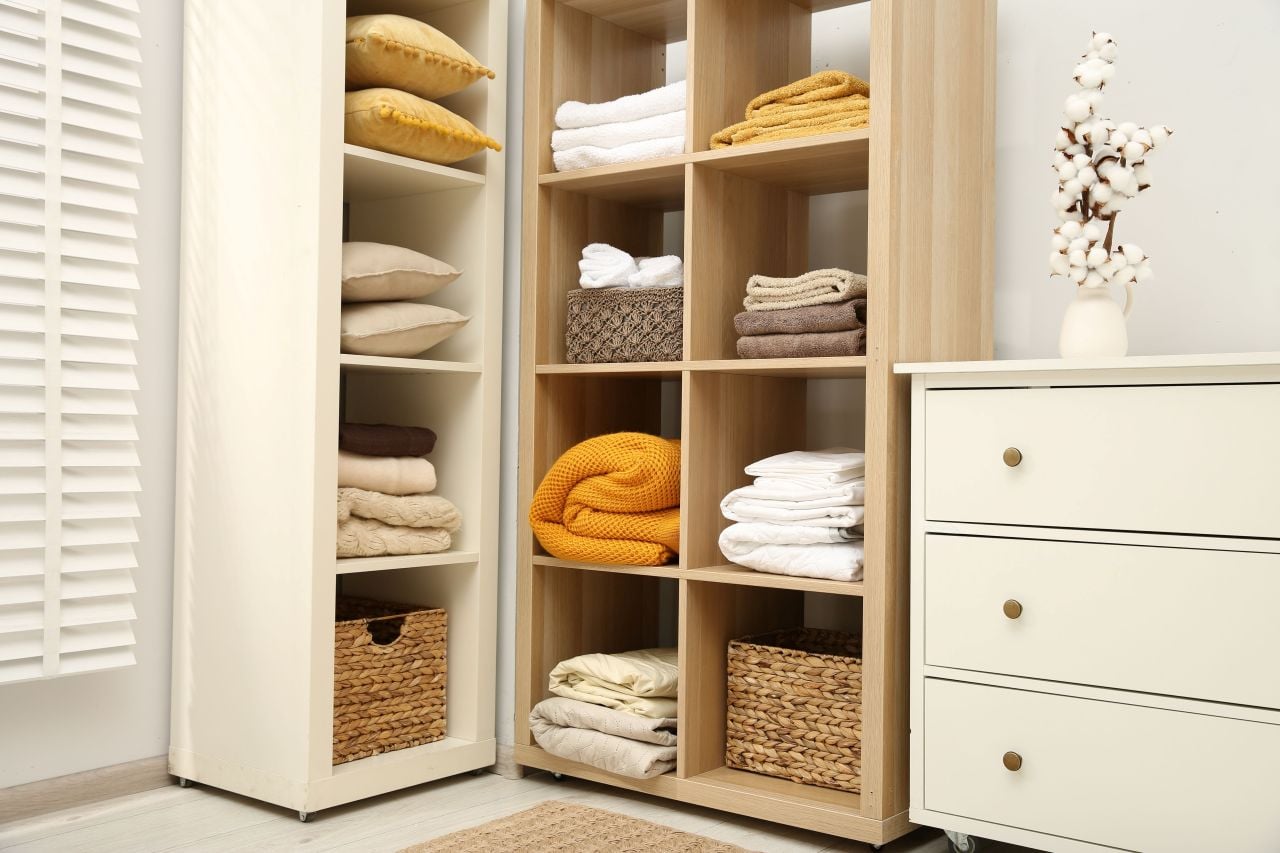
Blankets make our lives cozier, and storing them well is what keeps them soft and comfortable in the long run. Knowing how to store a blanket properly means your favorites come out of storage smelling fresh, feeling the same as when they went in, and lasting years longer than they otherwise would.

Board Game Storage Ideas That Keep Your Collection in Fighting Shape
Nobody warns you that getting into board games usually unlocks a second hobby, the much dreaded one that includes figuring out where on earth to put them. One game becomes a few, expansions start spawning beside their base boxes and before long, board game storage requires as much strategy as whatever is waiting on the other side of those lids.

Storage Locker vs. Storage Unit: What’s the Difference?
A locker and a unit may sound like two names for the same four walls and a lock, and depending on the storage facility, you may even see the terms used that way. However, once you start comparing available spaces, storage lockers tend to occupy the smaller end of the spectrum, while storage units(opens in new tab) give you considerably more room to work with.

Storage Ideas for Small Spaces: 9 Ways to Max Out Your Home
A messy home contains the seeds of its organization. Those seeds are everywhere: the space above doors, under beds, behind sofas and inside furniture can all become storage. Here are the best storage ideas for small spaces, so you can make the most of your cozy home.

Best U.S. Cities to Live Uncluttered: Plano, TX, Offers the Most Room to Breathe
Clutter is in our homes as much as in our heads. Both are shaped by where we live.
How to Organize Your Bathroom: 8 Ways to Stay Tidy
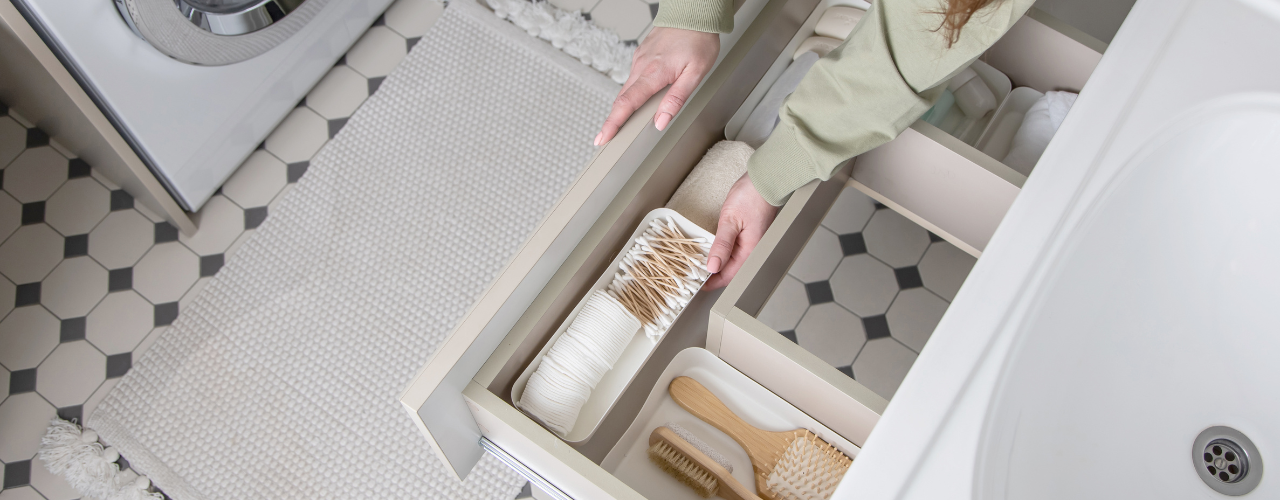
You already know why an organized bathroom is worth the effort, but let us remind you: it makes rushed mornings easier, keeps counters cleaner and just helps get you in the mood to go through your skincare routine like you should. Plus, in bigger households, it helps everyone find what they need. And you know how much a tidy bathroom counts for your self-esteem when a guest or a partner shows up. Luckily, you don’t need a degree to know how to organize your bathroom. The secret is keeping less, giving every item a home and making that home simple to use. Let’s go through some practical steps can help you create a bathroom that stays functional and nice to look at.

How to Use Silica Gel Packets for Storage
Moisture can cause significant damage to items in storage, leading to rust on tools, mold on clothing and warping in documents. Silica gel uses science to fix that. Often found in small packets inside product packaging, silica gel is a desiccant that absorbs moisture from the air, keeping your stored items dry and protected. This guide explains what silica gel is, how it works and how you can use it to preserve your belongings in self storage.