

Your hall closet works best when you can grab anything quickly and put it back just as fast. These 30 ideas walk you through planning, deciding where things go, deep shelves, coats and shoes, containers, extra space and upkeep, plus what you can do when your closet still runs out of room.
Plan your closet
1. Decide how you use your closet
“Hall closet” tells you where your closet is rather than what it does. You may be using one closet to store several types of things at once, and once you name those categories, you know what setup you need.
2. Empty it completely, then clear out what you don’t use
Take everything out so you can see what you own and how much space you have. Sort each item into keep, donate and toss piles, and decide without overthinking(opens in new tab), so you save your energy for the whole closet.
You can start with the obvious suspects: empty boxes, expired medicine, broken items and duplicates. You’ll likely find more umbrellas, reusable bags and spare phone chargers than you need.
3. Put things back where they belong
As you sort, ask yourself whether each type of item belongs in this closet. You can take hobby supplies, gift wrap and things from a specific room back to that room, your basement or your garage (still, check if they are safe there or not(opens in new tab)).
We recommend keeping your keepsakes, photographs(opens in new tab) and documents(opens in new tab) elsewhere too, since a closet near an outside door can get warmer, colder and damper than the rest of your house. After all, your hall closet is one of the most convenient spots in your home, so save it for the things you use often.
4. Measure your shelves and your doorway separately
This step helps you avoid the most common mistake: buying bins that fit your shelf but not through your door. Write down these five measurements and take them with you when you shop:
Decide where you’ll put your things
5. Keep your everyday items in the closet space between your waist and shoulders
This is the easiest space for you to reach, so use it for the things you grab daily or weekly: your current jackets, your dog’s leash and a small bin of the cleaning sprays and cloths you use most. Put everything else in a less convenient spot.
6. Store heavy things low and light things high
Put your heavy items, like hand weights or backup bottles of cleaning products, on the floor or the bottom shelf, where you can slide them out instead of lifting them.
To make things easier for yourself, keep your everyday cleaning bin from idea 5 light enough to lift with one hand, and store your heavy refills down low. Place lighter items higher up, where a little reaching is easy for you.
7. Save your top shelf for things you use only now and then
Your top shelf is the hardest spot to reach, so use it for things you need a few times a year, such as winter hats in summer, spare paper towels, luggage, holiday tablecloths and decorations(opens in new tab) or board games(opens in new tab).
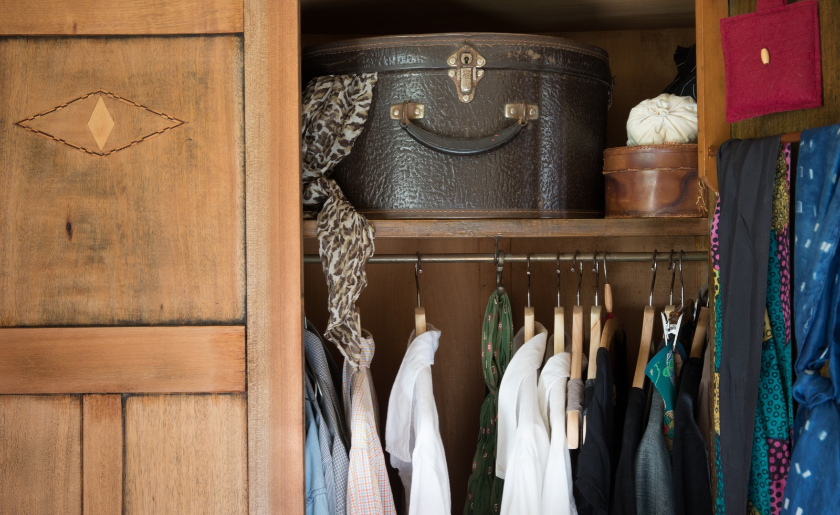
Leave some of that space open so you can slide bins in and out and keep a sturdy step stool(opens in new tab) nearby so you can reach safely instead of climbing on lower shelves or bins.
8. Give your vacuum and cleaning tools their own spot on the floor
Your vacuum, broom and mop are often the hardest things to fit, and when they lean against whatever has room, they block everything else you need. Give your vacuum its own spot at the front of the floor, near the door, so you can roll it out without moving anything and make sure to secure it properly, so as to avoid it falling and breaking one of its small plastic parts.
Keep the rest of your tools upright and together:
- Clip(opens in new tab) your brooms, mops and dusters to the side wall with spring-loaded clips
- Store your vacuum attachments in one small bin or a bag hung on the vacuum
- Mount a wall charger(opens in new tab) for your cordless vacuum and run the cord through a small hole in the back of a shelf
If you rent, you can use stick-on clips and a freestanding vacuum stand to hold your tools upright with no drilling. Check your lease before you make holes in walls or shelves.
Make the most of deep shelves
9. Use long bins as pull-out drawers
Deep shelves hide whatever sits at the back and reaching it means you move everything in front. Long, narrow bins that run from the front of the shelf to the back solve this: you pull out the whole bin, take what you need and slide it back. Still, before you buy, make sure the bin fits through your door as well as on your shelf.
10. Pair a back bin with a front bin
When a long bin won’t fit your shelf, put things you rarely use in a bin at the back and an everyday bin in front of it. That way you move one bin now and then instead of shuffling everything each time you need something.
11. Choose pull-out shelves if you own, baskets if you rent
Sliding pull-out shelves make your deep closet easy to use, but they’re screwed in place. If you rent, it may be smart to invest in sturdy baskets instead, since you can easily move them with you on your next relocation.
Organize coats and shoes
12. Add hooks for the jackets you wear every day
Hooks are faster than hangers, so you and your family use them. If your jackets keep landing on the floor or a nearby chair, a row of hooks along your closet walls can build the habit better than extra hangers. To make things easier for everyone, keep one or two jackets per person on the hooks so your closet stays clear.
13. Hang everything else from longest to shortest
Use your rod for heavier coats and the ones you wear less often, and hang them on matching sturdy wooden hangers so they keep their shape. When you arrange your coats(opens in new tab) from longest to shortest, you open up floor space beneath the shorter ones, which gives you room for a shoe rack or bins.
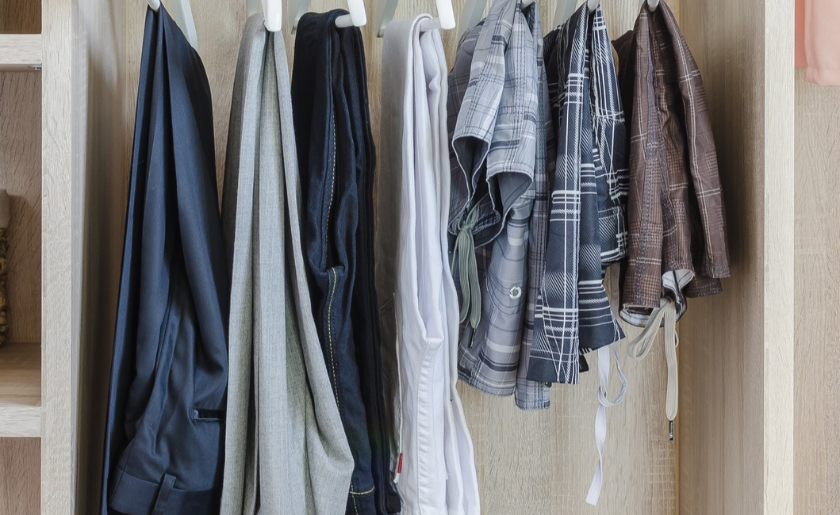
14. Add a lower rod your kids can reach
When your children can reach the rod, you are less likely to find stray jackets on the floor. Add an adjustable hanging rod(opens in new tab) that doubles the current one, lower rod to let them hang their own coats inside the closet and thus make your setup last. If you rent, try a spring rod that presses between the walls and needs no screws.
15. Keep only this week’s shoes by your door
Keep the shoes you wear this week near your door, plus your rain or snow boots when you need them. The rest, put it all back in your bedroom closets or in bins you swap out by season. When you only keep the shoes you wear, you free up more floor space than a new shoe organizer gives you.
16. Pick the shoe rack that fits your closet
The right shoe rack depends on how much floor space you have and how you use it:
- Go for a stackable rack with two or three levels if you want to kep it simple. Flat shelves hold boots and heavy shoes steady, and you can add a level when you need more room.
- Go for a slanted rack that holds shoes at an angle if you want you see every pair at a glance and want the rack to take up less depth. Keep tall boots on a flat shelf, since they tip over on a slant.
- Get a tilt-out shoe cabinet if you want to store shoes upright in flip-down drawers. It’s only 6 to 9 inches deep and fits in a shallow closet or right beside the door, so you can anchor it to the wall. Still, check that large sneakers and boots fit before you buy.
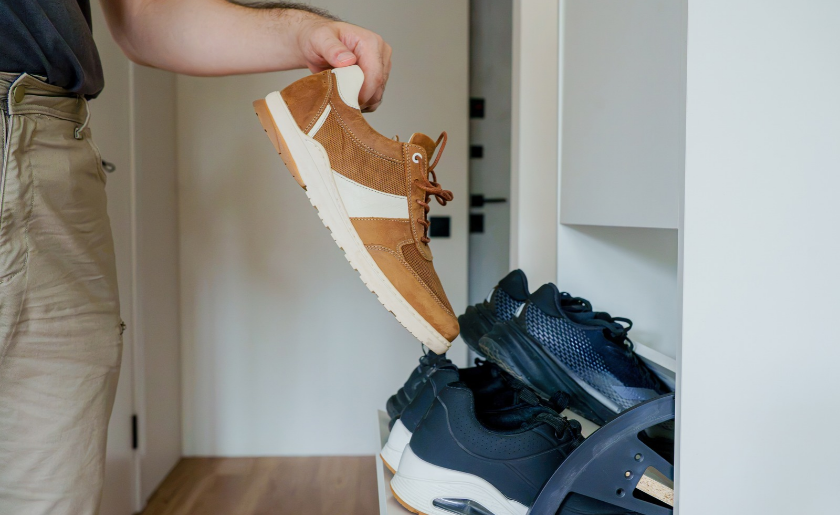
Whatever you choose, put your shoe storage under short jackets rather than long coats, and take out any low shelf that blocks your floor. For more options, see these ideas on how to store shoes based on your habits(opens in new tab).
Choose the right containers
17. Try your setup for a week before you buy containers
Before you spend money on a full set of bins, see how you handle your new setup for a week just with boxes and baskets you already own. Treat it as an experiment and watch where your things end up. If your coats keep landing on the floor or a chair, add hooks. If your shoes pile up, try bins. If your family keeps shoving things onto whatever shelf has room, make your groups broader. Once you know what works for your household, you know exactly which containers to buy.
18. Mix clear and solid-colored containers
Clear bins or grid baskets let you see what’s inside without opening them, which is ideal for supplies you hunt for often. Solid-colored bins, including fabric ones, hide the jumble of small items and make your closet feel calmer, while some boxes come in sleek pattern that can go well with your decor while taking less out of your budget.
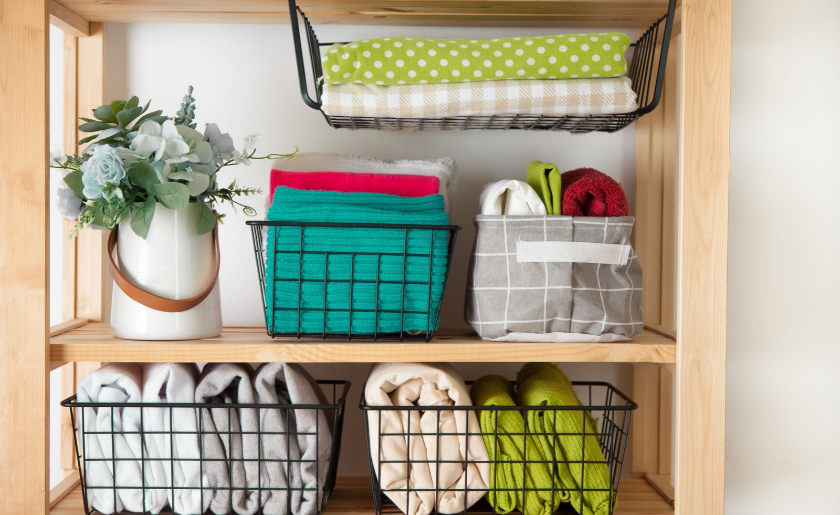
Your hall closet works best with some of each.
19. Use fabric-lined bins for your winter hats, gloves and scarves
Bare woven baskets look lovely but can snag your knit hats(opens in new tab), gloves and scarves. Choose fabric bins, wool baskets or woven baskets with a fabric lining to protect them.
20. Bring home a few options, then return the extras
After your trial week shows you what you need, pick up bins in a few sizes and styles from a store with easy returns. You make better choices when you try them in your own closet, and you can return whatever you skip.
21. Label every bin
Labels tell everyone in your household where things go. With labels, your family can find things and put them back in the right place without having to remember your setup.
22. Leave room in every bin, plus one empty bin
When you pack a bin to the brim, it’s hard to search and harder to refill, so leave some space in each container and, ideally, one empty bin in your closet, so your new things have a place to go.
Think outside (and inside) the hall-closet box
23. Use the back of your door and the side walls
If you have a regular door that swings open, you can hang a pocket organizer over it(opens in new tab), add hooks for bags and leashes or put up a slim umbrella rack. Organizers that hang over the door need no tools, so they work well if you rent too.
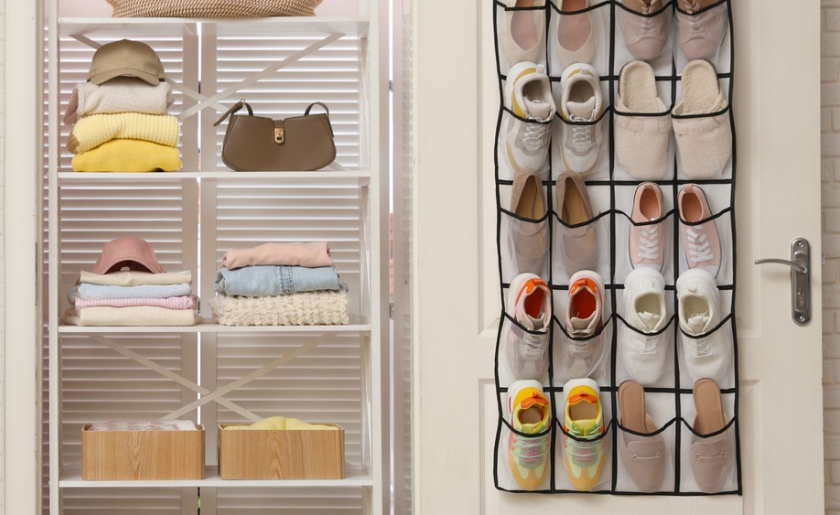
If you have folding or sliding doors, you already know they leave you little room for door storage. However, if yours is broken or falling off its track, you can replace it with a regular swinging door and gain a new place to hang things. Still, ask your landlord first, if you rent.
The narrow side walls inside your closet are often bare too, and a few hooks there hold your bags and totes without taking up space on the rod. Whatever you add, make sure your door still closes.
24. Swap the rod for shelves when your needs change
If you live somewhere warm or you already store your coats elsewhere, you may not need a hanging rod at all. When you use your closet for food or household supplies(opens in new tab), it works better with shelves or a freestanding shelving unit. If you need some of each, shorten the rod to one side and add shelves beside or below it.
25. Add a light inside your hall closet
When your closet is all shadowy, it hides whatever sits on your back shelf, but you can get a battery-powered LED light(opens in new tab) that turns on when you open the door. It makes your whole closet usable and is one of the cheapest upgrades you can make.
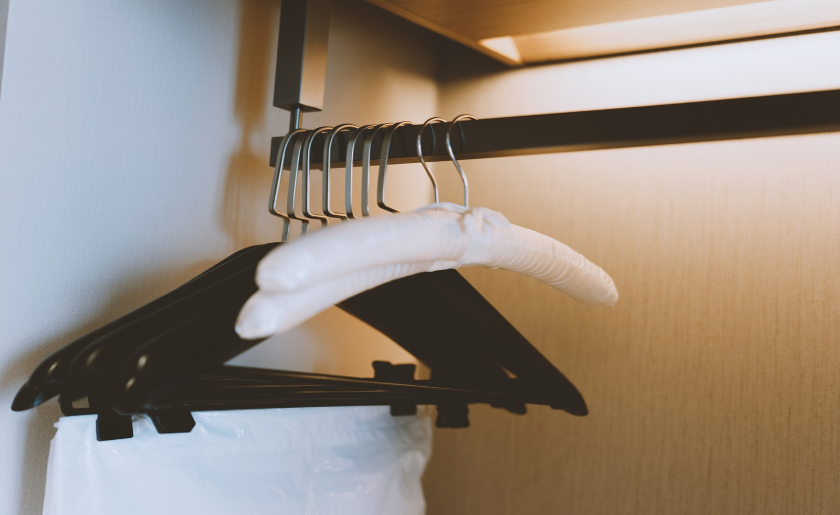
26. Go for a darker shade for the inside
Interior design wisdom says that a deeper shade hides the scuffs and dirt from your shoes and makes your light-colored bins stand out. Darker walls soak up light, so this works best when you pair it with the light from idea 25.

For hall closet that do not have a light (so, most of them), a medium shade is a safer choice than a dark one. Plus, if you have leftover paint from your front door or hallway, you can use it inside the closet to tie your entryway together. However, if you rent, check your lease before you paint or try peel-and-stick wallpaper instead.
27. Make your own closet in a hallway nook
No closet? Hang a curtain across a hallway nook and add shelves and a rod behind it. If your hallway is small(opens in new tab), a coat stand, a shoe rack and a slim rolling cart can do the job of a closet without walls.
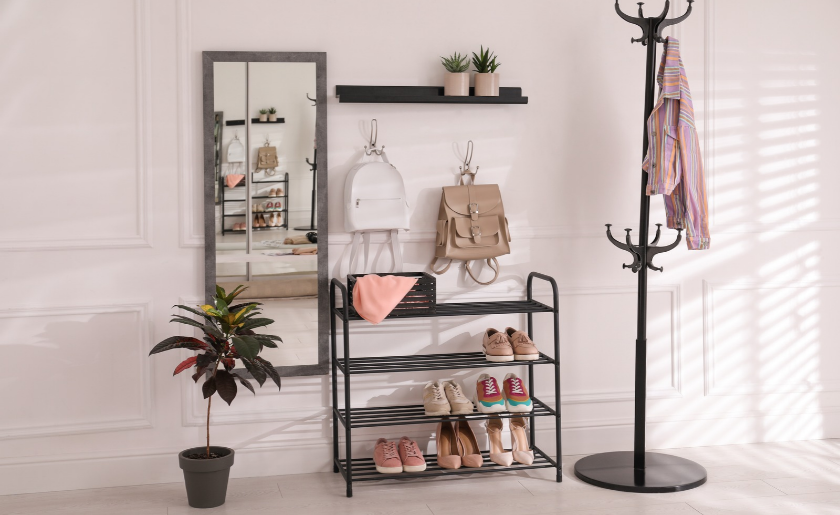
You can even find plenty of ways to use the space under your stairs(opens in new tab), even when it’s oddly shaped. If you are blessed with a mudroom, or even a simple backroom, that can take on the closet’s everyday jobs too. Here are a few mudroom storage ideas(opens in new tab) to get you inspired either way.
Make a plan to keep it working long-term
28. Keep a donation bag on your closet floor
Drop things in whenever you come across something your household has outgrown, and take the bag out when it’s full. A few minutes of tidying each season is easier for you than a full reorganization once a year.
29. Swap your things by season
Your closet holds what you use right now. Move your winter boots out of the easy-to-reach floor space in July and your beach gear out in January. At each change of season, vacuum seal what you can and move what you won’t need for a while to your top shelf or out of the closet, return anything that has wandered in from other rooms and toss what’s broken.
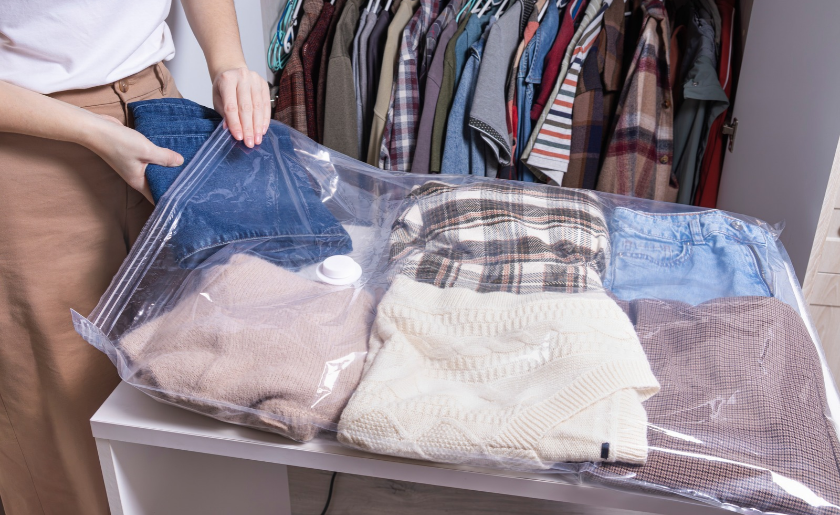
This keeps your everyday space free and leaves room on your rod for guests’ coats.
30. When your closet still runs out of room, rent a small storage unit
If you’ve cleared out what you don’t use and your closet is still full of things you need a few times a year, such as ski gear, holiday decorations or spare guest bedding, and you have no attic, basement or garage to hold them, a small self storage unit frees your closet for everyday use.
Even the smallest units cost tens of dollars a month in most areas, so rent one only for things you consider worth that monthly cost. Donate the rest.
When you’re ready to compare your options:
- Check the storage unit size guide(opens in new tab) and calculator(opens in new tab), since your extra hall closet items fit in the smallest sizes
- Use the storage unit price guide(opens in new tab) to see rates in your area
- Choose climate-controlled storage(opens in new tab), which keeps temperature and humidity steady, for your documents, photos and electronics
Look for a facility that’s easy to get in and out of, since you swap things(opens in new tab) each season. The StorageCafe Storage Resource Center(opens in new tab) explains what to look for
Make your hall closet easier to use
Start with the problem that bothers you most, whether it’s a vacuum blocking the door, a pile of shoes or a shelf you can’t reach. You don’t need to try all 30 ideas at once.
Once everything has a place, tidy up each season to keep it organized. For other closets around your home, try these closet organization ideas, too!(opens in new tab)


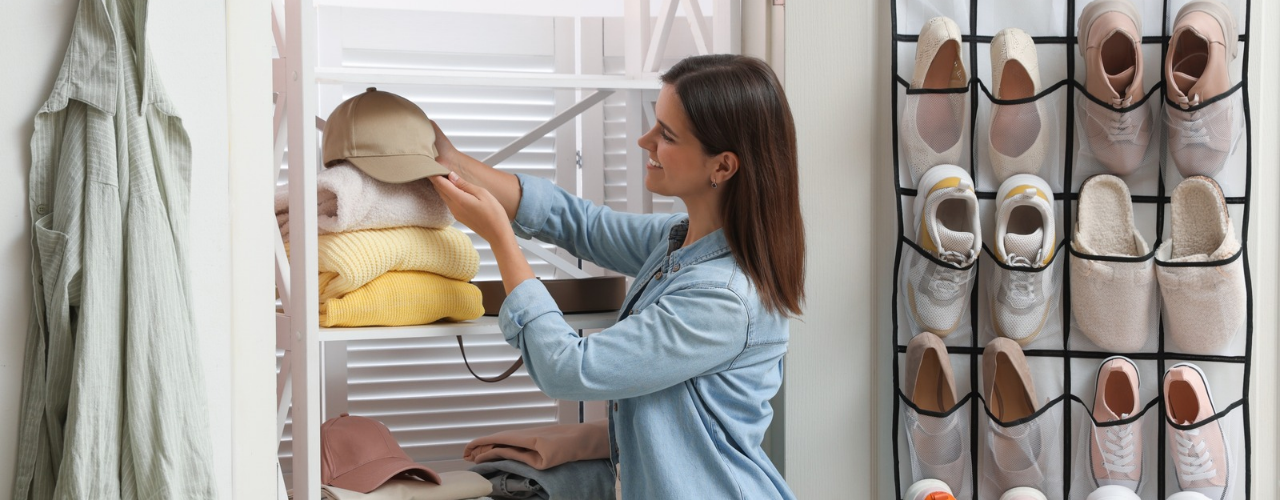
Hall Closet Organization: 30 Ideas for Simpler Storage
Your hall closet works best when you can grab anything quickly and put it back just as fast. These 30 ideas walk you through planning, deciding where things go, deep shelves, coats and shoes, containers, extra space and upkeep, plus what you can do when your closet still runs out of room.

Holiday Decoration Storage: A Guide for Every Season
Taking down the holiday decorations is never as exciting as putting them up. One minute, your home is looking wonderfully festive, and the next, you’re trying to remember which box the Christmas ornaments came in while wrestling with a string of lights that managed to tie itself into a dozen knots. With every holiday bringing its own collection of decorations, a good holiday decoration storage system helps you keep a growing collection under control.

Where to Get Moving Boxes in Philadelphia
Philadelphia’s historic charm can put your patience to the test on moving day. Between cobblestone streets, narrow rowhouse entrances and the occasional pothole, you don’t want to worry about not having enough boxes on top of it all. Start gathering your moving boxes early and you’ll have one less box to check off on packing day. Luckily, you have plenty of places to get your boxes from.

Art Supply Storage from A to Easel
Paint tubes, brushes, sketchbooks, scraps of paper, beads, half-used rolls of tape and that one very specific pen you swear you just had in your hand. Building up an art supply collection is rarely a neat process, and each new material brings its own storage needs.
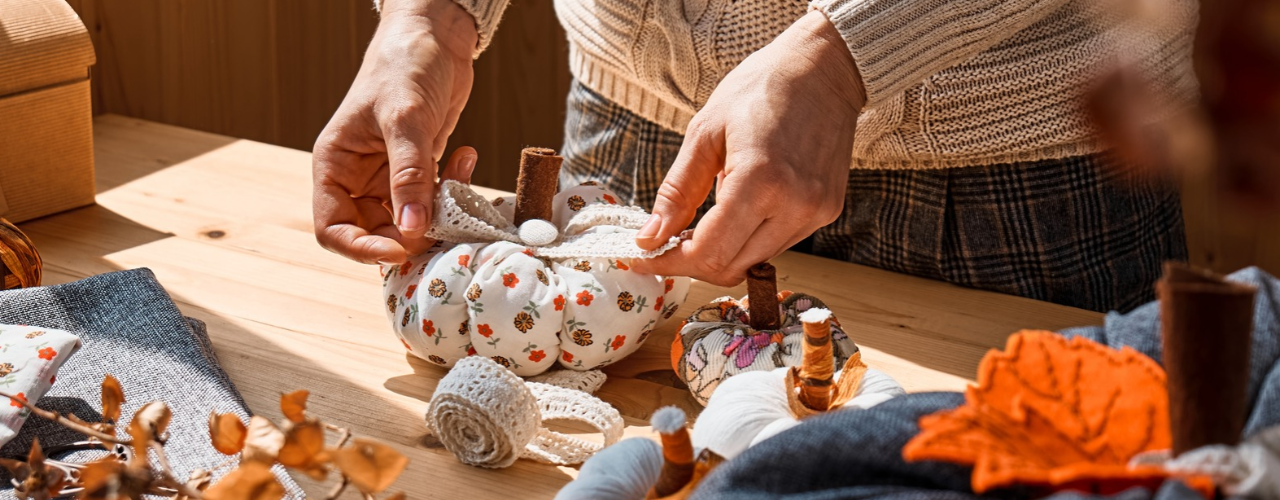
Scary Good DIY Halloween Decorations That Won’t Haunt Your Wallet
A few floating candles in the hallway, a family of ghosts by the front door and a suspicious number of bats climbing up the bedroom wall can make October feel a whole lot spookier. While Halloween stores are full of tempting finds, some of the best DIY Halloween decorations can come from things you already have tucked away in drawers, closets or the recycling bin.
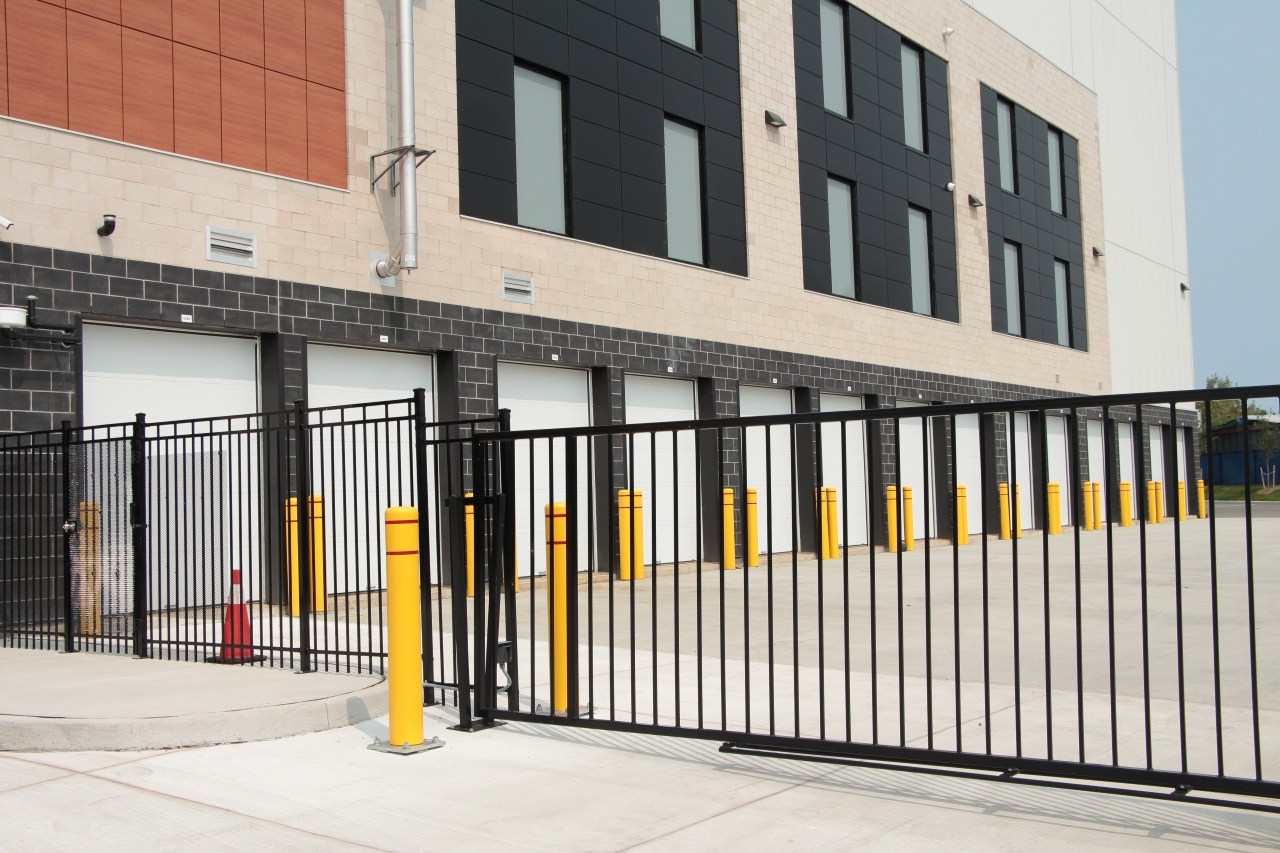
Suburban Giants and Urban Risers: Where America’s 100 Largest Metros Fall on the Self Storage Map
Self storage has long been a suburban story. Across America largest 100 metros, 59% of the inventory built over the past decade sits outside city cores, largely preserving the ratio of the total existing inventory.
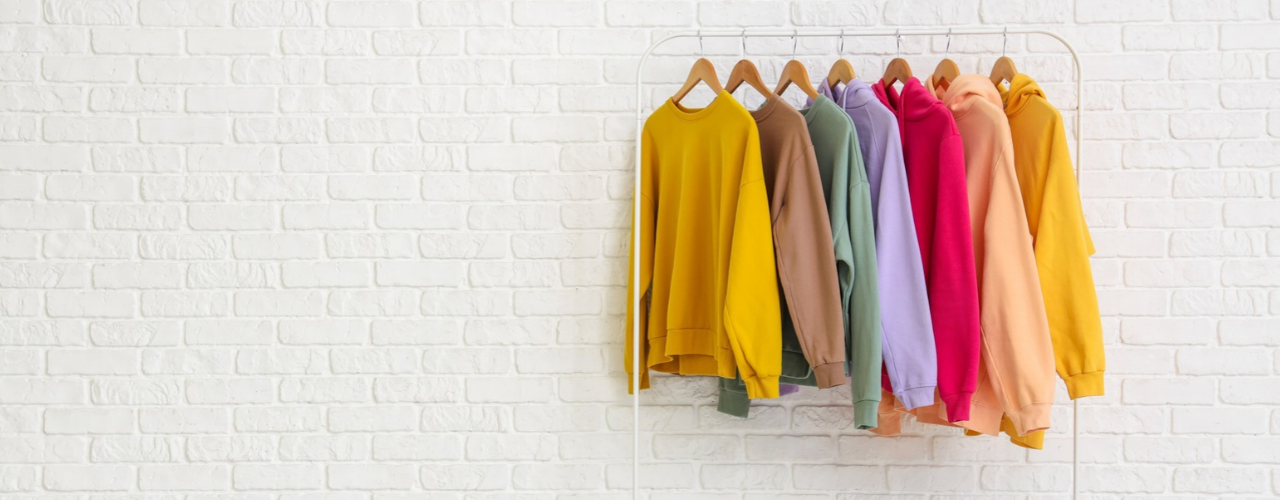
Sweatshirt Storage Ideas Worth Keeping Up Your Sleeve
Sweatshirts are great until you realize how much room they take up. A few thick hoodies can fill a drawer fast, with lighter crewnecks getting squashed underneath or pushed somewhere you forget about. Good sweatshirt storage can make that pile much easier to manage without requiring a bigger closet.
Living Room Storage Ideas: 28 Ways to Reclaim Your Hosting Space
If a living room is where most of a household’s living happens, good storage should be the top priority for setting up or revamping the place. After all, think of how easier it would be to have people over when tidying up the place is just a matter of putting things in their right place (in a time when fewer and fewer people are entertaining friends at home(opens in new tab)). The trick is making room for all those wayward clothes, blankets, chargers and other small things that end up on (or, inexplicably, in) the sofa. Here are 28 living room storage ideas to get you started and make tidying up a quick affair.

Best U.S. Cities to Live Uncluttered: Plano, TX, Offers the Most Room to Breathe
Clutter is in our homes as much as in our heads. Both are shaped by where we live.