

Self-storage is a growing industry and it is used by people across the US for a variety of reasons. But are the storage services on offer different depending on where in the US you live? And do the conditions in different regions of the country make some features provided by self-storage facilities more desirable than others?
We look at how self-storage varies over the regions of the US and what customers can expect dependent on where they live. The Self Storage Association has given some interesting facts about the differences in self-storage provision between the geographical areas.

Image by JohnPickenPhoto via flickr
Fundamental Regional Differences
The regions of the US all have different characteristics. For instance, residents in areas prone to hurricanes and other natural disasters sometimes have special needs for self-storage. And areas with successful economies attract different sorts of people with different self-storage needs, and providers there may see the benefits of investing more in their facilities.
States also have different laws, for instance in California, which can affect the provision and the cost of self-storage. The price of renting a unit can vary greatly from one region to another, with the average monthly rent of a non-climate controlled 10×10 unit in Los Angeles and San Fransisco metros being $184 and $194 respectively, which is more twice the cost of the same type of unit in metros such as Columbus ($88), Charlotte ($85), Raleigh-Durham ($88) and Houston ($85).
Changes in Types of Unit
One indication of the increasing sophistication of the self-storage industry is the shift in the type of unit that predominates. Exterior units that are simply in a yard are prey to thieves who can try to drive a truck in and take things away. Interior units in buildings have better security as there are substantial walls in place and further electronic barriers to pass through. Elevators and carts to move items in and out of the units are sometimes provided by such facilities. Provision of these sophisticated features varies across the regions.
The Northeastern region of the US leads the country with the highest proportion of interior units with elevator access (32%). But the study shows that the most popular type of unit is still the exterior type with drive-up parking. The Midwest region of the US has the highest proportion of these (56%), but this has dropped considerably from 75% in 2013.
It appears that if you want a self-storage facility with extra security and sophistication, you will have enough to choose from in the Northeast of the country at least. And even if you live away from that region’s fancy cities, you may find an increasing number of such options coming onto the market, so shop around.
Marital Status
Self Storage facilities are increasingly being used by younger people, and in 2017 the proportion of renters who were never married was 6% higher than it was in 2013. This may indicate changes in the reasons why people use self-storage, for instance an increasing consumerism among young single people and the consequent wish to store older purchases.
A much greater percentage of self-storage users in the Northeast (46%) have never been married compared to renters in other regions (27-30%). This percentage represents a big increase from the figure of 29% in 2013, and given the go-ahead nature of business in this region, single customers there can probably be sure the self-storage industry will be catering to their needs.
And if you are single, a self-storage facility owner may well be happy to see you! Married couples run the risk of divorce and this can create problems, either if both names are on the contract or if one spouse has signed it but the other wants access to their stuff in the unit.
Preferred Features
The climate in America’s different regions can influence which features a customer wants most from a self-storage facility. The South tends to have hotter weather, so it’s no surprise that air-conditioned units are more favored there, with 46% of renters in the South wanting it compared to 30% in the Midwest and 31% in the West. The Northeast may be catering to a more demanding clientele by having air-conditioning in 38% of its units.
The climate in the South also has knock-on effects. Self-storage renters there have clearly experienced some rather unwelcome visitors in or around their units, as 36% say that they would be willing to pay extra for pest control. This is in comparison with 27% in the Midwest and 20% in both the Northeast and the West. Self-storage customers in the South also say that they would pay extra for controlled humidity.
Clearly, people who live in areas with higher than usual susceptibility to vermin would be well advised to take no risks and choose a self-storage facility which has a good pest control policy in place. The same can be said for protection against humidity, which is a real problem in many regions and can do more damage to items in storage than many people realize.
Drive Times
The 2017 study reports that almost 90% of renters said they were able to use a car, a truck or a van to get to their self-storage units, but even so the traveling can take time. And renters across all the regions of the US are visiting their self-storage units more frequently than they did in 2013.
While the majority of renters are able to get to their units within 20 minutes, for 22% of renters in the Northeast it takes more than 30 minutes per journey, compared to 17% in the Midwest and 14% in both the South and the West. Not surprisingly, the number of Northwest renters who find their travel time unacceptable is the highest of all the regions, at 15%.
Anybody looking to rent a self-storage unit should think carefully about how frequently they will visit it, as they may be surprised by how the minutes of traveling time add up. Those in the Northeast in particular may find this an issue, so they might want to consider choosing a facility that is close to home even if it costs a little more.
Residence Types
For people who own the properties they live in there are often other alternatives to renting a self-storage unit. Slightly more than half of self-storage renters own their residences, and a surprisingly large number (67%) live in single-family houses. Over all the regions, 65% have a garage while 49% have an attic and 34% have access to a basement.
Self-storage renters in the Midwest and the South have the highest percentage of single-family home owners, 72%. Those in the Midwest also have the highest proportion with garages, 71%, and more than double the average number of basements, 69%.
It could be suggested that renters who already have extra storage where they live could consider decluttering their homes before they opt for a self-storage unit. Those in the Midwest seem to have the most opportunities for this. Home renters, however, such as those in the Northeast where almost half the people who use self-storage live in apartments or condos, could make good use of cheaper rental space in a self-storage facility.

Photo courtesy of Yardi Matrix
Anybody in the US who is considering renting a self-storage unit should think about the characteristics of the region they live in. Local climate conditions could mean that certain threats to their stored items might be more likely than they imagine. Also, getting to their unit regularly may eat into their time in some areas. But self-storage can still be the perfect solution in many cases, and StorageCafe is a great place to find the unit that suits your needs.


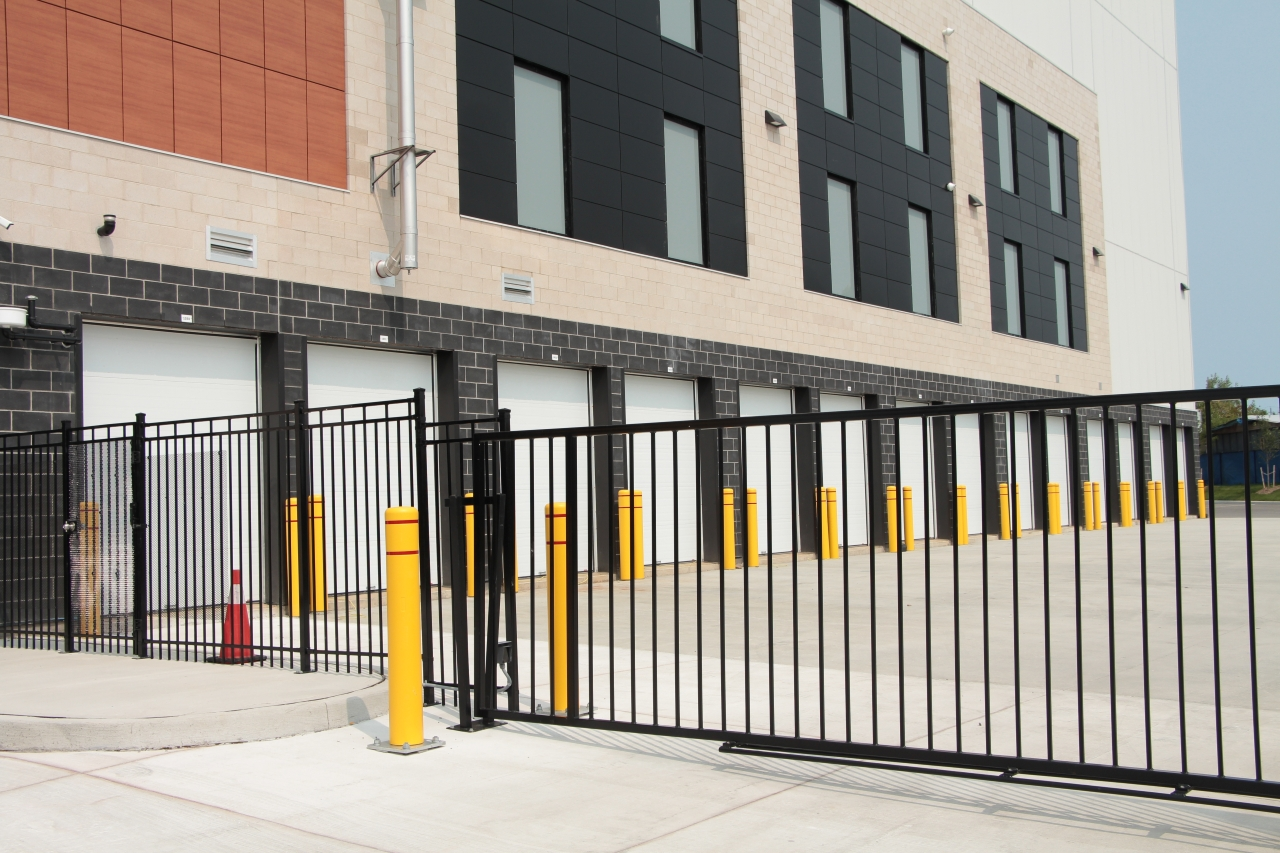
Suburban Giants and Urban Risers: Where America’s 100 Largest Metros Fall on the Self Storage Map
Self storage has long been a suburban story. Across America largest 100 metros, 59% of the inventory built over the past decade sits outside city cores, largely preserving the ratio of the total existing inventory.
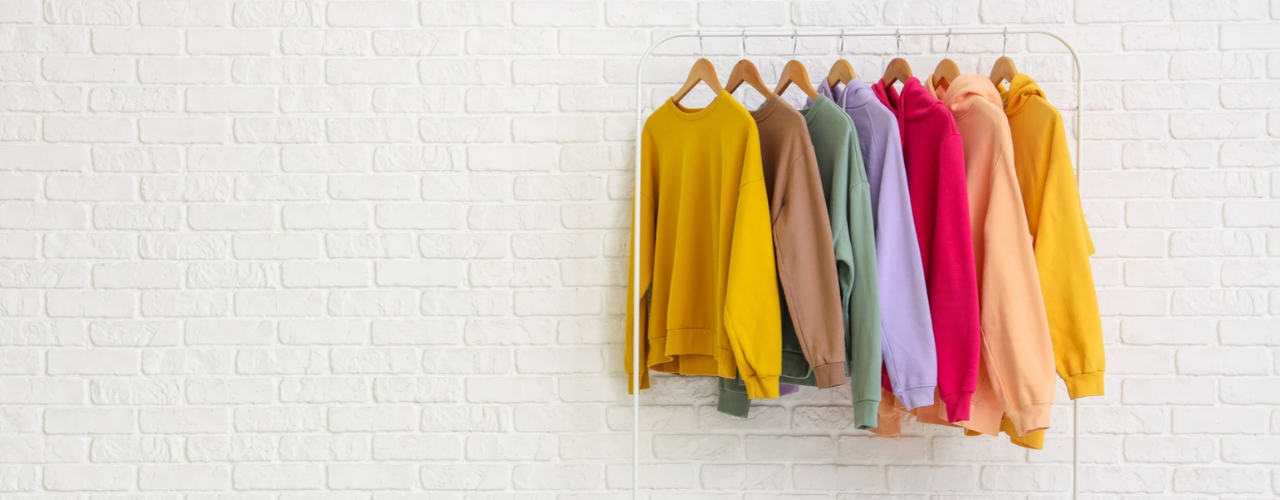
Sweatshirt Storage Ideas Worth Keeping Up Your Sleeve
Sweatshirts are great until you realize how much room they take up. A few thick hoodies can fill a drawer fast, with lighter crewnecks getting squashed underneath or pushed somewhere you forget about. Good sweatshirt storage can make that pile much easier to manage without requiring a bigger closet.
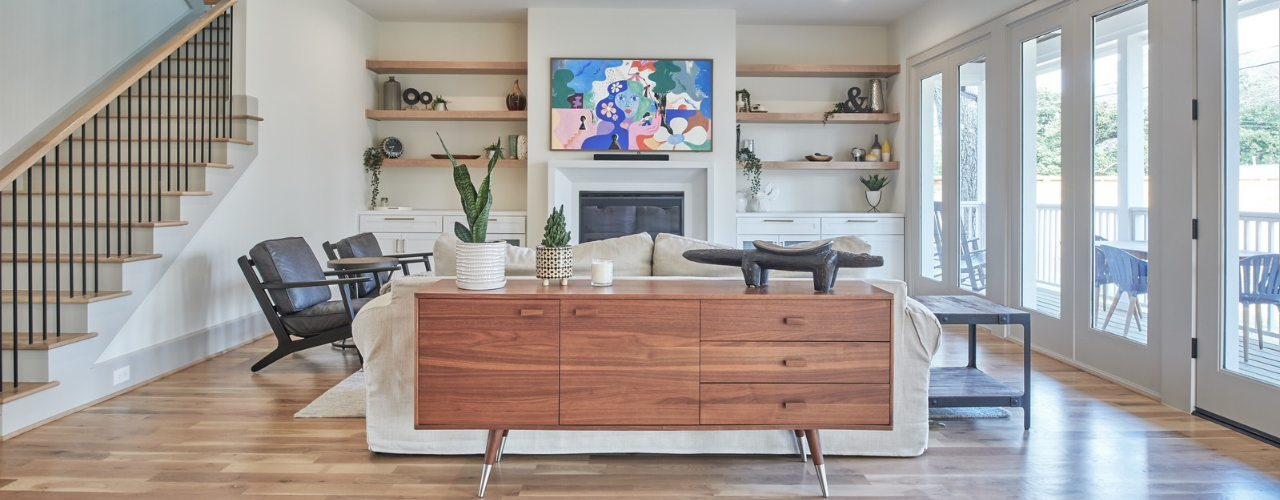
Living Room Storage Ideas: 28 Ways to Reclaim Your Hosting Space
If a living room is where most of a household’s living happens, good storage should be the top priority for setting up or revamping the place. After all, think of how easier it would be to have people over when tidying up the place is just a matter of putting things in their right place (in a time when fewer and fewer people are entertaining friends at home(opens in new tab)). The trick is making room for all those wayward clothes, blankets, chargers and other small things that end up on (or, inexplicably, in) the sofa. Here are 28 living room storage ideas to get you started and make tidying up a quick affair.
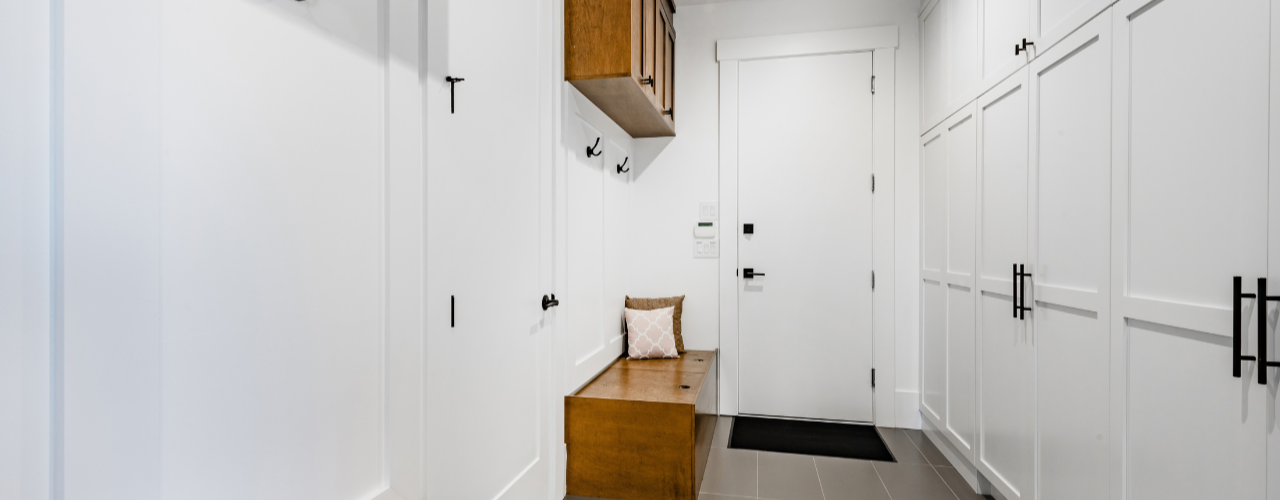
25 Mudroom Storage Ideas (And Mistakes to Avoid)
When you come home with muddy boots, an armful of bags and a coat you can’t wait to take off, it’s nice to have somewhere to put it all. With a mudroom, you can leave the outdoor mess at the door instead of carrying it through the house. Traditionally, you’d set aside a separate room, but you can just as easily use a hallway, an entryway closet, a laundry-room corner or a stretch of wall near the entrance.
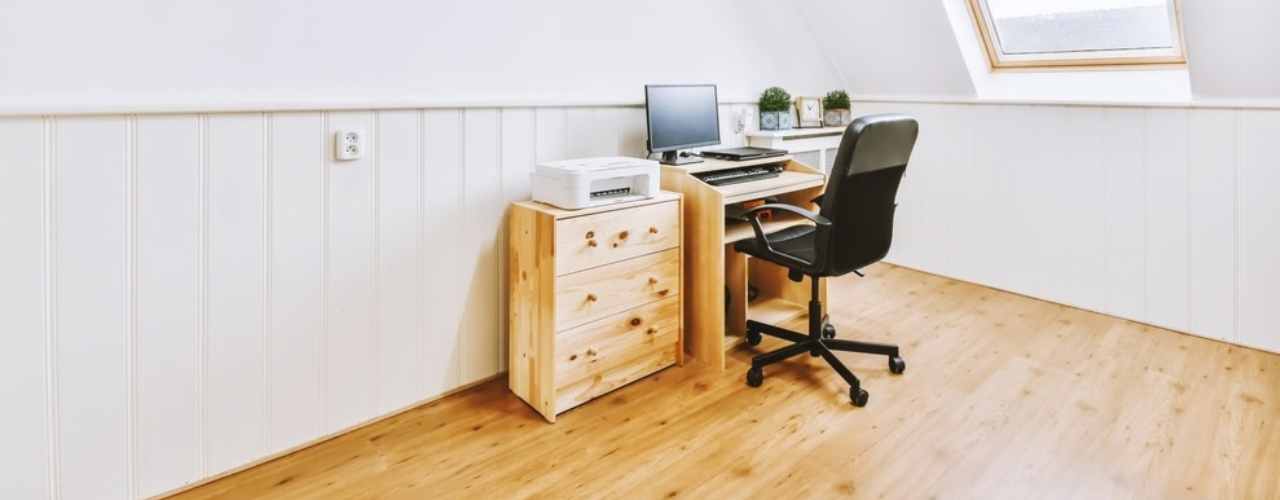
Is Your Home Office Worth the Rent? What Coworking and Self Storage Could Save You
Every square foot of your apartment comes with a price tag, and a home office claims more of them than most renters expect. It starts with a desk. Then come the second monitor, the printer, the filing cabinet and the overflow boxes. Before long, the corner you set aside for work has turned into a small room you are paying for every month.

Best U.S. Cities to Live Uncluttered: Plano, TX, Offers the Most Room to Breathe
Clutter is in our homes as much as in our heads. Both are shaped by where we live.
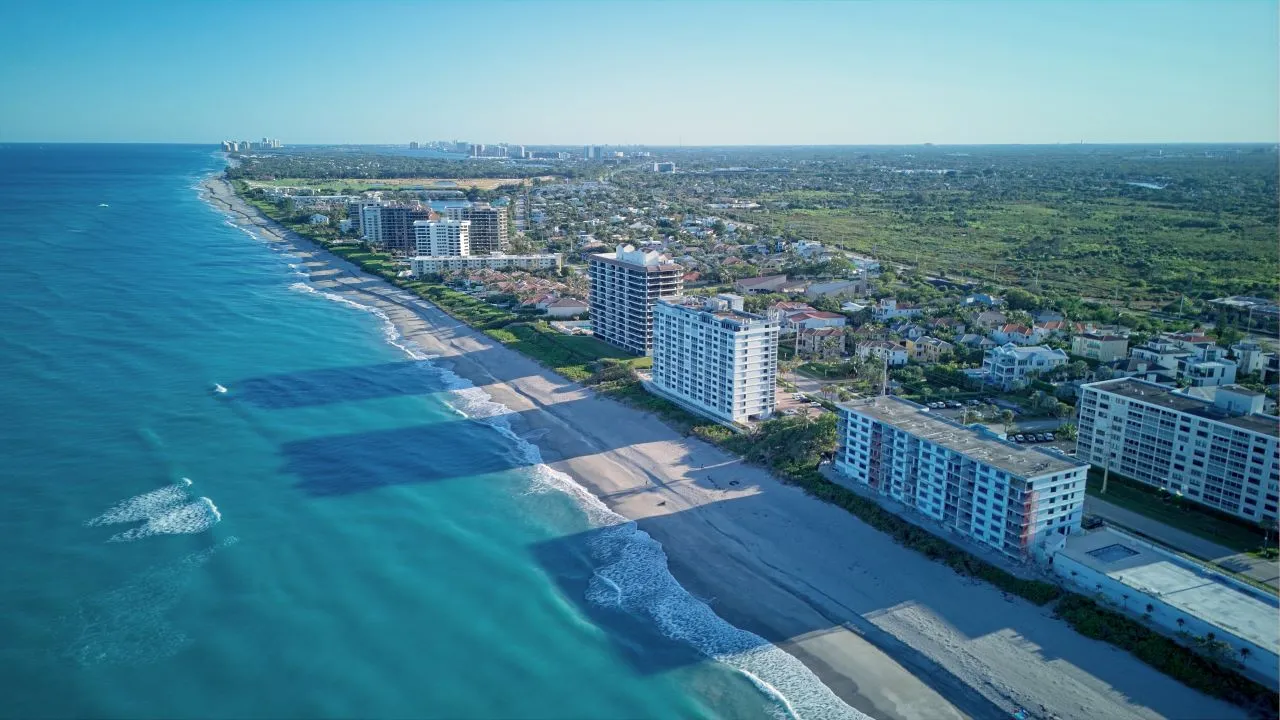
America’s Top Snowbird Destinations for 2026–2027: Florida Leads in Numbers, Texas Wins on Value
For Americans living in colder states, the approach of winter is reason enough to start looking south. Cold weather carries costs that go beyond the heating bill and shoveling snow. Seasonal affective disorder(opens in new tab) is far more prevalent in northern states, so a temporary move south isn’t simply an escape from the cold, but a chance to spend the hardest stretch of winter outdoors and in the sun.
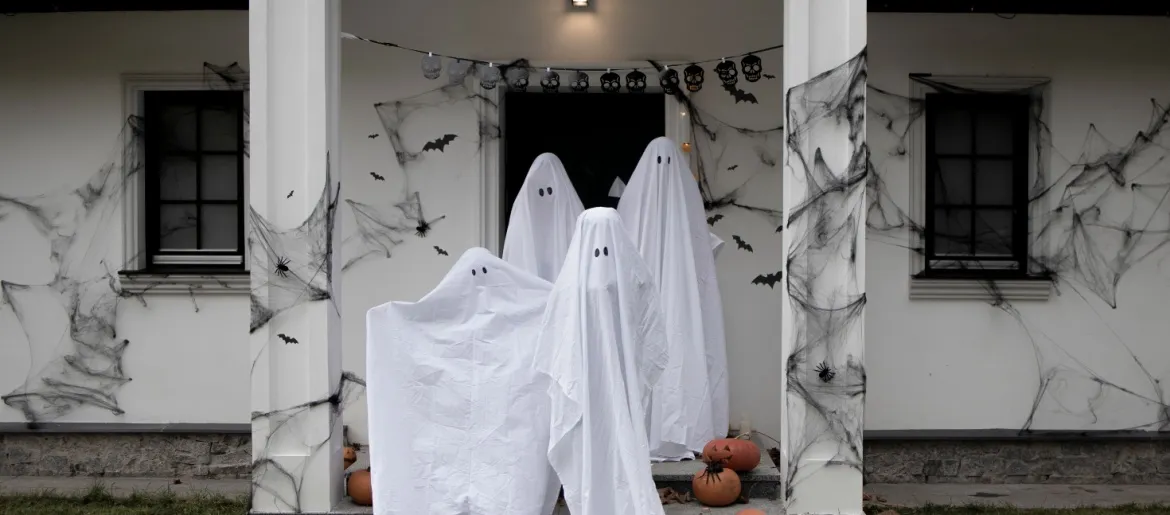
How Much Does Halloween Really Cost in 2026? Plan Wisely to Avoid the Scare of Hidden Costs
Americans’ love for Halloween is almost frightening — this year alone, we are on our way to spending $13.5 billion, according to data from the National Retail Federation(opens in new tab). That breaks down to about $115 Halloween costs per person, a whopping 49% more than 10 years ago.

How to Store LEGOs: All the Fun, None of the Clutter
How to store LEGOs largely comes down to how your household uses them. If the bricks are part of everyday play, you need a setup that keeps them within easy reach and makes cleanup quick (for your feet’s sake, at least). Toy storage(opens in new tab) such as simple bins, playmats or containers that children can put away themselves may be enough. Larger or more serious collections usually need more organization, such as labelled drawers for loose pieces, trays for unfinished builds, shelves for completed models and separate storage for retired sets.