

Key Takeaways
- Clean and dry the mattress thoroughly before storage to prevent mold, mildew and odors.
- Vacuum, spot-clean, and use baking soda to absorb smells.
- Wrap it in a breathable mattress bag (or plastic sheeting with periodic airing) to protect from dust, pests and moisture, but avoid airtight seals for long-term storage.
- Store the mattress flat (never upright for more than a few weeks) to prevent internal materials from shifting or sagging, and avoid stacking heavy items on top.
- Choose a climate-controlled, dry space to protect against temperature swings and humidity, which can damage foam, fabric and springs over time.
- Check on the mattress regularly (every few months) to air it out, inspect for moisture or pests, and ensure nothing is pressing against it.
We spend one-third of our lives sleeping. That’s about three decades spent in bed, and a quality mattress can make or break all that time meant for recharging. In turn, storage can make or break this very item. Luckily, it only takes a few minutes to learn all about how to store a mattress correctly. If you’re here, you know why it’s worth it: You save the money and time you’d lose searching for a mattress ruined by poor storage. So, let’s go through this step by step.
Step 1: Give your mattress a thorough clean and let it dry
Before your mattress goes anywhere near a storage unit, it needs to be clean and completely dry, and this step matters more than most people expect. Mattresses are naturally good at collecting dust mites, skin cells, and moisture, all of which can turn into mold or mildew if sealed away in an enclosed space for weeks or months at a time.
Start by stripping all bedding and vacuuming the entire surface using an upholstery attachment, paying close attention to the seams and edges where debris tends to gather. For any visible stains, a small amount of mild detergent applied with a damp cloth and gently blotted will do the job. Once you’ve addressed any spots, sprinkle a generous layer of baking soda over the surface, let it sit for at least an hour to absorb odors, and then vacuum it off. Flip the mattress over and repeat the same process on the other side.
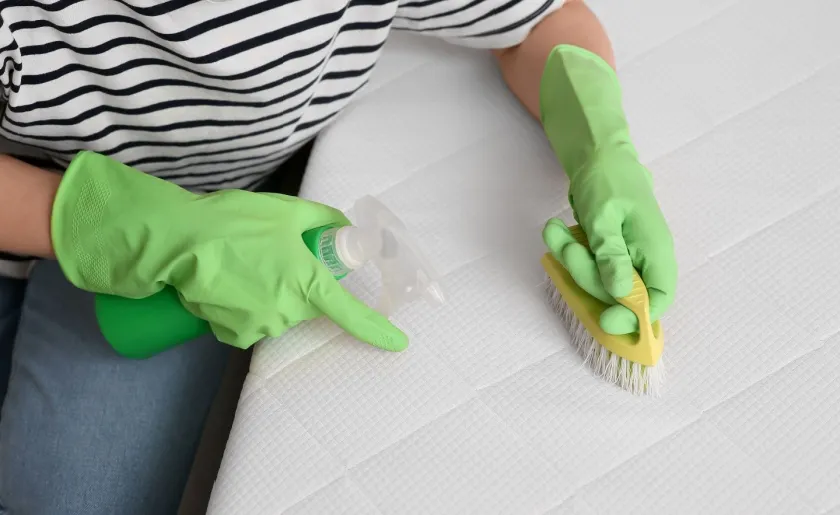
The most important rule here: Do not move to the next step until the mattress is fully dry. Even a small amount of trapped moisture can cause serious damage over time.
Step 2: Wrap it well, but give it room to breathe
Once the mattress is clean and dry, your next job is to protect it from dust, pests, and moisture during its time in storage. The best option is a purpose-made mattress bag, which you can find at most moving supply stores, hardware stores, or online retailers. These bags are designed to fit snugly around the mattress and seal tightly, which provides a reliable barrier without requiring you to wrestle with loose plastic sheeting and tape.
If a mattress bag isn’t available, you can wrap the mattress in thick plastic sheeting and secure it with packing tape. Just make sure every edge is covered and the tape doesn’t touch the mattress fabric directly, as it can leave residue or cause surface damage.
One important nuance for long-term storage: A completely airtight seal can actually work against you. Every few months, open the wrapping to let the mattress air out for a few hours before resealing it. This simple habit prevents moisture from building up inside the cover and keeps the materials from deteriorating.
Step 3: Choose the right storage space
When it comes to proper storage, the single most important factor is climate control. Extreme heat, cold, and humidity can all damage the materials inside your mattress. Foam layers can warp, fabric covers can develop mold, and the internal structure can weaken in ways that aren’t always obvious until you pull it out and try to sleep on it.
To find the right storage space for a mattress, look for a storage space that is at minimum clean, dry and sheltered from direct sunlight and rain. A well-maintained garage or a dry basement can work for shorter storage periods, provided you monitor conditions regularly and there’s no risk of flooding or significant temperature swings.
If you want to be extra-safe, you can rent a climate-controlled storage unit, which maintains a stable temperature and humidity level year-round, which makes it by far the safest option for any mattress you plan to store for more than a few weeks. When choosing a storage unit size, keep in mind that a queen mattress stored flat will take up roughly a third of a standard 10’x10’ storage unit on its own, so it’s worth planning ahead to make sure you have enough room for everything you need without compromising the mattress’s position. StorageCafe data show that the average rent for a standard 10’x10’ non-climate-controlled unit hovers around $119, while a climate-controlled 10×10 unit typically costs about $134.
Step 4: Store it flat and keep the top clear
This is the step that causes the most confusion, so let’s address it directly: The best position for a stored mattress is flat on its back, just as it would sit on a bed frame at home. This keeps all the internal layers, including foam, springs, and natural fillings, in the position they were designed to hold, and it prevents the kind of gradual shifting and compression that can permanently alter the feel of the mattress.
Storing a mattress upright on its side is a common workaround when space is tight, and while it may be acceptable for a very short period of a few weeks at most, leaving a mattress vertical for months puts significant stress on its internal structure. The materials begin to migrate toward whichever side is bearing the weight, and the resulting unevenness often can’t be reversed. This risk is even higher with memory foam and all-foam mattresses, which are particularly susceptible to permanent deformation when stored incorrectly.
Once the mattress is flat, resist the temptation to stack boxes or other items on top of it. A mattress surface looks sturdy, but even moderately heavy objects placed on top for an extended period can create indentations or compress the internal layers unevenly, making it uncomfortable to sleep on when you finally take it out. If you’re short on floor space, the better approach is to build a stable platform out of sturdy storage bins or flat wooden boards and rest the mattress on top of them. Keeping it elevated off the ground also protects it from any moisture that might collect on the floor.
How to store a mattress in a storage unit
Start by selecting a unit that is large enough to lay the mattress flat without anything pressing against its sides or top. A 10×10 unit is a common choice for a queen or king mattress, especially if you’re storing other furniture or boxes alongside it. If budget allows, upgrading to a climate-controlled unit is one of the best investments you can make for a mattress you plan to retrieve in good shape, since most standard units experience significant temperature and humidity swings across seasons.
Before placing the mattress inside, sweep or mop the floor of the unit and check for any signs of moisture or pest activity. Once you’re confident the space is clean and dry, lay the mattress flat on a pallet, a sheet of plywood, or a layer of sturdy plastic bins to elevate it slightly off the ground. This creates airflow underneath and protects the mattress from any moisture that seeps up from concrete flooring over time.
Position the mattress so that it isn’t leaning against any walls or pressed up against other stored items, and make sure nothing is stacked on top of it. If you’re storing a bed frame alongside the mattress, reassemble it inside the unit so the mattress can rest on it naturally, which is the closest approximation to its normal sleeping position and offers excellent long-term support.
How to store a mattress against a wall
Leaning a mattress against a wall is sometimes the only practical option, particularly in a home garage, basement, or smaller storage space where laying it flat simply isn’t possible. Done carefully, this method can work reasonably well for short to medium-term storage, though it does carry more risk than flat storage and requires a few extra precautions.
The first priority is making sure the mattress is supported evenly along its length and not just resting on one corner or edge, which concentrates pressure and leads to uneven wear. Place rubber non-slip pads or a folded blanket at the base to prevent the mattress from sliding, and lean it at a slight angle rather than perfectly upright so that its weight is distributed more naturally. If you have wall brackets, shelving hardware, or a sturdy piece of furniture nearby, use adjustable straps or bungee cords to anchor the mattress in place and reduce the risk of it tipping over.
To protect both the mattress and the wall surface, place a sheet of cardboard or a foam pad between them. This prevents paint transfer, moisture from wall surfaces, and scuffs to the mattress cover. If the wall itself feels damp or cool to the touch, that’s a sign the space may be too humid for safe storage, and you’ll want to consider a different location or introduce a small dehumidifier.
Rotate the mattress every few weeks so that different sides bear the load, which helps prevent any one area from developing a permanent set. For foam and hybrid mattresses in particular, wall storage over an extended period carries a real risk of sagging, so if you’re approaching the two to three month mark, it’s worth reassessing whether a flat storage solution is feasible.
Step 5: Check in on the mattress regularly
Storing a mattress isn’t entirely a set-it-and-forget-it situation, especially if it’s going to be in storage for several months. Paying occasional visits to check on its condition is a small investment of time that can save you from an unpleasant surprise when you’re ready to use it again.
During each check, open the wrapping and let the mattress air out for a few hours. Look for any signs of moisture inside the cover, inspect the surface for unusual lumps or shifts in the filling, and confirm that nothing has ended up leaning against or pressing down on the mattress since your last visit. If you notice damp patches, air the mattress out fully before resealing it. If you see any pest activity, address it immediately and consider upgrading to a more secure wrapping or a different storage location.

Before putting the mattress back on your bed at the end of its storage period, give it another round of vacuuming and a few hours of airing out in a well-ventilated space to clear any residual odor from the bag. After that, it should be ready to use just as comfortably as before.
A quick note on how NOT to store your mattress
A few common mistakes are worth calling out directly, because they come up often enough to be worth addressing plainly.
Never re-roll a mattress that arrived expanded. Even if it originally came compressed in a box, rolling it again will disrupt the internal materials and very likely void the manufacturer’s warranty. Avoid folding a mattress for any reason, since this places severe stress on the springs and foam layers and causes damage that is difficult or impossible to correct. And if your mattress is still under warranty, review the terms before storage, as some warranties have specific requirements about how the mattress must be positioned in order to remain valid.
Best ways to store a mattress: FAQ
How do you store a mattress topper?
A mattress topper can be stored using the same basic principles as a mattress: Clean it, let it dry completely, and wrap it in a protective cover before placing it in storage. Unlike a mattress, a topper can generally be rolled rather than stored flat, which makes it easier to tuck into a smaller space. Store it in a cool, dry location and avoid compressing it under heavy objects, as this can affect its ability to recover its original shape.
Can you store a mattress on its side?
You can store a mattress on its side for a short period, typically no more than a few weeks, but it isn’t recommended for anything longer than that. When a mattress stands vertically for an extended time, the internal materials, including foam layers and springs, begin to shift toward the bottom under their own weight. This can cause sagging and uneven support that is often permanent. If side storage is your only option, wrap the mattress tightly, support it evenly along its full length, and plan to lay it flat as soon as possible.
How long can you keep a mattress in storage?
A mattress can stay in storage indefinitely as long as it is stored correctly. The key factors are keeping it clean and dry before storage, wrapping it properly, storing it flat in a climate-controlled environment, and checking on it periodically to catch any moisture or pest issues early. Mattresses left in poor conditions, such as damp, unventilated spaces or stored upright for months, can deteriorate significantly within a year or less.
Do you need a climate-controlled storage unit for a mattress?
A climate-controlled unit is strongly recommended, especially for storage periods longer than a month or two. Standard storage units can experience wide temperature and humidity swings across seasons, which accelerates the breakdown of foam and fabric and creates conditions where mold and mildew can develop. If a climate-controlled unit isn’t available to you, choose the driest and most temperature-stable space you can find, and monitor the mattress more frequently.
Can you store a mattress in a garage?
A garage can work as a short-term storage option if it stays reasonably dry and doesn’t reach extreme temperatures. The main risks with garages are moisture from concrete flooring, fluctuating heat and cold, and pests. To mitigate these, elevate the mattress off the ground on a pallet or plywood sheet, wrap it thoroughly, and check on it regularly. A garage that floods, gets very hot in summer, or has a known pest problem is not a safe place for a mattress regardless of how well it’s wrapped.
How do you keep bed bugs away from an unused mattress?
The best defense is a fully sealed mattress bag, which cuts off access entirely. Beyond that, avoid storing your mattress directly alongside old upholstered furniture, secondhand items, or cardboard boxes that have been sitting in storage for a long time, as these are common hiding spots. And wherever you keep your mattress, check in on it periodically.
Should you store a mattress in plastic?
Wrapping a mattress in plastic is a good idea for protecting it from dust, moisture, and pests, but the type of plastic matters. A breathable mattress bag designed for storage is preferable to a fully airtight seal, which can trap moisture inside and lead to mold growth over time. If you use standard plastic sheeting, open the wrapping every couple of months to let the mattress air out, and reseal it fully before leaving.
Can you fold a mattress for storage?
No. Folding a mattress, regardless of its type, puts extreme stress on the internal components and will almost certainly cause permanent damage. Spring mattresses are particularly vulnerable, as folding can bend or break the coil structure. Foam mattresses may seem more flexible, but folding disrupts the layering and can cause the foam to delaminate or develop creases that don’t recover. Rolling is similarly inadvisable for any mattress that has already been expanded and used.
The bottom line on mattress storage
Storing a mattress well comes down to a handful of consistent principles: start clean, wrap it properly, choose your environment carefully, keep it flat whenever possible, and check in on it from time to time. None of these steps are complicated on their own, but skipping even one of them can lead to damage that shortens the life of a mattress you might otherwise have used for another decade.
The investment you made when you bought your mattress doesn’t have to go to waste during a move, a renovation, or a transitional living situation. With the right preparation and a suitable storage space, your mattress can come out of storage in the same condition it went in, ready to give you a good night’s sleep without any unpleasant surprises. A little care upfront saves a lot of money and frustration down the road.



Moving From a House to an Apartment: What to Expect, How to Downsize & How Self Storage Helps
For some, moving from a house to an apartment is a financial decision. For others, it’s about simplifying life. Maybe the kids have moved out and half the house sits empty, or you’re approaching retirement and no longer want to spend weekends on repairs. Or perhaps you’ve been weighing the cost of buying a home and wondering whether renting simply makes more sense right now.

Family Heirlooms Overload: How to Handle Family Inheritance Without Regret
Handling family heirlooms after a loss requires managing legal authority, emotional pressure and practical logistics at the same time, and the order you take them on matters more than most people expect.
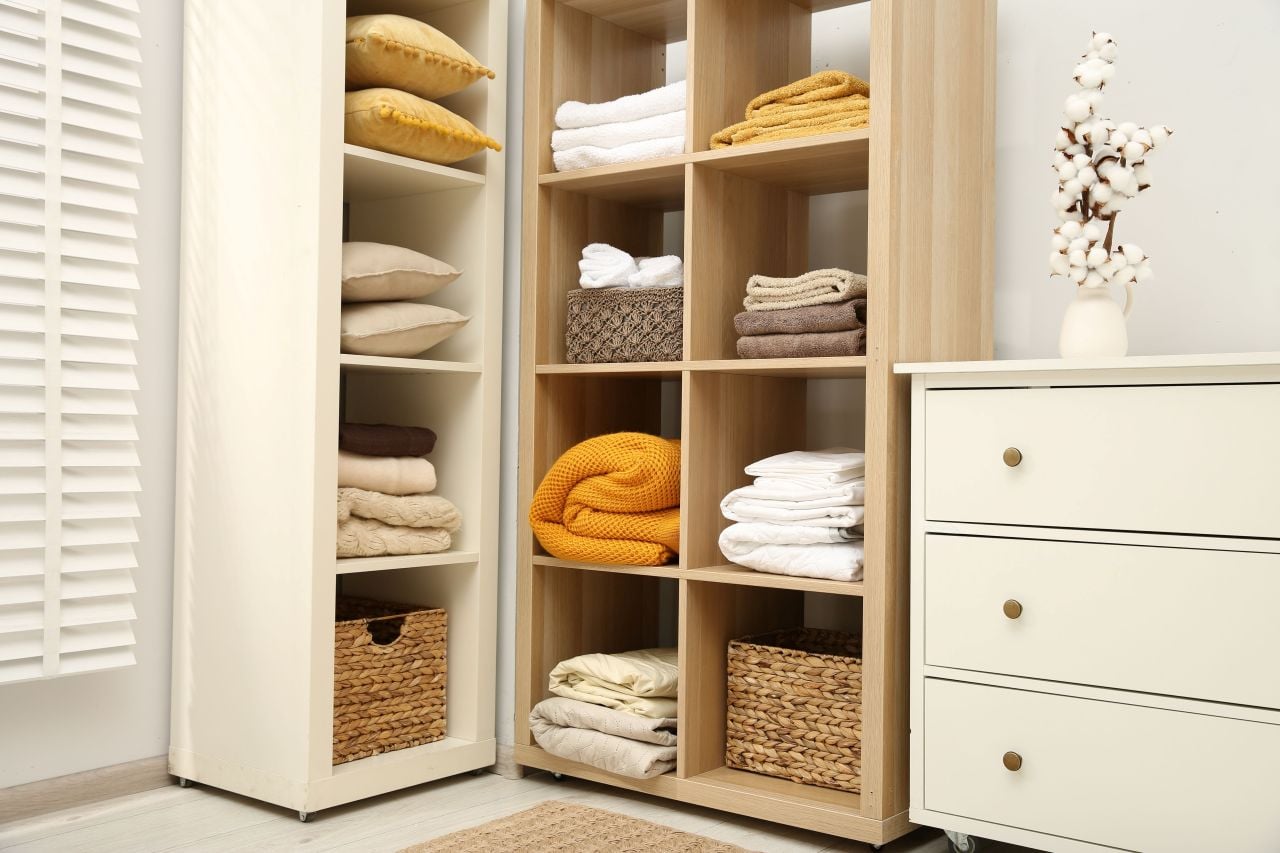
Blanket Storage: The Right Method for Every Space and Season
Blankets make our lives cozier, and storing them well is what keeps them soft and comfortable in the long run. Knowing how to store a blanket properly means your favorites come out of storage smelling fresh, feeling the same as when they went in, and lasting years longer than they otherwise would.

Board Game Storage Ideas That Keep Your Collection in Fighting Shape
Nobody warns you that getting into board games usually unlocks a second hobby, the much dreaded one that includes figuring out where on earth to put them. One game becomes a few, expansions start spawning beside their base boxes and before long, board game storage requires as much strategy as whatever is waiting on the other side of those lids.

Storage Locker vs. Storage Unit: What’s the Difference?
A locker and a unit may sound like two names for the same four walls and a lock, and depending on the storage facility, you may even see the terms used that way. However, once you start comparing available spaces, storage lockers tend to occupy the smaller end of the spectrum, while storage units(opens in new tab) give you considerably more room to work with.

Storage Ideas for Small Spaces: 9 Ways to Max Out Your Home
A messy home contains the seeds of its organization. Those seeds are everywhere: the space above doors, under beds, behind sofas and inside furniture can all become storage. Here are the best storage ideas for small spaces, so you can make the most of your cozy home.

Best U.S. Cities to Live Uncluttered: Plano, TX, Offers the Most Room to Breathe
Clutter is in our homes as much as in our heads. Both are shaped by where we live.
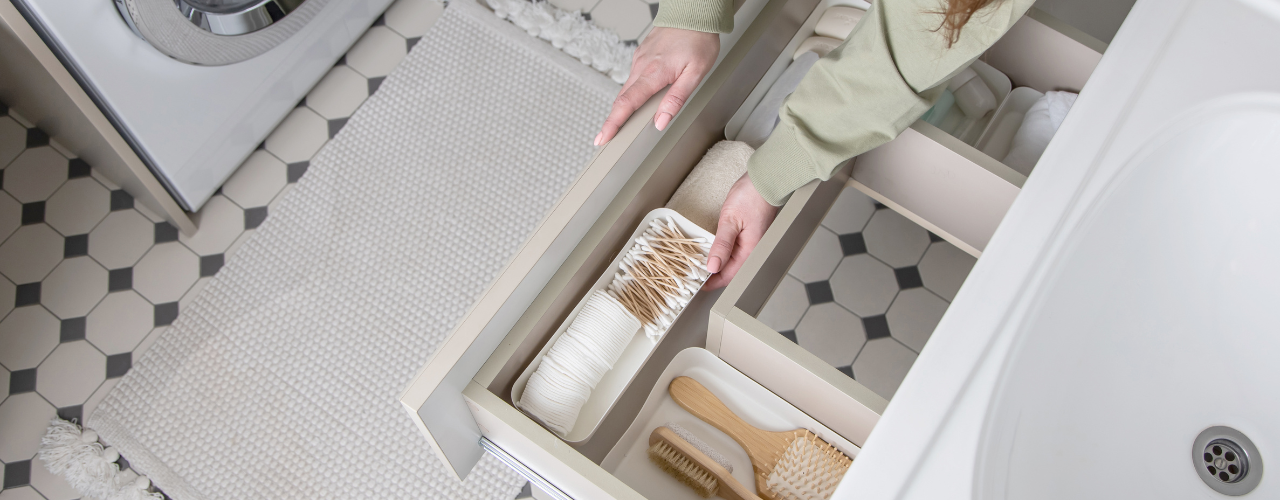
How to Organize Your Bathroom: 8 Ways to Stay Tidy
You already know why an organized bathroom is worth the effort, but let us remind you: it makes rushed mornings easier, keeps counters cleaner and just helps get you in the mood to go through your skincare routine like you should. Plus, in bigger households, it helps everyone find what they need. And you know how much a tidy bathroom counts for your self-esteem when a guest or a partner shows up. Luckily, you don’t need a degree to know how to organize your bathroom. The secret is keeping less, giving every item a home and making that home simple to use. Let’s go through some practical steps can help you create a bathroom that stays functional and nice to look at.

How to Use Silica Gel Packets for Storage
Moisture can cause significant damage to items in storage, leading to rust on tools, mold on clothing and warping in documents. Silica gel uses science to fix that. Often found in small packets inside product packaging, silica gel is a desiccant that absorbs moisture from the air, keeping your stored items dry and protected. This guide explains what silica gel is, how it works and how you can use it to preserve your belongings in self storage.