

Most of us will be nesting at home this winter, so it’s more important than ever to make sure that the house is ready for the challenges of the cold season. If you’re working or studying from home, that means you’ll have to keep your space nice and warm.
Heating costs tend to pile up when you’re using your furnace all day every day, compared to a few hours in the mornings and evenings, like most of us normally did the previous winters. You can control these costs and still be comfortable in your home by adding some extra insulation in the areas most exposed, like windows and doors. You should also store your garden furniture and tools somewhere inside to protect them from rain, snow and cold. Also, make sure that your garage is decluttered, so you don’t have to resort to parking your car in the driveway and having to clean and defrost your car before driving anywhere.
Here are the main steps you should take now to ensure your home is well prepared for the cold season:
1. Clean the gutters
Colorful autumn leaves are definitely gorgeous; however, they do have one downside — a lot of them end up in the gutters. As the cold season starts, it’s essential to have them removed, along with all the other debris building up in there. Otherwise, water doesn’t drain properly and ends up freezing inside the gutters, damaging your roof and potentially leading to leakages inside your home. The simplest way to do the task is by using a ladder and a small garden trowel to manually remove all the gunk in there. You could also use a hose to flush if there’s only fine debris. If you do this type of maintenance once or twice a year, it doesn’t get to the point where there’s a lot of built up dirt, so the job is a lot easier.

2. Turn off the outdoor water line
Turn off your home’s outdoor water valve — otherwise, the outdoor faucet and pipes will break as the water freezes inside them. Once you shut down the valve, you need to open the outside faucet to allow all the remaining water to drain. Then, disconnect the hose and close the faucet. If you’re not sure how to complete this task — maybe you recently moved, and you can’t locate the outdoor water valve — you should call a plumber. Outdoor frozen faucets can cause the pipes and the valve located inside your home to burst, and you might end up being flooded in the middle of the winter.

3. Put away the garden furniture and tools
From tables and chairs to a lawnmower, gardening tools or a barbecue grill, all essentially summer items need to be put away in a dry, safe place until spring. Leaving them outside throughout the entire winter will cause damage. Most people, however, don’t have enough space in their garage for all of them. Renting a self storage unit would offer you the extra space you need for all those items, while also allowing you to comfortably park your car inside the garage.

4. Prep your garage
Inspect your garage door to make sure it closes properly. Add weather stripping around it if there’s a lot of cold air coming in. Protect the water pipes with some type of insulating material, particularly if the garage is not heated. Make sure you have a snow shovel at hand and buy some salt for your driveway. To avoid melting snow from damaging your garage floor, invest in some good quality garage mats or, at the very least, get a squeegee and use it to get the snow melt out of your garage.
5. Repair and maintain the outside areas of the house
Clean your driveway and alleyway with a high-pressure cleaner. Fix any cracks or gaps you notice. You can also apply a driveway sealer to protect your driveway from water and salt penetration. If you have a wooden deck or porch, inspect it for loose boards, protruding nails, paint or varnish coat peeling and so on. Remedy the issues and apply a new layer of paint and sealant.
6. Insulate your interior
Good quality insulation on a house is extremely important — it prevents energy waste and high heating bills while also keeping you comfortable in your home. If your dwelling’s insulation has not been updated in a while, you should definitely consider a large-scale project to address the problem at some point.

However, in the meantime, there are some easy-to-do, inexpensive improvements:
- Use weatherproofing strips to seal problematic areas — around the windows and doors. Windows insulation kits are also a great way to improve the efficiency of older, single-paned windows.
- Add an extra layer of fiberglass or mineral wool in the attic. These products are inexpensive and easy to install — you just have to cut them to dimension and lay them down, like a carpet. It’s very efficient, as a lot of heat is lost through the ceilings. Stapling reflective foil to the attic roof rafters will improve insulation even more.
- If you have ceiling fans, turn them counterclockwise, which will help redirect the warm air down.
- Switch to thicker carpets and heavier curtains, if possible.
- Do you have a fireplace you never use in your living room? You are probably using a lot or heat through the chimney, so make sure you plug it. There are different types of plugs you can purchase and even balloons you insert in the chimney and then inflate. You could also improvise a plug by stuffing a garbage bag with old pillows or blankets and forcing it up the chimney. However, don’t forget to remove the plug if you do decide to make a fire.
- Use door snakes if you feel cold drafts entering your home.
- Feel around electrical outlets for cold air, and use gasket covers if needed.
7. Have your furnace or boiler serviced
Don’t skip regular furnace maintenance services. Professionals will inspect every part of your heating system to make sure there aren’t any problems. This saves you money in the long term — a small problem can turn into a major one is it’s not caught and remedied promptly.
If you don’t have a programmable thermostat, or you’re not happy with the one you have, shop around to find a product that suits your needs. Setting lower temperatures during nighttime or in areas of the home you’re not using frequently helps you save a lot of money.


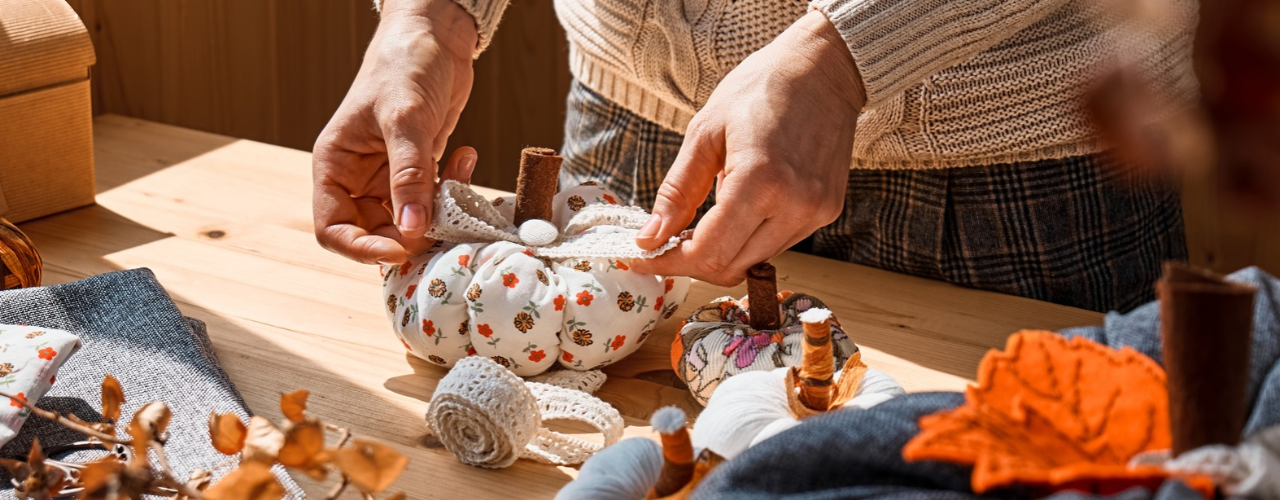
Scary Good DIY Halloween Decorations That Won’t Haunt Your Wallet
A few floating candles in the hallway, a family of ghosts by the front door and a suspicious number of bats climbing up the bedroom wall can make October feel a whole lot spookier. While Halloween stores are full of tempting finds, some of the best DIY Halloween decorations can come from things you already have tucked away in drawers, closets or the recycling bin.
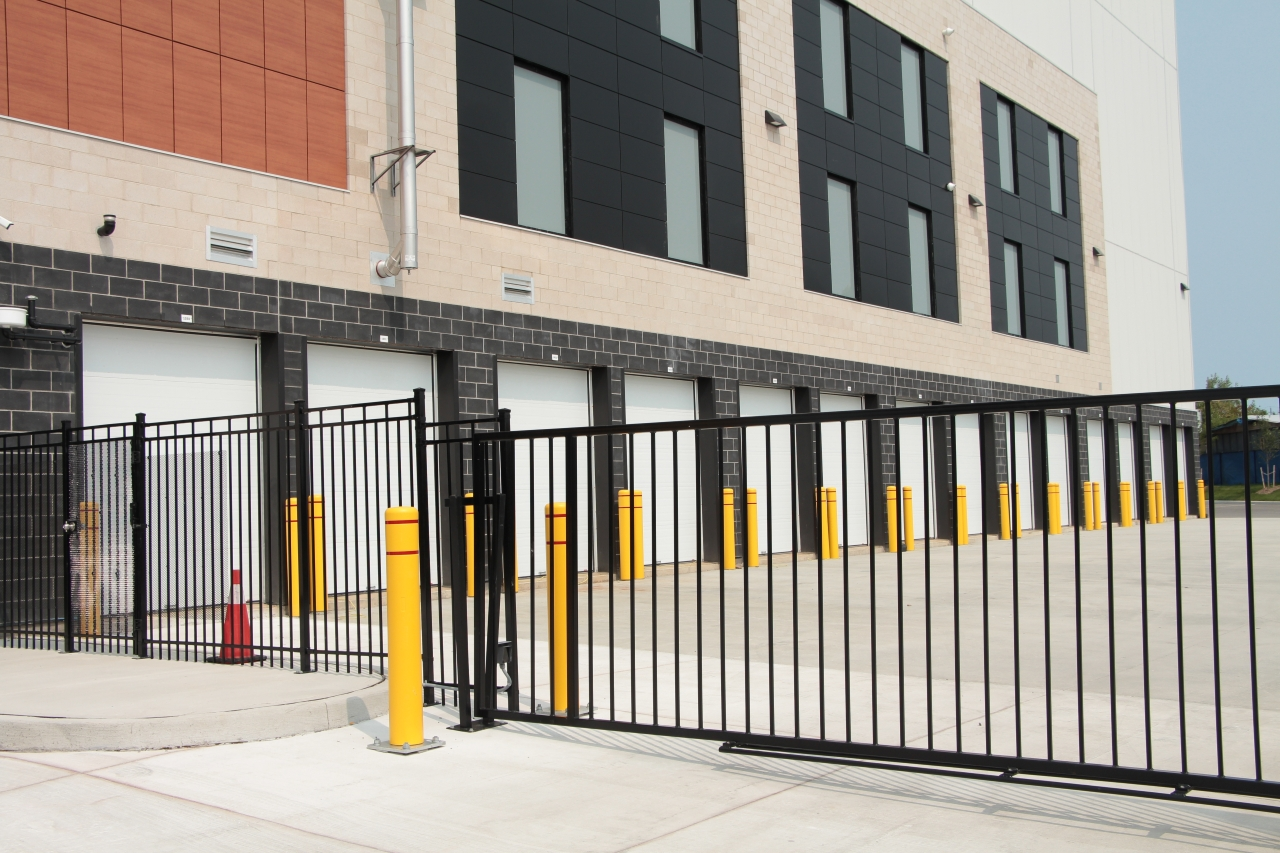
Suburban Giants and Urban Risers: Where America’s 100 Largest Metros Fall on the Self Storage Map
Self storage has long been a suburban story. Across America largest 100 metros, 59% of the inventory built over the past decade sits outside city cores, largely preserving the ratio of the total existing inventory.
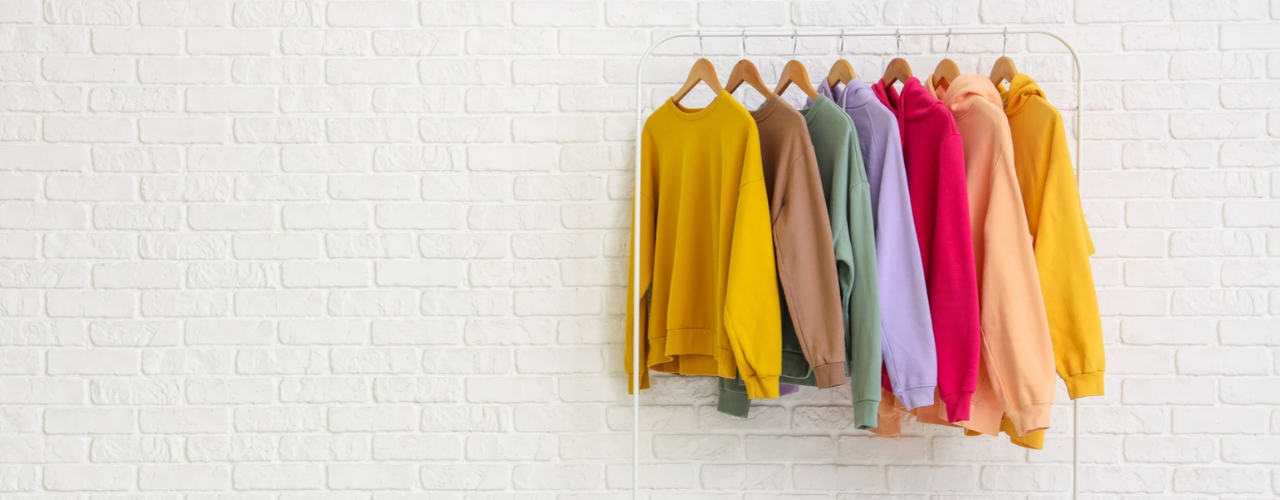
Sweatshirt Storage Ideas Worth Keeping Up Your Sleeve
Sweatshirts are great until you realize how much room they take up. A few thick hoodies can fill a drawer fast, with lighter crewnecks getting squashed underneath or pushed somewhere you forget about. Good sweatshirt storage can make that pile much easier to manage without requiring a bigger closet.

Living Room Storage Ideas: 28 Ways to Reclaim Your Hosting Space
If a living room is where most of a household’s living happens, good storage should be the top priority for setting up or revamping the place. After all, think of how easier it would be to have people over when tidying up the place is just a matter of putting things in their right place (in a time when fewer and fewer people are entertaining friends at home(opens in new tab)). The trick is making room for all those wayward clothes, blankets, chargers and other small things that end up on (or, inexplicably, in) the sofa. Here are 28 living room storage ideas to get you started and make tidying up a quick affair.
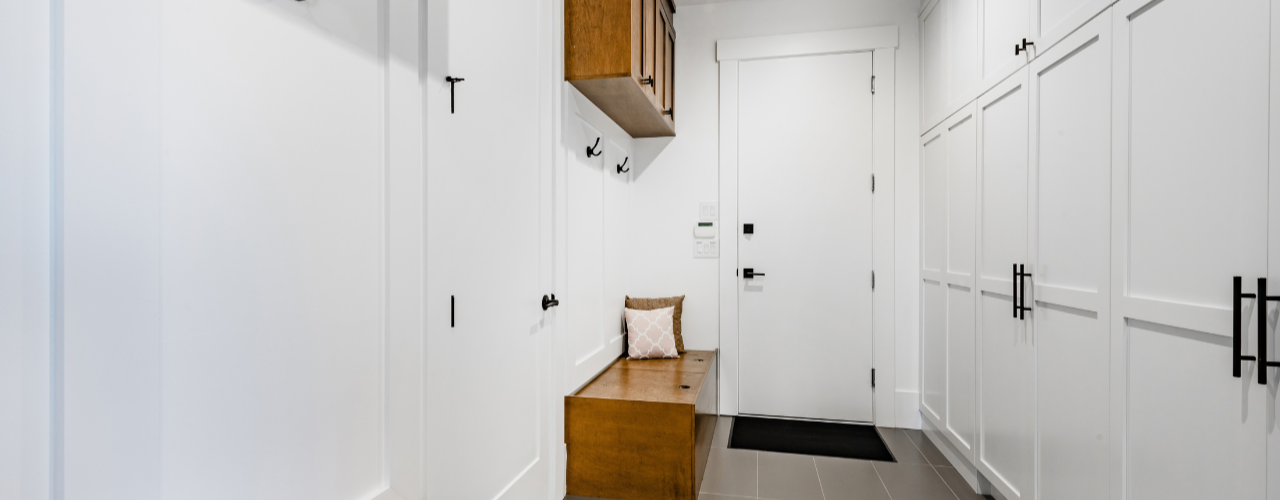
25 Mudroom Storage Ideas (And Mistakes to Avoid)
When you come home with muddy boots, an armful of bags and a coat you can’t wait to take off, it’s nice to have somewhere to put it all. With a mudroom, you can leave the outdoor mess at the door instead of carrying it through the house. Traditionally, you’d set aside a separate room, but you can just as easily use a hallway, an entryway closet, a laundry-room corner or a stretch of wall near the entrance.
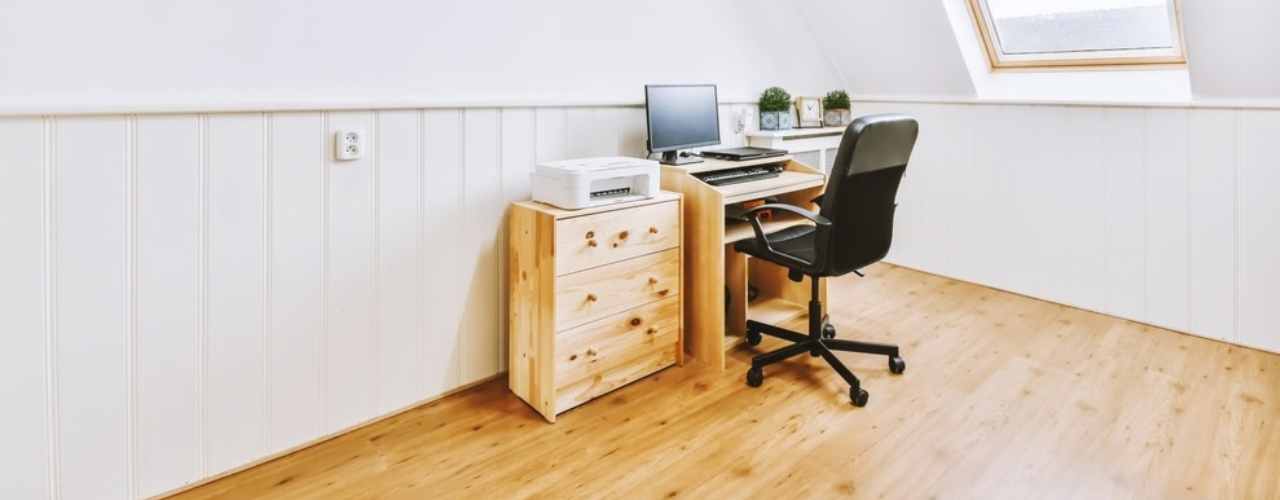
Is Your Home Office Worth the Rent? What Coworking and Self Storage Could Save You
Every square foot of your apartment comes with a price tag, and a home office claims more of them than most renters expect. It starts with a desk. Then come the second monitor, the printer, the filing cabinet and the overflow boxes. Before long, the corner you set aside for work has turned into a small room you are paying for every month.

Best U.S. Cities to Live Uncluttered: Plano, TX, Offers the Most Room to Breathe
Clutter is in our homes as much as in our heads. Both are shaped by where we live.

America’s Top Snowbird Destinations for 2026–2027: Florida Leads in Numbers, Texas Wins on Value
For Americans living in colder states, the approach of winter is reason enough to start looking south. Cold weather carries costs that go beyond the heating bill and shoveling snow. Seasonal affective disorder(opens in new tab) is far more prevalent in northern states, so a temporary move south isn’t simply an escape from the cold, but a chance to spend the hardest stretch of winter outdoors and in the sun.
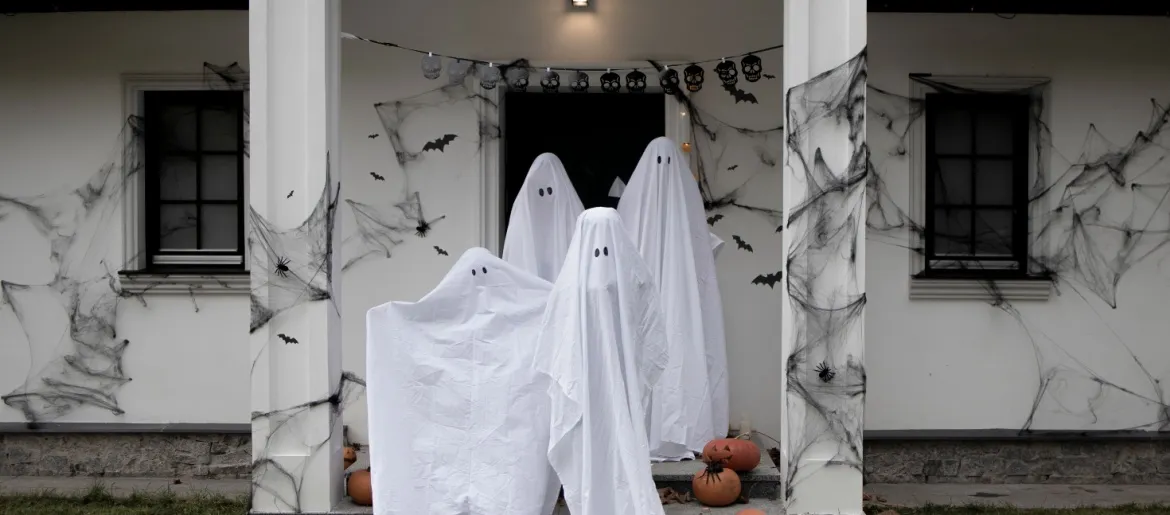
How Much Does Halloween Really Cost in 2026? Plan Wisely to Avoid the Scare of Hidden Costs
Americans’ love for Halloween is almost frightening — this year alone, we are on our way to spending $13.5 billion, according to data from the National Retail Federation(opens in new tab). That breaks down to about $115 Halloween costs per person, a whopping 49% more than 10 years ago.