
Multi-purpose Homes: How To Create A Living Space That Serves As An Office, Playground, Gym and More

The way we use our homes and the roles that a house must fulfill change over time, as society itself changes. Those changes are usually subtle, and it takes plenty of time until new trends become generalized. For example, we now live in much larger houses(opens in new tab) than in the past, but this shift in housing size happened over decades – in 2019, the median size of a newly built home was over 2,300 square feet, according to the US Census(opens in new tab), almost 1,000 square feet more than the median home in 1973.
The past year or so brought a fundamental and very rapid change in how we use our homes – a change that’s probably here to stay, at least partially. Many of us not only ended up working from home(opens in new tab), but also homeschooling and entertaining our children, not to mention also exercising at home. As the pandemic is being brought under control, we already returned to some of the old normal – kids are back in schools and going to the gym is possible throughout most of the country. However, with working remotely(opens in new tab) becoming a more permanent option, some of the new roles our homes must fulfill will stay too.
All in all, going forward, our homes will have to answer to a wide variety of needs, so here’s how to make sure your home is up to the task.
Define your and your family’s current and future needs
Think about your family’s particular circumstances – how many people are working from home or might do so in the future, how do you prefer to exercise, how and where your kids prefer to play, and how their needs will change in the future as they’re getting older. Based on such factors, you can come up with a home reorganizing plan that suits everyone’s needs, which is especially great if your household is multi-generational(opens in new tab).
Assuming two (or more) adults are working from home in your household, consider turning one larger room into a home office to be used by everyone, instead of trying to fit multiple working spaces in various corners of your house. It’s less isolating and more comfortable for those working from home to be in a larger space with some “coworkers” – in this case, other family members. In case of phone calls or video calls, the person who has to take them can go to a different room – or you could invest in some good quality, noise-canceling headphones.

Think about your sport-related preferences and opportunities. For example, if you live in a southern state where you can workout outdoors throughout the entire year, you can set up an exercise area in your backyard, thus saving space inside the home. Or maybe exercising at home is simply not up your alley – in this case, spending money on a home gym in the hope that it will stimulate you to work out is probably not the best idea. Instead, find alternative ways of being physically active with your family – take time during weekends to go hiking or biking, if these are the kinds of activities you prefer.
If you plan to set up a playroom at home, make sure your kids will be able to use it for years to come. Child-size furniture looks really cute, but children outgrow it in a few years. Instead of small and expensive kids’ armchairs, for example, you could get some bean-bag chairs that can be used by children, teenagers and even adults. Buy height adjustable furniture (desks, tables, chairs) as much as possible, so you don’t have to get new items every couple of years. Stay away from very specific décor – children grow out of their passions, so it’s not a good idea to have a room that’s all cars, trains or dinosaurs, from wallpaper to carpet to furniture. In a year or so, you’ll end up redoing it, so keep the major elements of the playroom neutral, and celebrate your kids’ passions through smaller items – for example, easy to remove wall or furniture stickers, pillows, storage baskets and so on.
The main point is to come up with a home design that works for the entire family, not only now but for years to come.
Reassign and reorganize to create more space at home
As the home becomes a hub for different types of activities, it’s important to carve out space for these new functions. Reassigning new roles to different spaces, plus decluttering and reorganizing your entire home will help you accomplish your goal.
Analyze how much space you have, and how you are using it. If, for example, you have a formal dining room, but you’re rarely eating in there, maybe you should turn it into a home office. Spaces such as the basement or the attic can also be remodeled and turned into very comfortable home offices, gyms, playrooms and so on.

Decluttering and reorganizing(opens in new tab) your home are other ways to create more space at home. Decluttering starts with separating the things you’re actually using from the ones that simply take up space and collect dust. Take time and go through your closets with a critical eye. Donate or throw away the pieces of clothing that no longer fit and the ones you simply don’t like anymore. Does your home have junk drawers(opens in new tab)? Take a couple of hours to go through them and separate the junk from the stuff that you need.
Here are a few rules of thumb that will make decluttering easier:
- Keep only one item in each category of objects. For example, if you own two vacuum cleaners, pick your favorite and discard the other.
- Follow the one-year rule: ditch all the things you didn’t use in the past 12 months, whether it’s clothes, electronics, tools, appliances, and so on.
- Use the things that you love. Don’t save your “good” China, towels, sheets, pots, and pans for an undetermined moment in the future.
- Digitalize family pictures, important documents, and other sentimental items – take pictures of your kids’ favorite drawings and projects, instead of packing them in boxes.
- Rent a self storage unit(opens in new tab) to store things like extra furniture, gardening tools and outdoor furniture, decorations, out of season clothing, sports equipment, tools, and so on. All the items that are seasonal, or the ones that you don’t need on a daily basis, can be put in self storage, which allows you to reclaim extra space at home. A 5×5 unit(opens in new tab) can hold multiple boxes filled with stuff plus some small furniture, or a few tools and sports equipment. A 10×10 unit(opens in new tab) is a lot roomier and will allow you to store the contents of an entire bedroom plus some extra boxes, or a similar volume of various belongings.
Focus on versatility and be creative with your space
Mixed-use spaces help you cram more activities into your home. Modern open-space interior design already made the transition toward a more versatile way of living, and you can expand from there. You might not have separate rooms for both a home gym and a home office, but you can certainly combine the two – a stationary bike or some gym equipment and a desk can easily fit in the same space.

Double-duty furniture(opens in new tab) will also help you bring more functions to your space. A coffee table that turns into a desk, or a dining table that easily converts to a narrow console table while not in use, are accessories that allow you to easily switch between different uses for the same room.
Don’t be afraid of unusual solutions. For example, you can turn unused under-the-stairs space into a charming and cozy play area/reading nook for children or fit the space with a desk and some shelves to create a home office. The landing space at the top of your staircase can also make a great home office spot – in most homes, this space that usually has the benefits of good natural lighting, goes mostly unused. Vertical space should also be explored. Loft beds are another good example of versatile use of interior space: such a bed will ensure that one room can act as home office and bedroom at the same time, without being too cramped and uncomfortable.
Applying the principles of utility, long-term use and versatility to your entire home helps you prepare for all the space-related challenges you might be facing in the future.



How to Move a Piano: Moving, Insurance & Storage Guide
Before we get into the nitty-gritty of the matter, let’s agree on the simple fact that, unlike other types of relocation conundrums, moving a piano is just a very cool thing to see, let alone accomplish. The labor that makes piano concerts possible and keeps legendary instruments alive, a piano relocation takes meticulous planning, special equipment and a crew that really knows their stuff. That is, unless you’re set on recreating the piano crash of a classic Looney Toons gag.
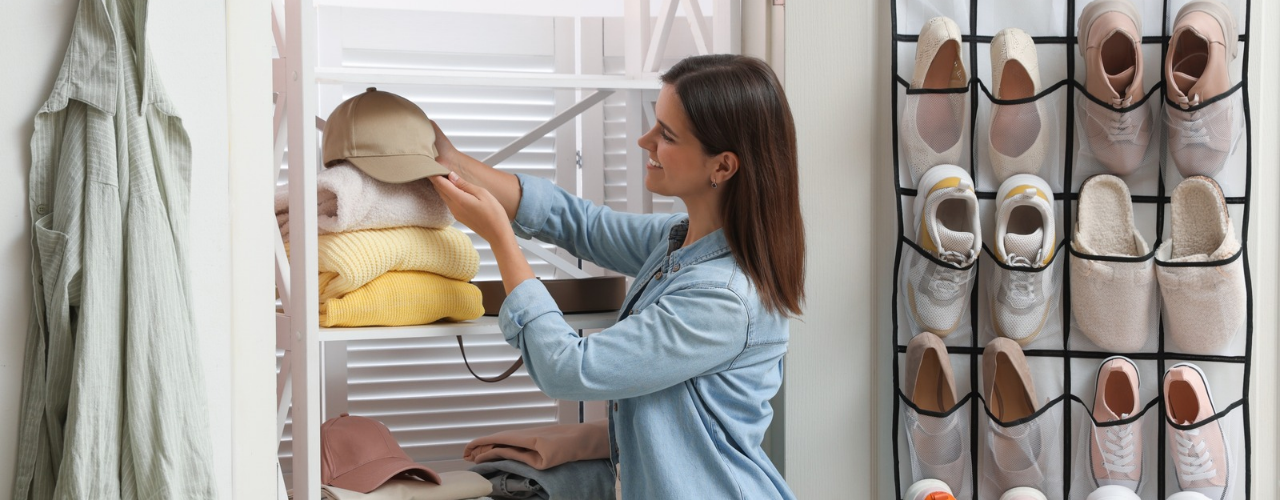
Hall Closet Organization: 30 Ideas for Simpler Storage
Your hall closet works best when you can grab anything quickly and put it back just as fast. These 30 ideas walk you through planning, deciding where things go, deep shelves, coats and shoes, containers, extra space and upkeep, plus what you can do when your closet still runs out of room.
Holiday Decoration Storage: A Guide for Every Season
Taking down the holiday decorations is never as exciting as putting them up. One minute, your home is looking wonderfully festive, and the next, you’re trying to remember which box the Christmas ornaments came in while wrestling with a string of lights that managed to tie itself into a dozen knots. With every holiday bringing its own collection of decorations, a good holiday decoration storage system helps you keep a growing collection under control.
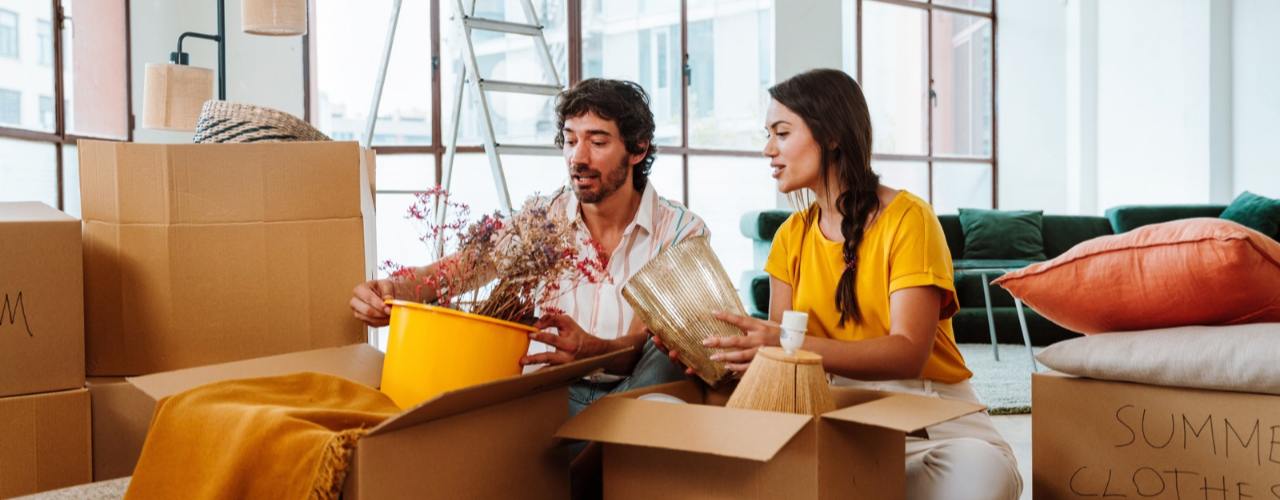
Where to Get Moving Boxes in Philadelphia
Philadelphia’s historic charm can put your patience to the test on moving day. Between cobblestone streets, narrow rowhouse entrances and the occasional pothole, you don’t want to worry about not having enough boxes on top of it all. Start gathering your moving boxes early and you’ll have one less box to check off on packing day. Luckily, you have plenty of places to get your boxes from.
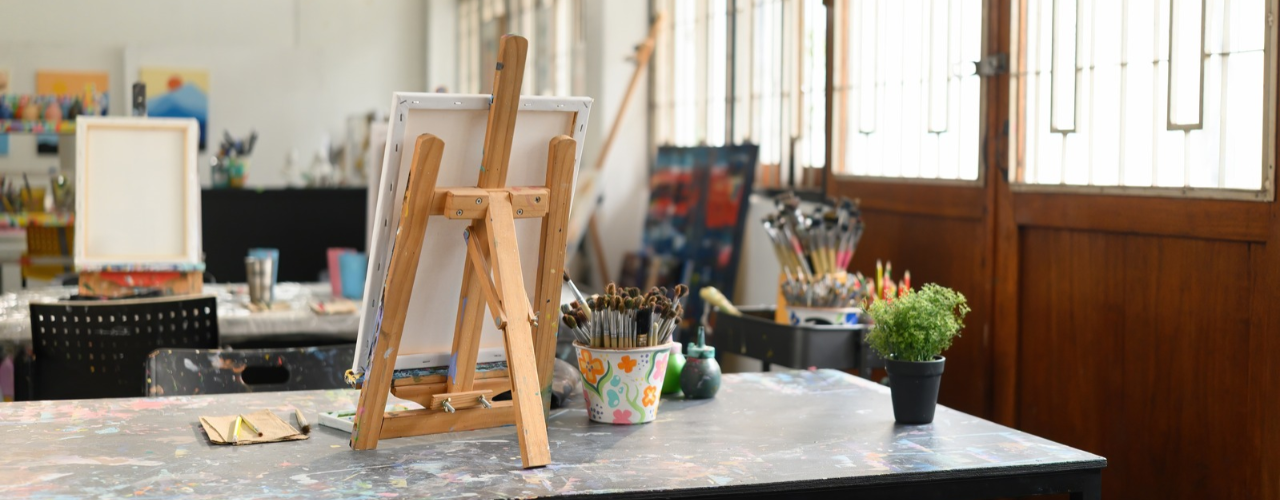
Art Supply Storage from A to Easel
Paint tubes, brushes, sketchbooks, scraps of paper, beads, half-used rolls of tape and that one very specific pen you swear you just had in your hand. Building up an art supply collection is rarely a neat process, and each new material brings its own storage needs.
Scary Good DIY Halloween Decorations That Won’t Haunt Your Wallet
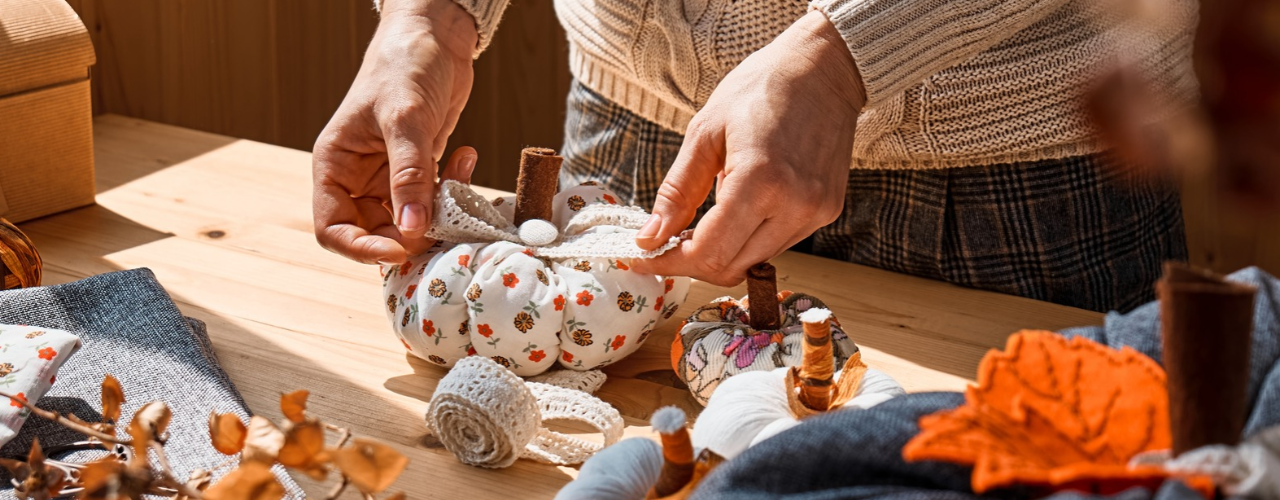
A few floating candles in the hallway, a family of ghosts by the front door and a suspicious number of bats climbing up the bedroom wall can make October feel a whole lot spookier. While Halloween stores are full of tempting finds, some of the best DIY Halloween decorations can come from things you already have tucked away in drawers, closets or the recycling bin.
Suburban Giants and Urban Risers: Where America’s 100 Largest Metros Fall on the Self Storage Map
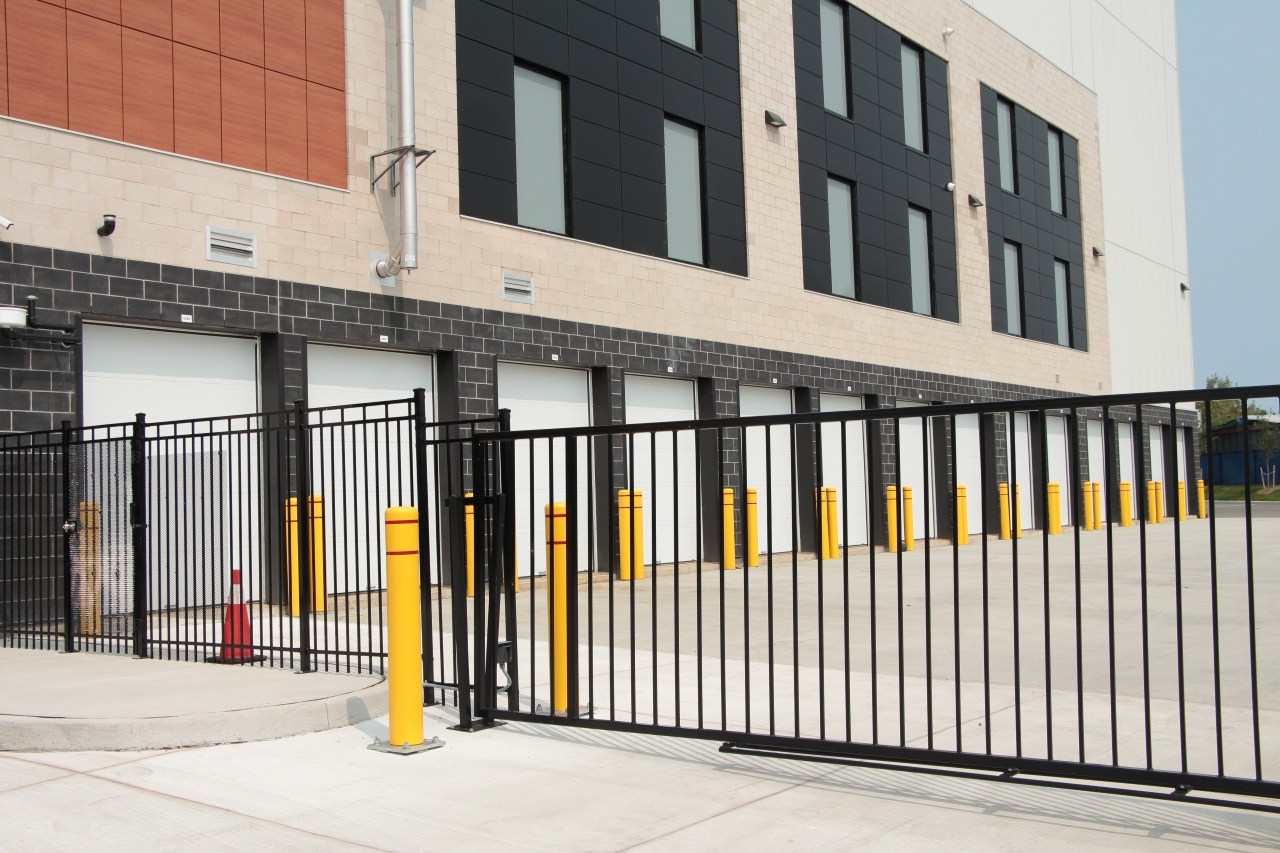
Self storage has long been a suburban story. Across America largest 100 metros, 59% of the inventory built over the past decade sits outside city cores, largely preserving the ratio of the total existing inventory.
Sweatshirt Storage Ideas Worth Keeping Up Your Sleeve
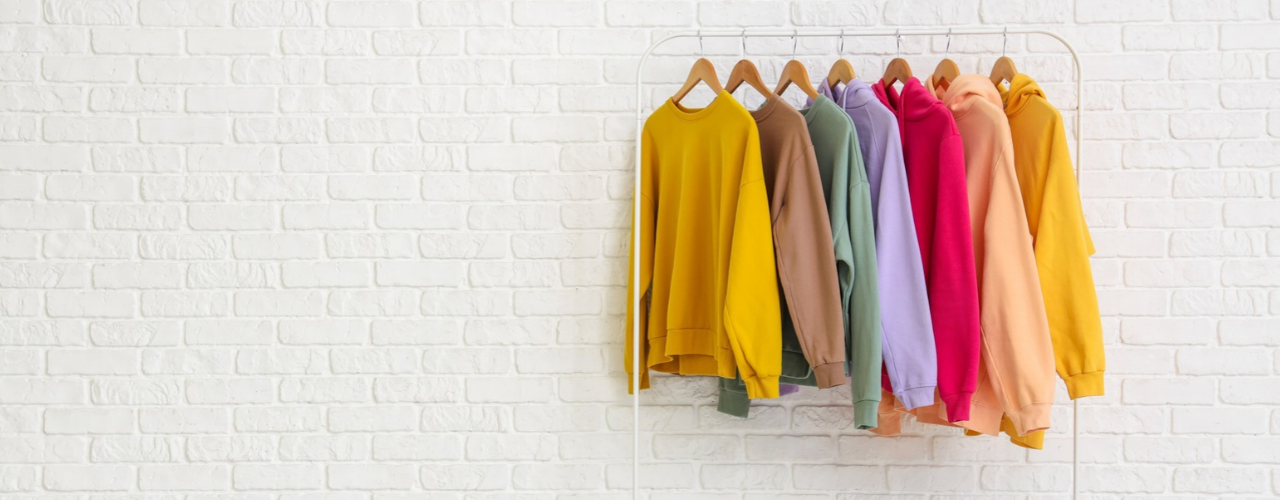
Sweatshirts are great until you realize how much room they take up. A few thick hoodies can fill a drawer fast, with lighter crewnecks getting squashed underneath or pushed somewhere you forget about. Good sweatshirt storage can make that pile much easier to manage without requiring a bigger closet.
Living Room Storage Ideas: 28 Ways to Reclaim Your Hosting Space
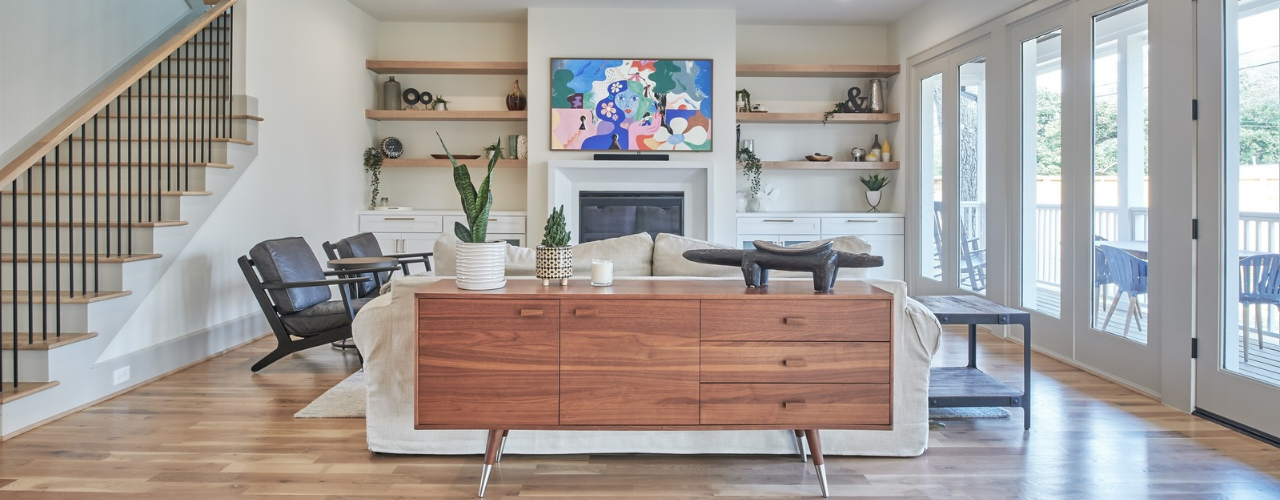
If a living room is where most of a household’s living happens, good storage should be the top priority for setting up or revamping the place. After all, think of how easier it would be to have people over when tidying up the place is just a matter of putting things in their right place (in a time when fewer and fewer people are entertaining friends at home(opens in new tab)). The trick is making room for all those wayward clothes, blankets, chargers and other small things that end up on (or, inexplicably, in) the sofa. Here are 28 living room storage ideas to get you started and make tidying up a quick affair.