

Downsizing your home can bring many advantages, but your living space will now be smaller and not all your stuff may fit into it. Then there is the strain of moving to the smaller home, including protecting your possessions for the big move and keeping costs down. But if you plan well, there are many ways to both reduce your belongings and make the moving process go more smoothly.
Downsizing can earn homeowners in excess of $100K when swapping four-bedroom for two-bedroom properties in the US’s biggest metros. Retiring or moving to a more expensive area are a couple of the reasons they make the move. But the pandemic also caused many people to downsize, and an increased trend toward multigeneration living has make living space even more restricted for some households in this situation.
How can I make downsizing easier?
Timing is important to avoid as much stress as possible. Planning each task that needs to be done, within a schedule, will ensure that important things don’t get left to the last moment and that helpful ideas don’t get completely neglected. If you want to know how to downsize your home, read our downsizing countdown of the 30 days before moving day, with both essential steps and optional ideas you can consider so the process doesn’t have to be difficult.
30. PLAN YOUR MOVE: Even before you know what possessions you will move into your new home you can plan how to get them there. To save money, you can drive a van yourself and ask a few friends in good time if they can help.
29. BOOK A MOVING COMPANY: However, moving can be complicated, so consider hiring professionals. Calculate approximately how much stuff you will be moving, find a well-recommended company and book them as early as you can.
28. SAVE UP SOME MONEY: However you decide to move, there will some expenses occurred, so now is the time to make sure you will have the cash needed to cover all eventualities. Even friends who help out will appreciate some pizzas!
27. CONSIDER MOVING INSURANCE: You may want to keep your piano and antique dining set, but these valuable items can be tricky to move. This is another good reason to employ professionals — ask them about the moving insurance they offer.
26. REASSESS YOUR FURNITURE: Even if your furniture is fine and you want to keep it, it may not look right in a smaller space. Go to an antique shop that can sell you smaller items as beautiful as the old ones that they will buy from you.
25. DON’T FORGET THE PETS! You love Lassie, Garfield, Mickey and even Nemo, but is there room for them all in the new home? Work out how to accommodate them there, or contact friends early who might be willing to take them in.
24. SIZE EVERYTHING UP: To see what you can get into your new place, calculate all its dimensions. Start with each room’s floor space to see what furniture will fit in there and then make a note of other spaces such as nooks and corridors.
23. ASSESS YOUR POSSESSIONS: You may have been storing more things than you ever realized! Work out how much space your possessions take up in your old property, and don’t forget outside spaces such as garages, patios and sheds.
22. DO THE MATH: Calculate the space difference between your old and new properties. Taking into account how packed your old place is, work out how much of your stuff will fit into your new place and how much of it will need another home.
21. CONSIDER NEW STORAGE OPTIONS: You will probably have belongings that won’t fit obviously into your smaller home. Find extra space there where shelves and cupboards can be added — rent a self storage unit to extend your space further.
20. GET SHREDDING: You will probably still be short of storage space, so start slimming down your possessions. With paperwork, for example, the usual advice is to keep tax documents for 3 to 7 years. Shred the rest to save storage space.
19. DIGITIZE YOUR MEDIA: Another great way to save shelf space is to put all your favorite CDs and DVDs into digital form. You could then try to make a bit of money by selling the hard-copy media at a yard sale at your old property.
18. SEND BOOKS BACK TO SCHOOL: As with your disks, books might be taking up unnecessary shelf space, and you may now read everything on a mobile device. So, consider adding them to the yard sale, where curious youngsters may pick them up.
17. DECLUTTER YOUR KITCHEN: Save space by letting go of any kitchen utensils you rarely use. Also, you could wash up by hand so you don’t need to find room for a dishwasher, or for all that extra crockery that spends half of its life in there.
16. FOR EVERYTHING THERE IS A SEASON: Holidays like Christmas require a few items of decor. If you have been keeping yours in a box, now you could consider if you need them all. A self storage unit is a great place to keep seasonal items.
15. PURGE CLEANING EQUIPMENT: Less cleaning duties in your smaller home? Maybe that big old vacuum cleaner can be swapped for a new one that takes up less space. The same goes for cleaning gear for surfaces you no longer have.
14. SORT EXCESS BELONGINGS INTO 3 PILES: Despite your best efforts, you probably still have possessions you can no longer accommodate. Sort them carefully into three piles marked ‘Sell,’ ‘Donate’ and ‘Throw.’
13. SELL LIKE AN EXPERT TRADER: Maximize the money you make on valuable items you need to let go. Antique dealers and other experts will give appraisals, and finding comparable items on classified advert sites will also give you an idea.
12. DONATE TO FAVORITE CAUSES: For that second pile, belongings you decide not to sell can still find good homes. Many charities will be glad to collect these items from your home and give them to people who need them.
11. THROW AWAY RESPONSIBLY: Take paper, plastic and metal items to a recycling center, while local authorities and retailers may take your old electrical goods. For everything else, coordinate with your garbage collection service.
10. GET PACKING EQUIPMENT: You now know what items you need to move. Boxes can be obtained from a moving company, online sellers or even for free from stores. Get moving containers for clothes and electronics, and plenty of tape.
9. PACK CAREFULLY: There may be fragile glasses and dishware among the precious items you have chosen to keep. You will need packaging materials like foam peanuts and bubble wrap. Special boxes are also available with added padding.
8. BE A CHIP OR A JOANNA! If you are downsizing to a fixer-upper, the financial gains will be offset by the amount of tools, materials and mess you will have. To avoid stress, calculate like a pro how you will live there during the renovation period.
7. GET BUDGETING: Downsizers may have experienced financial challenges at their old properties. Having water or gas cut off is not fun, but now you can ensure it does not happen again. Assess your income and spending and get budgeting.
6. PLAN TO RESPECT YOUR NEW SPACE: If, like many people, you enjoy shopping, now is a great time to reconsider your spending habits. With less storage space now available, be sure your new home doesn’t quickly get cluttered.
5. TELL YOUR FRIENDS! You may no longer have a spare room where friends and family could sleep after a good dinner or while they are in town. Be nice and gently get them used to the idea of taking taxis and paying for hotels.
4. CONSIDER CYCLING: If you no longer have a place for a car, you may be pleasantly surprised at how your city is adapting to the increasing trend for cycling. Then there are electric scooters, which also don’t take up much space in the home.
3. SIGN UP AT A GYM: Working out is not for everybody but this is a time for new beginnings. You may not have sufficient floor space in your smaller home for exercising, but you’ll probably want to move around it as nimbly as possible!
2. MAKE A FIRST-NIGHT BOX: Put items for your first night in your new home in a box and keep it to hand. These include a change of clothes, toilet paper, soap, razors and phone chargers — not too many though, you’re downsizing, remember!
1. IT’S MOVING DAY! This event will certainly provide you with some abiding memories, but you’d surely prefer them to be pleasant ones. Don’t forget those pizzas.

Downsizing is different for everybody. You may not need to lose your car or to get fit, but at least you have now considered these options, along with the essential issues. For many of these steps, renting a storage unit will help immensely. Essential possessions which do not fit into your new place, for example mementos and files of documents, can be put into a small 5’x5’ storage unit long-term, furniture can be stored in a 5’x10’ storage unit, and a car can be kept in a 10’x20’ storage unit. For the moving process itself, a storage unit is a very helpful repository for all the things you are transferring between properties — you can then move them from there into your new place on your own schedule — but just be sure to rent the right size unit. Happy downsizing!


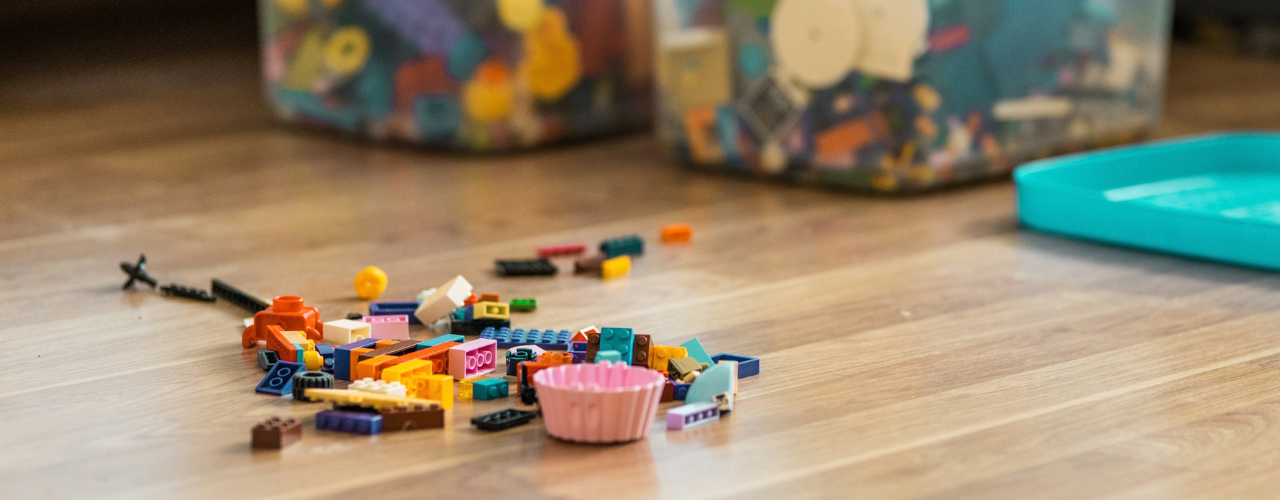
How to Store LEGOs: All the Fun, None of the Clutter
How to store LEGOs largely comes down to how your household uses them. If the bricks are part of everyday play, you need a setup that keeps them within easy reach and makes cleanup quick (for your feet’s sake, at least). Toy storage(opens in new tab) such as simple bins, playmats or containers that children can put away themselves may be enough. Larger or more serious collections usually need more organization, such as labelled drawers for loose pieces, trays for unfinished builds, shelves for completed models and separate storage for retired sets.

Cardboard Costume Guide: Tips and Ideas for a DIY Halloween
Whether for kids or adults, cardboard costume ideas often make the biggest splash once materialized, and that’s for a simple reason: doing a lot with a little is a universally impressive feat (especially in this economy). If you don’t have enough boxes you could temporarily repurpose, don’t worry! There are many places where you can find free moving boxes(opens in new tab), from stores and supermarkets to online groups and recycling drop-off spots. On the run? Try your luck at a self storage(opens in new tab) facility that sells moving supplies, often for cheap. This way, you can choose moving boxes of different shapes and sizes(opens in new tab), so you can make your costumes as complex as you want.

How to Celebrate Halloween: 9 Non-Spooky Ways To Enjoy It
As soon as October starts, it’s the official Halloween month. And while for many people it means it’s open season to get the scare of a lifetime, others, especially families with small children, might prefer to celebrate in a tamer way that’s both kid- and adult-friendly. While you’re likely to find more events where the spook factor is high, here’s how to celebrate Halloween in a not-so-scary way:

Motorcycle Storage Guide: How to Store Your Bike Safely
Motorcycles may be born to be wild, but eventually even the wild ones need somewhere to park. Whether riding season is winding down or your current living situation comes with plenty of square footage for you and less for your bike, motorcycle storage is one of those parts of ownership that doesn’t get as much airtime as the open road.

Halloween Decorating on a Budget (And Cheap Ideas for Everything Elsee)
Halloween has crept a long way from its eerie origins. While All Hallows’ Eve has transformed through the centuries, it wasn’t until the 1930s that trick-or-treating became a tradition in the U.S. and businesses began conjuring up mass-produced Halloween costumes. Now, Halloween is a monster-sized, billion-dollar industry, with a cauldron full of costumes and decorations ranging from the mainstream to the macabre. But is it all really worth your wallet? Maybe, but we’ll let you in on a little secret: You can keep your Halloween decorating on a budget and save on everything else, too. Take this plan and see it through!

Moving From a House to an Apartment: What to Expect, How to Downsize & How Self Storage Helps
For some, moving from a house to an apartment is a financial decision. For others, it’s about simplifying life. Maybe the kids have moved out and half the house sits empty, or you’re approaching retirement and no longer want to spend weekends on repairs. Or perhaps you’ve been weighing the cost of buying a home and wondering whether renting simply makes more sense right now.
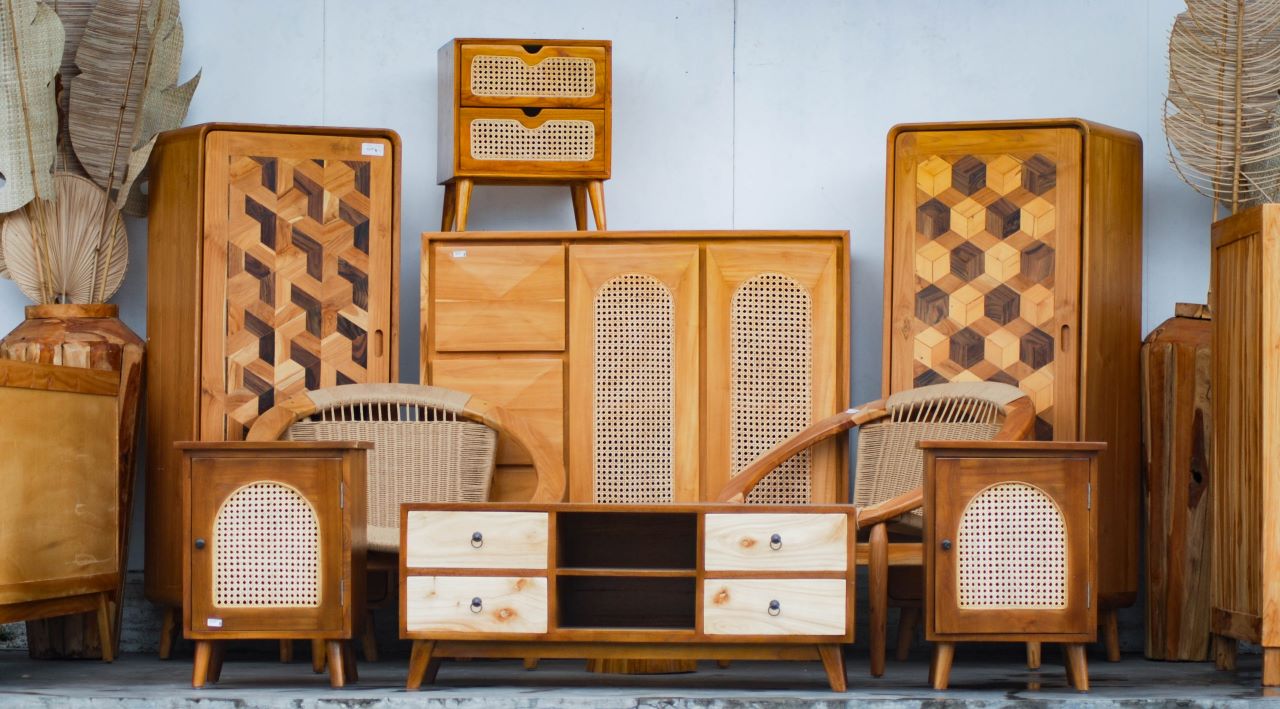
Family Heirlooms Overload: How to Handle Family Inheritance Without Regret
Handling family heirlooms after a loss requires managing legal authority, emotional pressure and practical logistics at the same time, and the order you take them on matters more than most people expect.
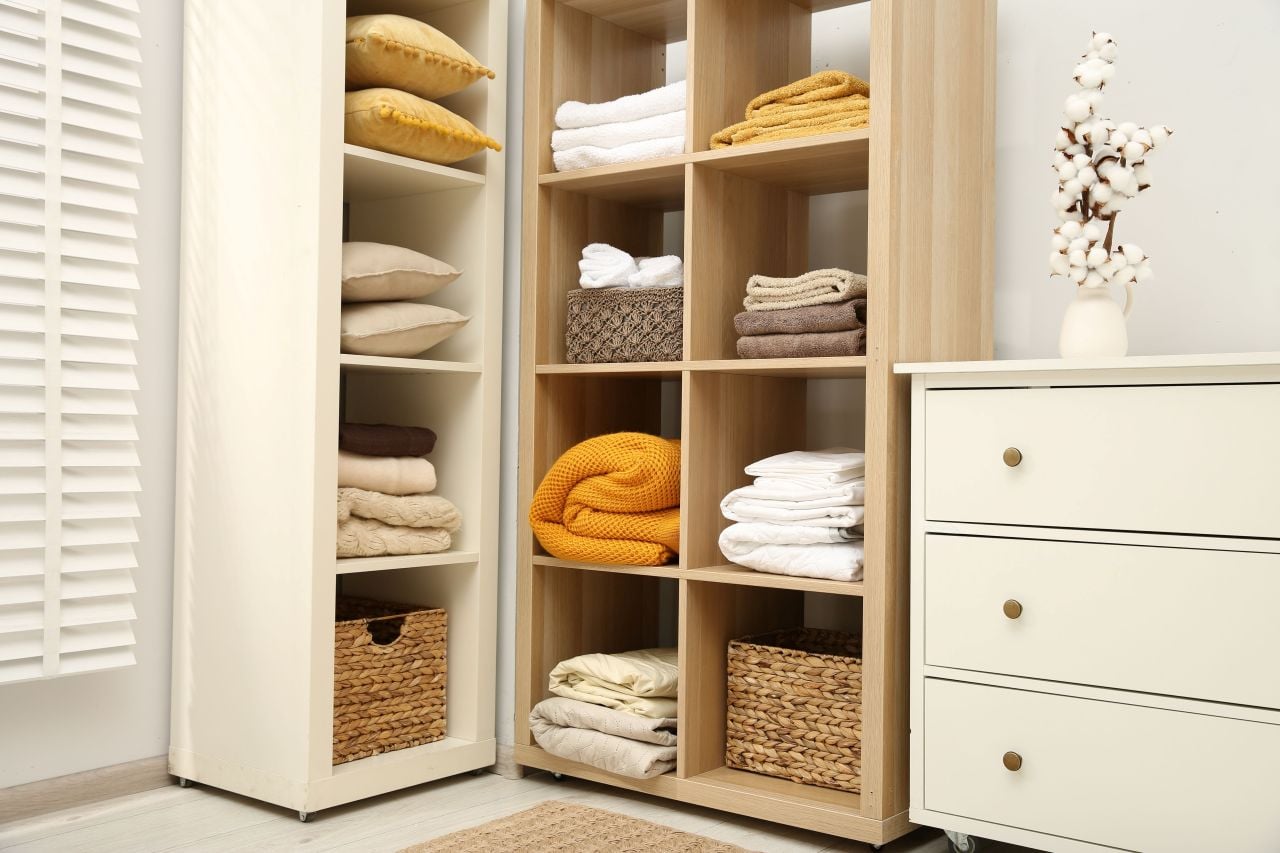
Blanket Storage: The Right Method for Every Space and Season
Blankets make our lives cozier, and storing them well is what keeps them soft and comfortable in the long run. Knowing how to store a blanket properly means your favorites come out of storage smelling fresh, feeling the same as when they went in, and lasting years longer than they otherwise would.

Board Game Storage Ideas That Keep Your Collection in Fighting Shape
Nobody warns you that getting into board games usually unlocks a second hobby, the much dreaded one that includes figuring out where on earth to put them. One game becomes a few, expansions start spawning beside their base boxes and before long, board game storage requires as much strategy as whatever is waiting on the other side of those lids.