

If you’re about to make San Francisco your new home, you should know the city has a lot in store for you. As one of the largest U.S. cities, San Francisco is a cosmopolitan urban hub fueled by a strong economy, ample job opportunities, entertainment and more. While being a popular tourist destination, San Francisco sports cool summers, an eclectic mix of architecture and a bouquet of landmarks easily recognizable from TV shows and movies.
Here’s what to keep in mind when moving here:
1. Your San Francisco happy place may be on the smaller side
As you’re about to get settled in San Francisco, make sure to find the neighborhood that’s right for you. San Francisco has such amazing diversity in terms of neighborhood offerings that it will be easy to find your happy place here.
San Francisco has a little bit of everything in terms of neighborhood offerings. Fisherman’s Wharf is busy with tourists, while Nob Hill and Russian offer the best classic San Francisco views. If you’re looking for a family-friendly community, Cole Valley or Noe Valley is the perfect community.
Here’s what to consider when you’re deciding whether to go for:
- House living
If you’ve settled on buying a home – whether it’s a San Francisco fixer-upper or not – it will cost you around $1.6M, according to the Zillow home value index. While home prices are typically steep here, you also get a little more space. San Francisco homes offered about 3,200 square feet in 2019, gaining 550 square feet of space over the last decade, according to a recent report on home sizes. To accommodate the larger homes, San Francisco lots shrank to 2,700 square feet, a 20% drop since the 1920s, per another study on house lot sizes.

San Francisco neighborhood near Coit tower
- Apartment living
Renting can also be a viable housing choice, especially if you’re not ready to buy a home yet. In San Francisco, 63% of the existing housing stock is occupied by renters. Local rental complexes provide a good mix of community amenities. Over half of them offer access to community outdoor space (62%) and other features such as pools, on-site parking, gyms, and business centers – based on a study looking at the best cities for lifestyle amenities.
Renting is not half bad in San Francisco, especially if you live with roommates. As opposed to renting a one-bedroom apartment on your own, sharing a two-bedroom with a roommate can bring you a hefty $8,700/year, the second highest level of savings out of the median annual personal income. That’s according to a StorageCafe study examining the best cities for roommate living.
2. A thriving job market still supported by a booming tech sector
San Francisco benefits from a strong service economy. Besides finance and tourism, the city is home to high-tech medical research and biotechnology companies—a diverse palette of employment sectors. In 2019, the GDP in the San Francisco metro area brought in a whopping $590 billion. It’s no wonder the local GDP is off the charts, given that the City by the Bay is home to major companies such as Wells Fargo, Twitter, Airbnb, Uber, Lyft and more.
San Francisco has gained international recognition for attracting new businesses and encouraging entrepreneurship. The city is renowned for its high number of tech startups. Consequently, it’s not surprising that 15% of the local workforce is employed in tech, based on a a report on digital economy readiness. Moreover, San Francisco ranks second for technological preparedness, according to the same report.
3. The EV culture is strong here
Thanks to its tech-oriented industry and the residents’ penchant for green living, San Francisco has become a hub for electric cars, standing out as the second best city for electric cars according to a study looking at the best cities for electric cars. The city boasts about 122,400 EVs, the second highest number of electric vehicles in the nation. Even more, if you’re an EV owner and you rent in San Francisco, you’re in luck. Close to 7% of apartment buildings in San Francisco have EV-charging capabilities, which means you can easily charge your electric vehicle at night.
The city has taken great strides to encourage EV takeup so much so that there are currently 290 miles of HOV lanes or about 15% of the total length of highway lane mileage. Moreover, a third of the public transit in San Francisco runs on clean energy.

Muni Metro, a light rail system serving San Francisco
4. San Francisco is a significant higher education center
San Francisco is outstanding, thanks to the high percentage of locals who have a college degree (58%). That’s mainly due to the city and the Bay Area being a center of the sciences and the arts. A high number of educational institutions are located here, including San Francisco State University and the University of California, which operates UCSF Medical Center – one of the best hospitals in California and a major local employer. The University of California, Hastings College of the Law is the oldest law school in California, and it’s also located in San Francisco.
5. The arts found a welcoming haven here
San Francisco also shines brightly when it comes to its art scene, whether we’re talking about the performing arts – with its theaters and live performance venues – or its museums that host numerous contemporary works of art. There are also various public artworks and murals that dot the city, contributing to the artistic feel of the place. It’s no wonder San Francisco was named the second best place for bohemian workers, according to a Storagecafe’s report on best metro areas for bohemians. In fact, about 4.3% of the local workforce is composed of artists.

Museum of Modern Art, San Francisco
6. Tourism is part of the city’s identity
Thanks to the city’s portrayal in music, film and pop culture, tourism is big in San Francisco. Famous attractions include the Golden Gate Bridge and Alamo Square Park, where you can find the renowned “Painted Ladies” – both making an appearance in the Full House sitcom. Lombard Street – the famous crooked street – and Pier 39 also feature high on the tourists’ favorite San Fran destinations.
Besides typical tourists, San Francisco started attracting conventions in the 1970s, which added to the local tourist industry and boosted the hotel industry. Convention districts such as Yerba Buena and the commodification of the Castro District contributed to a thriving tourist economy.
7. Self storage can help you get settled into your new San Francisco home
Once you get settled into your new San Francisco home, make sure to find an organizational system to help you keep all your belongings in order. You’re in luck if you found a larger home with plenty of storage, but you’re more likely to have a home that’s less generous in this department. That’s according to a recent report on home storage options. To help you keep a more organized home, you can turn to self storage. You can rent a 5’x10’ storage unit to keep bulkier and seasonal items. If you have larger items to store, such as furniture and appliances, you can choose a 10’x10’ unit. If you’re not sure which unit size you need, you can consult this storage unit size guide. Renting a self storage unit in San Francisco costs you about $270/month.
Moreover, if putting some of your belongings in storage isn’t enough to help you keep clutter at bay, you can always look out for local home organizers.



Moving From a House to an Apartment: What to Expect, How to Downsize & How Self Storage Helps
For some, moving from a house to an apartment is a financial decision. For others, it’s about simplifying life. Maybe the kids have moved out and half the house sits empty, or you’re approaching retirement and no longer want to spend weekends on repairs. Or perhaps you’ve been weighing the cost of buying a home and wondering whether renting simply makes more sense right now.
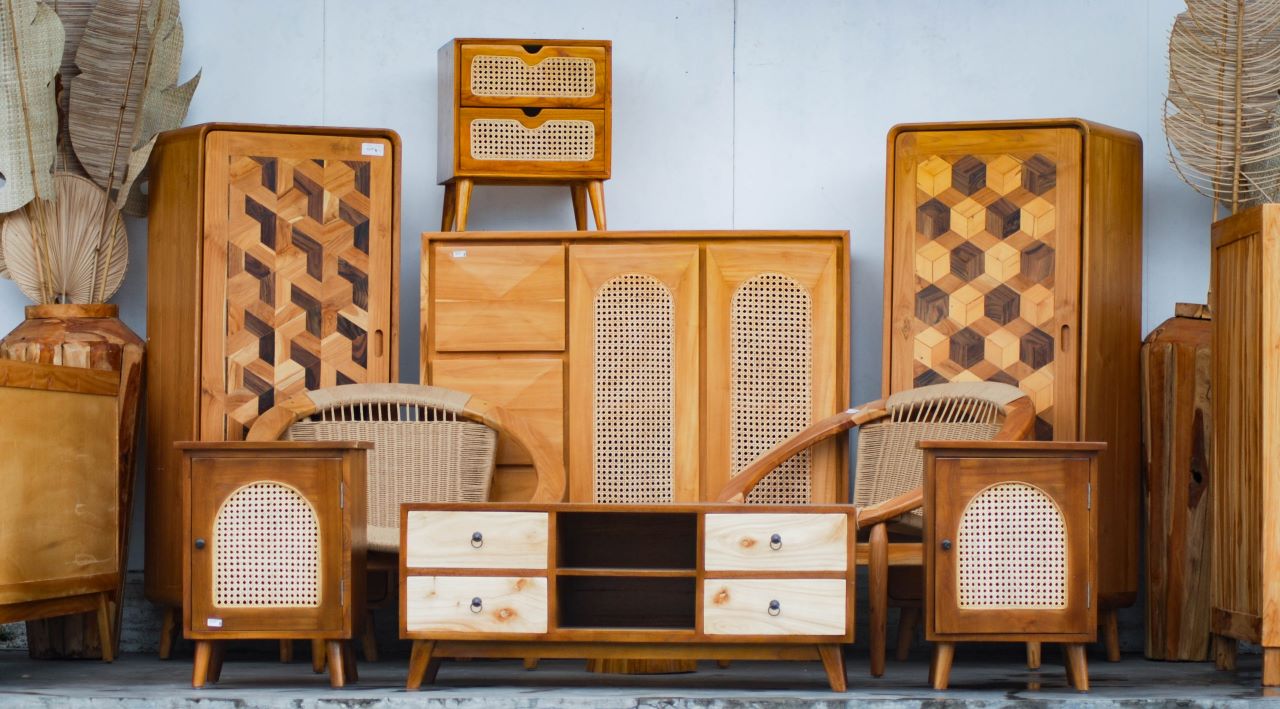
Family Heirlooms Overload: How to Handle Family Inheritance Without Regret
Handling family heirlooms after a loss requires managing legal authority, emotional pressure and practical logistics at the same time, and the order you take them on matters more than most people expect.
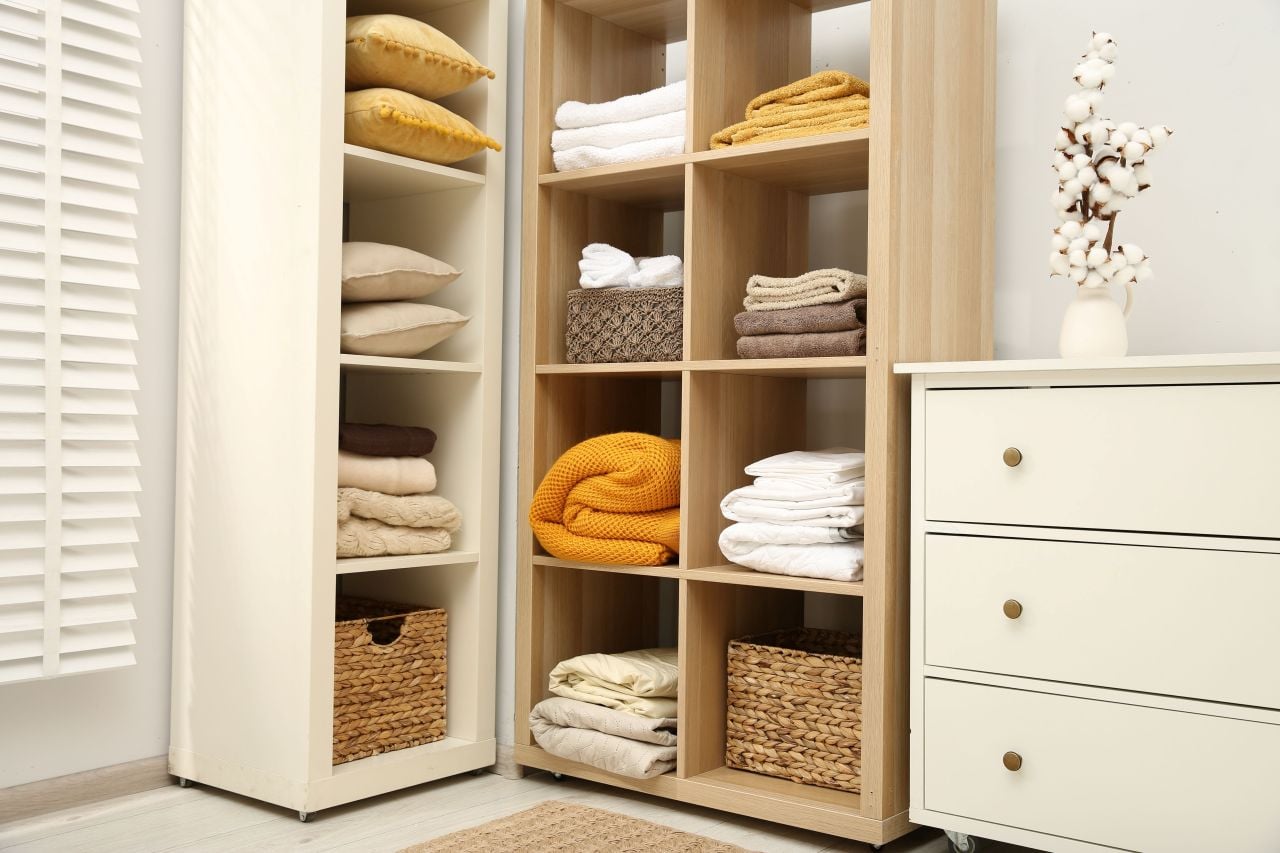
Blanket Storage: The Right Method for Every Space and Season
Blankets make our lives cozier, and storing them well is what keeps them soft and comfortable in the long run. Knowing how to store a blanket properly means your favorites come out of storage smelling fresh, feeling the same as when they went in, and lasting years longer than they otherwise would.

Board Game Storage Ideas That Keep Your Collection in Fighting Shape
Nobody warns you that getting into board games usually unlocks a second hobby, the much dreaded one that includes figuring out where on earth to put them. One game becomes a few, expansions start spawning beside their base boxes and before long, board game storage requires as much strategy as whatever is waiting on the other side of those lids.

Storage Locker vs. Storage Unit: What’s the Difference?
A locker and a unit may sound like two names for the same four walls and a lock, and depending on the storage facility, you may even see the terms used that way. However, once you start comparing available spaces, storage lockers tend to occupy the smaller end of the spectrum, while storage units(opens in new tab) give you considerably more room to work with.

Storage Ideas for Small Spaces: 9 Ways to Max Out Your Home
A messy home contains the seeds of its organization. Those seeds are everywhere: the space above doors, under beds, behind sofas and inside furniture can all become storage. Here are the best storage ideas for small spaces, so you can make the most of your cozy home.

Best U.S. Cities to Live Uncluttered: Plano, TX, Offers the Most Room to Breathe
Clutter is in our homes as much as in our heads. Both are shaped by where we live.
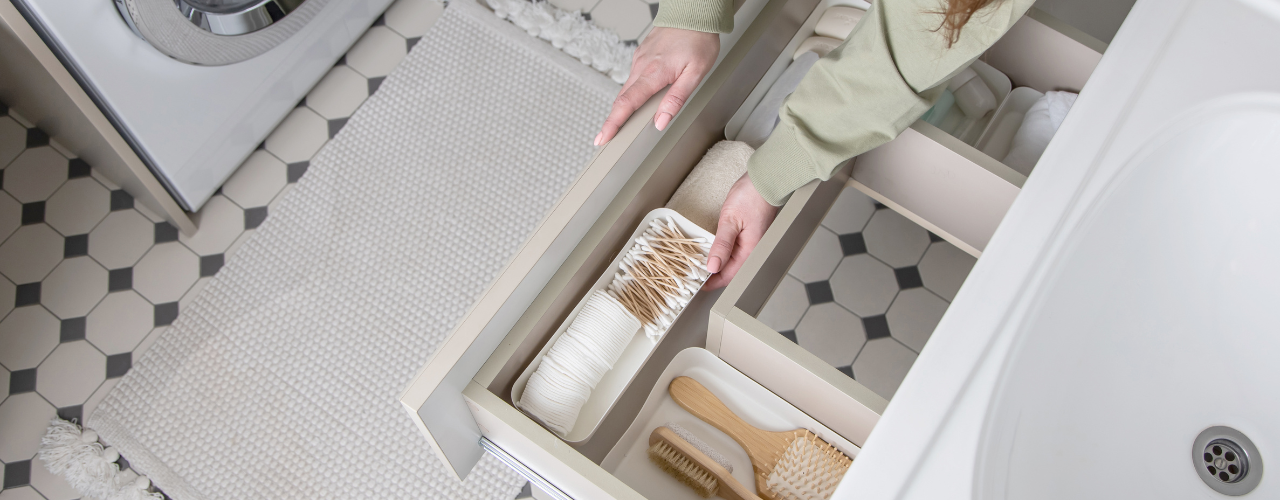
How to Organize Your Bathroom: 8 Ways to Stay Tidy
You already know why an organized bathroom is worth the effort, but let us remind you: it makes rushed mornings easier, keeps counters cleaner and just helps get you in the mood to go through your skincare routine like you should. Plus, in bigger households, it helps everyone find what they need. And you know how much a tidy bathroom counts for your self-esteem when a guest or a partner shows up. Luckily, you don’t need a degree to know how to organize your bathroom. The secret is keeping less, giving every item a home and making that home simple to use. Let’s go through some practical steps can help you create a bathroom that stays functional and nice to look at.

How to Use Silica Gel Packets for Storage
Moisture can cause significant damage to items in storage, leading to rust on tools, mold on clothing and warping in documents. Silica gel uses science to fix that. Often found in small packets inside product packaging, silica gel is a desiccant that absorbs moisture from the air, keeping your stored items dry and protected. This guide explains what silica gel is, how it works and how you can use it to preserve your belongings in self storage.