

Key Takeaways
- Sort books quickly into three categories: keep, sell, donate and recycle.
- Donate readable books to libraries, schools, hospitals, or Little Free Libraries, or use free sharing platforms for broader reach.
- Sell valuable or recent titles online (BookScouter, AbeBooks) or locally.
- Recycle heavily worn or outdated books; you can even repurpose them: turn old books into art, decor, or functional items (lamps, planters, gift wrap) if they’re no longer readable.
- Use climate-controlled self storage for rare, collectible, or large professional/family collections, packing books in small, sturdy boxes and storing them upright or in short stacks.
Books multiply fast. You buy one, inherit five and suddenly every flat surface holds a stack. At that point, you face a real question: What to do with old books. You like books. You respect books. You also like walking through your home. And you’re not alone! Second-hand bookstores have been around since the 16th century(opens in new tab) and the online trade of used books is booming today(opens in new tab). But before you start choosing new roads for your old books, here are some simple paths to honor their memory.
1. Start with a fast sort
Grab boxes or piles and start categorizing. Trust your first instinct as you go through these four groups:
- Keep and use. These are the favorites, reference books you open often, meaningful gifts.
- Donate or sell. These are the books with lean pages, solid covers, pleasant feel.
- Recycle. This is for books with torn pages, water damage, mildew, pests, obsolete textbooks.
Once you’ve sorted everything out, plan your next move.
2. Know if they’re worth giving away
Libraries and thrift shops manage constant volume. Staff sort fast and focus on condition and relevance. Use this rule:
- Textbooks older than five years move to recycling
- Newer editions earn a resale or donation attempt
- Donate books you would feel glad to find yourself
This approach is best, because it respects your time and theirs.
3. Donate
If your books are still up to the task of making a reader happy, there’s no shortage of ways you can keep them in rotation.
Lean on community institutions that already move books. For instance, you could stock a Little Free Library(opens in new tab) or add books to a neighborhood book box. Public libraries also accept clean, current titles for shelves or fundraising sales, while schools value children’s books for classrooms and libraries. Even hospitals, senior centers and care homes welcome light fiction and kids’ titles. As for second-hand bookstores, they often take modern fiction and popular nonfiction in solid shape.
Use free sharing or long-distance donation when speed or scale matters. You’ve got plenty of options: LocalBookDonations(opens in new tab), Bernie’s Book Bank(opens in new tab) and Books to Prisoners(opens in new tab), to a name a few. If you want a more direct approach, post free book offers on neighborhood platforms or place a labeled box on your porch by genre or age range. For broader reach, mail books to nonprofits that place them directly with readers, from under resourced schools to correctional facilities to international communities.
4. Sell
You can also use online buyback tools for quick offers and prepaid labels. List specialty titles on rare book marketplaces or sell recent textbooks and popular titles on general platforms. We’re talking BookScouter(opens in new tab), AbeBooks(opens in new tab) and BooksRun(opens in new tab).
If you want to move more quickly, try local bookstores, garage sales or community markets. Still, note that heavily worn, annotated or water‑damaged books are poor candidates for online sale and might be better recycled or upcycled.
5. Reuse creatively
Some books serve best as raw material for arts and crafts. And you can turn them into almost anything. Good candidates include mass produced titles with damage or outdated content which no one will mourn. Here are some simple ideas from a mass of very creative humans:
- Bookmarks(opens in new tab), collage art(opens in new tab) and mixed media(opens in new tab) (cool and practical)
- Page wreaths and seasonal decor(opens in new tab) (perfect for a bookworm’s Christmas)
- Gift wrap accents(opens in new tab) (because gift wraps are getting expensive)
- Paper trees(opens in new tab) (because why not?)

And if you want something really out there:
- Book clocks(opens in new tab)
- Stacked lamps(opens in new tab)
- Succulent planters with lined interiors(opens in new tab)
Finally, we can’t forget the classic hollowed hardcovers(opens in new tab) for small and inconspicuous storage.
6. Recycle those you know are obsolete
Some books reach the end of their useful life. Recycling fits best for severe damage, missing sections, pests, mildew or obsolete technical content.
Many recycling programs accept paperbacks as they are. Hardcovers often require cover removal. Recycled paper returns as new products and supports land and water care.
7. Use self storage with intention
Self storage(opens in new tab) serves books well in specific cases. Good reasons include a home transition, renovation, home sale prep, a small living space or a large professional or family collection. If you do go for self storage, the safest option is climate controlled storage(opens in new tab). Why? Because heat makes books break down faster. Cold dries them out and makes covers and pages stiff and brittle. Too much humidity makes light damage worse, so books fade and weaken more quickly. To be even safer, look for facilities with great self storage security(opens in new tab).
Most likely, you won’t need anything bigger than a 5×5 storage unit(opens in new tab), but check our self storage calculator(opens in new tab) or size guide(opens in new tab) just to be safe. Before you hit the storage unit, pack books in small sturdy boxes, use breathable containers and moisture absorbers, then store upright or in short flat stacks.
Keep daily reads and top favorites at home and store these items off site in a high-security facility: Rare or collectible volumes, academic or professional libraries, family archives and local histories.
A simple final framework
You still love books(opens in new tab). You simply choose which ones share your space. That choice gives stories new readers, restores calm at home and protects the volumes that matter most. So, use this pointers: If they’re good condition and reader ready, then donate, swap, gift or sell. If they’re special or valuable, do the research, then sell or store with care. For books that are worn or obsolete, reuse creatively or recycle responsibly. Books have many lives and just as many afterlives!



Moving From a House to an Apartment: What to Expect, How to Downsize & How Self Storage Helps
For some, moving from a house to an apartment is a financial decision. For others, it’s about simplifying life. Maybe the kids have moved out and half the house sits empty, or you’re approaching retirement and no longer want to spend weekends on repairs. Or perhaps you’ve been weighing the cost of buying a home and wondering whether renting simply makes more sense right now.
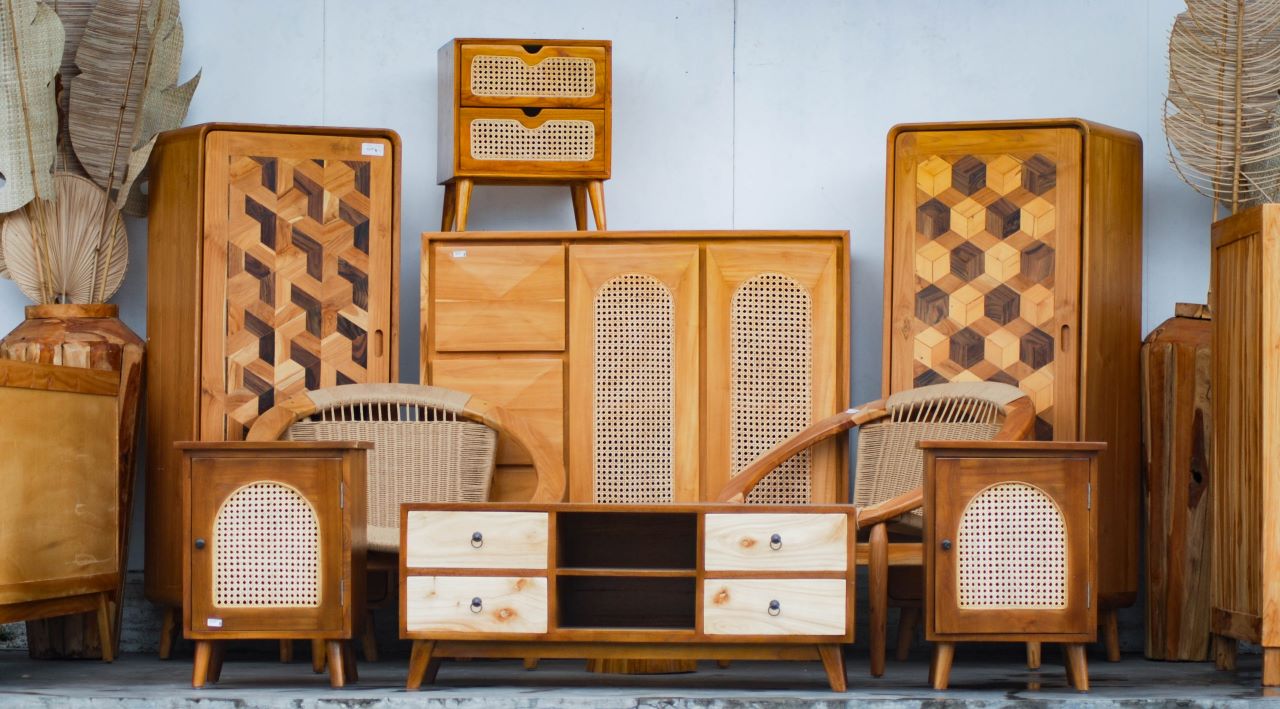
Family Heirlooms Overload: How to Handle Family Inheritance Without Regret
Handling family heirlooms after a loss requires managing legal authority, emotional pressure and practical logistics at the same time, and the order you take them on matters more than most people expect.
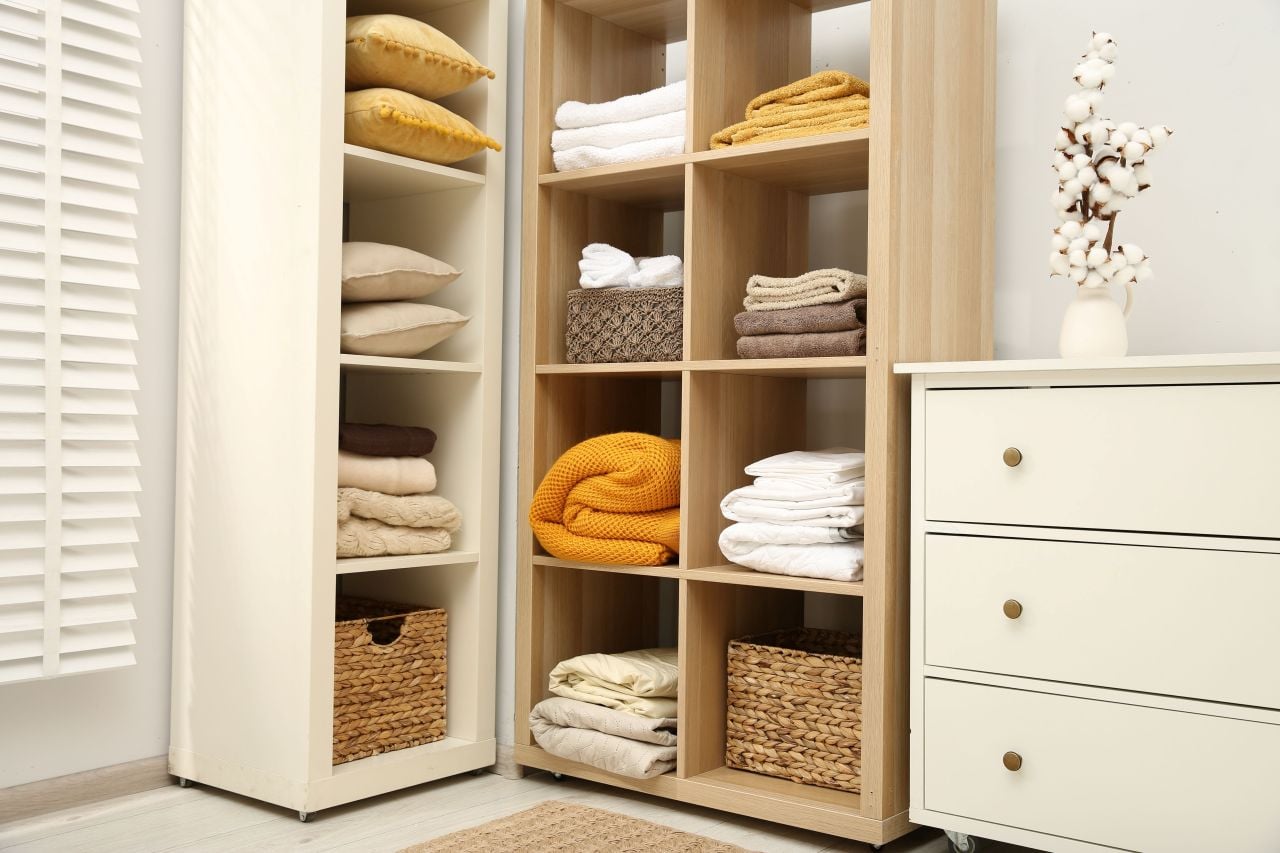
Blanket Storage: The Right Method for Every Space and Season
Blankets make our lives cozier, and storing them well is what keeps them soft and comfortable in the long run. Knowing how to store a blanket properly means your favorites come out of storage smelling fresh, feeling the same as when they went in, and lasting years longer than they otherwise would.

Board Game Storage Ideas That Keep Your Collection in Fighting Shape
Nobody warns you that getting into board games usually unlocks a second hobby, the much dreaded one that includes figuring out where on earth to put them. One game becomes a few, expansions start spawning beside their base boxes and before long, board game storage requires as much strategy as whatever is waiting on the other side of those lids.

Storage Locker vs. Storage Unit: What’s the Difference?
A locker and a unit may sound like two names for the same four walls and a lock, and depending on the storage facility, you may even see the terms used that way. However, once you start comparing available spaces, storage lockers tend to occupy the smaller end of the spectrum, while storage units(opens in new tab) give you considerably more room to work with.

Storage Ideas for Small Spaces: 9 Ways to Max Out Your Home
A messy home contains the seeds of its organization. Those seeds are everywhere: the space above doors, under beds, behind sofas and inside furniture can all become storage. Here are the best storage ideas for small spaces, so you can make the most of your cozy home.

Best U.S. Cities to Live Uncluttered: Plano, TX, Offers the Most Room to Breathe
Clutter is in our homes as much as in our heads. Both are shaped by where we live.
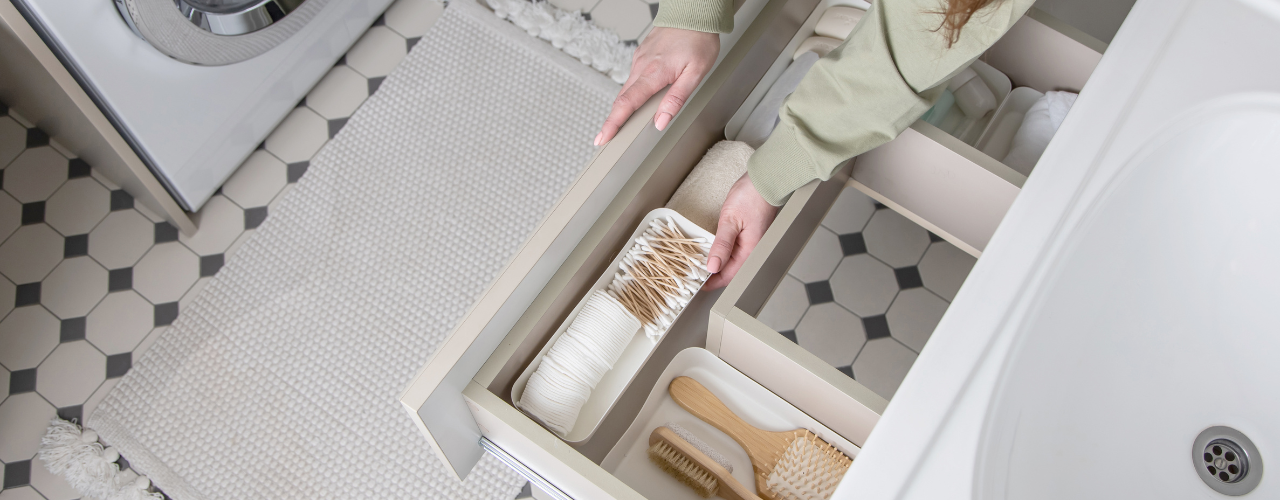
How to Organize Your Bathroom: 8 Ways to Stay Tidy
You already know why an organized bathroom is worth the effort, but let us remind you: it makes rushed mornings easier, keeps counters cleaner and just helps get you in the mood to go through your skincare routine like you should. Plus, in bigger households, it helps everyone find what they need. And you know how much a tidy bathroom counts for your self-esteem when a guest or a partner shows up. Luckily, you don’t need a degree to know how to organize your bathroom. The secret is keeping less, giving every item a home and making that home simple to use. Let’s go through some practical steps can help you create a bathroom that stays functional and nice to look at.

How to Use Silica Gel Packets for Storage
Moisture can cause significant damage to items in storage, leading to rust on tools, mold on clothing and warping in documents. Silica gel uses science to fix that. Often found in small packets inside product packaging, silica gel is a desiccant that absorbs moisture from the air, keeping your stored items dry and protected. This guide explains what silica gel is, how it works and how you can use it to preserve your belongings in self storage.