

The real estate market is often all about numbers and trends, but the way those big-picture stats affect our everyday lives is huge. It’s fascinating to see how we’ve adapted to major events—like the health crisis—and how those changes have influenced our lifestyle and housing choices.
As a group, we’ve started to value living in the moment more than ever. Instant gratification is a big deal these days, and the data shows we’re splurging more on non-essentials. Whether it’s experiences, treats for ourselves, or even a little retail therapy, spending on “wants” is on the rise.
But it’s not just about how we spend our money—finding the perfect place to call home is just as important for our happiness. What’s interesting is how different generations approach this, with each bringing their own priorities and preferences.
As we wrap up 2024, we’ve rounded up the top lifestyle trends that shaped the year—how we live, work, and play. These highlights aren’t just a look back but a way to help us plan for an amazing 2025. Here’s a look at the trends that stood out and how they can inspire what’s next!
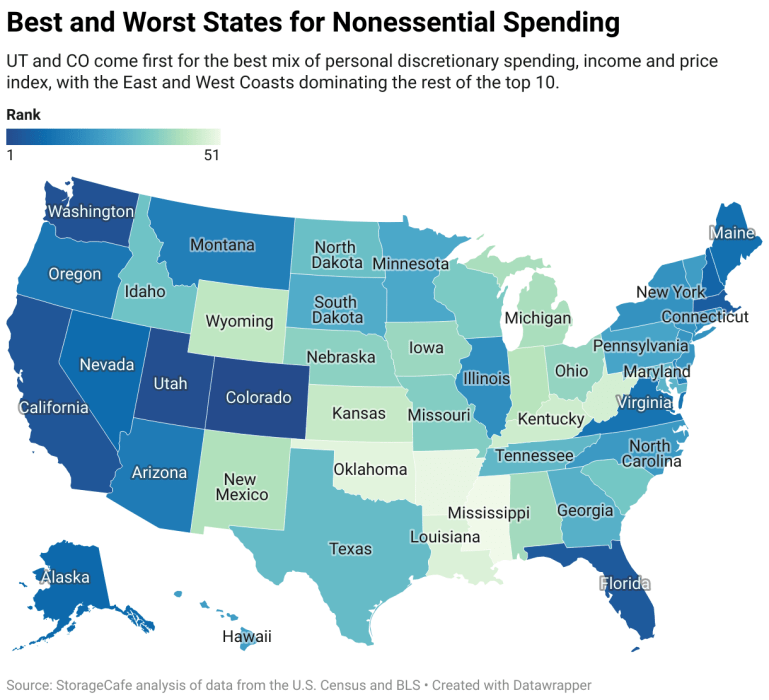
1. Best states for discretionary spending on life’s little luxuries
Working hard for our money also mean we can indulge a little, but it’s likely to claim a good chunk of our income. As it turns out, Americans spent about $12K on non-essentials in 2022, a 32% increase since 2018. Vacations and dining made up the bulk of non-essential spending, showing an increased interest for experiences that cater to our well-being. Americans in Colorado, Utah along with coastal Washington and California come on top for discretionary spending thanks to the higher household income and robust local economies.
2. America’s shopping hot spots
Going shopping is known to be an instant mood booster, but which places offer the best retail experience a shopper can get? New York and LA, known as pinnacles of style and sophistication are seriously contended by other places. Miami, FL, is the best destination for an exquisite shopping experience, with plenty of shopping venues and locals willing to splurge on the bling. You can also head out to Atlanta, St. Louis, Denver and Boston for superior retail therapy.

3. Top states for Gen Zers to move to
Ready to strike out on their own, Gen Zers are seeking new places to call home. Their priorities include job security, housing affordability, and environmental and social awareness—key factors guiding their relocation journey. When looking at net migration, Connecticut tops their list of preferred destinations, with 15,000 Gen Zers moving to the state in 2022. North Carolina is another popular choice, ranking third with about 11,000 Gen Zers relocating there the same year.
For Gen Zers aiming for homeownership, their chances improve when they shift their focus away from coastal hotspots and toward more affordable locations that offer room to spread out and a slower pace of life. In states like New Jersey, Maine, and Arkansas, approximately 30% of Gen Zers become homeowners within a year of relocating, making these states top choices for Gen Z homeownership.
4. Millennials stand out as the main self storage clientele
With millennials embracing renting for longer periods, the need to maximize their living spaces has driven more of this generation to turn to self-storage. Our 2024 analysis of self-storage preferences revealed that millennials (Gen Y) are the largest group most likely to use storage units to keep their belongings safe and organized. Many are recognizing the value of self storage as they grow their families and reach a stage of higher disposable income while advancing in their careers.
Hot on their heels are Gen X-ers, with Baby Boomers now ranking third in self-storage usage. This trend underscores how evolving lifestyles and housing choices are shaping the self-storage industry.
5. Celebrities with cozy homes?
Celebrities are often expected to live in sprawling mansions, and that’s generally true—on average, their homes are over 10,000 square feet, compared to about 2,300 square feet, the size of a typical home. However, plenty of A-listers embrace simpler living in more modestly sized homes as their primary residences.
The beloved late-night host Jimmy Kimmel lives in the smallest home, averaging just under 2,000 square feet. Many of these small-home-owning celebrities are movie stars, with Robert De Niro, Clint Eastwood, and Jack Nicholson making the top 10. Musicians also make the list, such as Dave Matthews, and Taylor Swift’s Nashville home, which measures below 3,000 square feet.
Even in Hollywood, not every celebrity needs a mansion to call home!
6. Halloween: the ultimate kickoff to the holiday season
As the opening act of the holiday season, Halloween captures the attention of people across the U.S.—and they’re willing to spend big to celebrate. Despite rising costs, the allure of spooky fun, creative costumes, and festive decorations keeps Halloween spending on the rise year after year. Here’s what we uncovered in our research on Halloween spirit:
• Best places to celebrate Halloween in 2024
Which places were best able to carry the scary label this year? It turns out it was the Midwest, where St. Louis, Cleveland and Indianapolis knew how to do spooky this year. Cincinnati, Minneapolis and Chicago also proudly represent the region in the top 10. They seem to know how to have their cake and eat it too, with attractive pumpkin patches, strong communities and plenty of buildings with a high spooky factor.
The biggest interest in Halloween is hotly contested among Los Angeles, St. Louis, Cleveland, San Antonio, and Phoenix—five metro areas where online searches about Halloween are through the roof.
• The cost of 2024 Halloween
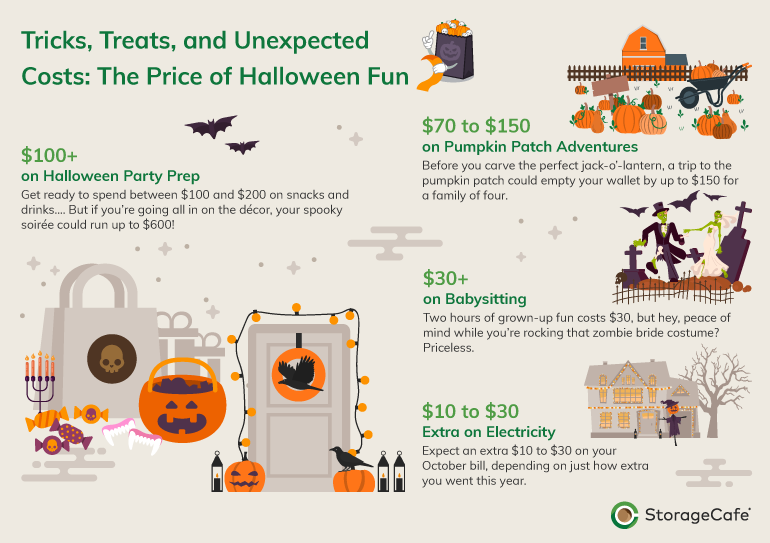
In 2024, celebrating Halloween came out to about $415 for candy, costumes, decorations and greeting cards. Additional expenses, such as pumpkin patch fun, can run from $70 to $150 for a family of four. Childcare can cost about $30 for two hours, while a Halloween party can average between $100 and $200.
In 2024, we’ve seen the zest for life return as Americans have a revived interest in shopping again as well as other non-essentials all the while having plenty of places that know how to cater to shoppers in terms of retail venues and more.
What’s more, Gen Zers, the newest generation to slowly transition to adulthood is embracing moving, a quintessentially American rite of passage showing they’re ready to seek new opportunities, with East Coast states as their favorite destinations. On the lighter side of things, you could find the best Halloween atmosphere and fun in Midwestern cities in 2024, whether you’re looking at Chicago, Cincinnati or other places from the region.


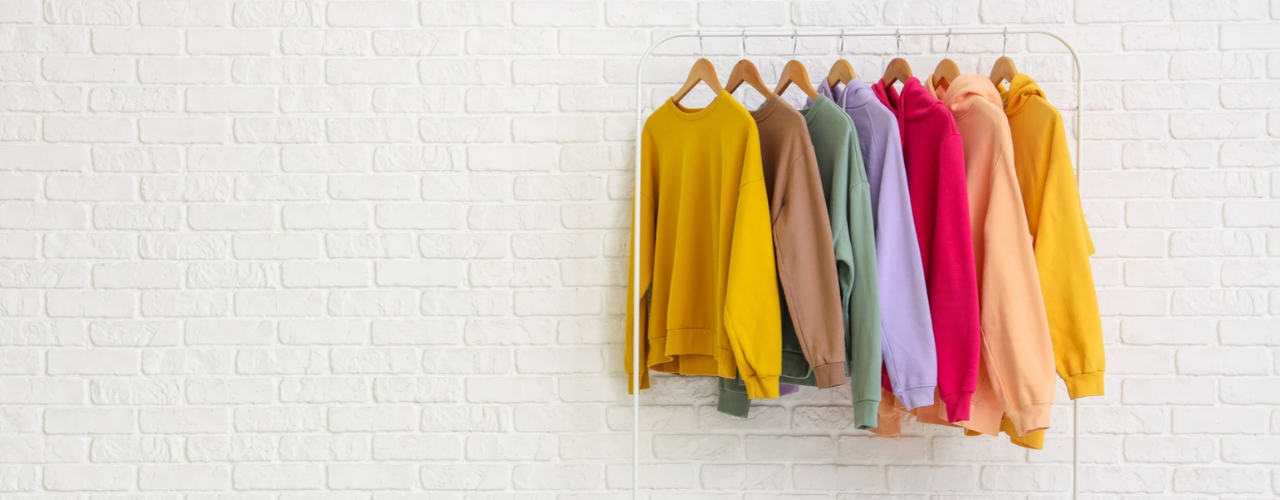
Sweatshirt Storage Ideas Worth Keeping Up Your Sleeve
Sweatshirts are great until you realize how much room they take up. A few thick hoodies can fill a drawer fast, with lighter crewnecks getting squashed underneath or pushed somewhere you forget about. Good sweatshirt storage can make that pile much easier to manage without requiring a bigger closet.
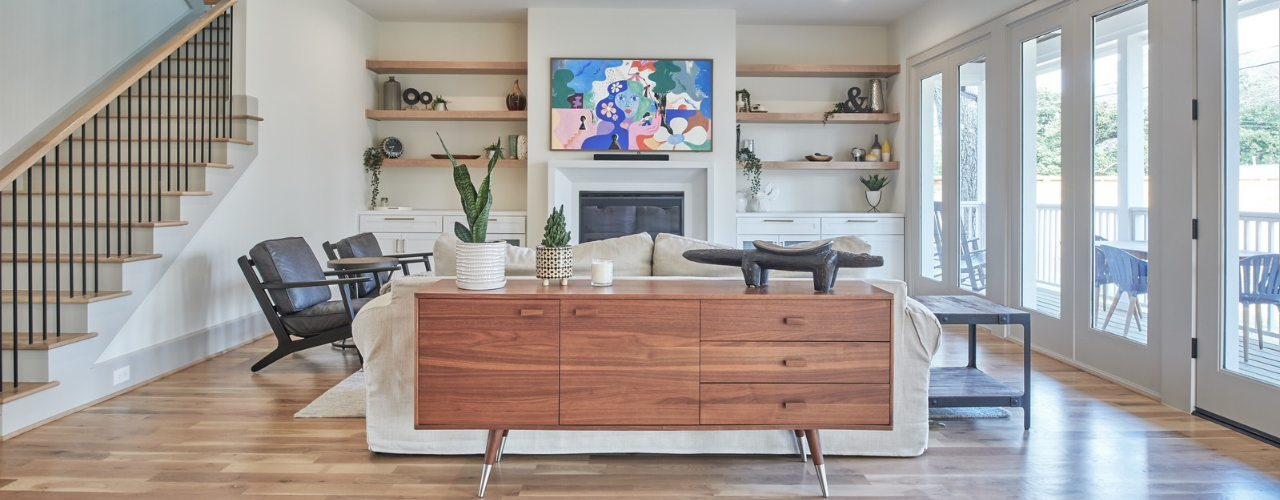
Living Room Storage Ideas: 28 Ways to Reclaim Your Hosting Space
If a living room is where most of a household’s living happens, good storage should be the top priority for setting up or revamping the place. After all, think of how easier it would be to have people over when tidying up the place is just a matter of putting things in their right place (in a time when fewer and fewer people are entertaining friends at home(opens in new tab)). The trick is making room for all those wayward clothes, blankets, chargers and other small things that end up on (or, inexplicably, in) the sofa. Here are 28 living room storage ideas to get you started and make tidying up a quick affair.
25 Mudroom Storage Ideas (And Mistakes to Avoid)
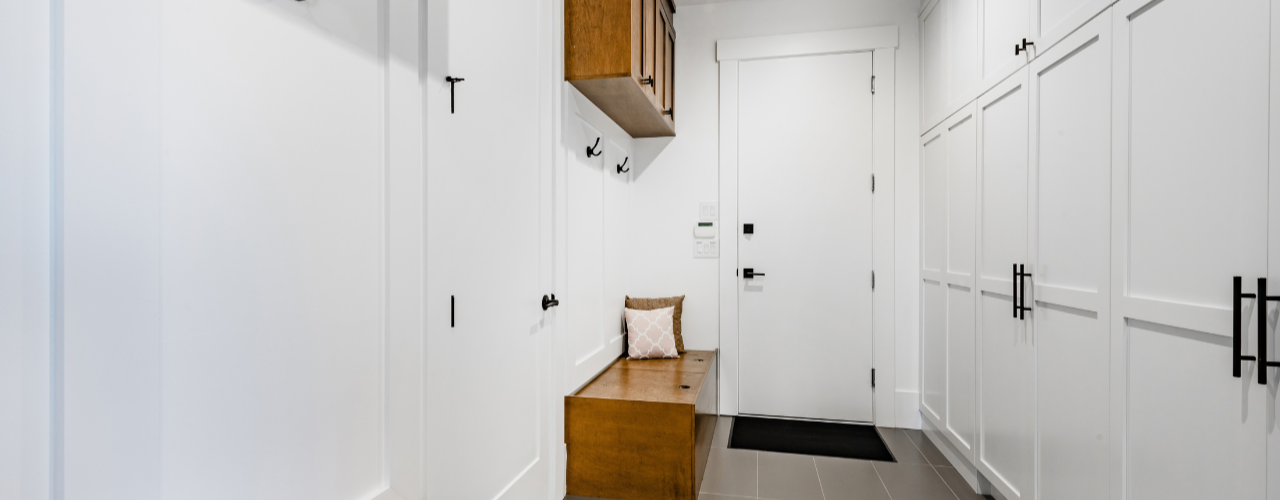
When you come home with muddy boots, an armful of bags and a coat you can’t wait to take off, it’s nice to have somewhere to put it all. With a mudroom, you can leave the outdoor mess at the door instead of carrying it through the house. Traditionally, you’d set aside a separate room, but you can just as easily use a hallway, an entryway closet, a laundry-room corner or a stretch of wall near the entrance.
Is Your Home Office Worth the Rent? What Coworking and Self Storage Could Save You
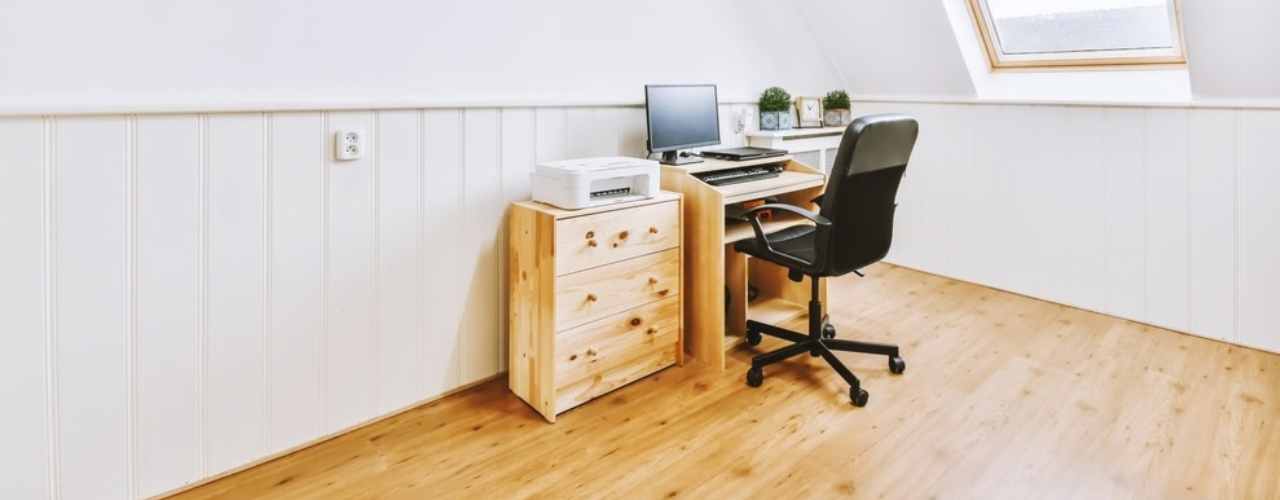
Every square foot of your apartment comes with a price tag, and a home office claims more of them than most renters expect. It starts with a desk. Then come the second monitor, the printer, the filing cabinet and the overflow boxes. Before long, the corner you set aside for work has turned into a small room you are paying for every month.

Best U.S. Cities to Live Uncluttered: Plano, TX, Offers the Most Room to Breathe
Clutter is in our homes as much as in our heads. Both are shaped by where we live.

America’s Top Snowbird Destinations for 2026–2027: Florida Leads in Numbers, Texas Wins on Value
For Americans living in colder states, the approach of winter is reason enough to start looking south. Cold weather carries costs that go beyond the heating bill and shoveling snow. Seasonal affective disorder(opens in new tab) is far more prevalent in northern states, so a temporary move south isn’t simply an escape from the cold, but a chance to spend the hardest stretch of winter outdoors and in the sun.
How Much Does Halloween Really Cost in 2026? Plan Wisely to Avoid the Scare of Hidden Costs
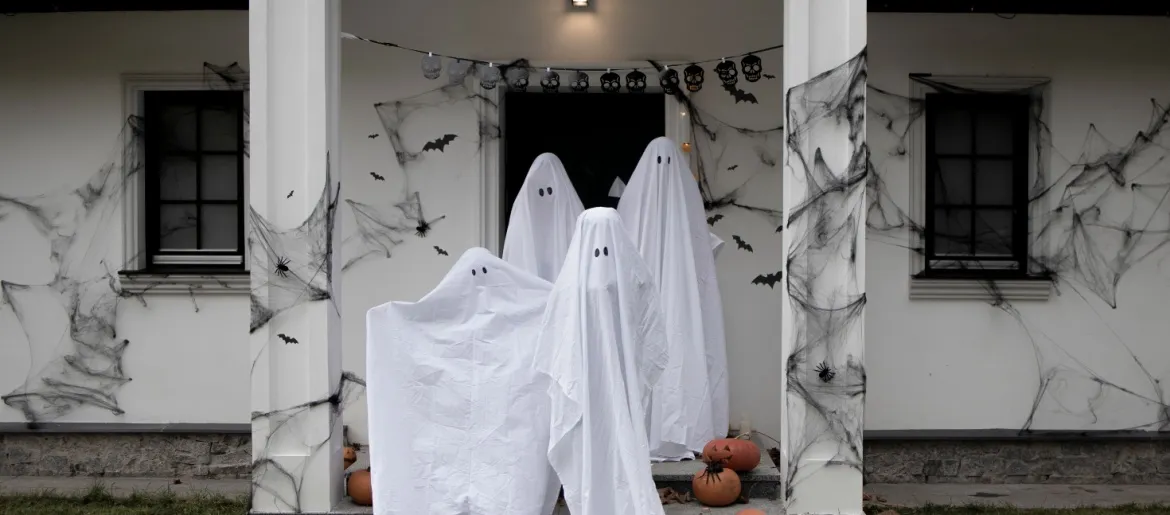
Americans’ love for Halloween is almost frightening — this year alone, we are on our way to spending $13.5 billion, according to data from the National Retail Federation(opens in new tab). That breaks down to about $115 Halloween costs per person, a whopping 49% more than 10 years ago.
How to Store LEGOs: All the Fun, None of the Clutter
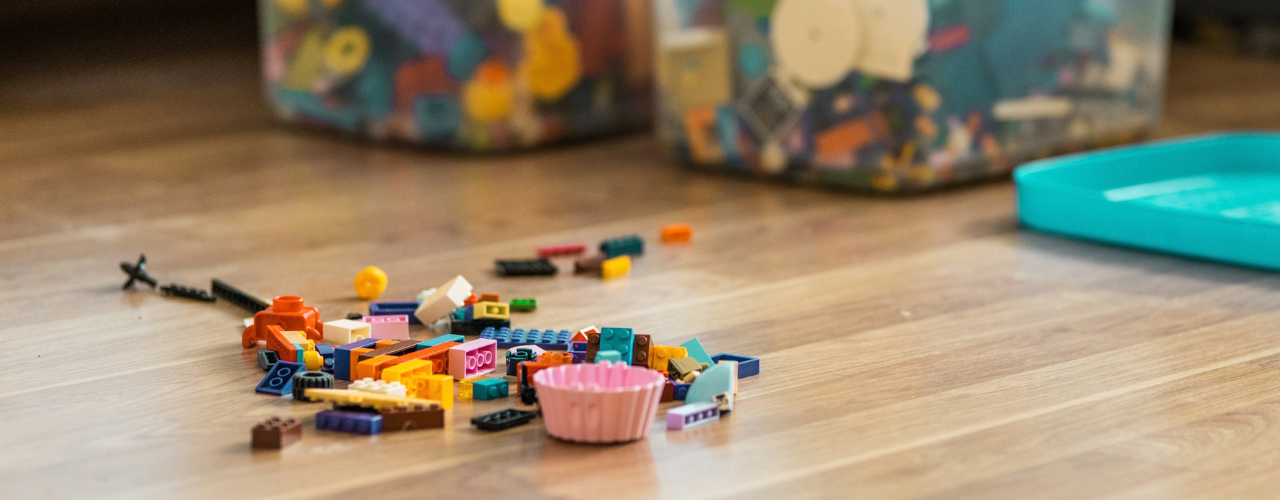
How to store LEGOs largely comes down to how your household uses them. If the bricks are part of everyday play, you need a setup that keeps them within easy reach and makes cleanup quick (for your feet’s sake, at least). Toy storage(opens in new tab) such as simple bins, playmats or containers that children can put away themselves may be enough. Larger or more serious collections usually need more organization, such as labelled drawers for loose pieces, trays for unfinished builds, shelves for completed models and separate storage for retired sets.

Cardboard Costume Guide: Tips and Ideas for a DIY Halloween
Whether for kids or adults, cardboard costume ideas often make the biggest splash once materialized, and that’s for a simple reason: doing a lot with a little is a universally impressive feat (especially in this economy). If you don’t have enough boxes you could temporarily repurpose, don’t worry! There are many places where you can find free moving boxes(opens in new tab), from stores and supermarkets to online groups and recycling drop-off spots. On the run? Try your luck at a self storage(opens in new tab) facility that sells moving supplies, often for cheap. This way, you can choose moving boxes of different shapes and sizes(opens in new tab), so you can make your costumes as complex as you want.