

Key Takeaways
- Use self storage strategically to free up living space, manage life transitions, and store seasonal or rarely used belongings.
- Only store items that are worth keeping by considering their usefulness, condition, sentimental value, and the cost of storing them.
- Choose the right unit size and climate control based on the amount and type of belongings you need to store.
- Maximize storage space efficiently by using shelves, stacking vertically, and leaving aisles so items remain easy to access.
- Stay organized with clear bins, labels, and an inventory while keeping frequently used items near the front and rarely used items toward the back.
Self storage has become more than just a backup plan for people with too much stuff. Its popularity has grown, largely driven by major life events — what we now call the six Ds: dislocation, divorce, death, downsizing, decluttering and distribution. These days, storage units serve as an extension of living spaces, helping people create room for what truly matters while keeping their homes organized and clutter-free.
With a little planning, your storage unit can work for you, helping you free up space, stay organized and keep seasonal or rarely used items accessible without getting in the way of everyday life. Organization is key, so we reached out to professional organizers for their best tips on making the most of your storage space.
What belongs in self storage?
Self storage is a practical solution for those who need more space at home. Maybe your hobbies come with bulky equipment — those skis that take you down the slopes at Hunter Mountain or Windham don’t exactly fit in your cozy Tribeca apartment. Or perhaps you’re holding on to nursery essentials for when you’re ready to welcome another little one, but for now, they’re taking up valuable space as you make room for the toddler phase.
Beyond creating room for daily life, self storage is a valuable resource for people in transition. “I love using self storage specifically when moving house,” says Chrissy from OrganiseMyHouse.com. “Taking away some of your stuff from your home can help you start the moving process and also make your home look more spacious to potential buyers. It’s a win-win.”

It’s also an ideal solution for seasonal items that only come out a few weeks a year. “Think artificial Christmas trees, Halloween inflatables and those oversized yard ornaments that make your home look festive for a few weeks but take up way too much space the rest of the year,” says Andrew Mellen, a professional organizer in New York.
Decluttering is most effective when you’re honest with yourself about what’s truly worth keeping. “That extra dining set, the couch you ‘swear’ will go in your next house or Grandma’s antique dresser that you just can’t part with — fine for storage, but if it’s been in there for ‘years,’ ask yourself why,” says Mellen. “Fridges, washers, dryers — if you’re holding on to them for a limited time while renovating or for a future home you’re actively pursuing, great. But if they’re broken or outdated, let them go.”
The same rule applies to old books and paperwork. “A well-labeled, organized archive of important paperwork? Yes. A hundred dusty boxes of college textbooks and old receipts? No. Digitize what you can and store only what you truly need,” says Mellen.
Do the math: How much will you save with self storage — and for how long?
Picture this: You’ve cleared out the clutter, locked up your storage unit and returned to a home that suddenly feels more spacious. Fast forward a few months, and you start wondering — was this really worth it financially?
To make sure the answer is yes, avoid storing things that cost less than the price of keeping them in storage. “Make sure the worth of your items totals more than the price of one year’s rental,” says Nonnahs Driskill, who runs GetOrganizedAlready.com.
And while you’re crunching the numbers, consider how long you will actually need the unit. “The best types of items to place in self storage instead of keeping them at home are for short-term solutions related to renovations, moves or estate clear-outs,” says Linda Samuels of OhSoOrganized.com.
Renting self storage long-term can also be a smart and cost-effective solution in many situations. Maybe you need a spot for seasonal items that just don’t fit in your home, or you’re embracing a digital nomad lifestyle and need a secure place for your belongings while you travel. Retirement communities often require downsizing, and a storage unit can be a great way to keep sentimental items or furniture you’re not ready to part with.
Now, it’s important to note that costs vary by location — much in line with the local cost of living. In Milwaukee, WI, you can rent self storage for about $119, the same amount you’d pay for dinner and a movie for two. Contrast that to a city like Chicago, IL, where real estate is at a premium and you’d pay around $150 for renting self storage — the same as the average monthly parking rate.
Do the research: What type of unit do you need?
There’s one more question you should ask yourself before you start packing: What kind of storage unit do you actually need? Because not all units are the same and you need to do a bit of research to find the right one.
Luckily, our storage unit size guide can help you here. You have plenty of choices to make, from getting a 5’x5’ storage unit, which is basically a small closet, to going for a 10’x30’ storage unit, which is roughly the size of a master bedroom and the perfect size in case you can’t park your RV outside your home.
Then there’s the climate question: Do your belongings need air conditioning? If your garage is going to double as a slow cooker in the summer and a walk-in freezer in the winter, then climate-controlled storage is your friend. But if you’re just storing patio furniture and an old treadmill, maybe not. Instead of guessing (and later regretting), just use our storage size calculator — because having too much stuff should not mean renting too much space for it.
Map it out — horizontally and vertically
Once you’ve decided on a size for your storage unit, think of how you plan to organize your things in it. “A simple drawing of your unit can help you place the stuff you use a lot toward the front and the stuff you don’t use much toward the back,” says Sydney Sims of Ownerly.
Another helpful hack is to organize your unit both vertically and horizontally. “Create access to all items by allowing room to walk in and reach boxes/bins without moving several others,” says Brandy Anderman of The Missing Piece Design. “Remember to leave a small aisle or various points of access so you can easily grab items from a stack. Keeping a step stool on-site is helpful in these cases.”

What about fragile or heavy objects? Those requires a different type of stacking. “Set up a heavy-duty shelf (or two or three) in your storage unit before moving anything into it,” says Katrin Farrior of The Detailed Life. This will prevent any damage from shifting stacks, and it will also make the whole process of retrieving items more accessible (as opposed to having to lift three boxes to get to the one below them).
Make an inventory, use clear containers and start labeling
Here’s an easy way to avoid losing track of what you’ve stored: keep an inventory. This becomes even easier if you have an inventory on your smartphone. That way, you can easily see what you’ve stored and you can skip a trip to the storage facility.
Using clear bins and labeling them properly can also make a big difference in keeping your space organized and hassle-free. Not only do they help you quickly identify what’s inside without opening every box, but they also protect your belongings from dust and damage. “Storing your items in clear bins is better than storing them in cardboard boxes, so everything can be easily found and accessed,” says Farrior. This simple switch can save you time and frustration, especially when looking for seasonal decorations, important documents or everyday essentials.
Conclusion: There’s a right way to use self storage
Let’s recap. Before renting a storage unit, define your purpose (moving or seasonal storage, a short or a long-term solution) because no clear reason might mean you should rethink. Do the math: If storage costs more than the item’s value, it’s not worth keeping.
Once you’ve rented your unit, stay organized by using an inventory: label everything, use clear bins and keep a list of what’s inside. Maximize space by stacking vertically, leaving aisles and using shelves (a step stool can help). Finally, store logically: place frequently used items in front and seasonal or deep storage in the back for easy access.


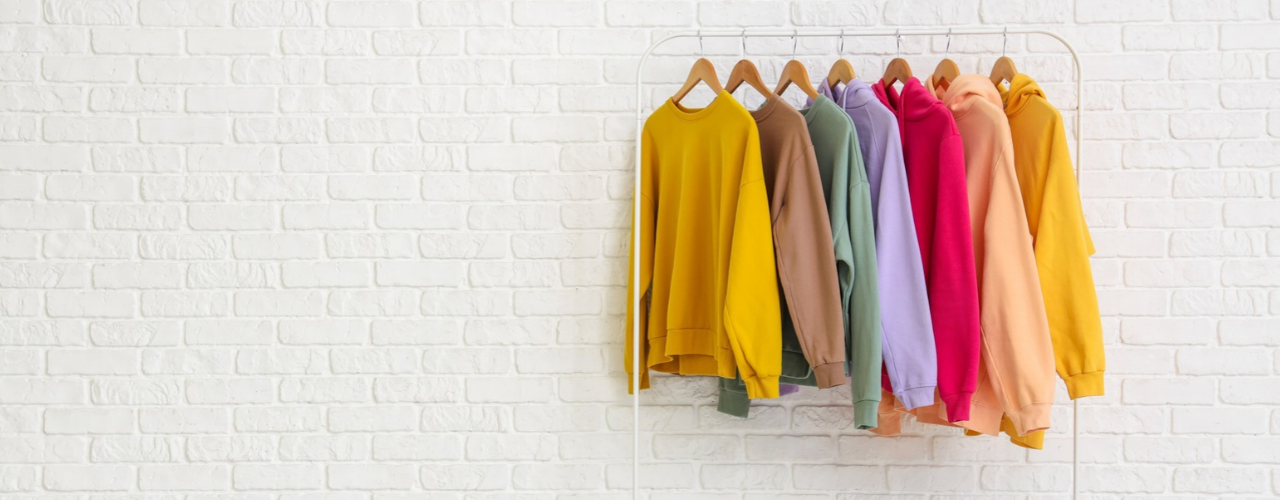
Sweatshirt Storage Ideas Worth Keeping Up Your Sleeve
Sweatshirts are great until you realize how much room they take up. A few thick hoodies can fill a drawer fast, with lighter crewnecks getting squashed underneath or pushed somewhere you forget about. Good sweatshirt storage can make that pile much easier to manage without requiring a bigger closet.

Living Room Storage Ideas: 28 Ways to Reclaim Your Hosting Space
If a living room is where most of a household’s living happens, good storage should be the top priority for setting up or revamping the place. After all, think of how easier it would be to have people over when tidying up the place is just a matter of putting things in their right place (in a time when fewer and fewer people are entertaining friends at home(opens in new tab)). The trick is making room for all those wayward clothes, blankets, chargers and other small things that end up on (or, inexplicably, in) the sofa. Here are 28 living room storage ideas to get you started and make tidying up a quick affair.
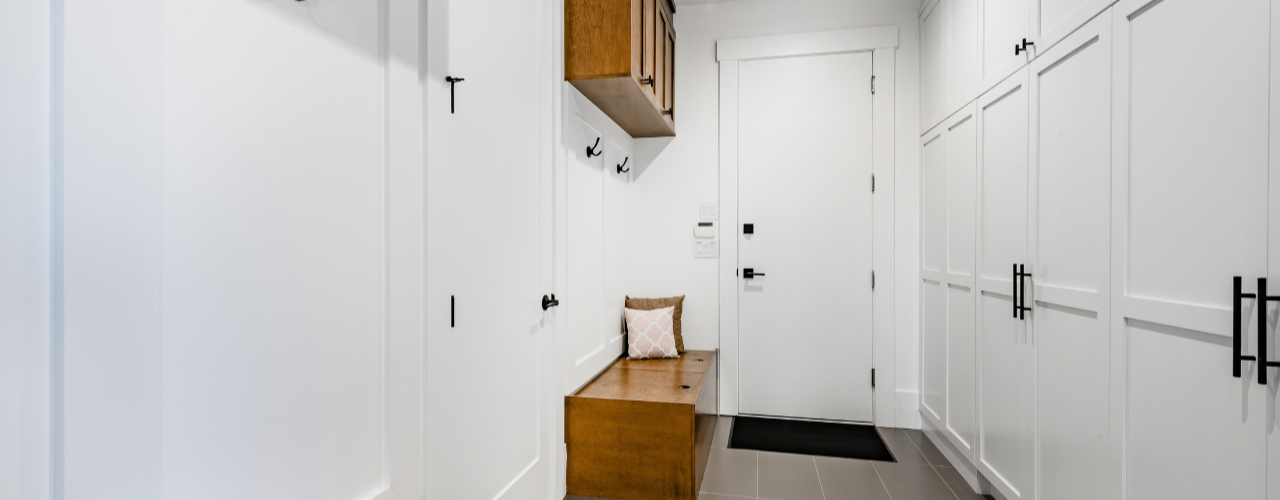
25 Mudroom Storage Ideas (And Mistakes to Avoid)
When you come home with muddy boots, an armful of bags and a coat you can’t wait to take off, it’s nice to have somewhere to put it all. With a mudroom, you can leave the outdoor mess at the door instead of carrying it through the house. Traditionally, you’d set aside a separate room, but you can just as easily use a hallway, an entryway closet, a laundry-room corner or a stretch of wall near the entrance.
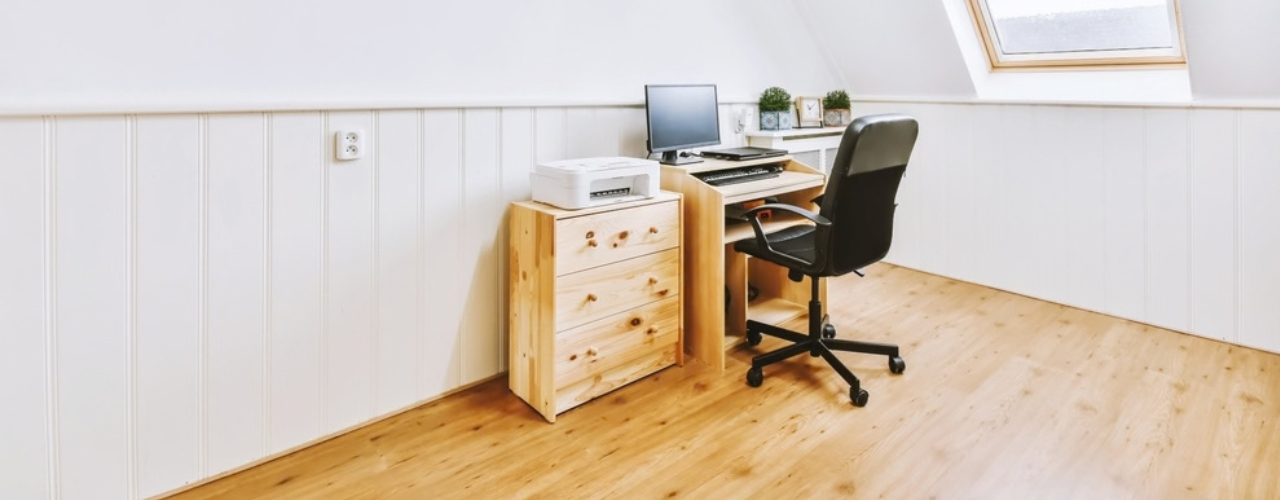
Is Your Home Office Worth the Rent? What Coworking and Self Storage Could Save You
Every square foot of your apartment comes with a price tag, and a home office claims more of them than most renters expect. It starts with a desk. Then come the second monitor, the printer, the filing cabinet and the overflow boxes. Before long, the corner you set aside for work has turned into a small room you are paying for every month.

Best U.S. Cities to Live Uncluttered: Plano, TX, Offers the Most Room to Breathe
Clutter is in our homes as much as in our heads. Both are shaped by where we live.

America’s Top Snowbird Destinations for 2026–2027: Florida Leads in Numbers, Texas Wins on Value
For Americans living in colder states, the approach of winter is reason enough to start looking south. Cold weather carries costs that go beyond the heating bill and shoveling snow. Seasonal affective disorder(opens in new tab) is far more prevalent in northern states, so a temporary move south isn’t simply an escape from the cold, but a chance to spend the hardest stretch of winter outdoors and in the sun.

How Much Does Halloween Really Cost in 2026? Plan Wisely to Avoid the Scare of Hidden Costs
Americans’ love for Halloween is almost frightening — this year alone, we are on our way to spending $13.5 billion, according to data from the National Retail Federation(opens in new tab). That breaks down to about $115 Halloween costs per person, a whopping 49% more than 10 years ago.
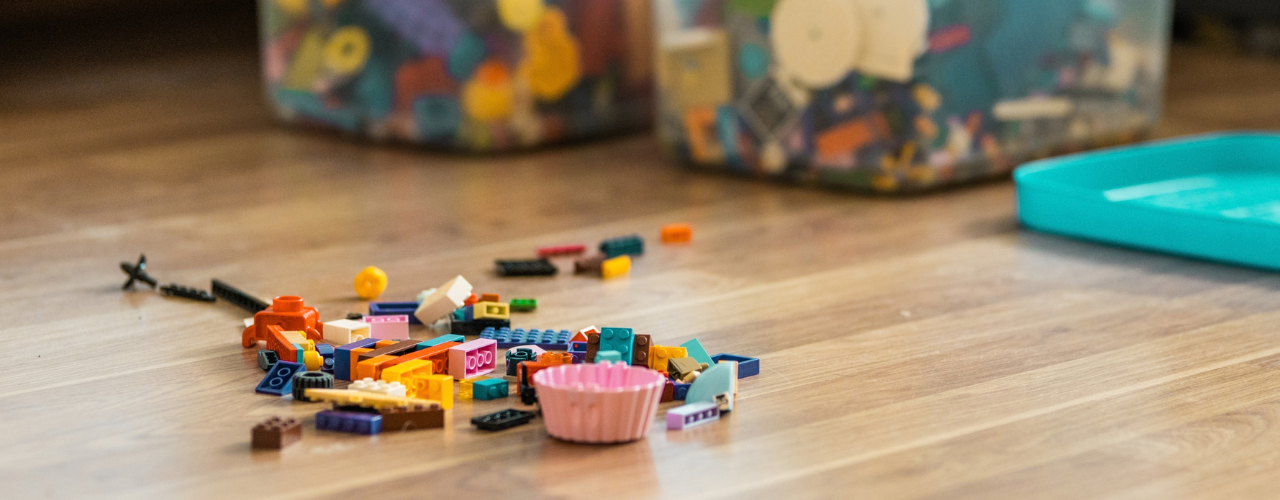
How to Store LEGOs: All the Fun, None of the Clutter
How to store LEGOs largely comes down to how your household uses them. If the bricks are part of everyday play, you need a setup that keeps them within easy reach and makes cleanup quick (for your feet’s sake, at least). Toy storage(opens in new tab) such as simple bins, playmats or containers that children can put away themselves may be enough. Larger or more serious collections usually need more organization, such as labelled drawers for loose pieces, trays for unfinished builds, shelves for completed models and separate storage for retired sets.

Cardboard Costume Guide: Tips and Ideas for a DIY Halloween
Whether for kids or adults, cardboard costume ideas often make the biggest splash once materialized, and that’s for a simple reason: doing a lot with a little is a universally impressive feat (especially in this economy). If you don’t have enough boxes you could temporarily repurpose, don’t worry! There are many places where you can find free moving boxes(opens in new tab), from stores and supermarkets to online groups and recycling drop-off spots. On the run? Try your luck at a self storage(opens in new tab) facility that sells moving supplies, often for cheap. This way, you can choose moving boxes of different shapes and sizes(opens in new tab), so you can make your costumes as complex as you want.