

Storage units for college students are short-term, month-to-month self storage rentals used to hold dorm and apartment belongings between semesters, during study abroad, or over the summer. A small 5×5 unit — enough for one dorm room’s worth of boxes, bedding, and a mini fridge — averages roughly $50 a month nationally, though prices swing widely by city. For most out-of-state students, storing your stuff near campus costs less than hauling everything home and back.
So, let us go through all you need to know. Because, while college is about finding yourself, sometimes it is also about finding somewhere to put a mini fridge for three months so you don’t have to drive it across state lines.
How to make the most of storage units as a student
There’s a sad little moment every May when college students everywhere realize they don’t really want to drive three states with a box of air fryers and thrifted sweaters. Enter: short-term storage. You drop off your stuff near campus, go home light as a feather, and pick it up again in August when you’ve healed emotionally.
If you’ve ever had the “I guess I’ll just leave this on the sidewalk” conversation, a short-term unit would’ve prevented that. And your toaster wouldn’t have been adopted by a raccoon (best case scenario).

1. Know when to rent a climate controlled unit
Unlike the planet, most facilities also offer climate control — and it’s an amenity your books will thank you for. These are units that keep your stuff at a stable temperature and humidity, meaning your vinyl collection and weighted blanket won’t fuse together into one terrible indie album.
If you’re in the South or Midwest — or anywhere that has “summers” as a personality trait — pay the extra bucks. Mold is not a vibe.
2. Look for security features
Some storage spots are basically garages with a lock and a prayer. Others have gates, cameras, alarms, even on-site staff who look like they could wrestle a raccoon for your microwave. Don’t be shy — ask what security features they offer: video surveillance, keypad entry, on-site managers, insurance options.
3. Go for a short-term lease
Storage facilities love to say “month-to-month,” but always ask if there’s a minimum rental period. Some require a full month, others prorate based on when you move in. Some want you to give notice before you bail. Read the contract like it’s a group project grade sheet.
4. Check the amenities
Look for student-friendly extras: moving carts, elevators, ramps, packing supplies, loading docks, and online reservations. Some places throw in a lock. Some don’t. Some offer a free moving truck, which sounds great until you realize you’ve never parallel parked anything longer than a Lime scooter.
Also: bring your own tape. It’s an adulthood flex, trust us.
5. Check for student storage discounts
While you, check for storage unit deals, too. This is one of the key ways to find cheap storage units. A few worth asking about specifically:
- Student discounts: Some facilities knock a percentage off with a valid student ID — but it’s often unadvertised, so you have to ask directly. National chains and facilities near big campuses are your best bet.
- First-month promos: “$1 first month” or “half off” deals are common, but they revert to the standard rate after 30 days. Great for a short summer stay, less exciting for a full year.
- Prepay and referral discounts: Paying several months upfront, or referring a roommate, sometimes shaves the rate.
One honest caveat: the cheapest headline price isn’t always the cheapest unit once you add the admin fee, required insurance, and month-two rate. Ask for the all-in total.
6. Invite a colleague to share a unit
Want to save more money and create the perfect trust-fall scenario? Split a unit with a friend. But label everything. Set ground rules. Make sure your lease includes both names. Nothing tests a friendship faster than arguing over who owns the lava lamp and who left the mini fridge unplugged for four months.
Bottom line
Let’s say you’re back from the summer break. As you go through this semester’s reading list, it hits you: there’s a reason Virginia Woolf wanted “A Room of One’s Own.” That’s a fact of life students learn when living in a dorm for the first time: a lack of privacy is quite the price to pay for cheap housing.
Now, add in a lack of room in the half-room you share with a psych major who’s not big on wearing headphones. Science says that this crammed feeling can really mess with your mental health. So, we’re not saying it’s self-care to rent a self storage unit. But it can be a way of keeping your stress levels in check.
Frequently Asked Questions
We get it, you’re all hyped up to rent your first self storage unit now. But before you jump into the adult world of storage, pay heed to these wide words:
Do storage facilities offer student discounts?
Some do, but they’re rarely posted online — you usually have to ask and show a valid student ID. It’s also worth comparing a student discount against first-month promos and prepay deals, since one of those is often the bigger saving.
What unit size should I get?
Don’t be seduced by the phrase “10×10.” That’s not a TikTok challenge, it’s square footage, and what that looks like in reality is… confusing. Here’s a rough storage unit size guide:
- 5×5: Fits boxes, small furniture, maybe a mini fridge. Think “walk-in closet with ambition.”
- 5×10: Twin bed, desk, few bins, one existential crisis avoided.
- 10×10: Studio apartment worth of stuff. Great if you’re in a band and living beyond your means.

When in doubt, go a size up. Or just use our state-of-the-art storage unit size calculator.
Do I need insurance?
Yes. Most facilities require proof of storage insurance. If you have renters or homeowners coverage (or your parents do), check if it extends to storage units. If not, facilities usually offer their own for a few bucks a month. It’s one of those things you’ll wish you had after the pipe bursts.
What ID should I provide?
Your student ID or your driver’s license. This is another reason why your roommates should sign the lease, too, if they want to share. Show them this article if they don’t agree. This will enhance your authority as part of the pack.
Can I access my storage unit whenever?
In most cases, yes. Look for a facility with extended or 24-hour access. Some places operate like that gym you never go to: always open, eerily quiet, smells a little like rubber. Others have strict hours, like “8 AM to 6 PM” (as if students aren’t nocturnal creatures who suddenly need their blender at 2:30 AM).
Access flexibility matters, especially during move-in/move-out chaos. Read the fine print. Ask questions. Don’t assume.
What can and can’t I store?
There are two kinds of stuff in the world of storage:
Stuff that’s cool to stash:
- Furniture, boxes, clothes, TVs, your cousin’s busted guitar — basically, the greatest garage sale that never was
- Holiday junk, winter sleds, summer fans, inflatable flamingos — you know, the stuff you trip over 11 months a year
Stuff that’ll get you a stern talking to (or worse):
- Food, even that “non-perishable” soup your aunt mailed you in 2009
- Plants, pets, or, uh, people — seriously, someone once tried a futon with a roommate still in it
- Illegal items (we mentioned this for the scoundrels out there, not you — you’re a good kid)
What happens if I abandon my stuff in storage?
Ideally, you won’t. But you may find yourself considering just leaving your belongings in storage after you’ve stopped paying. Say you’ve hit automatic monthly pay for your storage unit. The next second, your unit’s existence might just leave your mind entirely.
That doesn’t stop the payments being made. So, pick up the phone and take responsibility: move your belongings and cancel your contract, because you don’t want to know what happens if you leave stuff in storage (your stuff goes into a blind auction).



Where to Get Moving Boxes in Philadelphia
Philadelphia’s historic charm can put your patience to the test on moving day. Between cobblestone streets, narrow rowhouse entrances and the occasional pothole, your belongings need more than whatever boxes happen to be lying around. Sturdy cartons and plenty of internal cushioning can make the difference between a dish set that survives the move and one that doesn’t. Start gathering your moving boxes early and you’ll have one less box to check off on packing day.

Scary Good DIY Halloween Decorations That Won’t Haunt Your Wallet
A few floating candles in the hallway, a family of ghosts by the front door and a suspicious number of bats climbing up the bedroom wall can make October feel a whole lot spookier. While Halloween stores are full of tempting finds, some of the best DIY Halloween decorations can come from things you already have tucked away in drawers, closets or the recycling bin.
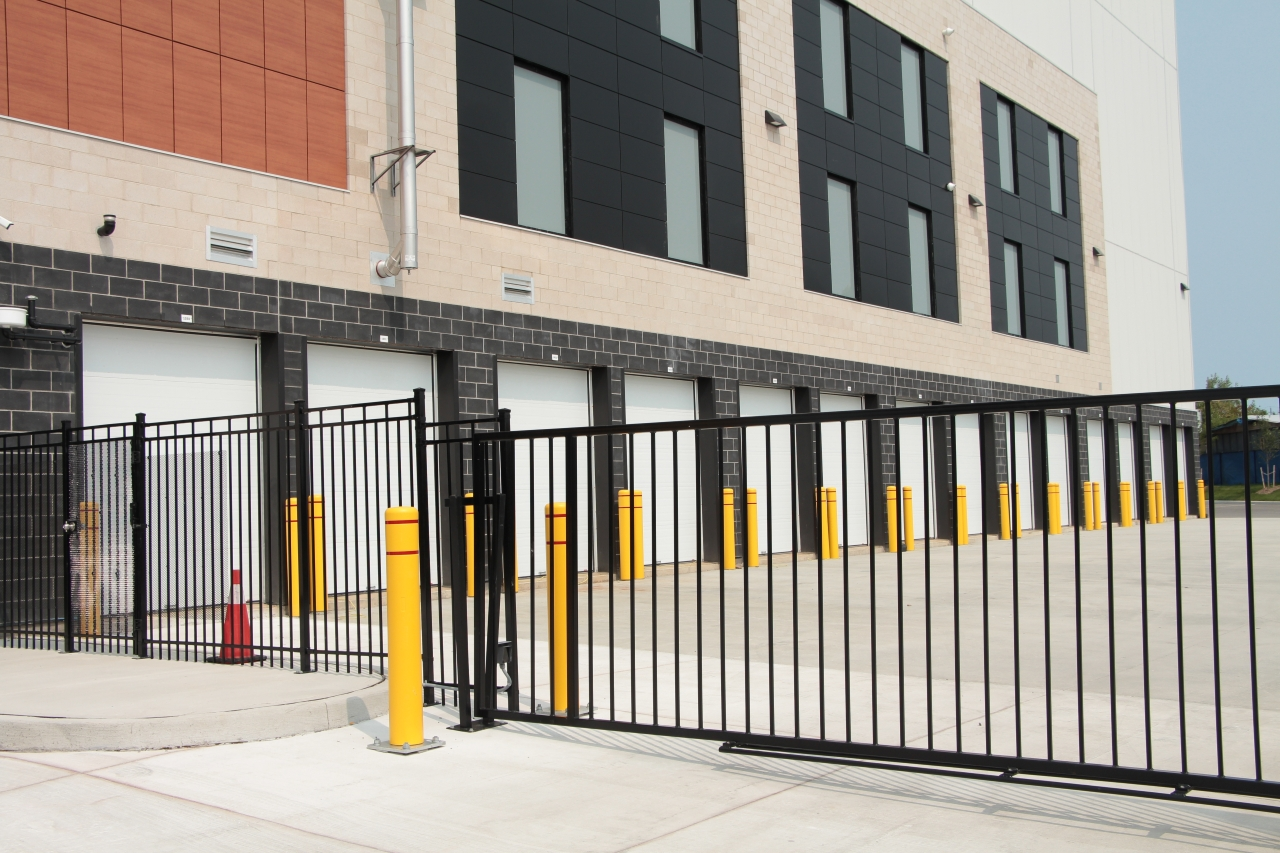
Suburban Giants and Urban Risers: Where America’s 100 Largest Metros Fall on the Self Storage Map
Self storage has long been a suburban story. Across America largest 100 metros, 59% of the inventory built over the past decade sits outside city cores, largely preserving the ratio of the total existing inventory.

Sweatshirt Storage Ideas Worth Keeping Up Your Sleeve
Sweatshirts are great until you realize how much room they take up. A few thick hoodies can fill a drawer fast, with lighter crewnecks getting squashed underneath or pushed somewhere you forget about. Good sweatshirt storage can make that pile much easier to manage without requiring a bigger closet.

Living Room Storage Ideas: 28 Ways to Reclaim Your Hosting Space
If a living room is where most of a household’s living happens, good storage should be the top priority for setting up or revamping the place. After all, think of how easier it would be to have people over when tidying up the place is just a matter of putting things in their right place (in a time when fewer and fewer people are entertaining friends at home(opens in new tab)). The trick is making room for all those wayward clothes, blankets, chargers and other small things that end up on (or, inexplicably, in) the sofa. Here are 28 living room storage ideas to get you started and make tidying up a quick affair.
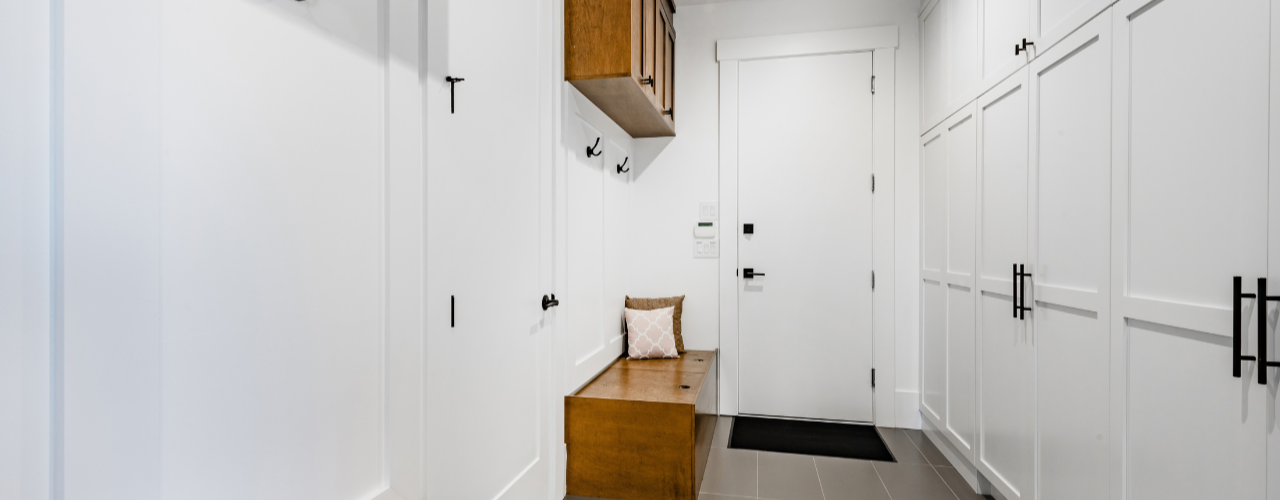
25 Mudroom Storage Ideas (And Mistakes to Avoid)
When you come home with muddy boots, an armful of bags and a coat you can’t wait to take off, it’s nice to have somewhere to put it all. With a mudroom, you can leave the outdoor mess at the door instead of carrying it through the house. Traditionally, you’d set aside a separate room, but you can just as easily use a hallway, an entryway closet, a laundry-room corner or a stretch of wall near the entrance.

Is Your Home Office Worth the Rent? What Coworking and Self Storage Could Save You
Every square foot of your apartment comes with a price tag, and a home office claims more of them than most renters expect. It starts with a desk. Then come the second monitor, the printer, the filing cabinet and the overflow boxes. Before long, the corner you set aside for work has turned into a small room you are paying for every month.

Best U.S. Cities to Live Uncluttered: Plano, TX, Offers the Most Room to Breathe
Clutter is in our homes as much as in our heads. Both are shaped by where we live.

America’s Top Snowbird Destinations for 2026–2027: Florida Leads in Numbers, Texas Wins on Value
For Americans living in colder states, the approach of winter is reason enough to start looking south. Cold weather carries costs that go beyond the heating bill and shoveling snow. Seasonal affective disorder(opens in new tab) is far more prevalent in northern states, so a temporary move south isn’t simply an escape from the cold, but a chance to spend the hardest stretch of winter outdoors and in the sun.