

If you’re an apartment renter, you’ve probably dabbled in keeping houseplants, especially if your living space was roomier and you could bring in the large potted plants. And it’s no wonder you did – studies show indoor gardening can be beneficial to your well-being as you gather a sense of accomplishment tending to your little corner of greenery and seeing it thrive. With apartment sizes shrinking, it’s more difficult to enjoy this hobby when a rental’s square footage is more limited.
However, don’t let a small apartment cramp your style – you can still bring in some greenery. Even if this isn’t your typical indoor garden, you can still focus on growing plants on your windowsill.
To help you on this literal growth journey, we’ve put together a list of tips and tricks to kickstart your windowsill gardening project in a small apartment.
1. Decide if a windowsill garden is right for you
The art of growing greens in your small abode’s windowsill is full of charm and dreams of tiny crops that make your heart swell with pride, but is this project right for your current lifestyle? Check the square footage of your windowsills to make sure you have enough room for the plants you’d like to bring in. Also, consider the time you need to dedicate to their care and the plans you need to make when traveling to ensure they’re properly tended.
Moreover, if you have children and pets, consider if these plants could potentially be toxic to them. Think of any other aspects of your lifestyle that might make taking care of the plants difficult for you.
2. Assess the space you’re working with for your windowsill plants
Once you’ve ruled out any potential issues with your new green thumb idea, it’s time to put it into action. Begin by examining the space you’re working with. Windowsills are usually smaller spots, but in some apartments, they can be wider, allowing for larger pots.
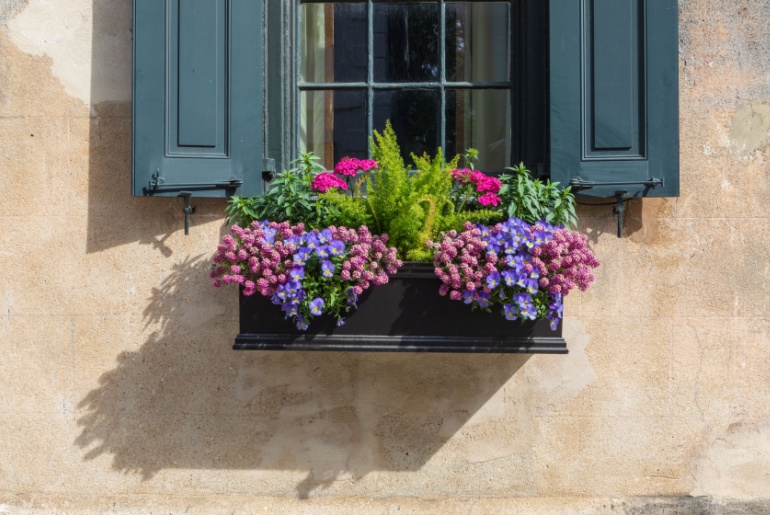
Check out the outside of your window to see if you can use it too – you may need to check with the landlord to ensure that using the exterior windowsill for plants is permitted first. If placing plants outside of the window is permitted, go ahead and install window boxes to double your windowsill space.
-
-
- Pro Tip:
- Be aware of the weight of your container and soil – check the weight restrictions for outdoor window areas. For instance, heavy planters hanging from removable hooks are probably a good idea.
-
3. Pick the plants for your windowsill
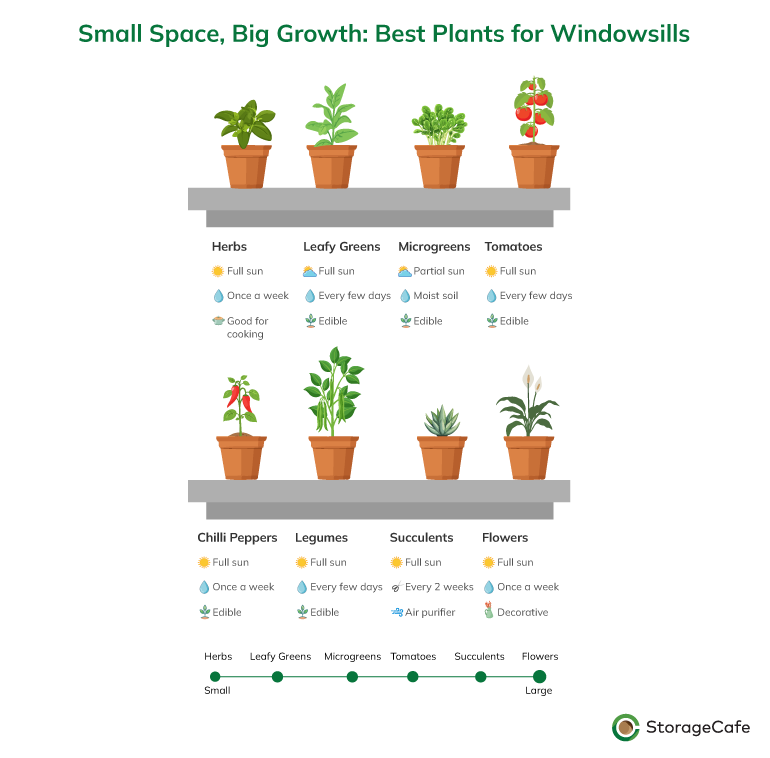
When you’re about to pick the plants for your windowsill, keep your goals in mind: Are you going to grow veggies and maybe herbs that you plan on cooking with or are you looking for plants to add to your room décor? You can combine the two goals – and if cooking is your end goal, choose plants that can be used often, but in small quantities, to allow them time to regrow. Let’s take a look at some options you can explore:
- Herbs
Herbs are the perfect candidates for windowsill gardening, as they thrive in small containers and grow moderately. You can grow them from seeds, or you can buy them full-grown from the store. Consider chives, parsley, basil, thyme, lavender, rosemary, sage, and mint – you’re getting natural aromatherapy with these aromatic herbs too! They can sit happily in a pot on your windowsill or a window box. Prune them at least once a year and save leaves and flowers to dry out and store for later use.
- Fun fact:
- Herbs such as sage, thyme and rosemary are drought-resistant. They cope well with infrequent watering and are thus easy to care for.
- Leafy greens
For the window that doesn’t receive constant sunlight, leafy greens are perfect, as they require only two or three hours of sunlight daily. Loose-leaf lettuce, spinach, and arugula are the easiest leafy green crops to grow on your windowsill. Imagine having fresh lettuce for your next salad – ready to jump into your salad bowl!
- Tomatoes
Since tomatoes tend to get large and heavy, pick dwarf varieties that typically don’t take up as much space as regular ones that need a trellis to climb on or a cage around them to grow in. Consider placing them on the windowsill where sunlight is abundant, as they require full sun conditions to thrive.
- Chilli peppers
If spicy foods beckon, you could set your sights on chili peppers – they need a small pot and provide year-round fruit. Save some seeds to replant them in the future to grow even more plants. Sprinkle them on the soil in a seed tray and cover with a thin layer of compost. You’ll soon have new seedlings ready to take their spot close to the window. Did we mention they also look great on your kitchen or bedroom windowsill?
- Legumes
Consider peas and beans to diversify your windowsill crops. Go for bush-bean varieties as opposed to pole beans because they tend to grow in a compact bush. They also require little maintenance and can grow easily on a windowsill.
- Microgreens
Microgreens are the young leaves of vegetables and are extremely flavorful. You can grow your own mini beetroot, kale, radish, coriander, spinach or beetroot leaves that are delicious in a salad or sprinkled over dishes. They are an easy crop to grow on your windowsill in a pot, and they’re ready to harvest in a few weeks.
- Strawberries
Install a box of strawberries on your windowsill. They need a couple of hours of sunlight per day and moist soil to thrive. Think of the delicious strawberries you can put in your oatmeal in the morning, and the setup doesn’t look half bad either!
- Flowers
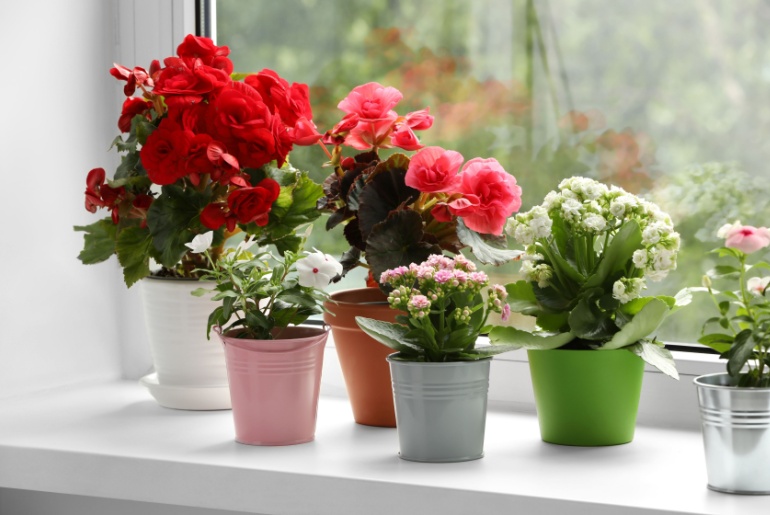
Besides vegetables and herbs, you can also sprinkle a pot of flowers here and there for the aesthetics and aroma. Consider geraniums, hyacinths, or cyclamens, as these varieties are excellent choices for the windowsill environment.
- Succulents
Succulents are the quintessential houseplant. They’re eye-pleasing and very easy to maintain, requiring very little watering. In fact, overwatering is one thing to watch out for. Just make sure to keep a constantly warm environment for them.
4. Go for windowsill-friendly pots
With windowsill plants in mind, it’s time to select containers for your small green corner. You can go the commercial route and buy a window box for your outdoor windowsill plants, but you can also repurpose household items for your indoor windowsill.
Seed trays
If you want to be part of growing plants from the start, you can get a seed tray. They’re small containers that keep your soil and your seeds until they turn into seedlings.
Household alternatives: newspapers, eggshells, or toilet roll tubes.
Plastic pots
Plastic pots are the most convenient type of plant container and are also budget-friendly. They’re not as aesthetically pleasing as other alternatives, but they also come with the added bonus of retaining moisture longer and are relatively lightweight, making them easy to move around.
Household alternatives: yogurt containers, old Tupperware, deli containers, old plastic bottles, or microwaveable meal trays. Plastic trays can also be used as drip catchers.
Ceramic pots
Ceramic pots allow plants’ roots to breathe thanks to the porous material. However, this is not a great feature when it comes to keeping the soil moist. To catch the water that escapes, place a saucer or plastic tray under it, which helps prevent water from dripping off the windowsill and allows the plant to slowly reabsorb the moisture. However, on hot days, make sure to check on the soil when it tends to dry up.
Window boxes
Window boxes are usually placed on the outside of the window for your flowerbed or for other plants you’re interested in growing. They can also be used for balcony gardening, if your apartment comes with one – you can grow even more food! You can choose from plastic, metal or wood options.
Household alternatives: Use old furniture pieces or wooden pallets to create your own DIY window box.
5. Choose soil that roots for your plants to grow
Soil is a gardening essential, so picking the right one for your windowsill plants is one of the keys to their successful growing. Since you’re keeping your plants in small pots – even the window box is relatively small – you can’t go for ordinary garden soil, which typically compacts in small containers. Your best option is potting soil, also called potting mix. This is a light type of soil that also fluffs, allowing water and oxygen to easily penetrate it, and for water to drain just as easily.
- Pro Tip:
- When repurposing used soil containers for new plants, mix the soil with a fork or your hands. This helps loosen it up and detect any remaining root hairs that could otherwise slow down or prevent the new plant’s roots from growing.
6. Caring for your windowsill garden
Creating your windowsill garden is a great accomplishment. Now, you need to make sure you’re taking good care of your plants to help them thrive, considering a few key factors.
Water your plants accordingly
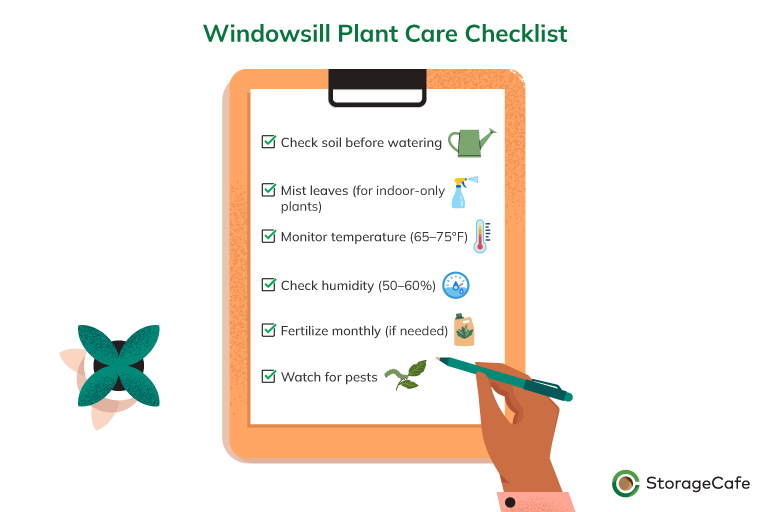
Except for succulents, most plants require a good amount of water. Use the appropriate amount of water and watering frequency based on the types of plants you’ve selected. Avoid overwatering, as it is one of the most common causes of plant death. When in doubt, check the soil to determine if it needs watering. Additionally, your plants, located on the indoor windowsill, don’t benefit from the natural rain that moistens their leaves and stems. That’s why you should use a spray bottle to give them a much needed mist above the ground. This gives them an extra drink and washes the dust off the leaves.
- Pro Tip:
-
- Watering your containers can make them heavier. Inspect the structure of your windowsill to ensure it can safely support your plants indoors. Secure window boxes if you’re using them to avoid any accidents.
-
Remember to feed your plants
Besides water, plants also require nourishment. Check whether your potting mix contains fertilizer. If not, you can use a water-soluble fertilizer to supplement their feeding during regular watering.
Check the temperature and humidity
Indoor plants thrive when temperatures range between 65°F and 75°F. Ideal humidity should stand around 50-60%. Temperatures below 65°F and humidity below 25% can harm your windowsill garden.
- Pro Tip:
- Consider the impact of air conditioning on your plants. Often, it can cause plants to shrink and lose color. For this reason, choose varieties that thrive in air-conditioned environments, such as aloe vera and other succulents. Herbs such as sage, thyme and rosemary are drought-resistant.
Keep pests in check
Even when your windowsill garden is indoors exclusively, pests and harmful bugs can still find their way to your plants. Regularly check them for any issues, such as leaf discoloration or holes in leaves. Quarantine the sick plant until you determine the best course of action to help it recover. For prevention, wipe down your plants’ leaves with a damp cloth to remove any potential pests that may be lurking. Also, you can turn to natural remedies such as neem oil, which acts as a natural insecticide.
Enjoy the fruits of your labor
You’ve worked hard to create your windowsill garden, and now it’s time to enjoy it. Whether you’ve planted aromatics, you can pull a twig or two to add fresh herbs to your dishes and salads. Or, if you’ve planted lettuce or other vegetables, be sure to use them and enjoy the freshness of the ingredients.
Research when the plants you’re growing are supposed to be harvested; don’t delay picking up the goodies you’ve worked for. In fact, harvesting can help the plant continue to grow more and provide an extra crop.

7.Let self storage help manage your gardening items
You are already in a small apartment, which doesn’t allow for much extra storage of additional items, such as your gardening tools. Your extra pots, small tools and more can sit in a storage unit until you need them again rather than cluttering your living space.
Storage unit size
- 5’x10′ – ideal for small gardening tools or outdoor gear
- 10’x10′ – great if you need to store other items too, such as office furniture, seasonal decorations, outdoor furniture, baby items and more.
Check out this storage unit size guide to get a more accurate idea of what unit size you need, or this storage calculator to see how well your items can fit into a storage unit.
Storage unit price
Typically, storage units are inexpensive, but the price can also vary based on location, amenities and more. For storing mostly gardening tools, consider a standard unit that doesn’t come with climate control.
If you’re planning on storing other items as well, such as furniture, clothing, books, musical instruments and more, you’ll need a climate-controlled unit. Typically, they tend to cost more, as they offer added protection against temperature- and humidity-related damage
Check out how prices can vary:
- Average 5’×10’ non-climate-controlled unit: $77/month
- Average 5’×10’’ climate-controlled unit: $86/month
- Storage rent can go from $258/month in New York City, NY, to $188 in Chicago, IL, and $130/month in Oklahoma City, OK.
Frequently asked questions about windowsill gardening
What should I know about how to start a windowsill garden?
Windowsill gardening is easier than you think. Check the windowsill you have, get containers – buy plastic or ceramic pots or use household items such as yogurt containers or egg cartons instead. Pick small plants, such as herbs, succulents, and salad greens, and ensure you can provide a warm environment based on the temperature and humidity that your chosen plants need to grow.
What are some herbs you can grow on your windowsill?
You can grow plenty of herbs on your windowsill, including rosemary, thyme, parsley, basil, oregano and more.
Can I grow lavender in a window box?
Yes, lavender is appropriate for a window box, especially compact varieties. Lavender requires plenty of sunlight, so choose a south-facing window to place it. Drainage is also important – choose a pot that comes with drainage and use a potting mix that allows water to flow easily through.
What do I need to know about growing tomatoes on a windowsill?
Opt for varieties that remain small and ensure they are placed on a windowsill that receives a couple of hours of sunlight daily. Water them frequently, checking the state of the soil – if it’s dry and hardened, they probably need another watering.
How often should I water my indoor plants?
Water your plants based on their needs. Check how much water the variety you picked needs. Don’t water them too often—too much moisture is a common reason plants don’t make it. If you’re unsure, feel the soil to see if it’s dry and compact. That’s a good sign they’re ready for another drink.
With these tips in mind, you too can turn your small apartment windowsill into a lush oasis, where radishes, succulents and strawberries can thrive and bring you the joy of gardening in a cozy space.



25 Mudroom Storage Ideas (And Mistakes to Avoid)
When you come home with muddy boots, an armful of bags and a coat you can’t wait to take off, it’s nice to have somewhere to put it all. With a mudroom, you can leave the outdoor mess at the door instead of carrying it through the house. Traditionally, you’d set aside a separate room, but you can just as easily use a hallway, an entryway closet, a laundry-room corner or a stretch of wall near the entrance.
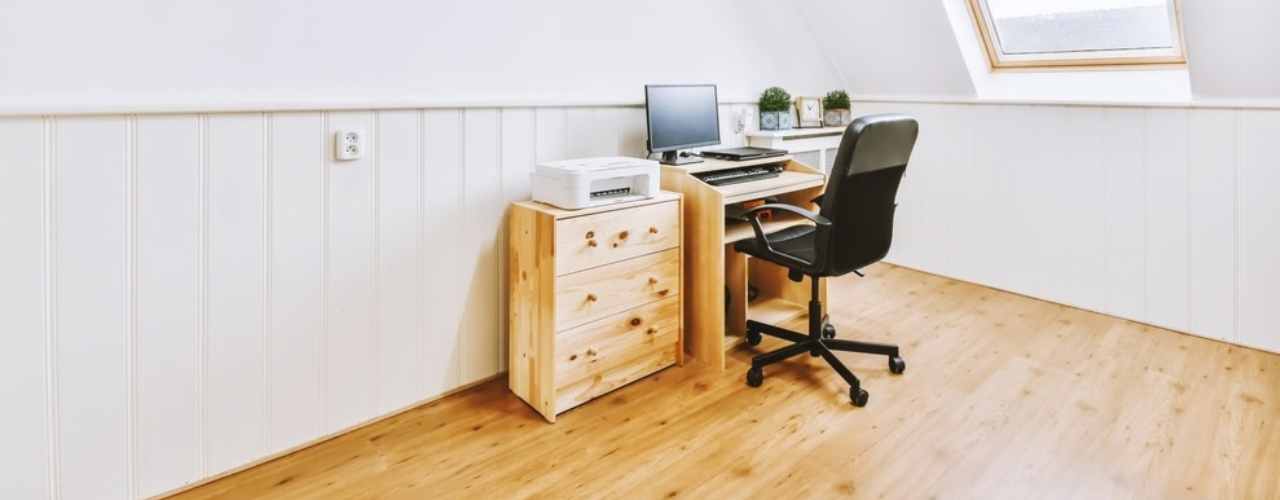
Is Your Home Office Worth the Rent? What Coworking and Self Storage Could Save You
Every square foot of your apartment comes with a price tag, and a home office claims more of them than most renters expect. It starts with a desk. Then come the second monitor, the printer, the filing cabinet and the overflow boxes. Before long, the corner you set aside for work has turned into a small room you are paying for every month.

America’s Top Snowbird Destinations for 2026–2027: Florida Leads in Numbers, Texas Wins on Value
For Americans living in colder states, the approach of winter is reason enough to start looking south. Cold weather carries costs that go beyond the heating bill and shoveling snow. Seasonal affective disorder(opens in new tab) is far more prevalent in northern states, so a temporary move south isn’t simply an escape from the cold, but a chance to spend the hardest stretch of winter outdoors and in the sun.

How Much Does Halloween Really Cost in 2026? Plan Wisely to Avoid the Scare of Hidden Costs
Americans’ love for Halloween is almost frightening — this year alone, we are on our way to spending $13.5 billion, according to data from the National Retail Federation(opens in new tab). That breaks down to about $115 Halloween costs per person, a whopping 49% more than 10 years ago.

How to Store LEGOs: All the Fun, None of the Clutter
How to store LEGOs largely comes down to how your household uses them. If the bricks are part of everyday play, you need a setup that keeps them within easy reach and makes cleanup quick (for your feet’s sake, at least). Toy storage(opens in new tab) such as simple bins, playmats or containers that children can put away themselves may be enough. Larger or more serious collections usually need more organization, such as labelled drawers for loose pieces, trays for unfinished builds, shelves for completed models and separate storage for retired sets.

Cardboard Costume Guide: Tips and Ideas for a DIY Halloween
Whether for kids or adults, cardboard costume ideas often make the biggest splash once materialized, and that’s for a simple reason: doing a lot with a little is a universally impressive feat (especially in this economy). If you don’t have enough boxes you could temporarily repurpose, don’t worry! There are many places where you can find free moving boxes(opens in new tab), from stores and supermarkets to online groups and recycling drop-off spots. On the run? Try your luck at a self storage(opens in new tab) facility that sells moving supplies, often for cheap. This way, you can choose moving boxes of different shapes and sizes(opens in new tab), so you can make your costumes as complex as you want.

How to Celebrate Halloween: 9 Non-Spooky Ways To Enjoy It
As soon as October starts, it’s the official Halloween month. And while for many people it means it’s open season to get the scare of a lifetime, others, especially families with small children, might prefer to celebrate in a tamer way that’s both kid- and adult-friendly. While you’re likely to find more events where the spook factor is high, here’s how to celebrate Halloween in a not-so-scary way:

Motorcycle Storage Guide: How to Store Your Bike Safely
Motorcycles may be born to be wild, but eventually even the wild ones need somewhere to park. Whether riding season is winding down or your current living situation comes with plenty of square footage for you and less for your bike, motorcycle storage is one of those parts of ownership that doesn’t get as much airtime as the open road.

Halloween Decorating on a Budget (And Cheap Ideas for Everything Elsee)
Halloween has crept a long way from its eerie origins. While All Hallows’ Eve has transformed through the centuries, it wasn’t until the 1930s that trick-or-treating became a tradition in the U.S. and businesses began conjuring up mass-produced Halloween costumes. Now, Halloween is a monster-sized, billion-dollar industry, with a cauldron full of costumes and decorations ranging from the mainstream to the macabre. But is it all really worth your wallet? Maybe, but we’ll let you in on a little secret: You can keep your Halloween decorating on a budget and save on everything else, too. Take this plan and see it through!