

- Housing development has reached new heights in the U.S., with 2025’s multifamily market approaching 18 million apartment units in large-scale, 50+ unit developments.
- Apartment construction has accelerated significantly over the past decade, with 4.1 million units added to the market between 2015 and 2024. That accounts for approximately 39% of all apartment deliveries over the last 40 years — taking place in just the last ten.
- Most major U.S. cities have at least doubled their multifamily inventories during this time, with Seattle, WA, increasing its inventory sevenfold.
- Rising urbanization, paired with shrinking apartment sizes — down by an average of 75 square feet since 2005 — are among the top reasons renters are increasingly relying on off-site storage.
- Driven by growing demand, self storage has expanded into a 2-billion-square-foot industry. Approximately 87% of total inventory — about 1.76 billion square feet — was delivered over the past 40 years.
- The last decade alone has added more than 547 million square feet of storage space to the market, largely fueled by continued urbanization, the rise of remote work, and population growth, all of which have placed more pressure on already tight living spaces.
- This surging interest is also evident online: self storage searches now average 3.3 million per month in 2025, a 14% increase compared to 2024.
The U.S. multifamily market has been on a development spree for much of the past four decades, driving inventory up to nearly 18 million apartment units in large-scale communities of 50 or more units.
The last decade, however, is stealing the show, making the pre-2015 period look like a mere warm-up. Of the 10.5 million apartments delivered over the past 40 years, approximately 4.1 million units — or 39% — came online in the last decade alone. From sleek new towers in Jersey City to sprawling complexes in Frisco, we’re seeing a flood of new top-notch apartment units and, with them, a lifestyle preference that is redefining space, community, and what it means to call a place home.
This massive and much-anticipated construction effort has nearly doubled the multifamily inventory in many major cities, fueling a broader shift toward urban living, with former exurbs and suburbs now matching urban hubs in amenities and infrastructure.
Renting continues to gain ground across the U.S., with the national rentership rate now at 32.6%. In many of the nation’s largest and fastest-growing cities, the preference for apartment living is even more pronounced. New Jersey, for one, stands out as a rental powerhouse, with over 70% of households in both Newark and Jersey City opting to rent.
Meanwhile, Frisco, Texas, leads the nation in rentership growth, with its rate soaring by a third over the past decade, from 25% to 33.5%. Local developers have risen to the challenge of meeting the growing demand for housing, and Frisco now boasts a thriving apartment market catering to all tastes and budgets. Just like Frisco, cities such as McKinney and Katy in Texas, as well as Henderson, NV, and Chandler, AZ, have seen virtually all of their multifamily and self storage inventories developed over the past 40 years. These Sunbelt growth hubs are driving a national trend, as suburban and exurban areas push the boundaries of infrastructure and housing development.
Behind roll-up doors, self storage steps up as the quiet companion to America’s apartment boom
As more Americans embrace apartment living, many are trading space for comfort and location. Apartment supply has climbed to its highest level in more than four decades, yet the units coming to market have never been smaller. Developers are trimming square footage to address the housing shortage, betting that today’s renters will welcome the ‘smaller is better’ model for the convenience it offers. From 2015 to 2024, small units reached a record share of the market: studios and one-bedrooms made up about 53% of completions, adding nearly 2 million units, compared with 1.75 million larger apartments with two or more bedrooms.
On average, apartments built in the past decade are about 30 square feet smaller than those completed between 2005 and 2014, and roughly 75 square feet smaller than units from the early 2000s. Coupled with the rise of remote work, which is blurring the lines between home and office, this steady loss of space is leaving many renters feeling the squeeze.
That’s where self storage steps in – not as a luxury, but a necessity. Its growth has quietly kept pace with the apartment boom, becoming an essential support system in a lifestyle defined by less space and more flexibility. Behind every sleek new high-rise is a storage unit, holding the things that no longer fit but still matter.
The U.S. self storage industry now covers more than 2 billion square feet after decades of steady expansion. Since 2015, nearly 547 million square feet of new space has been added nationwide — a pace on par with the sector’s most prolific building boom, between 1995 and 2004, when about 550 million square feet came online.
Over the past decade, we’ve seen unprecedented multifamily growth alongside shrinking unit sizes, denser urban cores, and lifestyles that blur the lines between work and home,” said Victor Maghear, Trends Analyst for StorageCafe.
Self storage has quietly become the backbone of this new reality, growing in step with housing in most cities. Beyond traditional uses like moving or storing the forgotten, its primary users today are those who simply lack space at home — now the largest segment, representing about 35% of all storage customers.
To understand just how closely these two real estate sectors are intertwined, we analyzed the 130 largest U.S. cities and ranked them by apartment deliveries over the past 40 years. We then examined how self storage development has kept pace. The results are striking: in every market where more than 50% of the multifamily inventory was delivered after 1985, self storage expanded even more dramatically, adding over 80% of its inventory during the same period.
In many markets, self storage has even outpaced multifamily growth, emerging as a quiet but essential companion to the nation’s surging rental market.
America’s boomtowns: Texas hubs lead in apartment and self storage construction
Among all U.S. states, Texas stands out as a clear leader in both apartment construction and self storage development. The state’s major metro areas have been powerhouses of growth, fueled by a steady influx of people and businesses that has driven extraordinary housing demand. Houston, Austin, and Dallas claim the top three spots nationally for apartment deliveries over the past four decades, with San Antonio ranking fifth.
As these cities rapidly expanded their multifamily housing stock, self storage construction followed suit, underscoring the close relationship between dense urban living and the need for extra space.
Houston, TX
Houston exemplifies the convergence of housing and storage demand more than any other U.S. city. Over the past 40 years, it has added over 240,000 apartments, representing 48% of its current apartment inventory, with a rentership rate nearing 60%.
In tandem, there were added 20 million square feet of self storage in Houston, or 73% of its current inventory. The trend has only intensified over the past decade: apartments built from 2015 onward have shrunk by 44 square feet on average — roughly the size of a walk-in closet — while 5.3 million square feet of storage were added locally.
Austin, TX
Though smaller in scale, Austin has experienced similarly dramatic growth. Since 1985, the city has delivered nearly 190,000 apartments, making up almost 80% of its total inventory. During the same period, 7.5 million square feet of self storage were built, or 76% of the city’s storage supply.
From 2015 to 2024, apartment deliveries surged by 160% compared to the previous decade. At the same time, average unit sizes fell by 50 square feet. In response, the Austin’s self storage sector boomed, delivering over 3.2 million square feet, more than triple the prior decade.
Austin’s new housing has also grown more upscale: 91% of units built in the past decade are high-end, compared to just 28% from 1985–2004. These minimalist homes favor open floor plans, leading many residents to rely on off-site storage to maintain clean, clutter-free spaces.
Dallas, TX
Dallas ranks among the nation’s top cities for both multifamily and storage development. Over the past 40 years, the city added more than 158,000 apartments, including 60,000 in the past decade alone, double the number built from 2005 to 2014.
As development ramped up, average unit sizes shrank by 30 square feet, reinforcing the move toward vertical, high-density living. Storage needs rose accordingly: from 2015 to 2024, Dallas added 2.4 million square feet of self storage, three times the volume built in the previous decade.
San Antonio, TX
San Antonio ranks fifth nationally for apartment construction since 1985, delivering nearly 135,000 units, or 63% of its current stock. Over the same period, the city added 13+ million square feet of storage, representing 78% of its total inventory.
The trend has accelerated in the last decade: nearly one-third of the total storage supply in San Antonio was delivered from 2015 to 2024, driven by population growth, economic expansion, and smaller new apartments.
Fort Worth, TX
Fort Worth rounds out Texas’s top-performing cities, ranking in the national top 20 for apartment construction, with over 70,000 units added since 1985 and nearly half of them built in just the last decade.
Fueled by a 21% population increase over the past 10 years, Fort Worth’s housing market has surged. But new apartments are smaller: units built from 2015 to 2024 are, on average, 40 square feet smaller than those from 2005–2014 and 70 square feet smaller than those built from 1995–2004.
This shift, along with strong demand, has reshaped the local storage sector. Since 1985, 82% of Fort Worth’s current self storage inventory — 7.8 million square feet — has been built, with almost half delivered in the past decade alone.
From Atlanta, GA, to Raleigh, NC, Southern cities drive a dual development surge
While Texas metros lead the nation in scale, they’re not alone in long-term growth across both multifamily and self storage development. Several Southern cities, including key markets in Georgia, North Carolina, and Florida, have experienced explosive expansion over the past four decades. In fact, six Southern cities rank among the top 20 U.S. markets for apartment construction since 1985, each showing a corresponding boom in self storage.
Atlanta, GA
Atlanta ranks fourth nationally for apartment construction, adding over 155,000 units since 1985, a 77% expansion of its multifamily inventory. More than 67,000 of those units were delivered in the past decade alone, a period marked by shrinking apartment sizes. Units built between 2015 and 2024 average about 900 square feet — roughly 50 square feet smaller than those built from 2005–2014, and 120 square feet smaller than those from the late 1990s to early 2000s.
With over 25% of the city’s workforce now working remotely, pressure on living space and, by extension, off-site storage, has intensified. The self storage sector responded with close to 5 million square feet delivered since 1985, accounting for 90% of the city’s current inventory. Over 2.2 million square feet were added in the past decade alone.
Yet Atlanta offers just 4.5 square feet of storage per capita, well below the national benchmark of 7, suggesting an underserved market. A growing pipeline of planned and under-construction facilities aims to address this gap.
Charlotte, NC
Charlotte ranks sixth nationally for apartment construction, adding over 131,000 units since 1985, an impressive 82% of the city’s current inventory. Nearly 66,000 of those units were delivered between 2015 and 2025, accounting for half of all deliveries since 1985 and 40% of total inventory.
This surge in housing coincided with a notable drop in unit size, down more than 50 square feet from the previous decade. Self storage followed suit in Charlotte, with nearly 3 million square feet delivered in the past decade, bringing Charlotte’s total inventory to 7.7 million square feet.
Orlando, FL
Orlando ranks eighth nationally, with nearly 115,000 apartments built since 1985, comprising 83% of its current multifamily inventory. The past decade alone saw 39,000 new units delivered, supported by a 25% population increase from 2015 to 2024.
However, new apartments are getting significantly smaller — about 75 square feet less than units delivered during the previous decade. This has driven demand for self storage.
Since 1985, Orlando has added almost 8 million square feet of self storage. Deliveries from 2015 to 2024 were three and a half times higher than those from 2005 to 2014, reflecting not only population growth but a broader shift toward denser, more compact living.
Miami, FL
Miami remains one of the most dynamic rental housing markets in the U.S. With 70% of residents living in rental units, the need for self storage is baked into the city’s housing landscape.
Since 1985, the city has added over 83,000 apartments and 8.1 million square feet of self storage. The past decade has seen a sharp acceleration in both sectors. From 2015 to 2024, 3.9 million square feet of self storage were delivered, nearly four times more than in the previous decade.
In a market dominated by high-rise condos and dense rental housing, in-unit storage is limited, further amplifying off-site storage demand in Miami.
Tampa, FL
Like its Florida peers, Tampa has experienced a surge in both apartment and self storage construction. New residential development, driven by population growth and lifestyle changes, is producing smaller, amenity-rich apartments, fueling storage demand as renters prioritize convenience over square footage.
Over the past decade, self storage deliveries have kept pace with housing and demographic shifts. As in Miami and Orlando, Tampa’s storage boom is tied to a younger, renter-heavy population and the continued evolution of live-work spaces.
Not one-size-fits-all: West Coast cities reveal contrasting trends in storage and housing
Two major Californian cities — Los Angeles and San Diego — rank among the nation’s top performers in apartment construction over the past 40 years. Los Angeles claims the 9th spot, while San Diego rounds out the top 20. Given California’s well-documented housing affordability challenges, the scale of multifamily development in these markets has played a crucial role in easing pressure on supply.
In cities where homeownership remains out of reach for many, apartment construction is essential to accommodate growing populations, support economic mobility, and provide housing for diverse workforces. Yet when it comes to self storage development, Los Angeles deviates from the typical pattern seen in most fast-growing cities, with storage supply failing to keep pace with residential growth.
Los Angeles: Apartment boom meets storage bottleneck
Since 1985, Los Angeles has delivered approximately 116,000 new apartments, a notable achievement in a city constrained by strict zoning laws, land scarcity, and complex permitting processes. Of these, nearly 57,000 units were delivered between 2015 and 2024, more than double the number completed from 2005 to 2014.
However, self storage construction has not followed suit. Between 2015 and 2024, deliveries actually declined by nearly 5% compared to the previous cycle, totaling just over 1 million square feet. This mismatch is all the more consequential in a city where newly delivered apartments now average just 779 square feet, 37 square feet smaller than the previous decade.
With self storage inventory at just 2 square feet per capita, well below the national benchmark of 7, Los Angeles faces some of the highest street rates in the country, driven by scarcity, strong demand, and limited development opportunities. The average storage unit in the city of Los Angeles now rents for $287 per month, up 5.9% compared to last year.
San Diego: A more balanced growth trajectory
San Diego presents a more balanced picture. While still facing supply constraints, the city has shown a stronger alignment between residential growth and self storage development.
San Diego has accelerated apartment construction, landing among the top 20 U.S. cities for multifamily deliveries since 1985. At the same time, San Diego has added over 5 million square feet of self storage, with 1.3 million square feet delivered from 2015 to 2024, marking a 50% increase over the previous decade.
Although still playing catch-up with demand, this upward trend suggests a better-integrated urban development model, where storage is seen as a complementary component of the residential landscape.
Seattle: Small units, strong storage response
In the Pacific Northwest, Seattle demonstrates a strong correlation between dense urban living and self storage demand.
Since 1985, the city has added over 106,000 apartments, comprising 85% of its current multifamily inventory. More than 60,000 units were delivered in just the past decade, supported by a 16% population increase.
However, that growth has come with a spatial cost. Apartments built since 2015 average just 645 square feet, making them 60 square feet smaller than those delivered between 2005 and 2014. With nearly one-third of Seattle’s workforce now remote, pressure on living space has intensified.
Fortunately, Seattle’s self storage sector has responded: 2.8 million square feet of storage have been added since 1985, with over 1 million square feet delivered from 2015 to 2024, a 145% increase over the previous decade. An additional 170,000 square feet is scheduled for delivery in 2025, demonstrating continued momentum in addressing growing storage needs.
Manhattan delivered nearly all of its self storage inventory in the past 40 years
New York City’s borough of Manhattan ranks ninth nationally for multifamily construction since 1985, having delivered over 112,000 apartment units during that time. While the number is significant, these units make up only about a third of Manhattan’s total housing stock, a clear reflection of the borough’s older, prewar inventory and highly constrained development environment.
Stringent zoning laws, landmark preservation regulations, limited land availability, and the sheer complexity of building in a dense urban core have long slowed new residential development in Manhattan, especially when compared to Sunbelt or suburban markets. The result is a tight housing supply, which drives high rents and limits opportunities for residents to find more spacious living arrangements.
On the self storage front, about 95% of Manhattan’s current inventory — roughly 4.6 million square feet — was delivered after 1985. Despite that, the borough’s per capita storage inventory remains among the lowest in the country, at just 1.2 square feet per person, far below the national average of around 7 square feet.
This extreme scarcity, paired with high construction and operating costs, drives average street rates for a self storage unit in Manhattan to around $250 per month, making it one of the most expensive self storage markets in the U.S.
Washington, D.C. sees parallel growth in apartments and self storage
Farther south along the East Coast, Washington, D.C. has undergone four decades of robust multifamily construction, adding approximately 84,000 new apartment units since 1985. Remarkably, 64% of that total, about 54,000 units, were delivered in the past decade alone, driven by rising demand and a deliberate shift toward higher-density urban housing.
This rapid expansion has been shaped by the capital’s resilient job market, supported by the federal government, as well as the legal, consulting, and nonprofit sectors. A steady influx of young professionals has further fueled housing demand. At the same time, D.C.’s progressive planning policies have enabled significant residential infill and redevelopment in neighborhoods like NoMa, Navy Yard, and the H Street Corridor, helping reshape the city’s housing fabric.
The self storage sector in Washington, D.C. has followed a similar upward trajectory. Of the roughly 2 million square feet of storage space built in D.C. since 1985, more than 1.2 million square feet — over half — was delivered in the past decade. This recent surge reflects both the growing need for supplemental space in dense urban environments and the city’s embrace of mixed-use development, where storage is increasingly integrated into residential and retail projects through vertically efficient, space-conscious design.
Rising apartment deliveries, lagging storage supply in Chicago
Chicago ranks 11th nationally for apartment construction, with 107,000 units delivered since 1985, accounting for approximately 56% of the city’s total multifamily inventory. Notably, half of those units were built in just the past decade, marking a return to urban development momentum after a prolonged period of slower growth.
Much of this acceleration has centered on Chicago’s revitalized downtown and adjacent neighborhoods, where high-rise and mid-rise projects have transformed areas like the West Loop, South Loop, and River North into vibrant residential hubs. This resurgence has attracted both young professionals and empty nesters, fueling rental demand and reshaping the city’s housing market.
Over the past four decades, Chicago’s apartments have generally trended compact, with one exception: the 2005–2014 period, when average unit sizes peaked at about 820 square feet. That brief upsizing has since reversed, with units built over the past decade averaging roughly 50 square feet less. This downsizing comes as more than 18% of the city’s workforce now works remotely, further straining limited living space.
With a rentership rate exceeding 54%, demand for additional storage options has grown more urgent. Yet self storage construction has not fully kept pace with the apartment boom. While over 95% of Chicago’s current storage inventory has been built since 1985, deliveries over the past decade totaled around 12 million square feet, a modest increase over the previous ten-year span, despite a surge in multifamily development.
As a result, Chicago’s self storage inventory sits at just 3.5 square feet per capita, roughly half the national average. This lag underscores a growing mismatch between housing density and accessible space solutions in the nation’s third-largest city.
The Mountain West thrives in both apartment and self storage construction
Las Vegas, Phoenix, and Denver all rank among the top 20 U.S. cities for apartment construction over the past 40 years, a distinction driven by rapid population growth, economic diversification, and lifestyle appeal. In each city, self storage construction has risen alongside multifamily development, though with some variations in pace and scale.
Las Vegas: Aligned growth for a fast-moving population
Since 1985, Las Vegas has built over 107,000 apartments, with the most active development occurring during the first two decades. This boom aligned with the city’s evolution from a tourism- and gaming-focused economy into a more diversified metropolitan hub, attracting service-sector workers, families, and retirees.
Self storage construction in Las Vegas closely mirrored this growth, with 76% of the city’s apartments and 86% of its storage inventory added over the same period. This alignment reflects the needs of a highly mobile population, where off-site storage supports frequent relocations, seasonal migration, and lifestyle flexibility.
Phoenix: A parallel surge in housing and storage
Phoenix has followed a similar, but even more explosive trajectory, fueled by one of the fastest population growth rates in the country. Over the past four decades, the city delivered 65% of its apartments and 77% of its self storage inventory, highlighting a strong alignment between housing and storage development.
In-migration from higher-cost states, a booming tech and logistics economy, and ongoing suburban expansion have all played a role in shaping Phoenix’s real estate landscape. Self storage in Phoenix is not just a convenience — it’s a necessary extension of compact, amenity-driven housing that prioritizes location over square footage.
Denver: Rapid growth, but a storage gap remains
Denver presents a slightly different picture. Since 1985, the city has added 92,000 apartments, with a striking 55,000 units, or well over half, built since 2015. This surge reflects Denver’s thriving tech and energy sectors, along with a 12.6% population increase over the past decade as new residents are drawn to both job opportunities and outdoor living.
While self storage development has accelerated, it hasn’t kept pace with the scale of multifamily growth. Per capita storage inventory in Denver stands at just 3.4 square feet, less than half the national average, leaving the city undersupplied relative to its rising density and shrinking living spaces.
As American cities grow denser and lifestyles become more flexible, the rise of both apartment and self storage construction tells a bigger story about how we live today. With smaller living spaces, surging populations, and hybrid work becoming the norm, self storage has shifted from a nice-to-have to a must-have. It’s no longer just extra space—it’s a key part of how people manage modern urban life.
The table below highlights the long-term development trends shaping housing and storage in America’s largest urban centers. Cities are ranked by the number of apartment units delivered since 1985, with accompanying data on self storage growth over the same period. Explore and filter to find detailed insights on the cities that interest you.
Expert Opinions
To explore how apartment construction trends intersect with self storage demand, we turned to experts in the field.
Lu Chen, Director – Senior Economist, Moody’s
From your perspective, which areas of the U.S. are experiencing the fastest growth in urban living? Is the boom in multifamily housing helping to ease the housing shortage?
Over the past decade, urban living has been growing and expanding across major metro areas, especially Dallas, Houston, Austin, Atlanta, Phoenix, Los Angeles, Denver, New York, and Seattle, which have led the multifamily market expansion.
In the last 18 months, the states of NC and CO experienced the fastest inventory growth. CA, TX, and FL had the largest multifamily deliveries in numerical terms. The corresponding increases in vacancy rates indicate more available stock for renter households, and thus a reduced rental shortage.
However, affordability continued to challenge household formation, especially latent ones. The recent vacancy increase indicates an improving housing shortage situation, but our latest estimate still calls for around a 2 million housing shortage across the nation.
Is the shift toward denser, apartment-focused development influencing demand for self storage?
There has always been this positive relationship between storage and multifamily supply and demand. Data show that self storage market activity skewed toward markets that experienced the most multifamily construction and leasing activity.
Are you seeing changes in residential design — such as smaller floor plans or fewer storage options — that are shaping how people use self storage?
We did see many downtown/CBD areas showing smaller average sizes across unit mixes in our dataset. Intuitively speaking, these smaller-sized apartment units would encourage demand for self storage, but we don’t have enough data points to prove this statistically at this point.
Doug Ressler, Business Intelligence Manager at Yardi Matrix
The self storage industry was booming just a few years ago. How has the landscape shifted since then?
The sector has faced two of its most challenging years. Occupancy, rent, revenue, and NOI have all declined sharply from the historic highs of 2021 and 2022. By the end of 2024, publicly traded REITs reported average revenue growth of -1.4% and net operating income growth of -3.4%. The downturn has been driven by softer demand, linked to slower migration and weaker home sales, alongside a surge of new supply that hit the market in 2023 and 2024.
Advertised rental rates fell year-over-year for 28 consecutive months, though the pace of decline has recently eased, improving from -4.2% in June 2024 to -1.2% in January 2025. REITs have been instrumental in this stabilization, using introductory discounts to attract tenants while pulling back on deeper concessions. On the development side, the construction pipeline is contracting, with new square footage expected to fall 15% in 2025, 18% in 2026, and 8% in 2027. While a housing rebound in 2025 looks unlikely, the slowdown in supply should provide a healthier balance starting in the second half of the year.
How does multifamily construction play into these dynamics?
The U.S. has experienced an extraordinary wave of apartment building. Between 2015 and 2024, 4.1 million units were delivered, nearly 40% of all completions in the past four decades. At the same time, apartments are getting smaller, averaging about 75 square feet less than in 2005. This creates natural demand for storage, as renters need alternatives to make up for lost living space.
Where do you see the connection between multifamily and storage most clearly?
Texas metros like Houston, Austin, and Dallas stand out. They’ve been leaders in both apartment and storage construction, and the two sectors have grown in parallel. In dense urban markets, storage is moving from convenience to necessity, particularly as hybrid work blurs the lines between living and working space.
But the relationship isn’t uniform nationwide. In Los Angeles, apartment development has far outpaced storage, pushing storage rental rates higher. Meanwhile, cities like Atlanta and Denver have strong apartment growth but relatively low storage inventory per capita, suggesting they remain underserved.
Methodology
This analysis was conducted by StorageCafe, an online platform providing nationwide listings for storage units.
For this study, we examined apartment deliveries in residential complexes with 50 or more units, both at the national level and across the 130 most populous U.S. cities, spanning the 40-year period from 1985 to 2024. The cities were ranked based on the total number of new apartments delivered during this timeframe.
To assess how urbanization and multifamily development influence the self storage industry, we also analyzed self storage facility deliveries over the same period.
We calculated the average size of newly delivered apartments for each of the four decades within the 1985–2024 range.
Data on apartment and self storage construction was sourced from Yardi Matrix, our sister division and a business intelligence platform serving brokers, sponsors, banks, and equity sources underwriting investments in the multifamily, office, industrial, and self storage sectors. The internal dataset was extracted in June 2025 and covers construction activity between January 1985 and December 2024.
To provide additional context regarding the growing demand for storage space in urban areas, we also analyzed population growth, rentership trends, and the rise in remote work over the past 10 years across the 130 cities. This demographic and workforce data was sourced from the U.S. Census Bureau and reflects the most recent data available.
Fair use and distribution
This study serves as a resource for the general public on issues of common interest and should not be regarded as investment advice. The data is true to the best of our knowledge but may change if amendments to it are made. We agree to the distribution of this content but we do require a mention in return for attribution purposes.


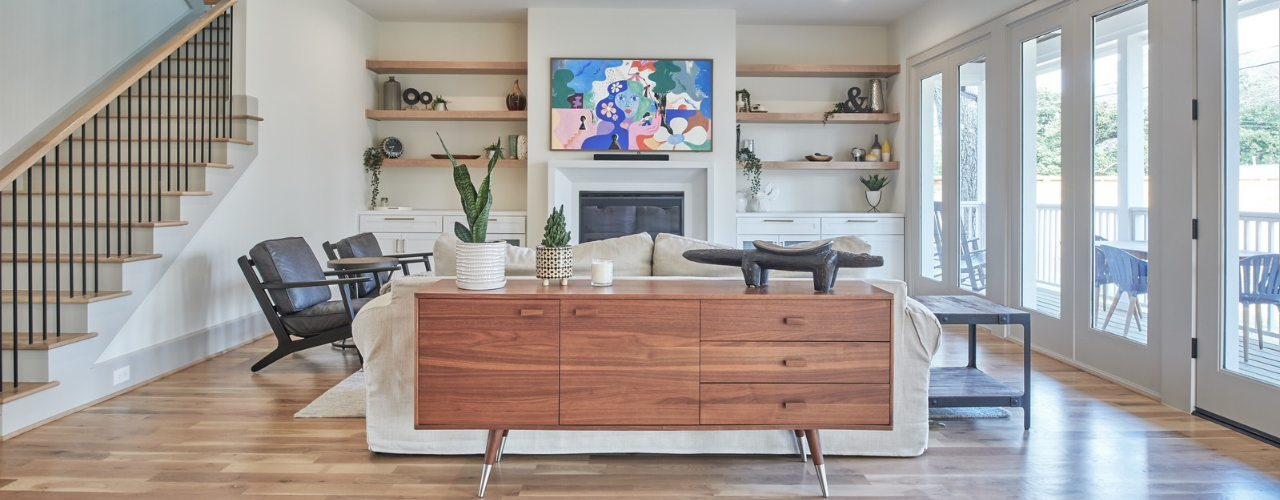
Living Room Storage Ideas: 28 Ways to Reclaim Your Hosting Space
If a living room is where most of a household’s living happens, good storage should be the top priority for setting up or revamping the place. After all, think of how easier it would be to have people over when tidying up the place is just a matter of putting things in their right place (in a time when fewer and fewer people are entertaining friends at home(opens in new tab)). The trick is making room for all those wayward clothes, blankets, chargers and other small things that end up on (or, inexplicably, in) the sofa. Here are 28 living room storage ideas to get you started and make tidying up a quick affair.
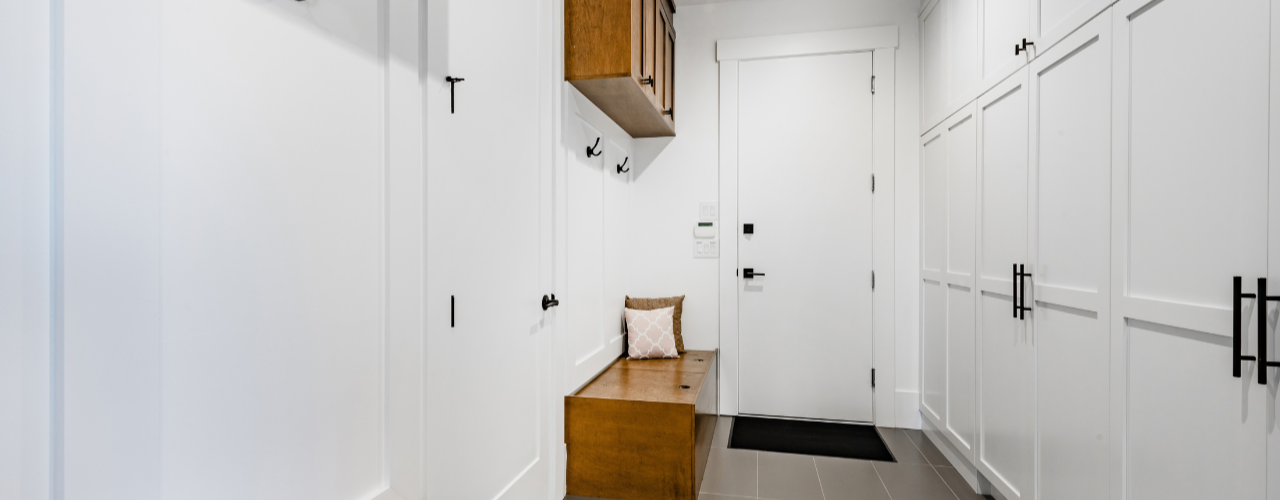
25 Mudroom Storage Ideas (And Mistakes to Avoid)
When you come home with muddy boots, an armful of bags and a coat you can’t wait to take off, it’s nice to have somewhere to put it all. With a mudroom, you can leave the outdoor mess at the door instead of carrying it through the house. Traditionally, you’d set aside a separate room, but you can just as easily use a hallway, an entryway closet, a laundry-room corner or a stretch of wall near the entrance.
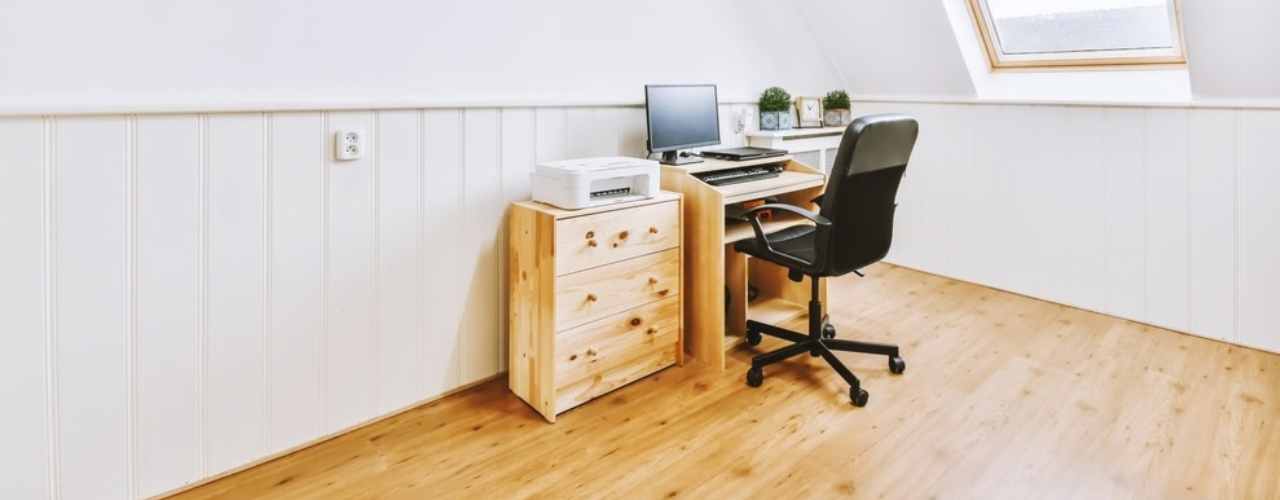
Is Your Home Office Worth the Rent? What Coworking and Self Storage Could Save You
Every square foot of your apartment comes with a price tag, and a home office claims more of them than most renters expect. It starts with a desk. Then come the second monitor, the printer, the filing cabinet and the overflow boxes. Before long, the corner you set aside for work has turned into a small room you are paying for every month.

Best U.S. Cities to Live Uncluttered: Plano, TX, Offers the Most Room to Breathe
Clutter is in our homes as much as in our heads. Both are shaped by where we live.
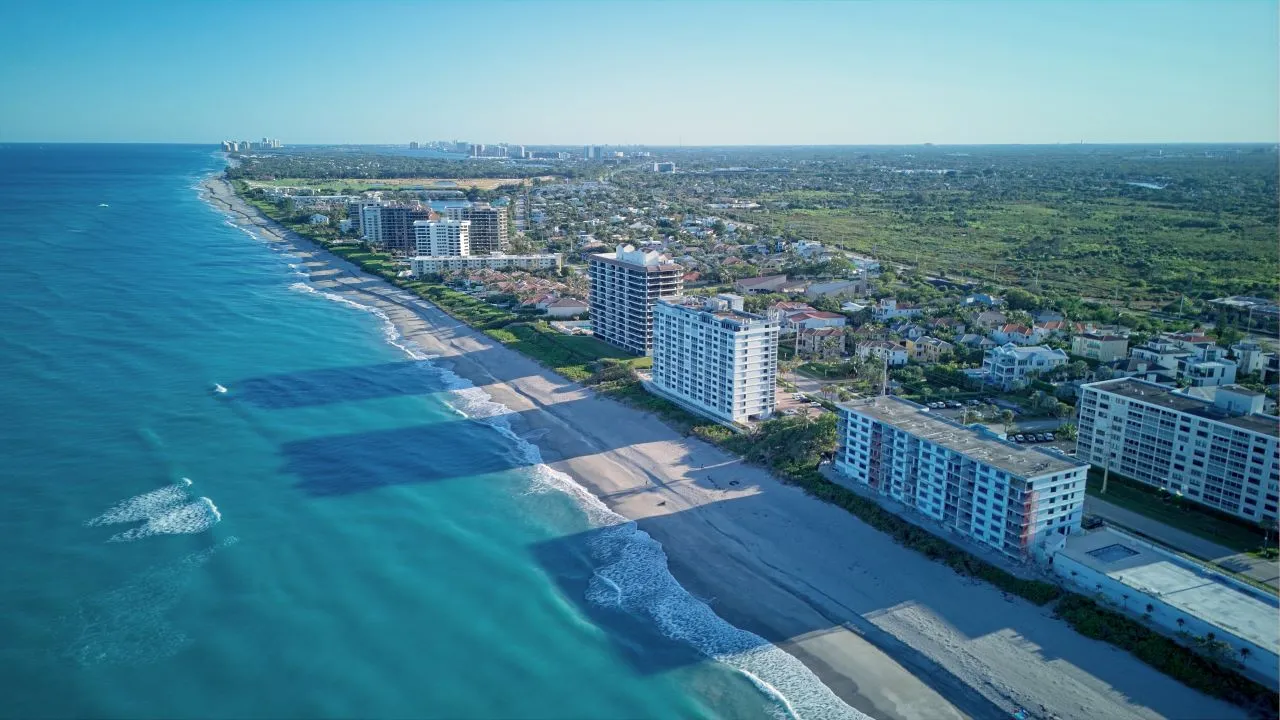
America’s Top Snowbird Destinations for 2026–2027: Florida Leads in Numbers, Texas Wins on Value
For Americans living in colder states, the approach of winter is reason enough to start looking south. Cold weather carries costs that go beyond the heating bill and shoveling snow. Seasonal affective disorder(opens in new tab) is far more prevalent in northern states, so a temporary move south isn’t simply an escape from the cold, but a chance to spend the hardest stretch of winter outdoors and in the sun.

How Much Does Halloween Really Cost in 2026? Plan Wisely to Avoid the Scare of Hidden Costs
Americans’ love for Halloween is almost frightening — this year alone, we are on our way to spending $13.5 billion, according to data from the National Retail Federation(opens in new tab). That breaks down to about $115 Halloween costs per person, a whopping 49% more than 10 years ago.
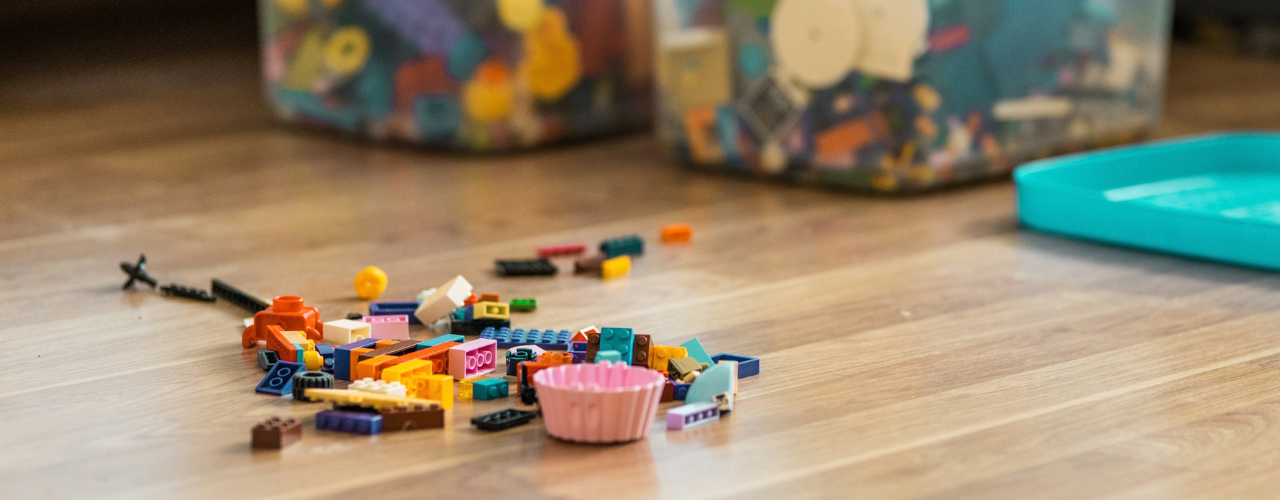
How to Store LEGOs: All the Fun, None of the Clutter
How to store LEGOs largely comes down to how your household uses them. If the bricks are part of everyday play, you need a setup that keeps them within easy reach and makes cleanup quick (for your feet’s sake, at least). Toy storage(opens in new tab) such as simple bins, playmats or containers that children can put away themselves may be enough. Larger or more serious collections usually need more organization, such as labelled drawers for loose pieces, trays for unfinished builds, shelves for completed models and separate storage for retired sets.

Cardboard Costume Guide: Tips and Ideas for a DIY Halloween
Whether for kids or adults, cardboard costume ideas often make the biggest splash once materialized, and that’s for a simple reason: doing a lot with a little is a universally impressive feat (especially in this economy). If you don’t have enough boxes you could temporarily repurpose, don’t worry! There are many places where you can find free moving boxes(opens in new tab), from stores and supermarkets to online groups and recycling drop-off spots. On the run? Try your luck at a self storage(opens in new tab) facility that sells moving supplies, often for cheap. This way, you can choose moving boxes of different shapes and sizes(opens in new tab), so you can make your costumes as complex as you want.

How to Celebrate Halloween: 9 Non-Spooky Ways To Enjoy It
As soon as October starts, it’s the official Halloween month. And while for many people it means it’s open season to get the scare of a lifetime, others, especially families with small children, might prefer to celebrate in a tamer way that’s both kid- and adult-friendly. While you’re likely to find more events where the spook factor is high, here’s how to celebrate Halloween in a not-so-scary way: