

Most parents begin the babyproofing journey with the same question: How do I babyproof my home to keep my baby safe without constantly saying no? As parents, we don’t want to discourage their natural curiosity , their drive to explore and to learn from their environment. However, at the same time, we do need to keep them safe. Traditional advice focuses heavily on restrictions like child locks, barriers, and endless reminders. Necessary, yes, but not the whole story.
There’s a gentler, more empowering way to think about how to babyproof your home. Instead of creating a house full of “don’ts,” you can design a “Yes Home”: an environment where your baby can explore freely because everything around them is already safe and thoughtfully arranged.
A Yes Home is not permissive, but intentional. It’s a living space that encourages curiosity, supports development, and offers parents real peace of mind. And it starts with a shift in how we think about home design during the early years.
Why the “Yes Home” works: A new way to see your space
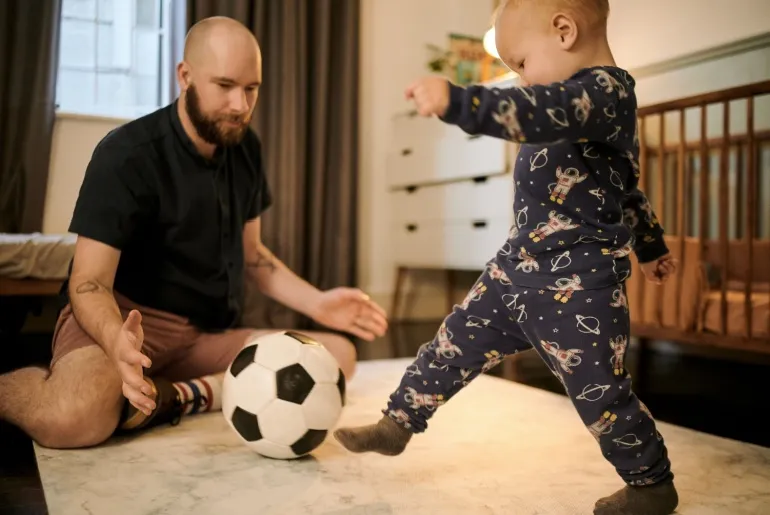
In the newborn months, your home feels like a haven, familiar and safe. But once your baby begins to roll, crawl, and pull up, your perspective shifts dramatically. Suddenly you’re aware of so many potential dangers and disasters: the low shelf filled with fragile décor, the loose cable next to the sofa, the unanchored dresser. Your baby notices these things too and they see them as invitations to explore.
The purpose of babyproofing in a Yes Home isn’t to eliminate exploration, but to make that exploration safe. When your home is arranged around what your baby can do rather than what they shouldn’t, the daily back-and-forth of “No, not that!” naturally fades.
A babyproofing checklist that supports a safe home without all the restrictions
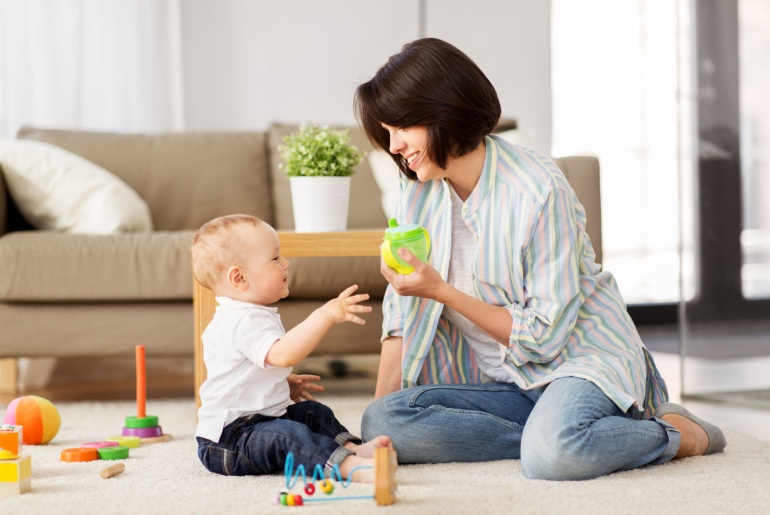
Parents often search for a babyproofing checklist because they want confidence that nothing has been overlooked. But in a Yes Home, a checklist is more than a series of tasks. It’s a way of seeing your environment with fresh eyes, assessing what needs to change so that your baby can roam around boldly and safely.
Whole-home safety from your baby’s viewpoint
Walking through your home at floor level is one of the simplest ways to identify hazards. Yes, the idea of grown adults crawling around on the floor might sound a bit strange. But, when you’re down there, you quickly spot what’s sharp, wobbly, dangling, or overly tempting. This perspective makes it easy to decide what stays and what moves higher.
Storage that reduces temptation
Child safety locks are obviously needed when baby proofing a home. However, rather than locking every cabinet in the house, focus more on storing potentially dangerous or distracting items out of reach. Medications, cleaning products, grooming tools, loose batteries, and sharp objects all belong in high cabinets.
Spaces that encourage independent exploration
Aim for at least one predictable, open space that babies can explore without constant supervision: a true “safe zone.” Add soft flooring, such as foam mats, that can cushion early tumbles. Wide, clutter-free pathways allow your baby to practice crawling and cruising without obstacles. And instead of piles of toys, a small, intentional selection of sturdy, age-appropriate items encourage deeper, more focused play.
Parents often find that placing a low, stable shelf nearby, stocked only with safe items gives, babies a sense of independence. Everything on the shelf is meant to be handled, which removes the stress of constant redirection. Over time, your baby begins to treat this space as their own little world, returning to it again and again because it feels familiar, safe, and full of “yes.”
How to babyproof your house room by room
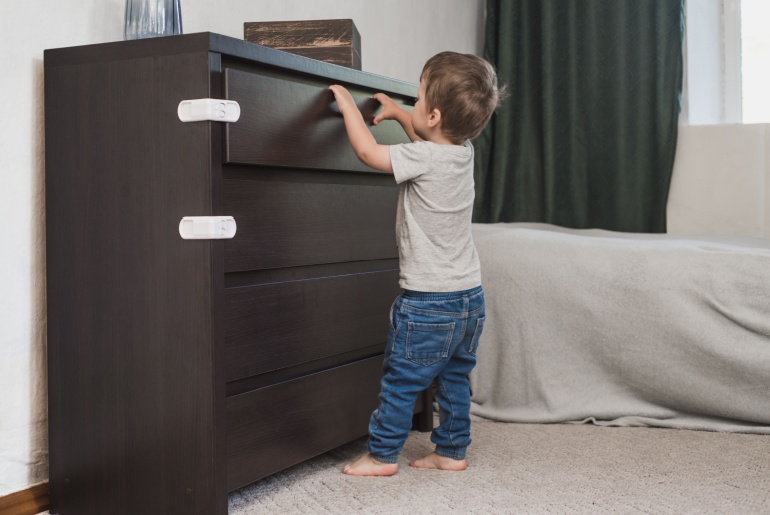
Every room has a different purpose, and we need to consider that while still allowing babies to explore confidently. Here’s how to babyproof and adapt each room of the home so that safety and curiosity coexist naturally.
Living room & shared spaces
This is usually the heart of the home, so it’s worth making it both functional and safe for your baby’s daily wandering. Anchoring bookshelves and TV stands ensures that pulling or climbing attempts don’t end in injuries. Clearing low shelves of breakables and hiding cords removes high-temptation hazards.
Take a look at furniture as well: coffee tables with sharp corners that need to be covered, rocking chairs where little fingers might get caught, or unstable pieces of furniture (ottomans or stools) that might cause accidents when your baby uses them as support for standing and walking. Fix and eliminate everything that might cause issues.
Kitchen
The kitchen draws babies in with its sounds, smells, and constant activity. Instead of locking everything, secure only the cabinets that pose real risks – those with knives, glassware, or cleaning products. Unplugging small appliances and keeping their cords out of reach removes unnecessary dangers. Make a habit of turning pan handles inward and declutter your countertops to reduce opportunities for accidents.
Nursery & bedrooms
These rooms are where your baby sleeps, rests, and winds down, so baby proofing here really matters. Start with the basics: a firm crib with nothing extra inside. Then make the rest of the room just as safe by anchoring dressers, keeping lotions and medications out of reach, and making sure the crib isn’t near windows or dangling cords. Small changes like these help create a calm, secure space where your baby can truly rest.
Bathrooms & laundry areas
Bathrooms and laundry rooms are full of things babies naturally want to explore: water, drawers, bottles, and anything they can twist or shake. And if you’ve ever watched a baby zero in on a brightly colored soap bottle, you know exactly how magnetic those items can be. A few simple changes help keep curious hands out of trouble: add child safety locks to cabinets with cleaners or razors, unplug styling tools when you’re done, and use non-slip mats in and around the tub.
Hallways and stairs
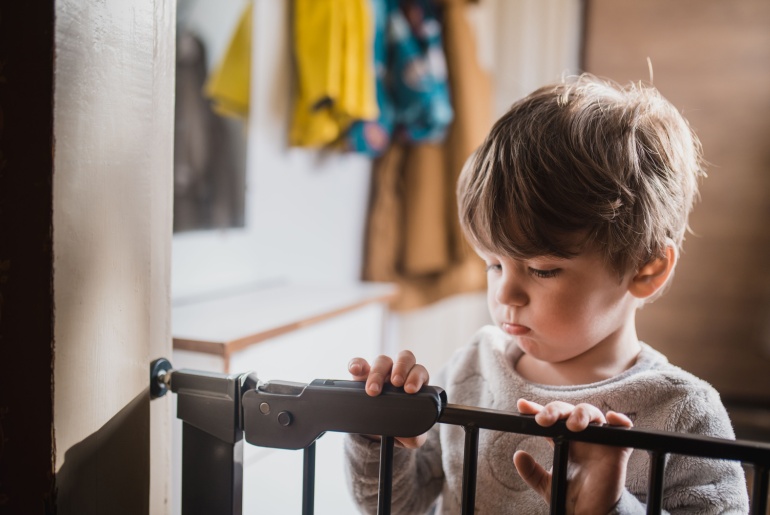
Hallways and doorways don’t seem like high-risk areas at first, but babies move through them constantly, especially once they start crawling with purpose. Suddenly, every closed door becomes a mystery to solve, and every stairway looks like an exciting new challenge. If you’ve ever watched a baby beeline toward a staircase the second you turn your head, you know exactly how quickly things can escalate.
A baby gate at both the top and bottom of the stairs is essential once your little one becomes mobile. Doorknob covers help keep curious hands out of places like the bathroom, the laundry room, or older siblings’ bedrooms. And pinch guards come in handy when babies go through the inevitable “I love opening and closing doors” phase, saving a lot of tiny fingers from getting caught as they practice their new skills.
Outdoor areas & garages
Outdoor spaces and garages call for a different kind of baby proofing, mostly because they’re filled with things babies instantly want to touch: tools, gardening supplies, heavy equipment, even the hose. And once your child gets older, around two or three, these areas become even more interesting. A preschooler who ignored the garage at 18 months might suddenly decide it’s the perfect place to “help” or explore the moment the door cracks open.
To stay ahead of that growing curiosity, it helps to treat these spaces with a long-term mindset. Lock away tools, paint cans, and chemicals, and keep anything sharp or heavy on high shelves that little climbers can’t access. Check your backyard for toxic plants or loose rocks and keep walkways clear so early walkers have a safe path to follow.
The anthropology of babyproofing – how parents around the world approach this issue
Long before outlet covers, baby gates, and modern childproofing gear existed, parents everywhere still found ways to keep their little ones safe. What differs from country to country isn’t the desire for safety, but the philosophy behind it. Studying how families around the world manage baby proofing can offer American parents fresh, practical ideas and a much broader perspective on creating a safe home.
In Scandinavian countries, for example, homes are intentionally simple and uncluttered. Minimal décor and sturdy, stable furniture mean babies can crawl and toddle without constantly running into breakable objects or hazards. The whole home becomes a natural “yes space,” reducing the need for excessive locks and barriers.
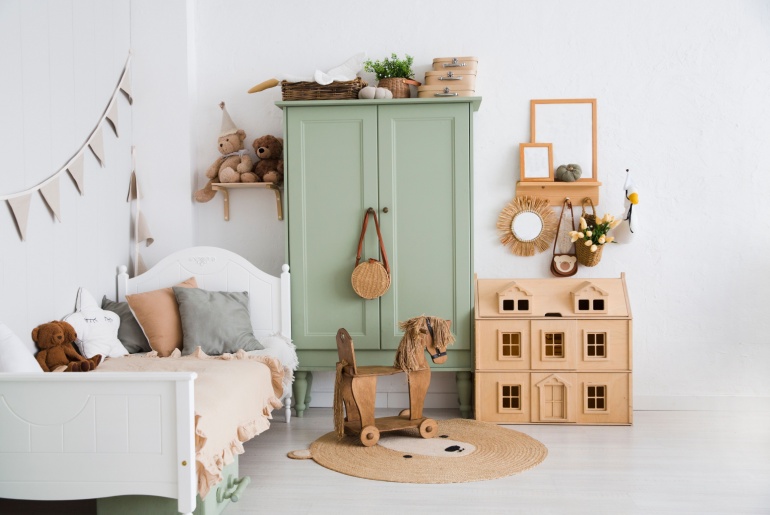
Japanese homes offer another lesson. With their low furniture, open layouts, and a cultural emphasis on order, babies learn to move through rooms that are already designed with stability in mind. Instead of rearranging everything once a baby becomes mobile, many Japanese families simply maintain an environment where floor-level exploration is expected and embraced.
In Mediterranean cultures, babyproofing often relies on the power of community. Babies spend much of their time in shared family areas such as terraces or courtyards, where multiple adults or older siblings keep an eye out. It’s less about isolating the baby in a separate “kid-safe zone” and more about integrating them into everyday life with gentle supervision.
And in many rural communities around the world, babies are encouraged to explore the outdoors from a young age. Under close supervision, they interact with natural elements, which helps build coordination, confidence, and resilience.
These global approaches remind us that babyproofing is more than gadgets and equipment. American parents can take inspiration from these traditions by simplifying their homes, involving community when possible, allowing safe exploration, and remembering that a child-friendly environment doesn’t have to be filled with gadgets and products.
Why decluttering and self storage are the secret ingredients of a “Yes Home”
One of the most surprising things about baby proofing is that many hazards don’t come from dangerous objects, but from having too many objects. A room that once felt cozy can quickly become cluttered and tight once your baby starts crawling and pulling up. A decorative bowl becomes a toy, a stack of magazines becomes a climbing step, and that extra end table suddenly feels like it’s in the way.
Decluttering doesn’t require reinventing your home or giving up your style. It’s really about creating open, breathable spaces where your baby can move safely and you can actually relax. And for many parents, this is where self storage becomes a quiet lifesaver. Instead of making tough decisions about what to keep or donate, you can simply set a few things aside while your home enters this active, hands-on season.
Self storage is especially useful for the in-between items you don’t want permanently gone but don’t need underfoot every day. Maybe you have a coffee table you love, but its sharp corners suddenly feel like an accident waiting to happen. Or maybe your shelves are filled with décor that now sits right at baby height, just begging to be pulled down. And let’s not forget the baby gear your little one outgrew last month but you’ll want again someday — swings, bassinets, bouncers, all of it. Storing a few of these items for a while gives you back valuable floor space without forcing any long-term decisions.
The same approach helps when life transitions call for a new nursery. Turning a guest room or office into a baby’s room often means temporarily relocating desks, bookshelves, exercise equipment, or seasonal items. And if you have more than one child, rotating clothing, toys, and gear in and out of storage keeps closets from overflowing and makes your home feel lighter and more functional.
If you’re wondering how much space you’d actually need to rent, most families are surprised by how small a unit can go a long way. A simple 5’x5’ unit is usually enough to hold a few side tables, some décor boxes, baby gear you’re rotating out, or the furniture you’re temporarily moving to set up a nursery.
If you’re transitioning a full room or storing larger pieces, like a sofa, dresser, or multiple boxes of kids’ clothes, a 5’x10’ or a 10’x10’ gives you the breathing room to organize without piling things on top of each other. The goal isn’t to store your whole life; it’s just to give your home the space it needs to function smoothly during these early, busy years.
A Yes Home is more than a safety strategy . It’s a philosophy of raising curious, confident kids in spaces that feel calm and supportive. When you combine intentional design, a simplified environment, and a few essential safety tools, baby proofing becomes less about restriction and more about empowerment.


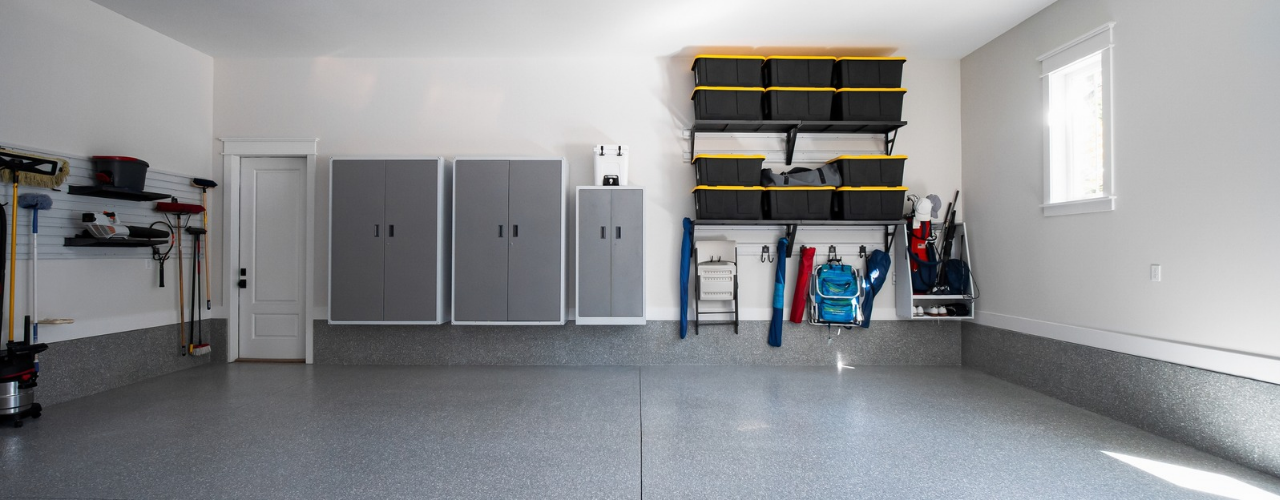
21 Garage Storage Ideas: Free Up Your Floor Space
Garage storage is more important than it sounds, because it helps you move things off the floor and onto walls, ceilings and rolling units. In time, this makes a big difference and saves you from awkwardly tiptoeing around stuff you’ve left on the ground. Use the garage storage ideas below and you’ll build a setup that fits what you own, how often you use it and how much space you have.
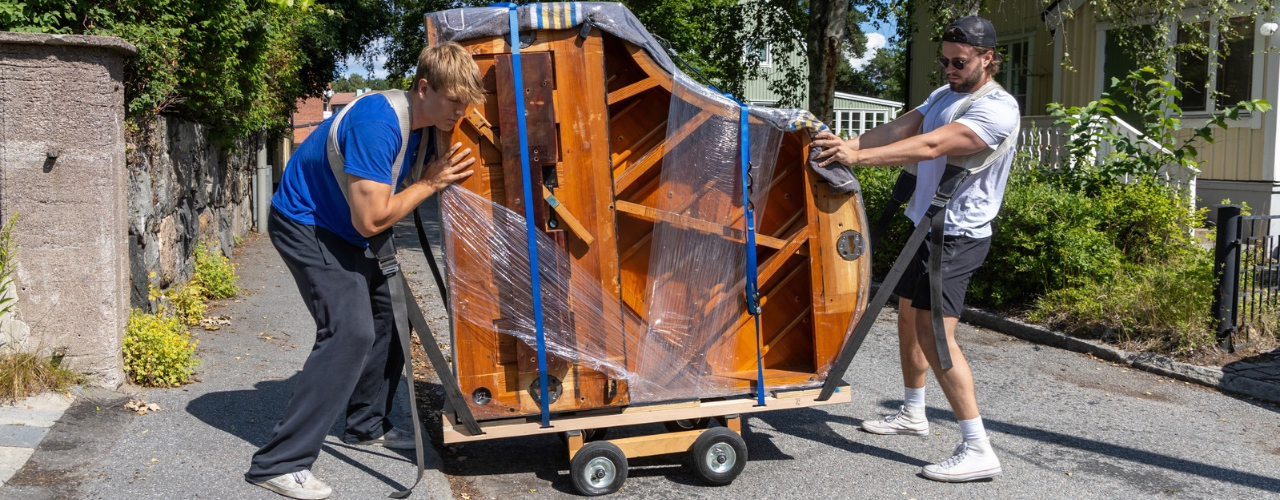
How to Move a Piano: Moving, Insurance & Storage Guide
Before we get into the nitty-gritty of the matter, let’s agree on the simple fact that, unlike other types of relocation conundrums, moving a piano is just a very cool thing to see, let alone accomplish. The labor that makes piano concerts possible and keeps legendary instruments alive, a piano relocation takes meticulous planning, special equipment and a crew that really knows their stuff. That is, unless you’re set on recreating the piano crash of a classic Looney Toons gag.
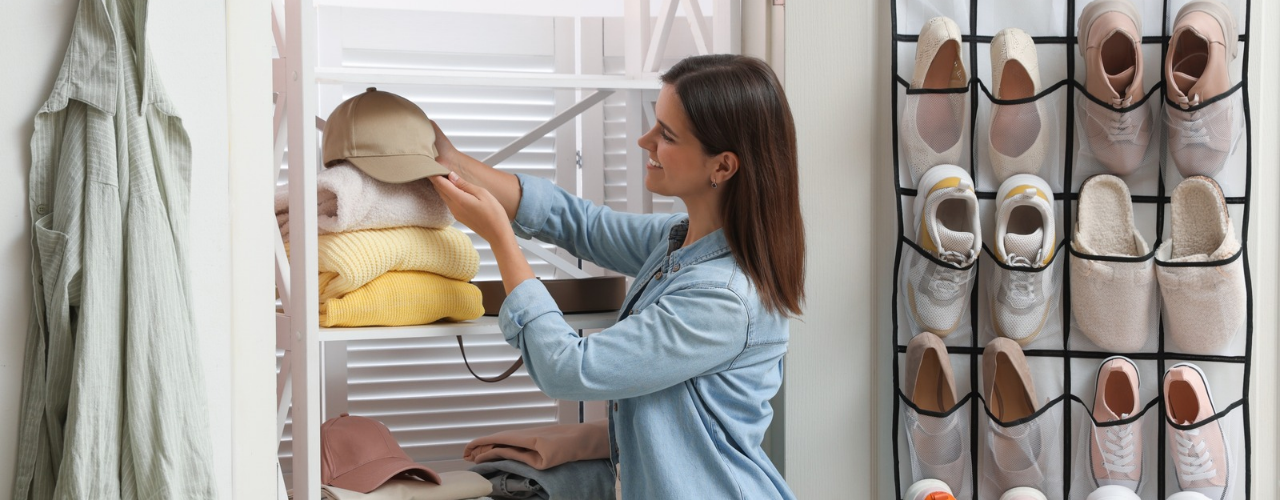
Hall Closet Organization: 30 Ideas for Simpler Storage
Be it built-in, freestanding, or wholly improvised, your hall closet works best when you can grab anything quickly and put it back just as fast. These 30 ideas for organizing your hall closet walk you through planning, deciding where things go, choosing the right containers and way more. By the end, you’ll even know what to do when your closet still runs out of room.
Holiday Decoration Storage: A Guide for Every Season
Taking down the holiday decorations is never as exciting as putting them up. One minute, your home is looking wonderfully festive, and the next, you’re trying to remember which box the Christmas ornaments came in while wrestling with a string of lights that managed to tie itself into a dozen knots. With every holiday bringing its own collection of decorations, a good holiday decoration storage system helps you keep a growing collection under control.
Where to Get Moving Boxes in Philadelphia
Philadelphia’s historic charm can put your patience to the test on moving day. Between cobblestone streets, narrow rowhouse entrances and the occasional pothole, you don’t want to worry about not having enough boxes on top of it all. Start gathering your moving boxes early and you’ll have one less box to check off on packing day. Luckily, you have plenty of places to get your boxes from.
Art Supply Storage from A to Easel
Paint tubes, brushes, sketchbooks, scraps of paper, beads, half-used rolls of tape and that one very specific pen you swear you just had in your hand. Building up an art supply collection is rarely a neat process, and each new material brings its own storage needs.
Scary Good DIY Halloween Decorations That Won’t Haunt Your Wallet
A few floating candles in the hallway, a family of ghosts by the front door and a suspicious number of bats climbing up the bedroom wall can make October feel a whole lot spookier. While Halloween stores are full of tempting finds, some of the best DIY Halloween decorations can come from things you already have tucked away in drawers, closets or the recycling bin.
Suburban Giants and Urban Risers: Where America’s 100 Largest Metros Fall on the Self Storage Map
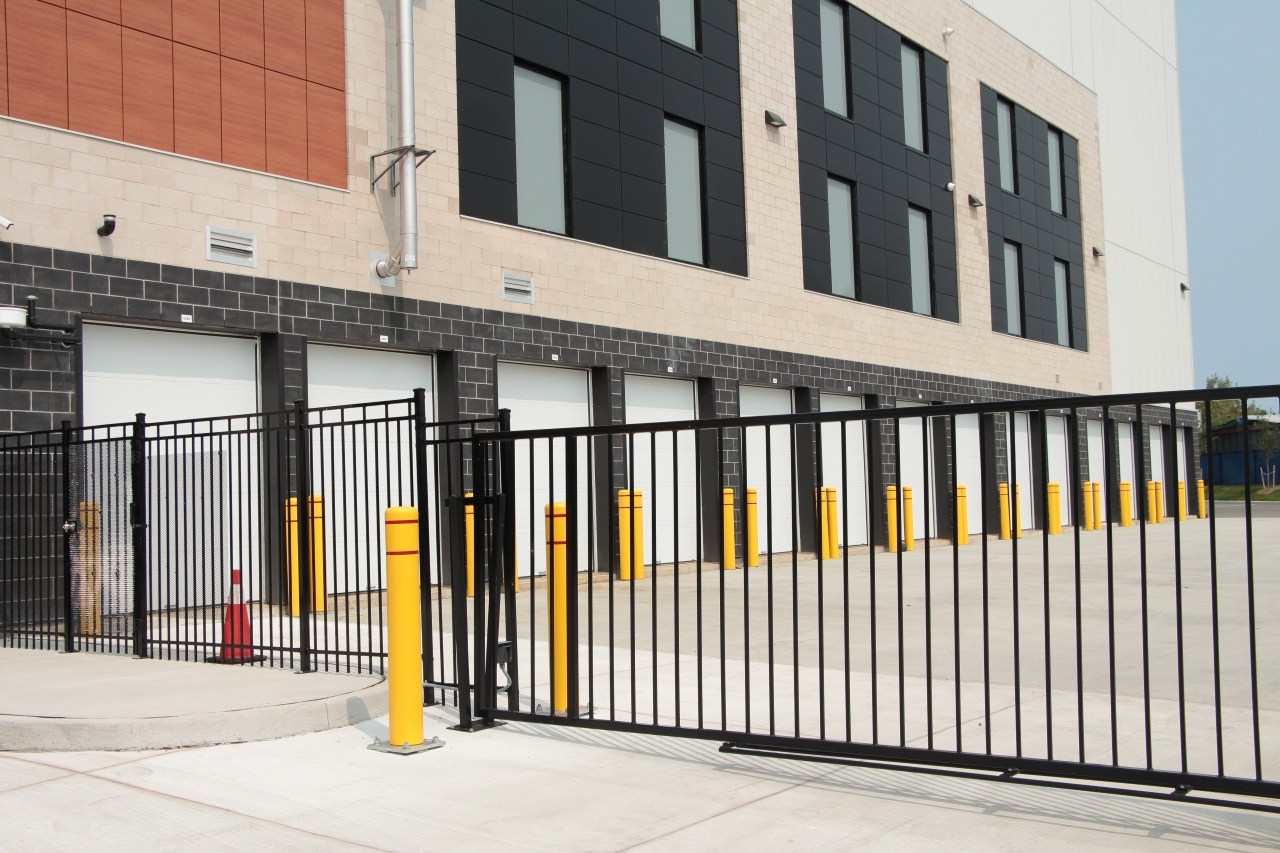
Self storage has long been a suburban story. Across America largest 100 metros, 59% of the inventory built over the past decade sits outside city cores, largely preserving the ratio of the total existing inventory.
Sweatshirt Storage Ideas Worth Keeping Up Your Sleeve
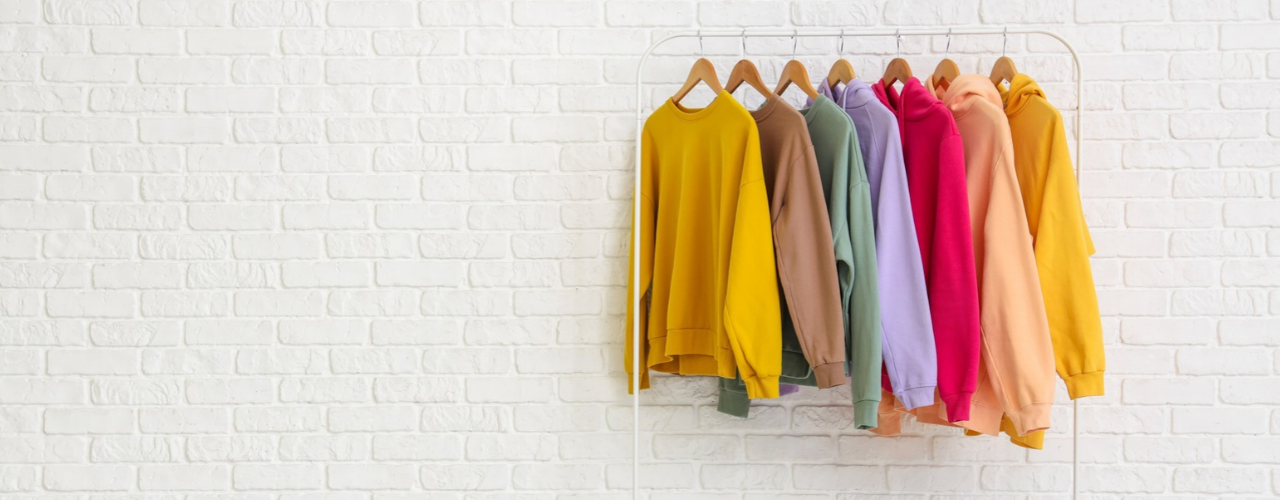
Sweatshirts are great until you realize how much room they take up. A few thick hoodies can fill a drawer fast, with lighter crewnecks getting squashed underneath or pushed somewhere you forget about. Good sweatshirt storage can make that pile much easier to manage without requiring a bigger closet.