

Living with roommates can save you thousands of dollars a year. In many cities, it is the only realistic way to afford a decent apartment in a good neighborhood. That is one reason shared housing continues to grow, especially among young professionals and renters in high-cost markets.
If you are curious where roommate living makes the most financial sense, we recently looked at the best U.S. cities for roommates in 2026, comparing affordability, rental trends and income levels across major metros.
But living in the right city for roommate-driven savings is only half the equation. The real question most renters eventually face is simpler: how do you actually make roommate living work day to day?
Most roommates get along, but friction is real
The good news is that most roommate situations are not the horror stories you read about online. In fact, they’re often pretty functional. A survey by SpareRoom found that about half of people who share housing consider their roommates actual friends. Another 37% say they get along well, even if they’re not especially close. Only a small minority — 13% — say they’re not friends at all.
That said, friction is common enough to take seriously. Eight percent of respondents reported leaving a previous rental specifically because of a roommate dispute. And in larger households, where nearly one in five people lives with four or more roommates, the chances of tension naturally increase. More people simply means more habits, schedules and personalities to navigate.
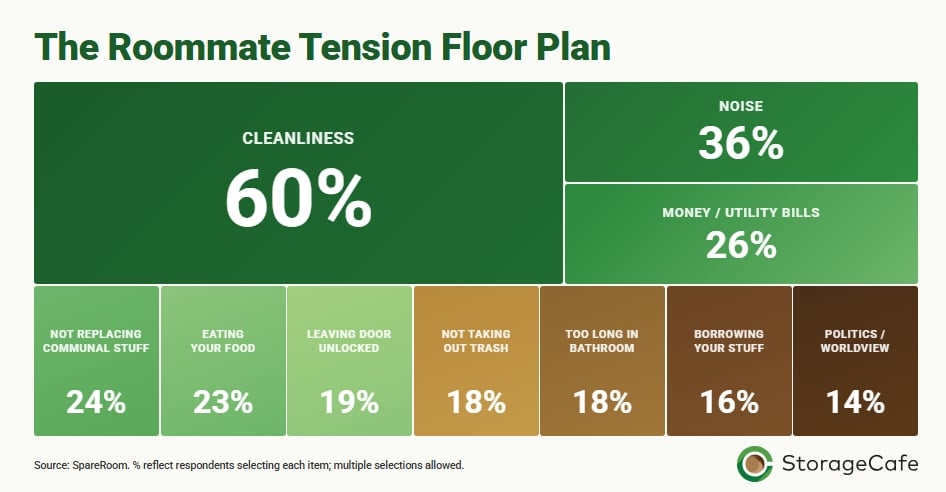
Most disagreements aren’t dramatic blowups. They tend to revolve around everyday living. Cleanliness tops the list, cited by 60% of roommates as the biggest source of conflict. Noise comes next at 36%, followed by money or utility bill issues at 26%. Smaller things — not replacing shared supplies, eating someone else’s groceries or skipping trash duty — often spark frustration as well.
Shared living rarely falls apart because people are fundamentally incompatible. More often, it breaks down because expectations were never clearly discussed in the first place.
What actually prevents roommate conflicts
One of the most important things roommates can do is define expectations clearly and early. Nicholas Schmitt, Senior Director of Conflict Resolution and Training at Community Mediation Services in Queens, New York City, says that most disputes ultimately come down to “differences in communication” and “differences in expectations.” That might mean different standards around noise, cleanliness, guests, cooking habits or privacy. It can also reflect deeper differences in how people handle conflict — whether they are avoidant, assertive, compromising or appeasing. The key, Schmitt emphasizes, is clarity. Roommates should talk concretely about rent, bills, chores, quiet hours and shared spaces. Vague understandings like “let’s keep it clean” rarely hold up. Specific agreements do.
Putting some of these agreements in writing can make a surprising difference. “It’s best to be clear and concrete wherever and whenever possible. Roommate agreements are one way to do that: put in writing how the ‘house’ expects everyone in it to communicate, behave, and interact with each other, including ways to resolve disagreements. For example: No entering another roommate’s private space without the express permission of the roommate, or if there is an apartment emergency. Permission must be given for each entry and can be rescinded at any point.”, explains Nicholas Schmitt.
It also helps to look inward before pointing outward. Schmitt suggests beginning by examining your own assumptions: What does it mean to be a good roommate? What does accountability look like to you? How do you want to communicate about shared expenses or having guests over? Without that self-awareness, expectations tend to surface only after frustration builds. Once those expectations are clear, sharing them openly — and inviting feedback — prevents many disputes from forming in the first place.
Regular communication matters just as much as initial agreements. Therapist Kaila Hattis of Pacific Coast Therapy notes that high-functioning households aren’t those without friction, but those that utilize intentional space and direct communication starting from the very first week of the lease.
“The one best habit that I can advocate is that 10 minute check in weekly even if that is just coffee or standing in the kitchen. It provides time for each person to call off the little annoyances with little consequence before they turn into silent resentments that linger on for months”, she explained
Personal space is another factor that can heat things up. Sharing a home does not eliminate the need for boundaries. As Melissa Legere, Medical Director of California Behavioral Health points out, no two persons can live in exactly the same way, and it is important for each person to be flexible and make room for compromise. At the same time, personal space is non-negotiable and something that we all need. “I always encourage persons living in a space to communicate their needs for space without feeling guilty, as it is not a rejection of another person”, she concludes.
In the end, sustainable roommate living is less about personality compatibility and more about structure. Clear expectations, direct communication, regular check-ins and respected boundaries create the conditions for shared living to remain financially smart and emotionally manageable.
The overlooked trigger: Too much stuff
Cleanliness is consistently the top reason roommates argue, and clutter is often what makes cleanliness harder to maintain in the first place. When several adults share an apartment, belongings accumulate quickly. Closets fill up, kitchen cabinets start pulling double duty and common areas slowly absorb overflow. Over time, it becomes harder to keep things genuinely clean.
The more items you have in shared spaces, the more effort basic upkeep requires. Counters covered in appliances and personal items don’t get wiped down as easily. Floors lined with boxes or extra furniture are harder to vacuum properly. Even cooking, unloading groceries or putting dishes away becomes frustrating when there’s no clear space to work with. What starts as a storage issue often turns into a cleanliness complaint.
If your place constantly feels cramped, don’t just reorganize again. Step back and ask what actually needs to stay inside the apartment year-round. Reducing the overall volume of belongings often does more to improve cleanliness — and roommate harmony — than another round of rearranging.
How self storage can take pressure off a shared apartment
Self storage can be a practical solution when space, not behavior, is the real issue. If you’ve already decluttered, organized and tried to make the apartment function better but it still feels crowded, the next step is deciding what truly needs to stay inside the home year-round.
A good place to begin is with seasonal items. Holiday decorations, bulky winter coats, ski gear, extra bedding, large suitcases or hobby equipment can take up valuable closet space even though you only use them occasionally. Moving those into a nearby storage unit frees up room for everyday essentials and reduces friction over limited shared shelves.
It also helps create clearer boundaries. Instead of debating whose bike gets hallway space or whose boxes stay stacked in the corner, you remove the excess from the apartment entirely. Shared areas stay neutral, and everyone has a little more breathing room.
If you live with multiple roommates, consider splitting the cost of a self storage unit. In many cases, dividing that monthly fee costs far less than upgrading to a larger apartment. Think of it as extending your apartment’s storage, not abandoning your belongings.
When evaluating options, prioritize a facility close enough that retrieving items is genuinely convenient. StorageCafe lets you search by ZIP code or neighborhood, filter by unit size and price, and compare facilities side by side — useful when you are trying to find something affordable and accessible near a specific apartment. A 5×5 or 5×10 unit is often enough for the seasonal and overflow items most roommates need to clear out.
Once you have a unit, keep a simple shared inventory so everyone knows what is stored there, and revisit it periodically to make sure it does not become forgotten clutter.
Roommate living works best when the space supports the people in it. Clear expectations, open communication, and respected boundaries do the heavy lifting. But sometimes, creating a little physical breathing room is what makes the emotional breathing room possible too.



Moving From a House to an Apartment: What to Expect, How to Downsize & How Self Storage Helps
For some, moving from a house to an apartment is a financial decision. For others, it’s about simplifying life. Maybe the kids have moved out and half the house sits empty, or you’re approaching retirement and no longer want to spend weekends on repairs. Or perhaps you’ve been weighing the cost of buying a home and wondering whether renting simply makes more sense right now.

Family Heirlooms Overload: How to Handle Family Inheritance Without Regret
Handling family heirlooms after a loss requires managing legal authority, emotional pressure and practical logistics at the same time, and the order you take them on matters more than most people expect.
Blanket Storage: The Right Method for Every Space and Season
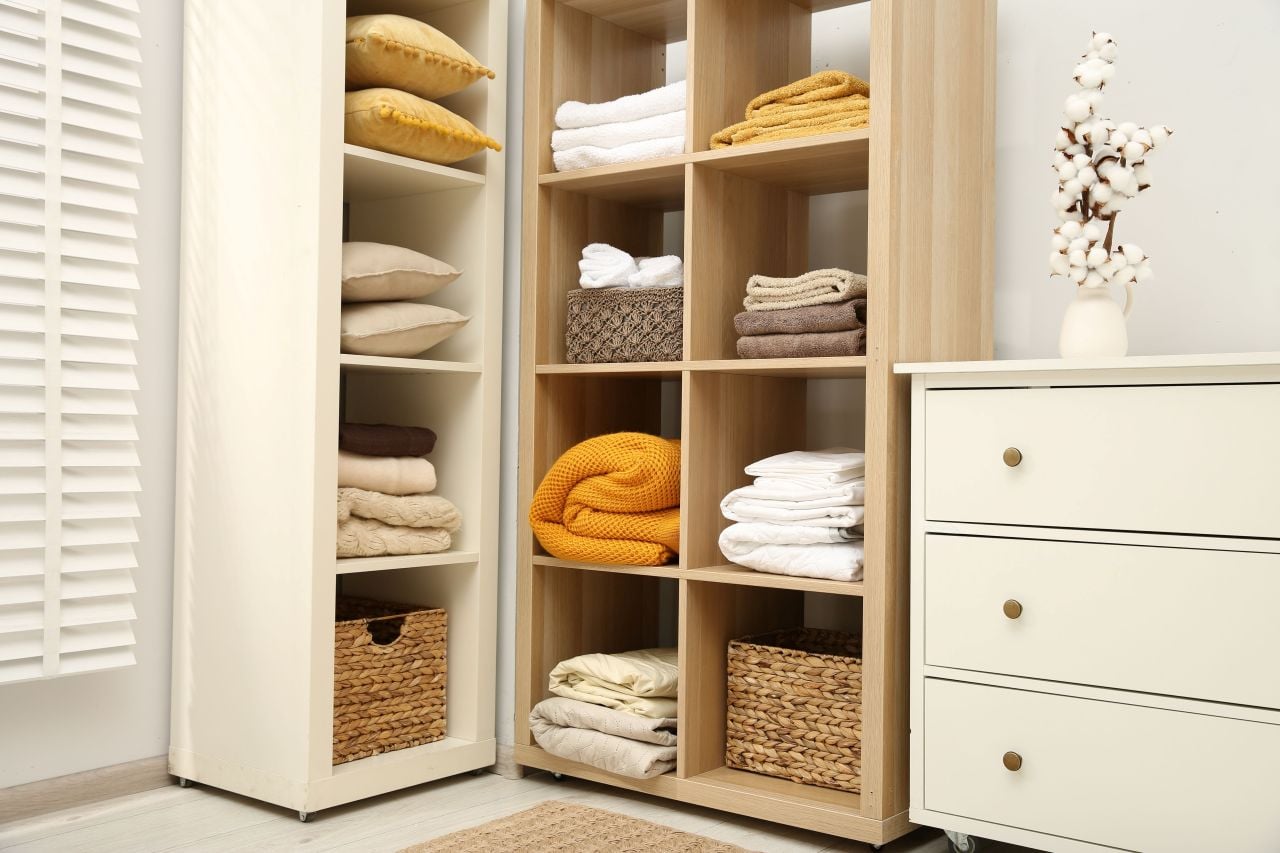
Blankets make our lives cozier, and storing them well is what keeps them soft and comfortable in the long run. Knowing how to store a blanket properly means your favorites come out of storage smelling fresh, feeling the same as when they went in, and lasting years longer than they otherwise would.

Board Game Storage Ideas That Keep Your Collection in Fighting Shape
Nobody warns you that getting into board games usually unlocks a second hobby, the much dreaded one that includes figuring out where on earth to put them. One game becomes a few, expansions start spawning beside their base boxes and before long, board game storage requires as much strategy as whatever is waiting on the other side of those lids.

Storage Locker vs. Storage Unit: What’s the Difference?
A locker and a unit may sound like two names for the same four walls and a lock, and depending on the storage facility, you may even see the terms used that way. However, once you start comparing available spaces, storage lockers tend to occupy the smaller end of the spectrum, while storage units(opens in new tab) give you considerably more room to work with.

Storage Ideas for Small Spaces: 9 Ways to Max Out Your Home
A messy home contains the seeds of its organization. Those seeds are everywhere: the space above doors, under beds, behind sofas and inside furniture can all become storage. Here are the best storage ideas for small spaces, so you can make the most of your cozy home.

Best U.S. Cities to Live Uncluttered: Plano, TX, Offers the Most Room to Breathe
Clutter is in our homes as much as in our heads. Both are shaped by where we live.
How to Organize Your Bathroom: 8 Ways to Stay Tidy
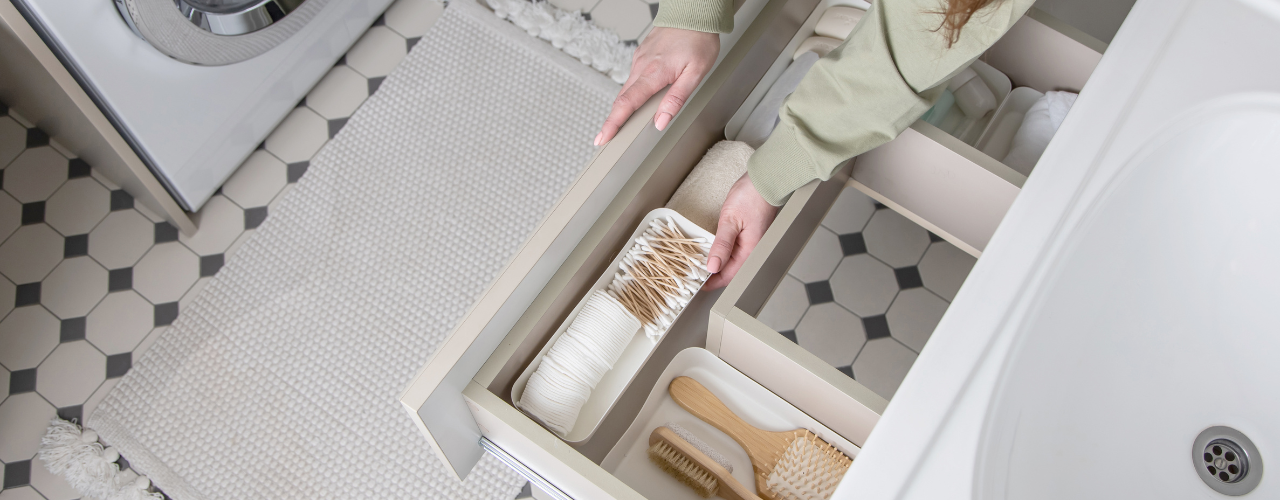
You already know why an organized bathroom is worth the effort, but let us remind you: it makes rushed mornings easier, keeps counters cleaner and just helps get you in the mood to go through your skincare routine like you should. Plus, in bigger households, it helps everyone find what they need. And you know how much a tidy bathroom counts for your self-esteem when a guest or a partner shows up. Luckily, you don’t need a degree to know how to organize your bathroom. The secret is keeping less, giving every item a home and making that home simple to use. Let’s go through some practical steps can help you create a bathroom that stays functional and nice to look at.

How to Use Silica Gel Packets for Storage
Moisture can cause significant damage to items in storage, leading to rust on tools, mold on clothing and warping in documents. Silica gel uses science to fix that. Often found in small packets inside product packaging, silica gel is a desiccant that absorbs moisture from the air, keeping your stored items dry and protected. This guide explains what silica gel is, how it works and how you can use it to preserve your belongings in self storage.