

Key Takeaways
- Store less by decluttering first and choosing the smallest unit that fits, since rates climb steeply with each size increase.
- Pay only for amenities you actually need, skipping premium access, prime locations, and climate control except for genuinely sensitive items.
- To find cheap storage units, use listing platforms compare prices, sizes, and features across many facilities at once instead of checking them one by one.
- Look beyond downtown and premium neighborhoods, since a short drive to suburban facilities often gets you a larger unit for less money.
- Always call to ask about move-in specials, group discounts, and hidden fees, because matching promotions to your exact unit size can substantially cut your total cost.
Cheap storage units become much easier to secure when you focus on one clear goal: pay only for the space and features you truly need. Small units, non-climate-controlled space, move-in promotions and facilities outside the highest-priced neighborhoods often provide very attractive value, while careful comparison across providers helps you locate the lowest rates for both small loads and sizeable household contents.
1. Reduce the amount of stuff you need to store
The simplest way to lower storage costs is to select a smaller unit. Start with a clear pass through your belongings before the move-in, so you keep only what you truly use or value and avoid extra space for items without a clear role in your life. Then take apart large furniture and use sturdy, uniform boxes so every cubic foot serves a precise purpose, even when you store the contents of a full room or apartment.
Once you are clear on everything you plan to store, measure the belongings and gauge the right size for them by using a storage unit size guide or storage unit size calculator. Price guides show a steep rise in rates as unit size increases, so a step down from a 10×20 unit to a 10×15 unit, or from a 10×15 to a 10×10 unit, often leads to a clear monthly cost advantage even for larger loads.
2. Know what amenities you need
The rent you pay on a unit has a lot to do with self storage amenities, both at the level of the space you select and at the level of the facility. Drive-up access, extended hours and premium positions on a property provide extra convenience and often come at a higher monthly rent. If you only need to access the unit from time to time, an interior or upper-floor unit with standard access hours usually serves your needs at a lower price, even if you store the bulk of a home there.
Still, if you plan to store family heirlooms or other valuables, make sure that the facility provides great self storage security features. For big items that you value, such as full bedroom sets or large appliances, you can pair essential security with simpler amenities, so you protect both your belongings and your budget.
3. Decide whether your stuff needs climate control
It is easy to either overstate or understate the importance of climate control for your belongings. When you set out to find cheap storage, you also gain a perfect moment to review what truly benefits from a controlled environment and what does not. Climate-controlled storage suits sensitive items such as electronics, artwork, antiques, instruments and important documents because it maintains a consistent temperature and humidity level, so for these categories extra protection often justifies a higher rate.
At the same time, many durable household goods, tools or outdoor gear stay in good condition in a standard unit at a lower cost. If you need to store the contents of an entire home, you can reserve a smaller climate-controlled unit for a few delicate pieces and a larger standard unit for sturdy furniture and boxes, which keeps your overall bill in line while every item goes to the right type of space.
4. Start comparing prices on storage platforms
Storage listing platforms provide a fast way to scan prices and unit options across many facilities at once, from compact lockers to very large spaces. On StorageCafe, for example, you search by location and see a map and list with unit sizes, monthly rates and key amenities in one view, so you develop a clear picture of typical prices in your target area and spot both small and large units with more favorable rates.
You also gain a price filter, as well as size and amenities labels that help you focus on units that match both your budget and your space needs, instead of checking facilities one by one. Set a maximum monthly price and a minimum size, then focus on standard units or climate-controlled units, drive-up or indoor access, short-term or long-term options, and include bigger units such as 10×15 or 10×20 if you must store the contents of several rooms.
So, imagine that you search for 10×20 storage units in Dallas within a set budget. You select 10×20 from the “Size” button, then go to “Price” and set the limit by using the toggle, press “Done”, and you instantly see which facilities provide large units within that range, along with a map that shows where to find each of them.
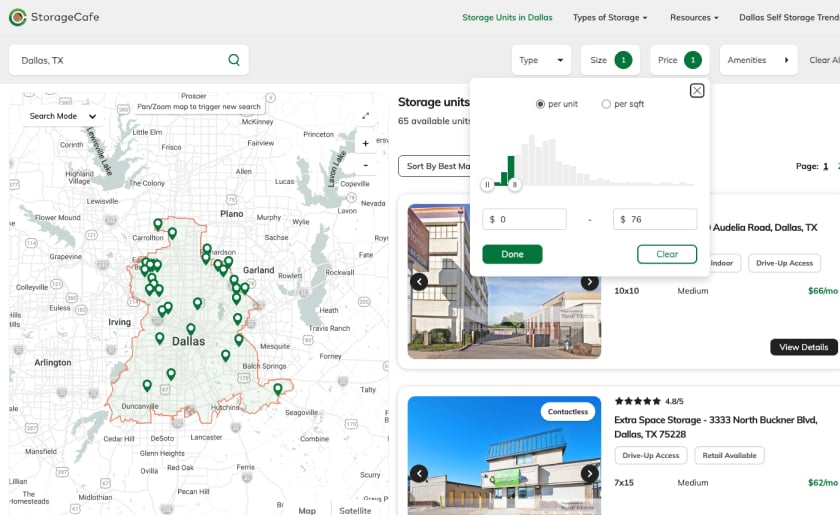
The listing view highlights neighborhoods with a strong concentration of lower-priced units and shows you which facilities include extras such as climate control or drive-up access at comparable rates, so you can choose the right combination of size, cost and features that serves your needs.
5. Take a look at brand websites, too
Once you narrow down a list using storage listing platforms, check each facility website as well, especially when you look for large units that accommodate an entire home or a business load. You can use these websites to compare locations within the same company, confirm real-time prices and availability for bigger unit sizes and complete the rental online with full clarity.
You can follow a simple process: start with StorageCafe to get a sense of the local price range across unit sizes and shortlist a few facilities that fit your needs. From there, contact the facility directly to confirm availability, ask about any current discounts or move-in specials, and finalize your booking.
6. Look beyond the highest-cost areas
As you likely expect already, location dictates storage prices more than almost any other factor. Facilities in downtown zones, premium neighborhoods and college districts often post higher rates, while properties in nearby suburban or less dense areas often present more budget-friendly options for similar unit types, including 10×15 and 10×20 units. Facilities that sit a bit farther from you can sometimes provide a large space at the price of a smaller central unit, so a short drive outside the highest-cost areas often supports a better monthly rate.
7. Call and ask about discounts
It is always a good time to ask facilities about their storage unit deals. You gain clear value when you ask, and most facilities already plan for this with promotions for new customers such as a first month free, a first month at a very low rate or a temporary promotional rent on both small and large units. Customers often qualify for additional discounts as students, members of the military, seniors or through referrals from current tenants, which turns a spacious unit into a very budget-friendly solution.
Some providers also offer favorable terms when customers pay several months in advance or sign a longer commitment, which can reduce the effective monthly rate even further. Ask about those options when you talk to storage operators, with a special focus on large-unit promotions if you have a full household to store. You can save a solid amount of money simply by asking about discounts and by matching the incentives to the exact size of unit you need.
8. Ask about other charges in the contract
Once you ask about discounts, you are in a great spot to take the conversation further. Ask facility staff clearly about every charge: administrative fees, deposits, required locks and optional insurance all shape the total outlay for the rental term, and for large units these figures can influence your overall budget in a visible way. Apply the same process to every facility on your shortlist, then choose the option that feels right for both your wallet and your belongings. Full transparency supports smart decisions and keeps your total cost for any unit size in a comfortable range.
How to find a cheap vehicle or RV storage unit
If you need space for a car, boat or RV, the same comparison habits work very well, especially when you use listing platforms that highlight vehicle storage. On StorageCafe you can apply filters for car or RV storage, then view outdoor spaces, covered spots and enclosed drive-up units side by side, with clear information on size, rate and key features.
Many facilities list outdoor RV parking at lower monthly prices than fully enclosed units, while covered or enclosed options provide extra protection and usually sit at a slightly higher rate.
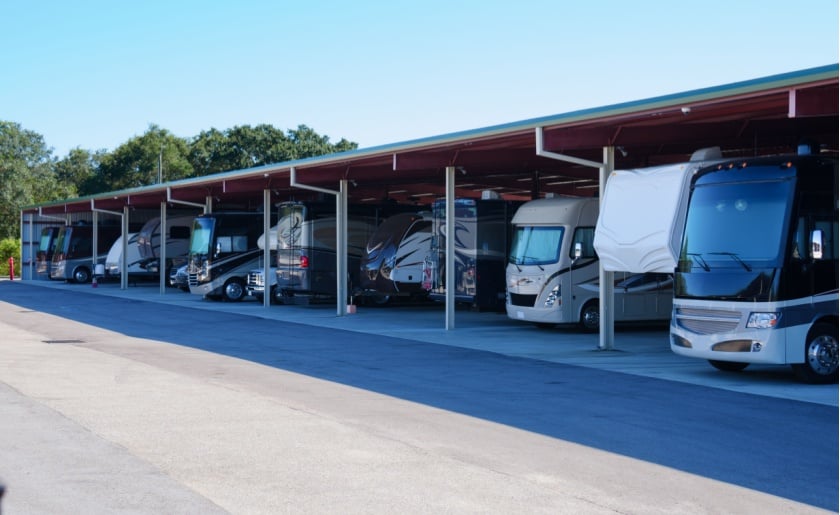
Start by measuring the length of your vehicle or RV, then search for spaces that match or exceed that size, such as 10×20 parking spots for small trailers or longer spaces for larger motorhomes.
Use the price filter to cap your monthly budget and sort results by price, so cheaper compatible spaces appear first in your list. From there, you can compare locations and amenities such as gated access, lighting and wide drive aisles, then shortlist facilities that provide the right mix of security, convenience and price for your vehicle, before you visit websites or call to confirm any promotions for long-term vehicle storage.
Practical steps to find cheap storage units
Let us recap with a quick checklist:
- Sort possessions before you rent, then select the smallest unit that still fits your needs, even for multi-room moves.
- Use StorageCafe and other platforms to view local prices, unit sizes and amenities side by side, from compact lockers to 10×20 units, then shortlist the options that fit your budget and preferred locations.
- Visit facility or brand websites, or call directly, to confirm all fees, discounts and availability before you reserve, especially for larger units that support whole-home storage.
Bottom line
With a little time and a bit of focus, you can bring cheap storage for both small loads and sizeable belongings within easy reach, especially when you adjust what you store, where you store it and which features you select. A carefully packed unit that matches your true space needs in a slightly less central location, supported by the right comparison tools, discounts and a clear view of total cost, often provides great value while still protecting your belongings and providing reliable access.


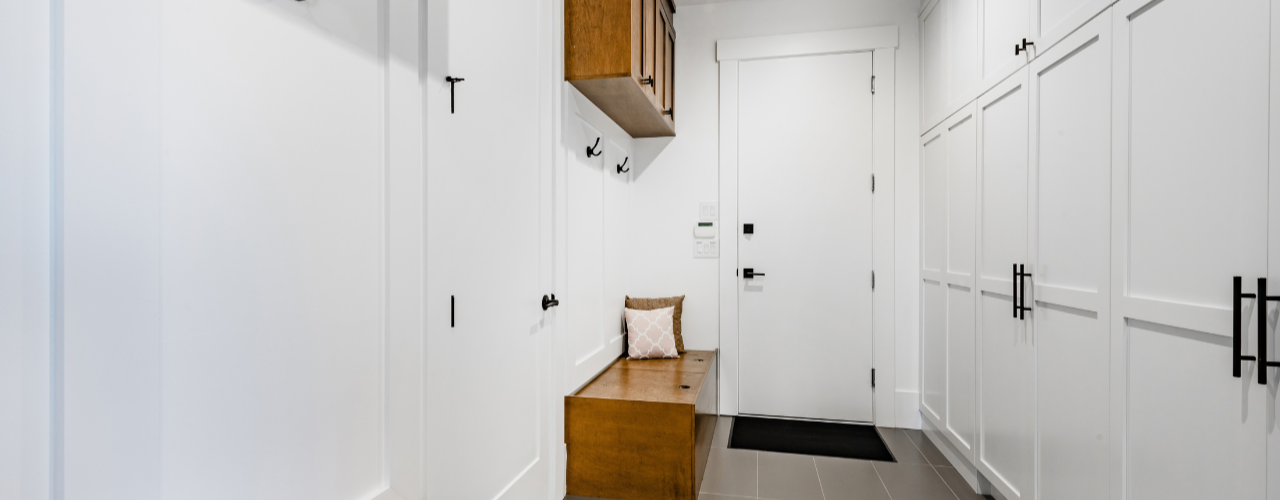
25 Mudroom Storage Ideas (And Mistakes to Avoid)
When you come home with muddy boots, an armful of bags and a coat you can’t wait to take off, it’s nice to have somewhere to put it all. With a mudroom, you can leave the outdoor mess at the door instead of carrying it through the house. Traditionally, you’d set aside a separate room, but you can just as easily use a hallway, an entryway closet, a laundry-room corner or a stretch of wall near the entrance.
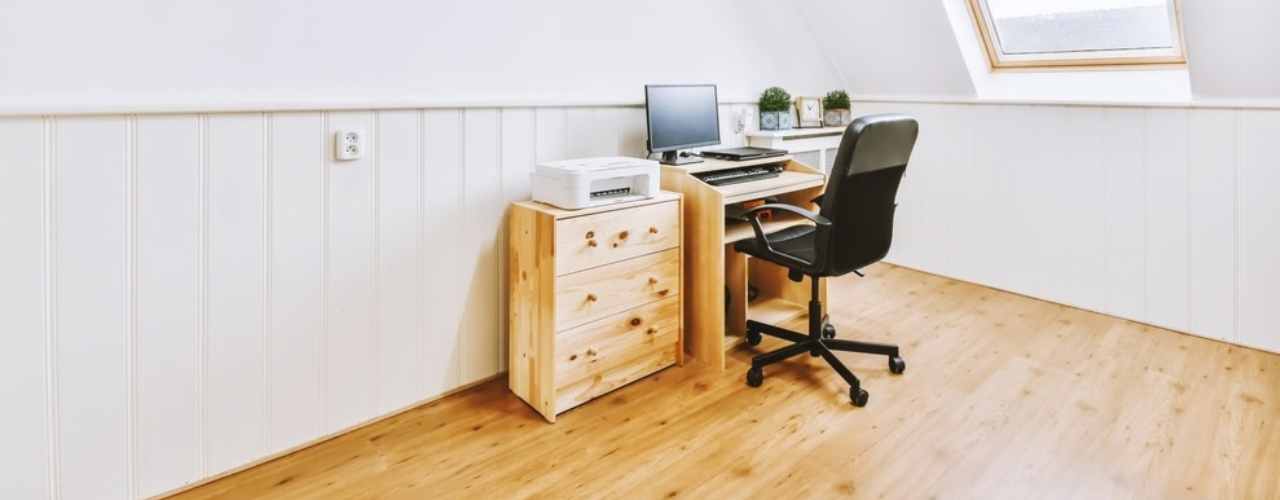
Is Your Home Office Worth the Rent? What Coworking and Self Storage Could Save You
Every square foot of your apartment comes with a price tag, and a home office claims more of them than most renters expect. It starts with a desk. Then come the second monitor, the printer, the filing cabinet and the overflow boxes. Before long, the corner you set aside for work has turned into a small room you are paying for every month.

America’s Top Snowbird Destinations for 2026–2027: Florida Leads in Numbers, Texas Wins on Value
For Americans living in colder states, the approach of winter is reason enough to start looking south. Cold weather carries costs that go beyond the heating bill and shoveling snow. Seasonal affective disorder(opens in new tab) is far more prevalent in northern states, so a temporary move south isn’t simply an escape from the cold, but a chance to spend the hardest stretch of winter outdoors and in the sun.

How Much Does Halloween Really Cost in 2026? Plan Wisely to Avoid the Scare of Hidden Costs
Americans’ love for Halloween is almost frightening — this year alone, we are on our way to spending $13.5 billion, according to data from the National Retail Federation(opens in new tab). That breaks down to about $115 Halloween costs per person, a whopping 49% more than 10 years ago.

How to Store LEGOs: All the Fun, None of the Clutter
How to store LEGOs largely comes down to how your household uses them. If the bricks are part of everyday play, you need a setup that keeps them within easy reach and makes cleanup quick (for your feet’s sake, at least). Toy storage(opens in new tab) such as simple bins, playmats or containers that children can put away themselves may be enough. Larger or more serious collections usually need more organization, such as labelled drawers for loose pieces, trays for unfinished builds, shelves for completed models and separate storage for retired sets.

Cardboard Costume Guide: Tips and Ideas for a DIY Halloween
Whether for kids or adults, cardboard costume ideas often make the biggest splash once materialized, and that’s for a simple reason: doing a lot with a little is a universally impressive feat (especially in this economy). If you don’t have enough boxes you could temporarily repurpose, don’t worry! There are many places where you can find free moving boxes(opens in new tab), from stores and supermarkets to online groups and recycling drop-off spots. On the run? Try your luck at a self storage(opens in new tab) facility that sells moving supplies, often for cheap. This way, you can choose moving boxes of different shapes and sizes(opens in new tab), so you can make your costumes as complex as you want.

How to Celebrate Halloween: 9 Non-Spooky Ways To Enjoy It
As soon as October starts, it’s the official Halloween month. And while for many people it means it’s open season to get the scare of a lifetime, others, especially families with small children, might prefer to celebrate in a tamer way that’s both kid- and adult-friendly. While you’re likely to find more events where the spook factor is high, here’s how to celebrate Halloween in a not-so-scary way:

Motorcycle Storage Guide: How to Store Your Bike Safely
Motorcycles may be born to be wild, but eventually even the wild ones need somewhere to park. Whether riding season is winding down or your current living situation comes with plenty of square footage for you and less for your bike, motorcycle storage is one of those parts of ownership that doesn’t get as much airtime as the open road.

Halloween Decorating on a Budget (And Cheap Ideas for Everything Elsee)
Halloween has crept a long way from its eerie origins. While All Hallows’ Eve has transformed through the centuries, it wasn’t until the 1930s that trick-or-treating became a tradition in the U.S. and businesses began conjuring up mass-produced Halloween costumes. Now, Halloween is a monster-sized, billion-dollar industry, with a cauldron full of costumes and decorations ranging from the mainstream to the macabre. But is it all really worth your wallet? Maybe, but we’ll let you in on a little secret: You can keep your Halloween decorating on a budget and save on everything else, too. Take this plan and see it through!