

Professional packers save time and reduce breakage, but they add a real cost to your move. Whether they’re worth it depends on how much you own, how much protection it needs and how much time you have. This guide covers what packing services cost, when they pay off, when they don’t and the cheaper alternatives worth considering.
How much do packing services cost?
Packing a full home typically costs between $300 and $2,000(opens in new tab) in 2026 and most companies bill around $60 to $80 per packer per hour. Where your quote lands depends mostly on how much you own, along with your location, the season and whether you choose full, partial or fragile-only packing. For an accurate figure, get written quotes from at least three local companies.
How packing services charge
Most companies bill by the hour per packer, and many send a crew of at least two. Some charge per box, especially for long-distance moves, and a few offer flat fees. Packing supplies may be included in the rate or billed separately, so ask before you compare quotes. Get at least three, in writing.
You can also choose how much help you want. Full packing covers the whole home. Partial packing covers selected rooms. Fragile-only packing covers breakables, art and electronics.
When packing services pay off
You’re short on time. A job transfer or a fast home sale can leave you days to pack instead of weeks, and that’s especially difficult if you’re moving with pets(opens in new tab) or kids(opens in new tab). One professional crew finishes in hours what can take you several evenings or weekends.
You own fragile or valuable things. Professionals bring the right boxes and padding. Who packs also affects your protection: the Federal Motor Carrier Safety Administration(opens in new tab) warns that if you pack your own boxes and their contents are damaged, it may be harder to establish a claim against your mover.
You’re downsizing. Downsizing means deciding what to keep, not just boxing it. Sort first, so you don’t pay to pack things you’ll sell or donate. Use our downsizing countdown calendar(opens in new tab) to plan the steps.
You’re putting belongings into storage. Stored items sit for months, so sturdy, uniform boxes and well-wrapped furniture matter more than they do for a one-day move. Uniform boxes also stack tightly, which can help you fit into a smaller unit. Tell the packers the boxes are going to storage, and ask whether the mover’s liability continues once your belongings reach the facility; some movers’ liability ends on delivery to a public storage facility. Then check your own storage insurance options(opens in new tab).
You can’t do the heavy work safely. If you suffer from an injury, illness or limited mobility, that naturally makes packing harder and riskier. Paying for help is often the safer choice.
When they don’t
The move is small. A studio or one-bedroom with few breakables is manageable in a weekend.
You have time. A month or more lets you pack a few boxes a night for the cost of supplies.
Most of what you own is sturdy. Clothes, linens, books and plastic bins pack quickly and rarely break.
The middle ground: partial packing
You don’t have to choose all or nothing. You can let professionals pack the kitchen, dining areas and sensitive electronics, while you pack the rest. Basically, ask the pros to pack only the items that take longest to pack well and break most easily when packed badly.
Alternatives to professional packing services
Ask friends or family. Free help, plus pizza, is the oldest moving trick there is. Give each helper a room or a task, keep a supply station stocked with boxes, tape and markers and pack the fragile and valuable items yourself. Keep in mind that boxes friends pack count as owner-packed, so the mover’s protection for their contents may be limited.
Hire hourly helpers. Labor marketplaces such as TaskRabbit let you book help by the hour for packing, wrapping or loading. It’s a flexible middle ground when you need extra hands but not a full moving crew.
Use a moving container. If you have time to pack at your own pace, a portable container is delivered to your home, you load it and the company moves it. Some people use one as short-term storage, too.
Pack it yourself, smartly. Start early, buy the right boxes and pack room by room. To gain your footing, check out our packing tips for moving in a hurry.(opens in new tab)
Before you book packing services
This may save you both money and time:
- Declutter first. Packers box whatever is there.
- Confirm the details in writing. Check the pricing model, crew size, supply charges and how fragile items are handled.
- Ask about protection options. For moves between states, interstate movers must offer valuation options; ask which one your quote includes.
- Keep essentials with you. Pack important documents, medications and valuables yourself and carry them.
- Remember that packing isn’t moving. Packing services don’t include loading and unloading the truck, though most movers, especially white glove(opens in new tab) ones, offer both.
To pack it up
Packing services pay off when time is short, belongings are fragile or the job is too big to handle alone. For smaller, slower moves, you can pack yourself, call on friends, hire hourly help or pay professionals for just the kitchen and breakables.



Packing Services: Costs, Pros, Cons & Alternatives
Professional packers save time and reduce breakage, but they add a real cost to your move. Whether they’re worth it depends on how much you own, how much protection it needs and how much time you have. This guide covers what packing services cost, when they pay off, when they don’t and the cheaper alternatives worth considering.

Classic Car Storage: A Guide to Protecting Your Collector Car
Any classic car you see is still there and looking great because people throughout the years knew how to store it well. Those smart decisions kept it from being damaged by moisture, frost and other issues that lead other cars to the auto-graveyard. Now, it’s up to you to carry on the legacy by choosing the right kind of classic car storage(opens in new tab). This guide compares indoor and outdoor options, explains why climate control storage(opens in new tab) is important and shows you how to prepare your car before you store it.(opens in new tab)

Second Acts With Roll-Up Doors: The Most Unexpected Self Storage Conversions In The U.S.
You probably don’t expect to stash your holiday decorations in a former armory. Or tuck away old photo albums where moviegoers once lined up for popcorn. But across the country, some of the most unexpected buildings are getting a second act — as self storage facilities.

Storage Unit Insurance: Your Coverage Options Compared
Your homeowners or renters policy may already cover your stored belongings, but likely not for their full value or against every risk. This guide explains where coverage comes from, what each option leaves out and how to decide whether you need more from your storage unit insurance.

I’m Gen Z: What’s in My Storage Unit?
Trading Facebook posts for TikTok dances and Beanie Babies for Labubus, Gen Z has given growing up online a whole new meaning. Defined by everything concerning reusing, recycling and cycling through trends that previous generations would rather forget (looking at you, Millennials and capri jeans), it’s no wonder this is also a generation that can spot an authentic vintage find from a fast-fashion knockoff in under three seconds. And when your wardrobe can go from Depop find to next season’s comeback without warning, a little extra space starts making sense.

I’m a Millennial: What’s in My Storage Unit?
So, you’re a Millennial. You probably know all the lyrics to Phoebe Buffay’s Smelly Cat. Hannah Montana’s The Best of Both Worlds has become more like a life philosophy rather than a fun tune. And if you rent a self storage unit, you’re in good company. You’ve officially joined the 31% of Millennials who rent storage space, most often because there simply isn’t enough room at home, according to StorageCafe’s 2026 Self Storage Demand and Trends survey(opens in new tab).

Attic Storage Done Right: What’s Worth Keeping Up Top?
The attic is one of those places where holiday decorations end up next to a forgotten suitcase, a broken lamp and boxes nobody’s opened since moving day. Out of sight, out of mind works well enough until you need something from the back or realize you’ve been adding weight to a floor you know little about.

What to Know Before Starting a Self Storage Business in 2027
If you’re wondering how to start a self storage business, two questions come first: Does your area need more storage, and what would it take to run the business? Before you commit to a property, it helps to understand local demand, the costs involved and the day-to-day work of serving renters.
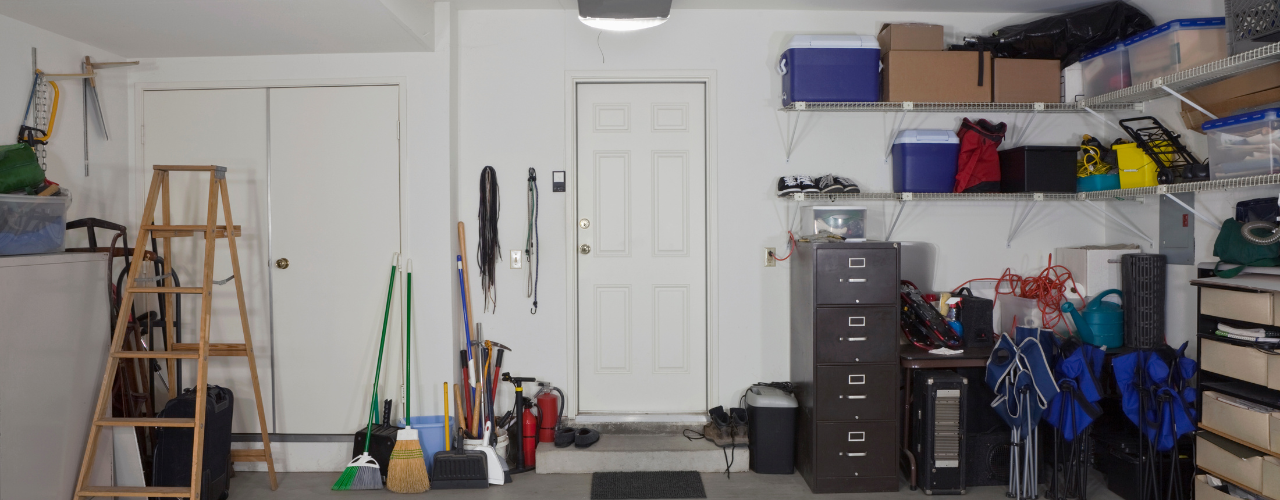
How to Organize Your Garage: A Step-by-Step Guide
A messy garage is often the product of plain, human indecision. And no, buying more bins isn’t the end-all decision to fix a cluttered garage. Luckily, the steps you need to take are not that complicated. Decide what your garage is for, empty it, sort and measure and buy storage last. Here’s how to make informed decisions along the way, so your garage stays organized for the long term.