

Multigenerational living has recently become more popular as it appeals to a wider category of people. More younger people are considering moving in with their parents as it’s a more affordable living arrangement than living on their own. As many as 32% of 18-to-34-year-olds moved back in with mom and dad in 2020, a higher share as compared to 27% of them in 2007. Additionally, it’s also a case of young families appreciating the help they get with children from grandparents while sharing the same home.
“Multigenerational homes exist in many parts of the world — Asian, Eastern European and Latin American cultures all draw value from living under the same roof with family. The US, however, has been playing catch-up for years, and there’s a reason for that: Americans love their independence”, according to Elisavveta M. Brandon, a freelance journalist who writes on architecture, cities and culture.
“Still, this past year has shown that multigenerational homes can find their place in American households. All it took was a global pandemic,” Brandon added. “As college campuses closed, unemployment rates spiked, and remote work entered the picture, the younger generation moved back in with their families. There we were again, back with mom and dad, navigating a whole new parent-child relationship, and a whole new set of challenges.”
Bolstered by the pandemic, the multigeneration household is here to stay and the home environment becomes key to maintaining the wellbeing of everyone living under the same roof. But how to achieve that? This way of life is not always easy as we all appreciate and need our space to feel comfortable.
One way of tackling multigenerational living is by planning and organizing as much as possible beforehand and adjust as the situation advances. We’ve collected below a few types of home styles and living arrangements that can help you set up your home to feel welcoming and nurturing for a multigenerational family.
1. The open concept layout
The key element behind an open concept design is flexibility in function. It is not only about making the space accessible for grandma and grandpa. Living in an open space can also help foster a sense of togetherness as family members can better interact and communicate in this setting. “To avoid a mall of private quarters with no room for interaction, it’s important to think about dedicated shared spaces, too,” said Brandon. A sense of community, even in the form of a comfortable, inviting living room where everyone is welcome, will make a world of difference.”

“When space is tight, multifunctional rooms will do the trick: A gym can be closed off with pocket doors and turned into a guest bedroom, a garage can become a makeshift workspace,” Brandon added.
If you wish to create a sense of privacy between the family room and other spaces in the home, you can go for French doors or thicker draperies to temporarily separate areas if need be.
Consider the main floor bedrooms for the grandparents so that they can reach their private space as easily as possible. Besides the common living areas such as the kitchen and the family room, having the bedrooms on the same level can offer extra privacy.
2. The separate level
If you’re able to renovate your home, make sure you consider how the levels of your home can accommodate both your immediate family and your in-laws moving in. Separating generations by floors might be the happy medium you need to reach to live close together while preserving privacy for each generation.
Reserve the first floor for the older generation, while you can create a viable living space complete with bedrooms, bathrooms and a living room on the second floor. You can still enjoy time together in the first-floor kitchen and maybe the spacious family room on the same level. Keep flexibility in mind when choosing this floor plan. Add French doors or even curtains if you need to separate the space occasionally, as one family chooses to read a book while another is watching TV in the adjoined room.
3. The suite
For those lucky to design their homes from scratch, adding a suite might be just what you need so each generation can have their dedicated space. We all know sharing bathrooms is a big no-no, so why not avoid the situation altogether?

Make sure your new home will have a separate bathroom for the grandparents’ or parents’ suite. A jack-and-jill bathroom for kids could also come in handy, especially in reducing the morning bathroom traffic. Make the living space comfy and welcoming with warm colors and your favorite decorations. To avoid any disruptions throughout the day, create a separate entrance, especially if members of the household have conflicting schedules.
4. The adjoined duplex
If you choose to move into a new home to accommodate your extended family in a new setting, you can choose to live in two adjoining duplexes. They’re typically two identical units complete with kitchen, living room, bedrooms and bathrooms, separated by a wall. It’s a different housing solution that helps the two families live in close proximity while keeping their privacy. The duplex naturally comes with separate entries and two garages so that all generations can move around the day based on different schedules. For a higher density housing solution, you could also share one duplex, whether you choose to live on separate levels or share the same space if it’s accommodating enough.

5. The addition
If your parents are moving in with you or you’ve decided to move with them, a larger home might be needed to accommodate everyone. “Boundaries, both psychological and physical, are key,” said Brandon. “As young people settle into their parents’ houses, or parents move in with their adult children, it’s important for both parties to preserve a sense of intimacy. When space allows, this can manifest itself in an accessory dwelling unit, or an attached room with a separate entrance.”
Expanding the existing home space can be done by considering an addition. This is an enlarged structure that increases the living space to make everyone feel comfortable. Once you get the building permit approved, you’re free to personalize the addition. Make it a space with an additional bathroom, kitchenette or more to suit your family’s needs. Make sure you also include a separate entrance to help all members of the family live independently.

6. The Casita
The “Casita” is another type of residence separate from the main house. It means “cottage” or “smaller dwelling” in Spanish, and it is a smaller multigenerational setup meant to be multifunctional. It is a sort of smaller dwelling that might consist of a room or two, very similar in design to a studio. Make sure your new multi-gen design can recreate the comforts of a home – incorporate a small kitchen, a living space, a bedroom and a bathroom. Many pick wood as the basic construction material to create a cozy atmosphere. As for the inside, choose a few colorful decorations to make it feel like a home. You might consider a casita if your parents are moving in, but they wish to still hold on to their independence.

What about all the stuff that comes with fitting more family members in one single home?
Once you decide which multigenerational home design is right for you and your extended family, there’s always the question of personal belongings and space.
A lot of them will simply not fit into your new home. Whether it’s your grandmother’s antique grandfather clock or seasonal decorations, self storage can help. You can store the extra items in a storage unit until you need them again. Most people use a 10×10 storage unit, but a 5×5 or a 5×10 storage unit can also do the job if you need to store smaller items, such as hobby or sports gear. If you have a diverse mixture of items that need to be stored, you can consult this storage unit size guide to help decide which unit size is right for your needs.
Whichever way you decide to go, keep in mind that communication is key! Happy cohabitating!



America’s Top Snowbird Destinations for 2026–2027: Florida Leads in Numbers, Texas Wins on Value
For Americans living in colder states, the approach of winter is reason enough to start looking south. Cold weather carries costs that go beyond the heating bill and shoveling snow. Seasonal affective disorder(opens in new tab) is far more prevalent in northern states, so a temporary move south isn’t simply an escape from the cold, but a chance to spend the hardest stretch of winter outdoors and in the sun.
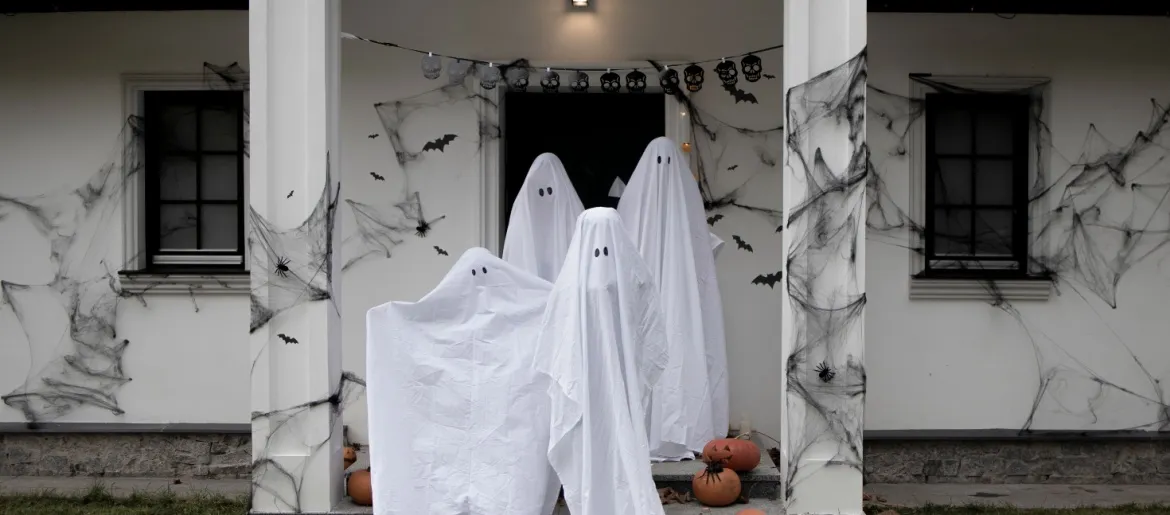
How much does Halloween really cost in 2026? Plan wisely to avoid the scare of hidden costs
Americans’ love for Halloween is almost frightening — this year alone, we are on our way to spending $13.5 billion, according to data from the National Retail Federation(opens in new tab). That breaks down to about $115 Halloween costs per person, a whopping 49% more than 10 years ago.
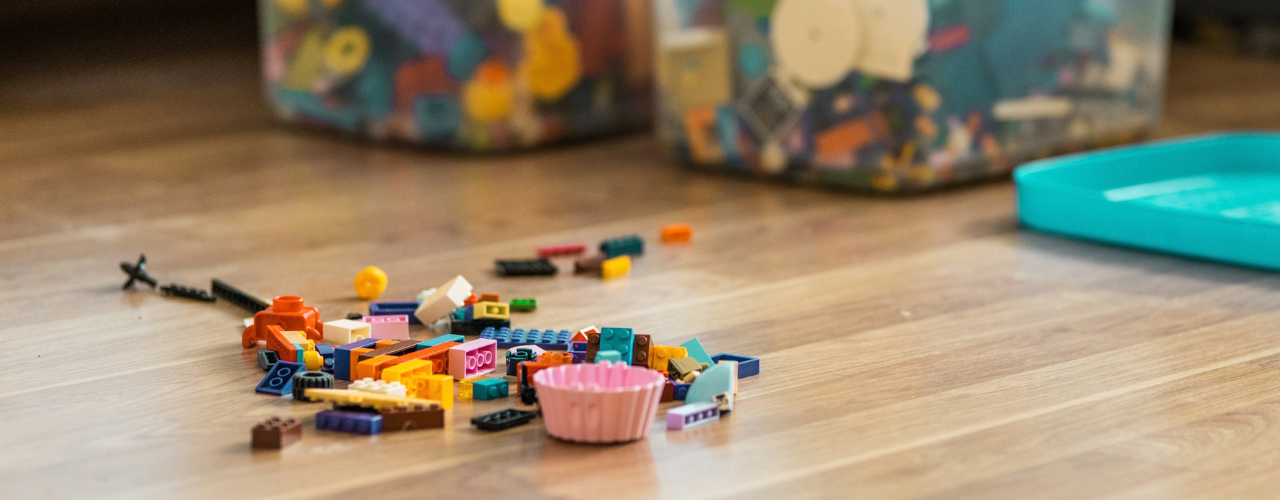
How to Store LEGOs: All the Fun, None of the Clutter
How to store LEGOs largely comes down to how your household uses them. If the bricks are part of everyday play, you need a setup that keeps them within easy reach and makes cleanup quick (for your feet’s sake, at least). Toy storage(opens in new tab) such as simple bins, playmats or containers that children can put away themselves may be enough. Larger or more serious collections usually need more organization, such as labelled drawers for loose pieces, trays for unfinished builds, shelves for completed models and separate storage for retired sets.
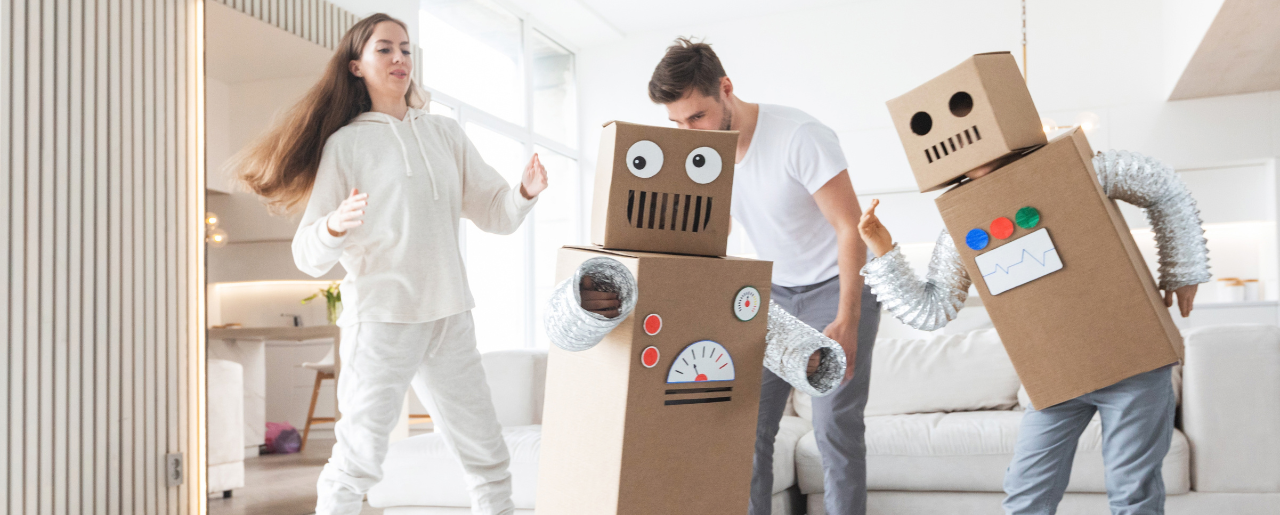
Cardboard Costume Guide: Tips and Ideas for a DIY Halloween
Whether for kids or adults, cardboard costume ideas often make the biggest splash once materialized, and that’s for a simple reason: doing a lot with a little is a universally impressive feat (especially in this economy). If you don’t have enough boxes you could temporarily repurpose, don’t worry! There are many places where you can find free moving boxes(opens in new tab), from stores and supermarkets to online groups and recycling drop-off spots. On the run? Try your luck at a self storage(opens in new tab) facility that sells moving supplies, often for cheap. This way, you can choose moving boxes of different shapes and sizes(opens in new tab), so you can make your costumes as complex as you want.

How to Celebrate Halloween: 9 Non-Spooky Ways To Enjoy It
As soon as October starts, it’s the official Halloween month. And while for many people it means it’s open season to get the scare of a lifetime, others, especially families with small children, might prefer to celebrate in a tamer way that’s both kid- and adult-friendly. While you’re likely to find more events where the spook factor is high, here’s how to celebrate Halloween in a not-so-scary way:

Motorcycle Storage Guide: How to Store Your Bike Safely
Motorcycles may be born to be wild, but eventually even the wild ones need somewhere to park. Whether riding season is winding down or your current living situation comes with plenty of square footage for you and less for your bike, motorcycle storage is one of those parts of ownership that doesn’t get as much airtime as the open road.

Halloween Decorating on a Budget (And Cheap Ideas for Everything Elsee)
Halloween has crept a long way from its eerie origins. While All Hallows’ Eve has transformed through the centuries, it wasn’t until the 1930s that trick-or-treating became a tradition in the U.S. and businesses began conjuring up mass-produced Halloween costumes. Now, Halloween is a monster-sized, billion-dollar industry, with a cauldron full of costumes and decorations ranging from the mainstream to the macabre. But is it all really worth your wallet? Maybe, but we’ll let you in on a little secret: You can keep your Halloween decorating on a budget and save on everything else, too. Take this plan and see it through!

Moving From a House to an Apartment: What to Expect, How to Downsize & How Self Storage Helps
For some, moving from a house to an apartment is a financial decision. For others, it’s about simplifying life. Maybe the kids have moved out and half the house sits empty, or you’re approaching retirement and no longer want to spend weekends on repairs. Or perhaps you’ve been weighing the cost of buying a home and wondering whether renting simply makes more sense right now.
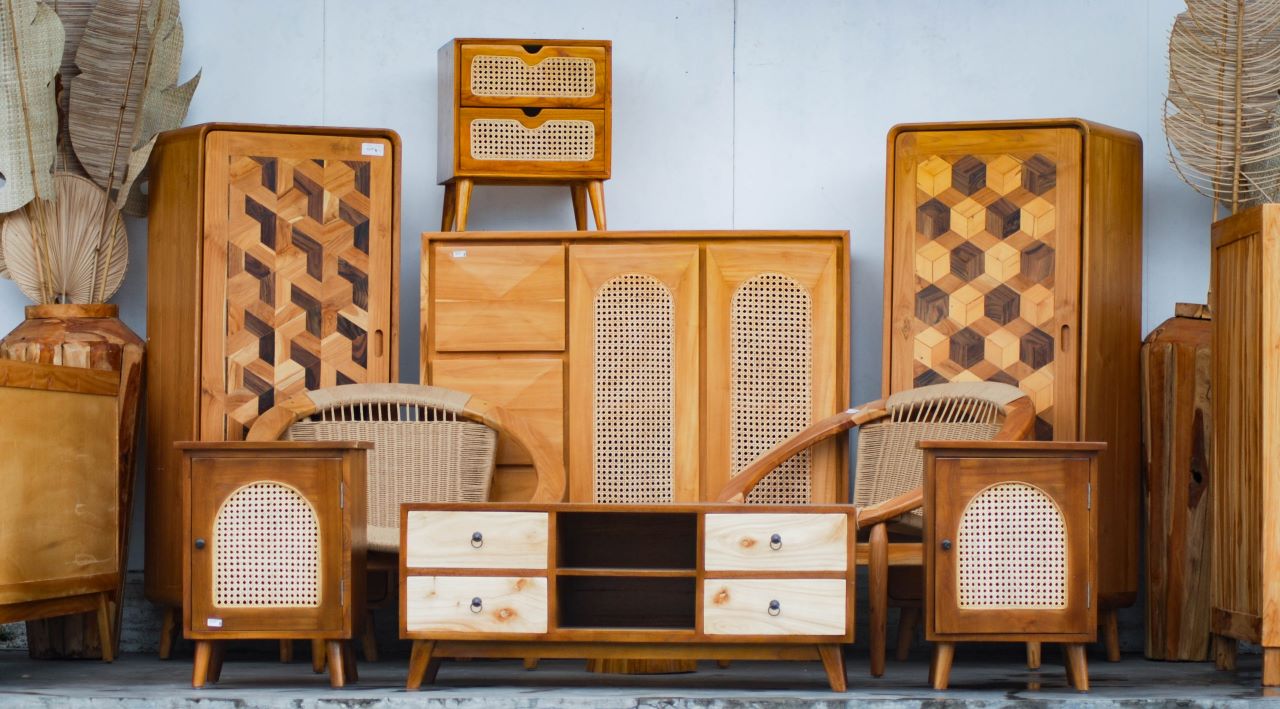
Family Heirlooms Overload: How to Handle Family Inheritance Without Regret
Handling family heirlooms after a loss requires managing legal authority, emotional pressure and practical logistics at the same time, and the order you take them on matters more than most people expect.