
More Than A Third Of Americans Rent Self Storage, With Furniture The Most Stored Item

Key takeaways:
- Roughly 38% of American respondents have used or plan to use self storage in the near future
- Gen Xers are the most likely to be self storage users (54%), followed closely by baby boomers (51%)
- Furniture is the common item put in storage, with almost 1 in 3 American respondents saying they keep a piece of furniture in a storage unit
- 10’x10’ unit is the most popular unit size, followed by 5’x10’
- Moving is the main reason people turn to self storage, followed by not having enough space at home and downsizing
Self storage is a service that has grown tremendously in popularity in recent times as it assists people during many life events. It’s useful when both staying put and during times of transition such as growing your family, downsizing and moving.
2021 was a year that saw the incidence of many of these events shoot up. Whether it was decamping to the suburbs, adding an office or a study room to the home, or moving in with mom and dad, self storage lent a helping hand. Moreover, last year the real estate market reported about six million homes sold – the highest level in 15 years – and self storage was of great assistance when transitioning between households. Essentially, self storage proved to be relevant for both homeowners and renters, who used it to better manage their belongings without cluttering their living space.
Currently, more than a third of American respondents say they have used or plan to use self storage in the future, with Gen Xers leading the other age groups. That’s one of the main findings of our latest look at self storage preferences where we analyzed close to 17,000 survey responses. We wanted to identify the latest self storage trends, who most uses storage away from home, and what drives both homeowners and renters to use self storage. We also identified the most-commonly stored items and investigated the key factors behind the growth of the industry, which now offers over 1.5B square feet of storage space.
Almost 40% of Americans rent self storage, survey says
Across America, people are increasingly using self storage. 38% of respondents declared themselves to be self storage users in 2021, including past, present and future intention to use this service. This is up from 2020 when roughly 33% of people said they had turned to self storage.
Traditionally, Gen Xers and baby boomers have turned to self storage in larger numbers than other age groups, and 2021 was no exception. Gen Xers (54%) are the most likely generation to be self storage users, followed closely by baby boomers (51%). Millennials, however, although still in smaller numbers than their older counterparts, are manifesting an increased interest in storing items away from home. A pretty sizeable chunk of millennials (40%) now declare themselves to be self storage users.

Residents of spacious homes and larger households use self storage to a (slightly) larger extent
Interestingly enough, living in a spacious home doesn’t necessarily rule out the use of self storage. In fact, it’s residents of medium-sized homes (1,500-2,499 sq. ft. and 2,500-3,500 sq. ft.) that make up the largest groups of self storage users – roughly 42% of residents in each of those home size categories. Approx. 39% of small home residents (homes averaging less than 1,000 sq. feet) use self storage, with 29% of mansion-like homes also turning to storage for various items.
Additionally, the people most likely to be self storage users are those living in two- and three-bedroom homes (42%). The growing size of the American household can partly explain this penchant for self storage among multi-bedroom home residents. More belongings in the same household often means more crowded spaces, an issue that self storage helps residents address. In fact, three-member households (46%) are the most likely to rent a storage unit, followed by two-member ones (43%). 34% of single-member households declare themselves to be self storage users.
Furniture is the most commonly stored item, followed by clothing
About 1 in 3 Americans say they put furniture in self storage, the most common item kept away from home, followed by clothing. Additionally, people also mention storing clothing, sporting items and hobby gear and business items. Cars, RVs and boats are also put into storage.
For both renters and homeowners, furniture is the number one item that’s stored away from home, but they differ on the second-most common one. In terms of the types of belongings kept in storage, clothing comes second for renters, while for homeowners, the home appliances category is the runner-up on their list of frequently stored items.
Furniture is the prevalent item put into storage in most states, except for Hawaii and Idaho, where residents prefer storing home appliances and equipment. Additionally, clothing is the number one item kept in a storage unit by Ohio and Utah residents.
10’x10’ is the most popular unit size, narrowly followed by 5’x10’
The 10’x10’ storage unit (24%) has historically been the most common unit size, closely followed by 5’x10’ (23%).
10’x10’ units are preferred by Gen Xers (27%) and baby boomers (26%). A 5’x10’ unit is the first choice for Gen Zers (36%) and millennials (33%), who are more likely to live in apartments and might own fewer items that need to be put into storage.
Concerning gender, men (31%) are more likely to choose a larger unit (10’x10’), while for women (27%) a 5’x10’ unit is the most popular choice. This is likely to happen because men tend to outspend women, and that translates to more belongings and different storage needs.
Moving is the main reason people use self storage, followed by not having enough space at home
There are a lot of contexts when people turn to self storage, but moving is the main reason Americans rent it, followed by needing more storage space at home and downsizing. As for the second reason for using self storage, renters report lack of space at home as an instance when they use the service, while homeowners declare moving as their second-most common reason for turning to storage away from home.
Moving remains the number one reason why millennials, Gen Xers and the Silent Generation turn to self storage, while for baby boomers and Gen Zers it's not having enough space at home that’s driving them to use self storage.
As Gen Zers are in their college years, they are either living in a dorm or with roommates. This leaves them little room for all their possessions, which makes self storage a boon. As baby boomers might already have their own homes with more personal space, they are also likely to have many personal belongings that might not fit inside their homes without causing clutter. Therefore, both generations can benefit from using self storage despite the differences in lifestyle.
Idaho and Utah have the most self storage users
Looking at state level, Idaho claims the most self storage users (59%), followed by Utah (54%). This may not be totally surprising since both states have been attracting new residents in droves in recent years. In fact, Idaho was the fastest-growing state in the nation, with a population increase of 2.9% during 2020, according to U.S. Census data.
New Mexico follows closely behind Idaho and Utah with 53% of residents claiming to be self storage users. Nearly half of New Hampshire and Wisconsin respondents also reported using storage units to keep their possessions.
In both Idaho (44%) and Utah (38%), baby boomers make up the main age group of self storage users. Additionally, a quarter of Utah Gen Xers and millennials rely on self storage. In New Mexico, it’s also Gen Xers (33%) who are the primary self storage users.
The high demand correlated with a limited inventory in some of these areas has generated prices that are somewhat higher than the national average ($127). Maine, for example, where local inventory is significantly lower than the national benchmark of 7 sq. ft. per person, has an average street rate of $131 per month, according to data from Yardi Matrix. Similarly, storage units in Alaska cost $130 on average.
At the other end of the spectrum, in Utah, Idaho and South Carolina, where local inventories are healthier, street rates tend to remain on par or even below the national average. A storage unit in Utah now goes for $103 per month while South Carolina prices stand at $91 per month.
Demand drives self storage prices up, with Miami in the lead
Demand came from several directions in 2021, both traditional and new ones. Moving has always been one of the main reasons for using self storage and last year was no exception. But the market has also seen a boost in demand due to downsizing as well as the increasing incidence of consolidated households as more people chose to move in with mom and dad. Home improvement is also at an all-time high, most likely supported by shifting housing needs and an attempt to adjust home layouts to fit more activities in at home.
Rising demand has also created a context for self storage to thrive, with rents rising at a faster pace than before. The national average self storage price is now $127 per month, up 6.7% year-over-year. Naturally, some places are growing much faster than others, with cities from states that made the highest net population gains also being the places with the fastest-growing rents. Miami, Florida, saw the highest year-over-year hike in self storage prices – 22.8%. Florida in fact registered the highest net domestic migration in 2021, based on U.S. Census data. Jacksonville (19.2%) and Hialeah (19%) in particular saw tremendous self storage street rate growth for the same time period. Moreover, Orlando, Florida (14.6%) also saw its street rates grow significantly.
Arizona, which rated third nationally in terms of net migration gain in 2021, saw significant self storage price hikes. Chandler, in particular, experienced a 21% y-o-y surge in self storage street rates. Tucson's self storage street rates also grew by 16% y-o-y.
Top 10 Cities with Highest Y-o-Y Self Storage Price Changes
| Rank | City | Avg. Self Storage Price (2021) | Y-o-Y Change |
|---|---|---|---|
| 1 | Miami, FL | $183 | 22.80% |
| 2 | Chandler, AZ | $138 | 21.10% |
| 3 | Jacksonville, FL | $118 | 19.20% |
| 4 | Hialeah, FL | $163 | 19.00% |
| 5 | Irving, TX | $100 | 16.30% |
| 6 | Charlotte, NC | $101 | 16.10% |
| 7 | Tucson, AZ | $116 | 16.00% |
| 8 | Bakersfield, CA | $80 | 15.90% |
| 9 | Mesa, AZ | $110 | 15.80% |
| 10 | Orlando, FL | $118 | 14.60% |
Columns from a Hindu temple, stuffed animals and ashes among most unusual items put in storage
Besides regular items such as furniture, clothing and appliances, people often put unusual items in a storage unit – providing material for some popular TV shows and movies! For instance, some respondents said they kept Beanie Babies and old record players in a storage unit – nostalgic possessions, in all likelihood. For others, nostalgia extends to animal ashes, which have been reported to be kept in storage units.
Moreover, some people declared keeping real stuffed animals in their storage unit, as well as bird cages and pinatas. History buffs may also find good use for self storage as it’s a safe way to keep valued and sentimental possessions, with antique maps and even columns from a Hindu temple being among the most exceptional stored items.
Self storage has grown considerably in popularity lately. While a lot of people have traditionally rented a storage unit when moving, the benefits of the service extend well beyond relocating. Homeowners, renters, students and business owners – essentially, people from all walks of life – can find self storage useful at some time.
Methodology
This analysis was done by StorageCafe, an online platform that provides storage unit listings across the nation.
Our findings are based on a survey that ran on the online real estate platforms rentcafe.com and propertyshark.com for a period of one month among 16,900 respondents in the United States.
Fair use and distribution
This study serves as a resource for the general public on issues of common interest and should not be regarded as investment advice. The data is true to the best of our knowledge but may change if amendments to it are made. We agree to the distribution of this content but we do require a mention in return for attribution purposes.


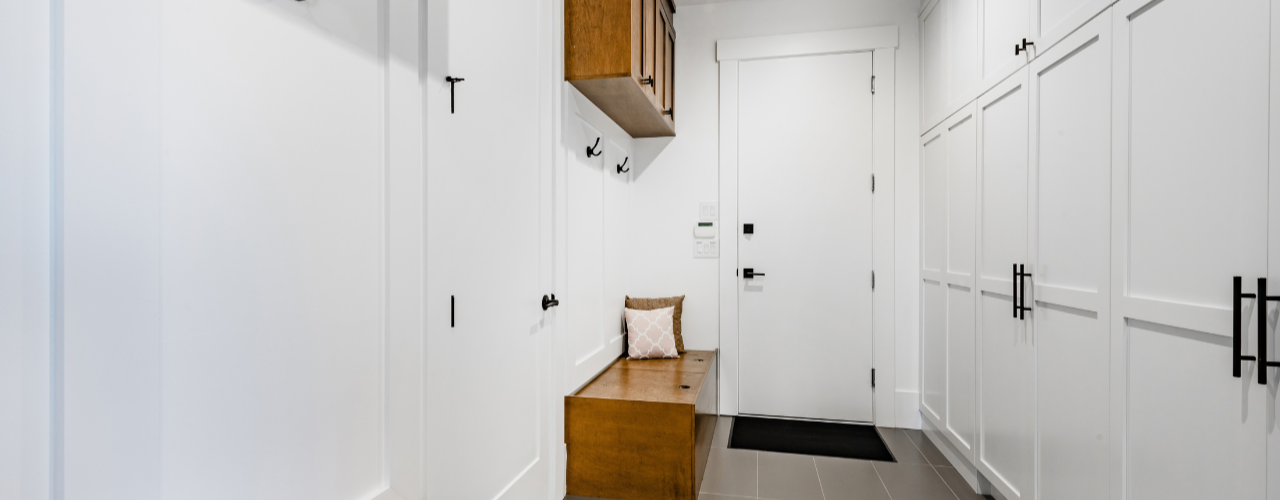
25 Mudroom Storage Ideas (And Mistakes to Avoid)
When you come home with muddy boots, an armful of bags and a coat you can’t wait to take off, it’s nice to have somewhere to put it all. With a mudroom, you can leave the outdoor mess at the door instead of carrying it through the house. Traditionally, you’d set aside a separate room, but you can just as easily use a hallway, an entryway closet, a laundry-room corner or a stretch of wall near the entrance.
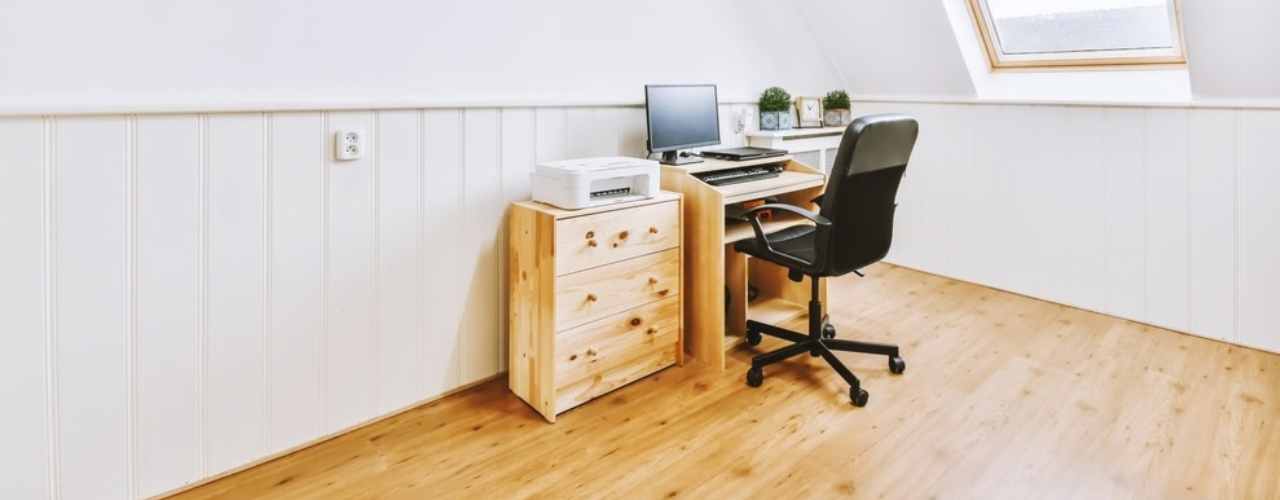
Is Your Home Office Worth the Rent? What Coworking and Self Storage Could Save You
Every square foot of your apartment comes with a price tag, and a home office claims more of them than most renters expect. It starts with a desk. Then come the second monitor, the printer, the filing cabinet and the overflow boxes. Before long, the corner you set aside for work has turned into a small room you are paying for every month.

America’s Top Snowbird Destinations for 2026–2027: Florida Leads in Numbers, Texas Wins on Value
For Americans living in colder states, the approach of winter is reason enough to start looking south. Cold weather carries costs that go beyond the heating bill and shoveling snow. Seasonal affective disorder(opens in new tab) is far more prevalent in northern states, so a temporary move south isn’t simply an escape from the cold, but a chance to spend the hardest stretch of winter outdoors and in the sun.
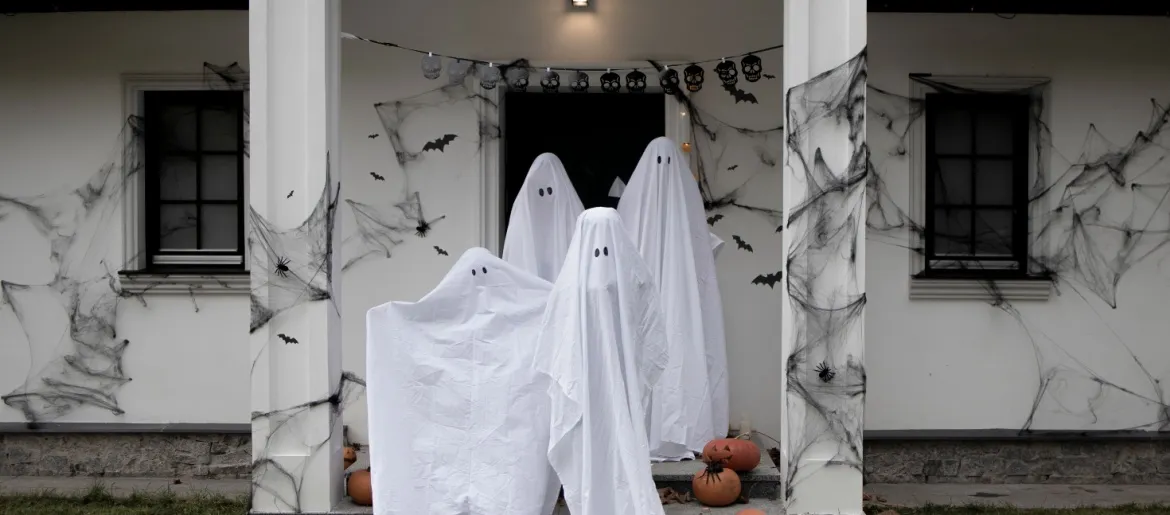
How Much Does Halloween Really Cost in 2026? Plan Wisely to Avoid the Scare of Hidden Costs
Americans’ love for Halloween is almost frightening — this year alone, we are on our way to spending $13.5 billion, according to data from the National Retail Federation(opens in new tab). That breaks down to about $115 Halloween costs per person, a whopping 49% more than 10 years ago.
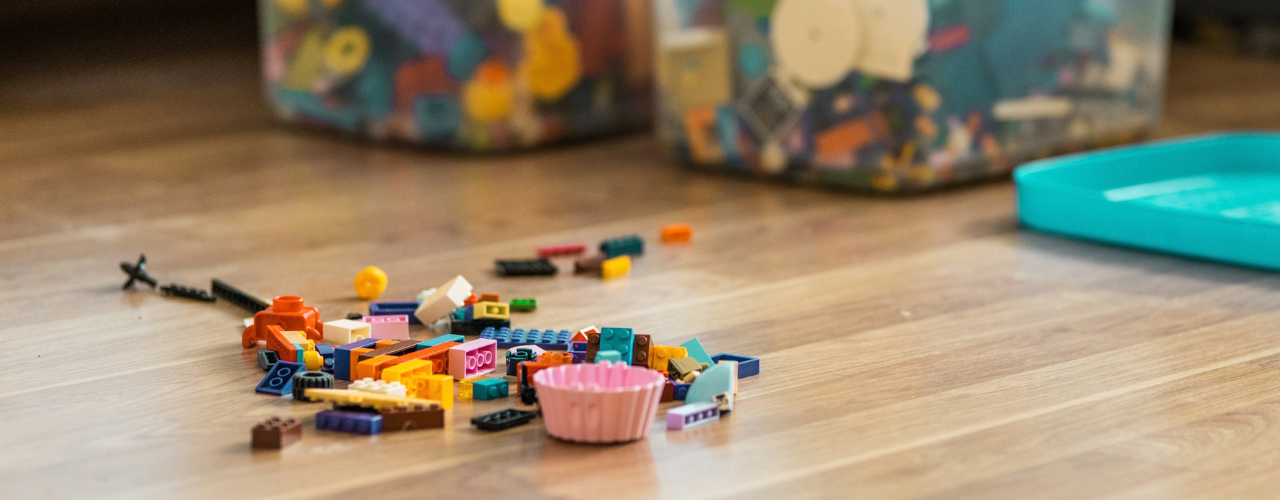
How to Store LEGOs: All the Fun, None of the Clutter
How to store LEGOs largely comes down to how your household uses them. If the bricks are part of everyday play, you need a setup that keeps them within easy reach and makes cleanup quick (for your feet’s sake, at least). Toy storage(opens in new tab) such as simple bins, playmats or containers that children can put away themselves may be enough. Larger or more serious collections usually need more organization, such as labelled drawers for loose pieces, trays for unfinished builds, shelves for completed models and separate storage for retired sets.
Cardboard Costume Guide: Tips and Ideas for a DIY Halloween
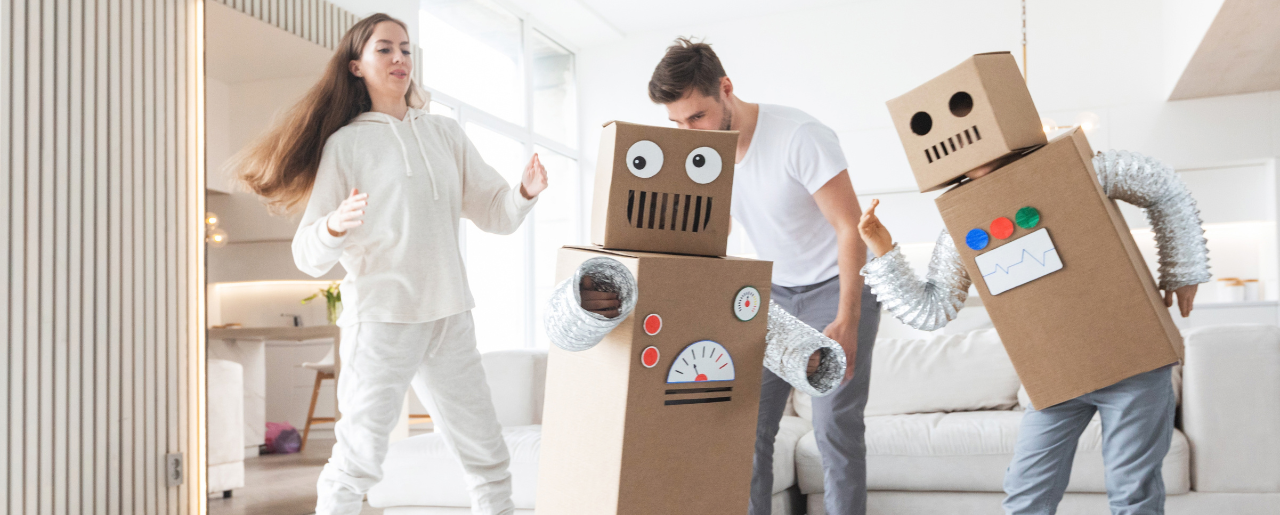
Whether for kids or adults, cardboard costume ideas often make the biggest splash once materialized, and that’s for a simple reason: doing a lot with a little is a universally impressive feat (especially in this economy). If you don’t have enough boxes you could temporarily repurpose, don’t worry! There are many places where you can find free moving boxes(opens in new tab), from stores and supermarkets to online groups and recycling drop-off spots. On the run? Try your luck at a self storage(opens in new tab) facility that sells moving supplies, often for cheap. This way, you can choose moving boxes of different shapes and sizes(opens in new tab), so you can make your costumes as complex as you want.

How to Celebrate Halloween: 9 Non-Spooky Ways To Enjoy It
As soon as October starts, it’s the official Halloween month. And while for many people it means it’s open season to get the scare of a lifetime, others, especially families with small children, might prefer to celebrate in a tamer way that’s both kid- and adult-friendly. While you’re likely to find more events where the spook factor is high, here’s how to celebrate Halloween in a not-so-scary way:

Motorcycle Storage Guide: How to Store Your Bike Safely
Motorcycles may be born to be wild, but eventually even the wild ones need somewhere to park. Whether riding season is winding down or your current living situation comes with plenty of square footage for you and less for your bike, motorcycle storage is one of those parts of ownership that doesn’t get as much airtime as the open road.

Halloween Decorating on a Budget (And Cheap Ideas for Everything Elsee)
Halloween has crept a long way from its eerie origins. While All Hallows’ Eve has transformed through the centuries, it wasn’t until the 1930s that trick-or-treating became a tradition in the U.S. and businesses began conjuring up mass-produced Halloween costumes. Now, Halloween is a monster-sized, billion-dollar industry, with a cauldron full of costumes and decorations ranging from the mainstream to the macabre. But is it all really worth your wallet? Maybe, but we’ll let you in on a little secret: You can keep your Halloween decorating on a budget and save on everything else, too. Take this plan and see it through!