

Storing the contents of a 3-bedroom house or apartment typically requires a 10’x15′ or 10’x20′ storage unit, depending on how much furniture and how many appliances you’re moving. If you’re also storing a vehicle, you’ll need to step up to a 10’x30′. Here’s how to figure out exactly which size fits your situation.
What size storage unit do you need for a 3-bedroom house?

A 10’x15′ storage unit fits the contents of a 3-bedroom house apartment if you’re not moving dining furniture or large kitchen appliances. Stepping up to a 10’x20′ covers everything, including a full dining room and multiple bedroom sets.
A 10’x15′ unit comfortably holds three rooms’ worth of furniture: bedroom sets, a home office setup, living room seating, and an assortment of boxes. If your rooms aren’t heavily furnished and you’re leaving the dining room and kitchen appliances behind, this size should do it.
If you’re moving the whole apartment — dining table and chairs, kitchen appliances, a large sectional, and more than one full-size bedroom set — go with a 10’x20′. It gives you the extra room to fit everything without playing Tetris for an hour just to close the door.
Can you store a car and furniture together in one unit?
Yes — a 10’x30′ storage unit is large enough to hold a vehicle alongside the full contents of a 3-bedroom house. That makes it a practical solution if you’re traveling, relocating temporarily, or renting out your home while you’re away.
If you own your house or condo, this is worth thinking about seriously. Move your belongings and vehicle into a single unit, rent out your place unfurnished, and you’re turning a dormant asset into monthly income. You won’t need the car while you’re gone, and leaving it exposed for months risks weather damage, theft, or mechanical deterioration from disuse — a secure, covered unit is a much better option.
Keeping everything together also means your furniture and valuables are protected while a tenant occupies your space, and exactly as you left it when you return. The monthly storage cost is almost always a fraction of what your property earns as a rental, so the numbers tend to work in your favor.
Check out our detailed guide for more information about car storage.
What storage unit size do you need for long-term or partial storage?
If you’re not moving your entire apartment but need ongoing storage for overflow items, a 5’x5′ unit handles boxes and seasonal gear, while a 10’x10‘ is the right step up for furniture and bulkier items.
A 5’x5′ — about the size of a standard home closet — is ideal for seasonal clothing, baby gear, sports equipment, or a collection of boxes you don’t need regular access to. Once you’re adding extra furniture, appliances, or a bike into the mix, a 10’x10’ is the better call. It’s a meaningful jump in space and keeps you from having to stack things dangerously high just to make them fit.
Climate-controlled units are worth considering for long-term storage of delicate or valuable items, or if you’re in a region with significant temperature swings.
One thing people overlook: before you rent, calculate the actual storage volume you need, not just the floor space. Most units have 8-foot ceilings, so a 10’x10′ unit gives you 800 cubic feet of usable space. That changes the math when you’re comparing sizes. Also make sure you leave yourself a clear access aisle — if you have to unpack the whole unit to find one box, you’ve kind of defeated the purpose of having it organized in the first place.
Frequently Asked Questions
What’s the difference between a 10’x15′ and 10’x20′ storage unit for a house move?
The 10’x15′ gives you about 1,200 cubic feet of space and works well for a 3-bedroom apartment where you’re leaving the dining room and kitchen appliances behind. The 10’x20′ gives you roughly 1,600 cubic feet and is the right call when you’re moving everything — dining furniture, full kitchen appliances, multiple large bedroom sets, or an oversized sofa. If you’re on the fence, consider the 10’x20′: you’ll appreciate not having to cram things in.
Do I need climate-controlled storage for a 3-bedroom move?
It depends on what you’re moving and how long you’re storing it. Climate-controlled storage is worth the small price premium if you’re storing expensive wood furniture (which warps in humidity), electronics, artwork, musical instruments, antiques, or anything else that doesn’t handle temperature swings well. If you’re moving hardier item – standard furniture, most clothing, sports equipment – and your timeline is short, a standard unit is usually fine. When in doubt, lean toward climate-controlled for anything you’d genuinely hate to ruin.
How do I pack a storage unit with belongings from a 3-bedroom house?
A few things make a real difference. Disassemble furniture where you can. Bed frames, tables, and shelving units take up far less space broken down than standing upright. Stack vertically and use the full height of the unit; most units go to 8 feet, and boxes stack safely when they’re packed tight. Put items you’re unlikely to need toward the back and anything you might want to grab toward the front. Label every box on the side, not the top, so you can read the label without moving the boxes stacked on it. And leave yourself a narrow aisle down the center — future you will be very grateful.
How long can I store my belongings in a storage unit while moving?
Most self storage facilities rent month-to-month, so there’s no minimum commitment and you’re not locked in if your move wraps up faster than expected. Longer-term rentals sometimes come with promotional rates, so it’s worth asking about discounts if you know you’ll need the unit for several months. For a full look at what storage costs by unit size and location, see our storage unit prices guide.



Moving From a House to an Apartment: What to Expect, How to Downsize & How Self Storage Helps
For some, moving from a house to an apartment is a financial decision. For others, it’s about simplifying life. Maybe the kids have moved out and half the house sits empty, or you’re approaching retirement and no longer want to spend weekends on repairs. Or perhaps you’ve been weighing the cost of buying a home and wondering whether renting simply makes more sense right now.
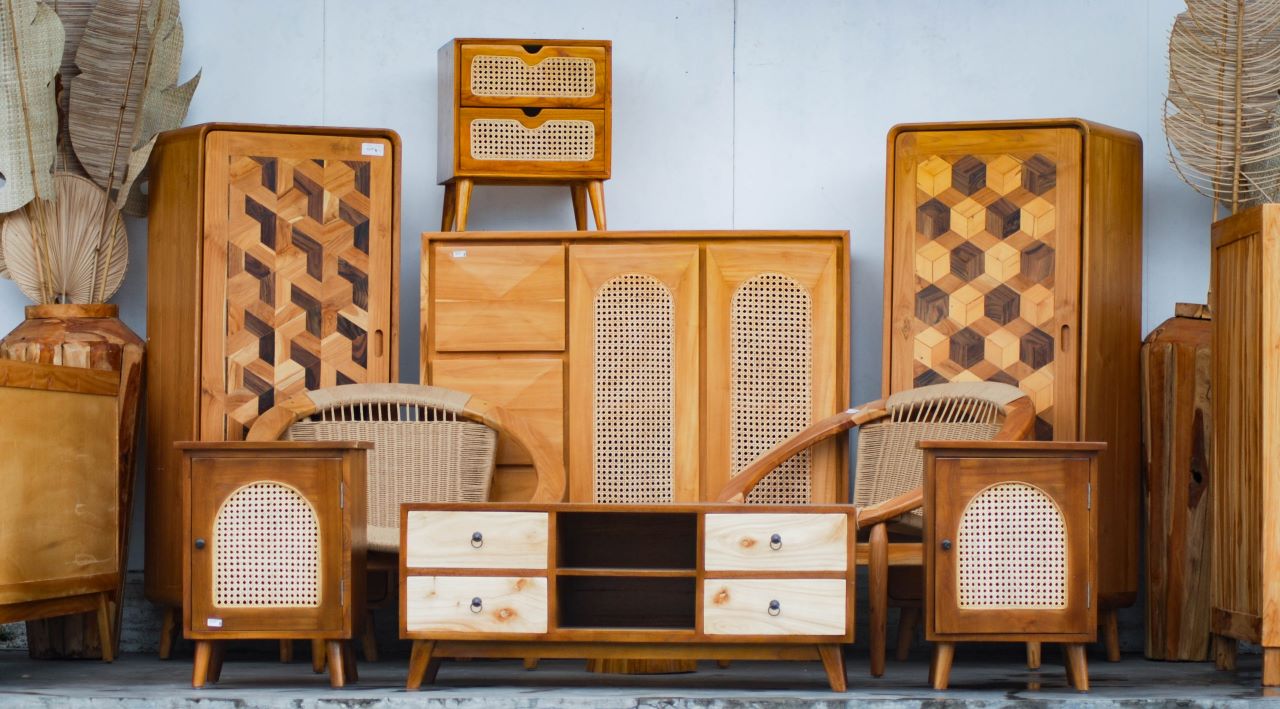
Family Heirlooms Overload: How to Handle Family Inheritance Without Regret
Handling family heirlooms after a loss requires managing legal authority, emotional pressure and practical logistics at the same time, and the order you take them on matters more than most people expect.
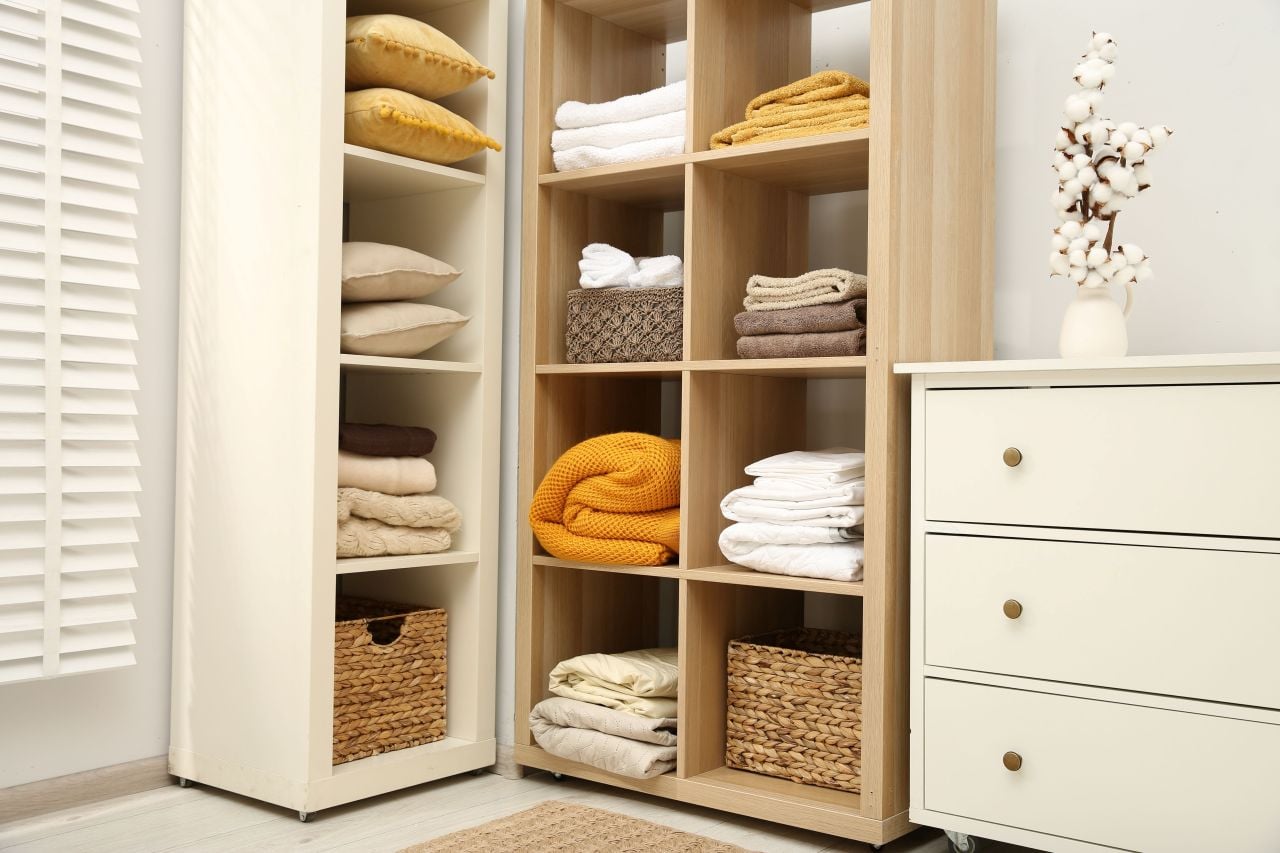
Blanket Storage: The Right Method for Every Space and Season
Blankets make our lives cozier, and storing them well is what keeps them soft and comfortable in the long run. Knowing how to store a blanket properly means your favorites come out of storage smelling fresh, feeling the same as when they went in, and lasting years longer than they otherwise would.

Board Game Storage Ideas That Keep Your Collection in Fighting Shape
Nobody warns you that getting into board games usually unlocks a second hobby, the much dreaded one that includes figuring out where on earth to put them. One game becomes a few, expansions start spawning beside their base boxes and before long, board game storage requires as much strategy as whatever is waiting on the other side of those lids.

Storage Locker vs. Storage Unit: What’s the Difference?
A locker and a unit may sound like two names for the same four walls and a lock, and depending on the storage facility, you may even see the terms used that way. However, once you start comparing available spaces, storage lockers tend to occupy the smaller end of the spectrum, while storage units(opens in new tab) give you considerably more room to work with.

Storage Ideas for Small Spaces: 9 Ways to Max Out Your Home
A messy home contains the seeds of its organization. Those seeds are everywhere: the space above doors, under beds, behind sofas and inside furniture can all become storage. Here are the best storage ideas for small spaces, so you can make the most of your cozy home.
Best U.S. Cities to Live Uncluttered: Plano, TX, Offers the Most Room to Breathe
Clutter is in our homes as much as in our heads. Both are shaped by where we live.
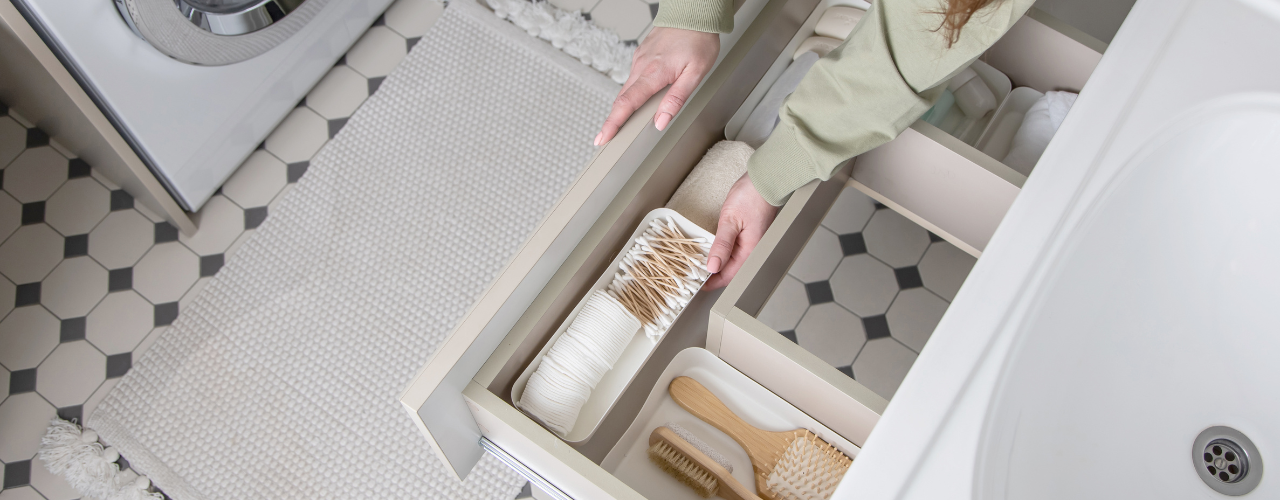
How to Organize Your Bathroom: 8 Ways to Stay Tidy
You already know why an organized bathroom is worth the effort, but let us remind you: it makes rushed mornings easier, keeps counters cleaner and just helps get you in the mood to go through your skincare routine like you should. Plus, in bigger households, it helps everyone find what they need. And you know how much a tidy bathroom counts for your self-esteem when a guest or a partner shows up. Luckily, you don’t need a degree to know how to organize your bathroom. The secret is keeping less, giving every item a home and making that home simple to use. Let’s go through some practical steps can help you create a bathroom that stays functional and nice to look at.

How to Use Silica Gel Packets for Storage
Moisture can cause significant damage to items in storage, leading to rust on tools, mold on clothing and warping in documents. Silica gel uses science to fix that. Often found in small packets inside product packaging, silica gel is a desiccant that absorbs moisture from the air, keeping your stored items dry and protected. This guide explains what silica gel is, how it works and how you can use it to preserve your belongings in self storage.