

If you’re thinking about relocating, weather isn’t just small talk—it’s a key part of your lifestyle. Whether you’re planning to retire somewhere peaceful, escape extreme seasons, or embrace an active lifestyle with more sunny days outdoors, finding a place with mild, steady temperatures can make all the difference.
We’ve rounded up U.S. cities where the average temperature hovers around 70°F year-round. These destinations offer a near-perfect climate along with plenty of ways to enjoy the outdoors – right outside your new front door.
1. Key West, FL
Looking for a tropical setting where you can wear flip-flops year-round? Key West has the sunshine, warm breezes, and endless ocean views to match. With temps comfortably above 70°F most of the year, it’s an ideal place to settle down if you’re all about beach life.
Local lifestyle perks: Fishing, snorkeling, kayaking, and boating are daily options. Golfers and nature lovers will find peace at the Key West Golf Club and the Butterfly Conservatory. You’ll also be a short ferry ride from Dry Tortugas National Park for weekend camping and scenic escapes.
2. Honolulu, HI
If consistent sunshine and ocean air are must-haves for your move, Honolulu is a strong contender. Expect mild winters and a refreshing breeze almost every day of the year.
Local lifestyle perks: Your new backyard includes Waikiki Beach and hiking up Diamond Head for panoramic views. Between November and April, you can also watch humpback whales migrate offshore—no jacket required.
3. Miami, FL
Miami combines year-round warmth with big-city perks. Winters average a delightful 70°F, giving you the chance to stay active outdoors even when much of the country is bundled up indoors.
Local lifestyle perks: Walk or bike the Art Deco-lined Miami Beach boardwalk, or paddle through mangroves at Oleta River State Park. Living near Biscayne National Park means snorkeling and boating are always within reach.
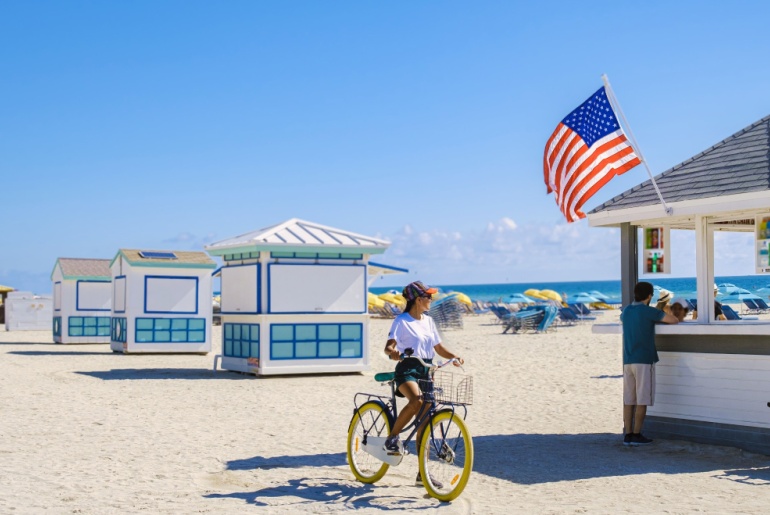
Young women on the beach in Miami, FL
4. Fort Lauderdale, FL If you’re a fan of boating, biking, or just living near the water, Fort Lauderdale could be your ideal new zip code. The city enjoys highs in the low 80s and rarely sees temps below 70°F, even in winter.
Local lifestyle perks: Join the local boating culture across 300 miles of waterways, explore scenic biking routes along the coast, or relax on pristine beaches. Water sports like wakeboarding and scuba diving are popular and accessible year-round.
5. Sarasota, FL
Sarasota offers a quieter Gulf Coast alternative to busier Florida cities—with the same beautiful weather. Summers hover in the low 80s, and winters settle around the 60s.
Local lifestyle perks: Settle near Siesta Key (America’s top-rated beach), and spend weekends kayaking, hiking, or exploring Sarasota’s extensive parks and trails. You can even hunt for shark teeth or take peaceful bike rides along the Legacy Trail.
6. Orlando, FL
Orlando isn’t just for theme park lovers—it’s also one of the greenest cities in Florida. Mild winters and warm summers make it attractive for year-round living, especially if you enjoy a balance between nature and urban life.
Local lifestyle perks: Zipline through pine forests, bike 22 miles of the West Orange Trail, or paddle swan boats in Lake Eola. With more than 148 parks and preserves, outdoor adventure is part of daily life here.
7. Las Vegas, NV
Yes, it’s hot in summer—but Las Vegas delivers mild, dry winters and nearly 300 sunny days a year, which is why many people find it an appealing place to live, especially during cooler seasons.
Local lifestyle perks: Live close to hiking trails in Red Rock Canyon or Mt. Charleston. Mountain bikers will love Bootleg Canyon. And for cooler weekends, the Colorado River and Lake Mead offer kayaking, paddleboarding, and desert views.
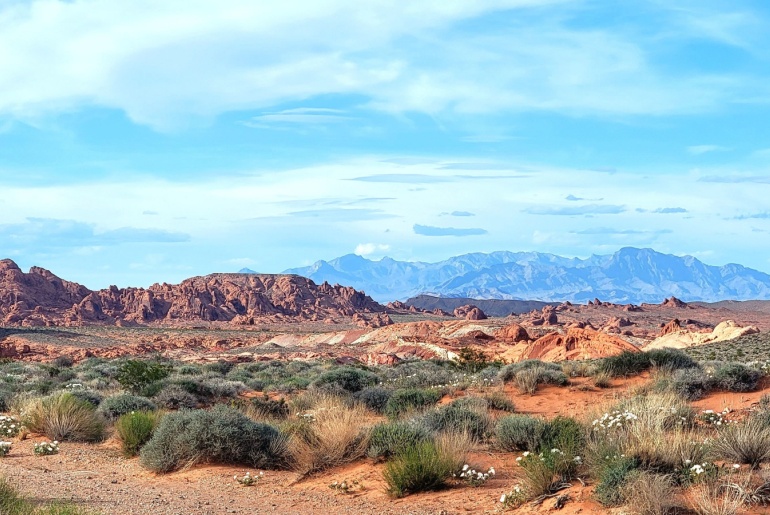
Valley of Fire State Park, near Las Vegas, NV
8. San Diego, CA
Often described as having “the best weather in the country,” San Diego’s coastal climate offers moderate temperatures year-round—perfect for those who don’t like surprises.
Local lifestyle perks: Enjoy a laid-back coastal lifestyle with hiking at Torrey Pines, snorkeling at La Jolla Cove, or paddleboarding in Mission Bay. The city is very bike-friendly and full of green spaces to enjoy with family or pets.
9. San Antonio, TX
San Antonio delivers warm summers and very mild winters, making it a year-round outdoor city with a mix of Texan culture and green space.
Local lifestyle perks: You’ll find miles of urban parks, trails along the historic Missions, and easy access to natural springs and rivers like the San Marcos for weekend water adventures. Don’t forget horseback riding—it’s Texas, after all.
10. Los Angeles, CA
LA enjoys near-perfect sunshine most of the year and average highs around 72°F. Whether you’re moving for work, lifestyle, or scenery, you’ll have no shortage of outdoor escapes here.
Local lifestyle perks: From surfing at Venice Beach to hiking up to Griffith Observatory, LA has a trail or beach for every interest. The city also supports kayaking and bird watching along the LA River—yes, LA has that too!
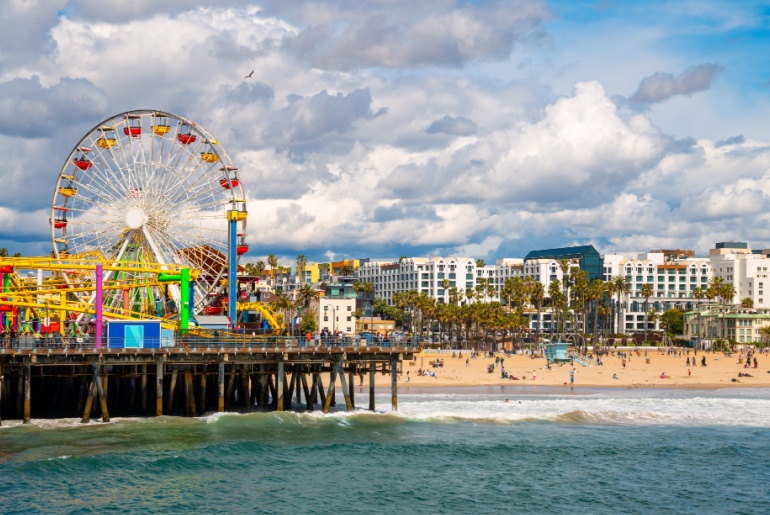
Santa Monica pier amusement park and beach panorama in LA, CA
Bonus tip: storing your outdoor gear safely
Living in a place where the sun shines year-round often means owning more outdoor gear—think bikes, paddleboards, kayaks, tents, and more. That’s where self storage can become part of your lifestyle and a practical way to fight back against clutter.
To protect your investment, consider a climate-controlled storage unit, especially if you’re moving to a tropical or humid location. These units maintain optimal temperature and humidity levels, helping to keep your gear in top condition over time.
Self storage cost snapshot:
- Average 10×10 non-climate-controlled unit: $123/month
- Average 10×10 climate-controlled unit: $139/month
- Street rates vary from $306/month in Los Angeles to $159/month in Las Vegas and $132/month in San Antonio.
Tip: Use comparison sites with good coverage to find the best storage deals in your new city.
Size guide
- 5’x10′ – Ideal for smaller gear like camping equipment or golf clubs
- 10’x10′ or 10’x15′ – Perfect for bikes, paddleboards, and other bulky items
- 10’x20′ or larger – Suitable for storing kayaks, canoes, or even RVs and boats
Ready to move somewhere with better weather?
Finding a home in one of these mild-weather cities means you can enjoy the outdoors nearly every day of the year. Whether you’re a retiree, remote worker, or just dreaming of your next chapter, these locations let you live a sunnier, more active lifestyle—without the unpredictability of extreme seasons.


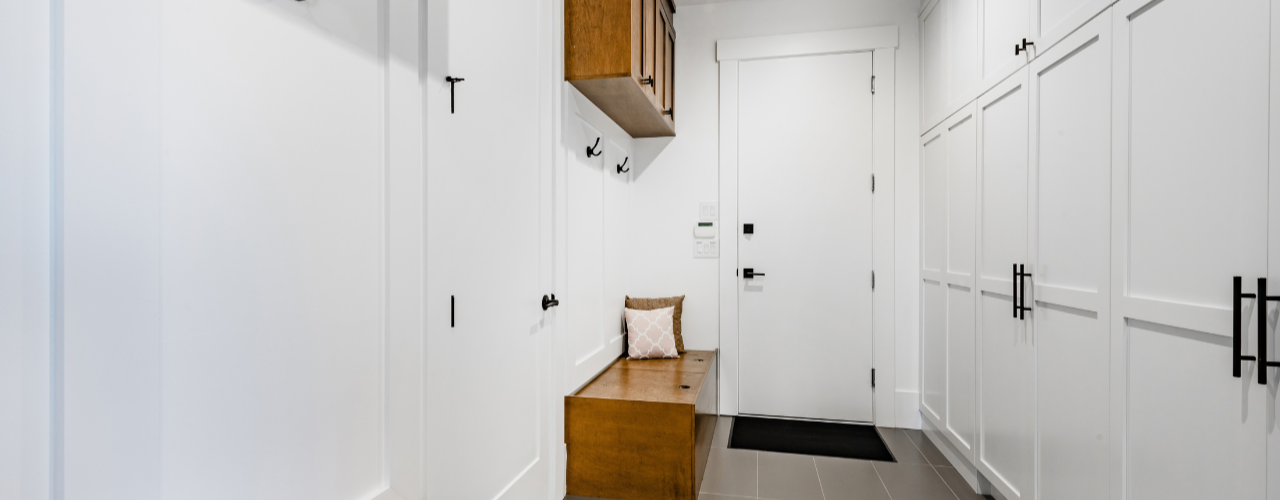
25 Mudroom Storage Ideas (And Mistakes to Avoid)
When you come home with muddy boots, an armful of bags and a coat you can’t wait to take off, it’s nice to have somewhere to put it all. With a mudroom, you can leave the outdoor mess at the door instead of carrying it through the house. Traditionally, you’d set aside a separate room, but you can just as easily use a hallway, an entryway closet, a laundry-room corner or a stretch of wall near the entrance.
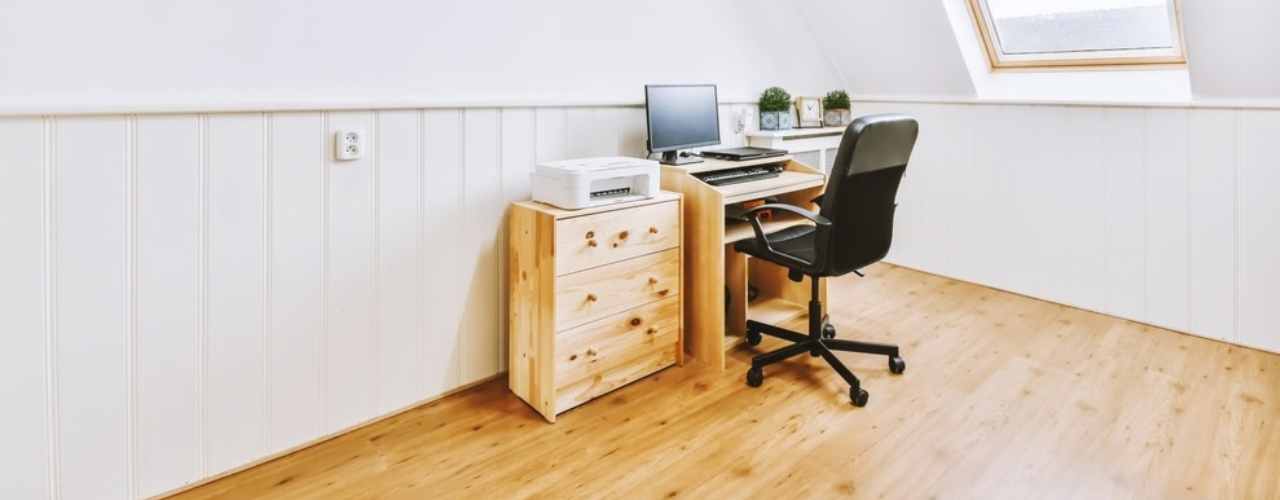
Is Your Home Office Worth the Rent? What Coworking and Self Storage Could Save You
Every square foot of your apartment comes with a price tag, and a home office claims more of them than most renters expect. It starts with a desk. Then come the second monitor, the printer, the filing cabinet and the overflow boxes. Before long, the corner you set aside for work has turned into a small room you are paying for every month.
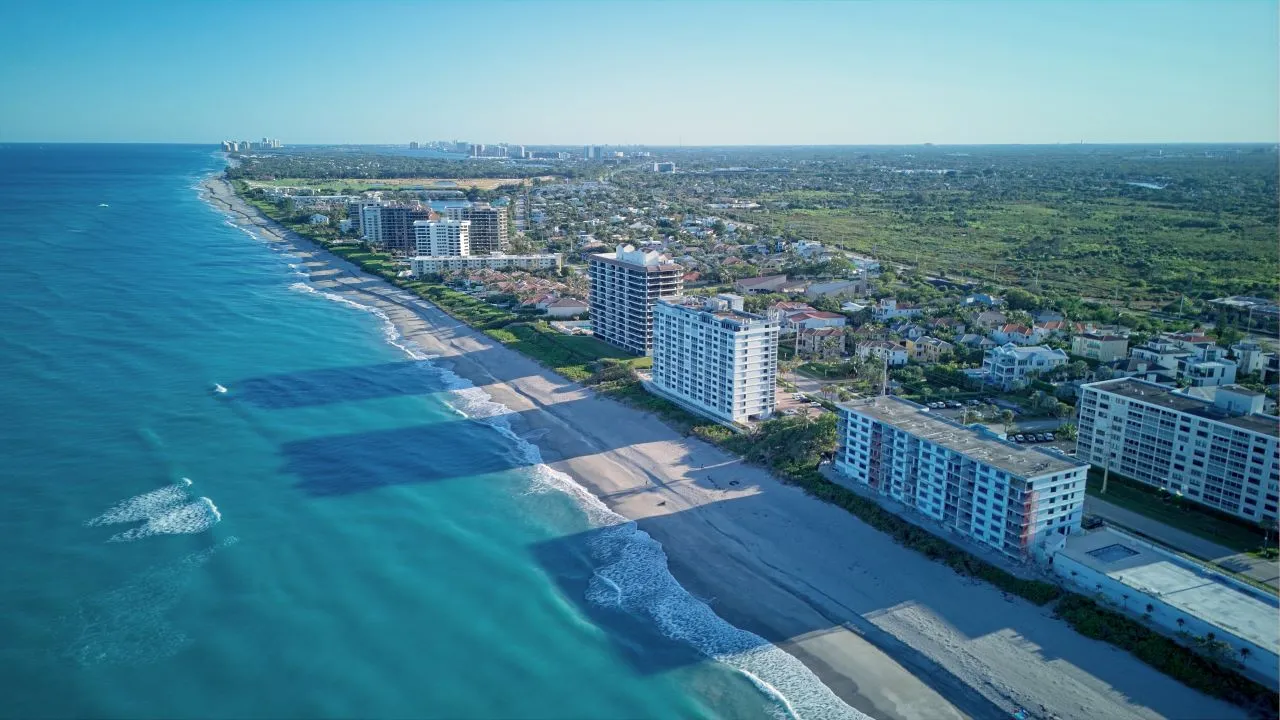
America’s Top Snowbird Destinations for 2026–2027: Florida Leads in Numbers, Texas Wins on Value
For Americans living in colder states, the approach of winter is reason enough to start looking south. Cold weather carries costs that go beyond the heating bill and shoveling snow. Seasonal affective disorder(opens in new tab) is far more prevalent in northern states, so a temporary move south isn’t simply an escape from the cold, but a chance to spend the hardest stretch of winter outdoors and in the sun.
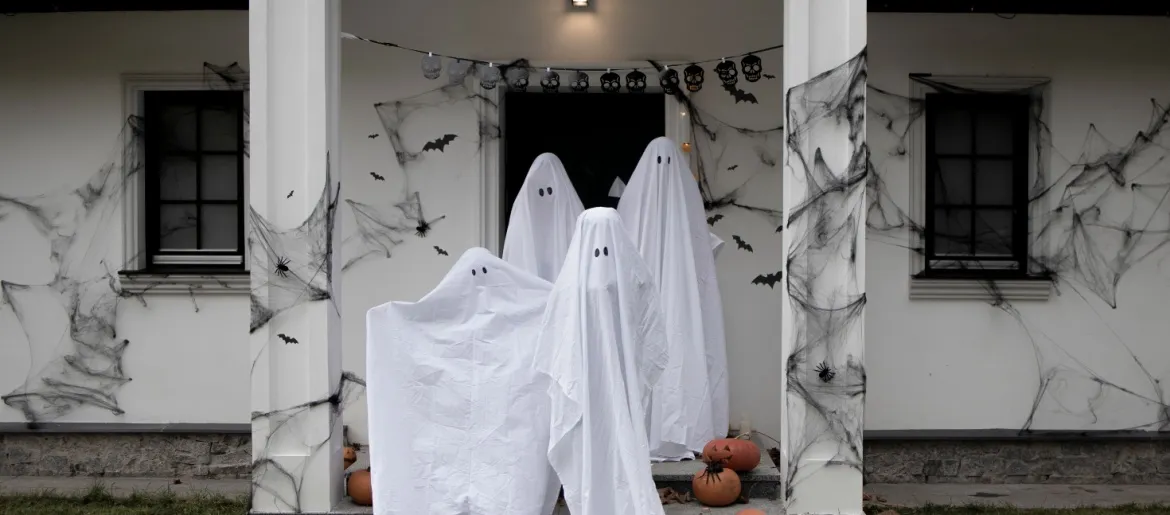
How Much Does Halloween Really Cost in 2026? Plan Wisely to Avoid the Scare of Hidden Costs
Americans’ love for Halloween is almost frightening — this year alone, we are on our way to spending $13.5 billion, according to data from the National Retail Federation(opens in new tab). That breaks down to about $115 Halloween costs per person, a whopping 49% more than 10 years ago.
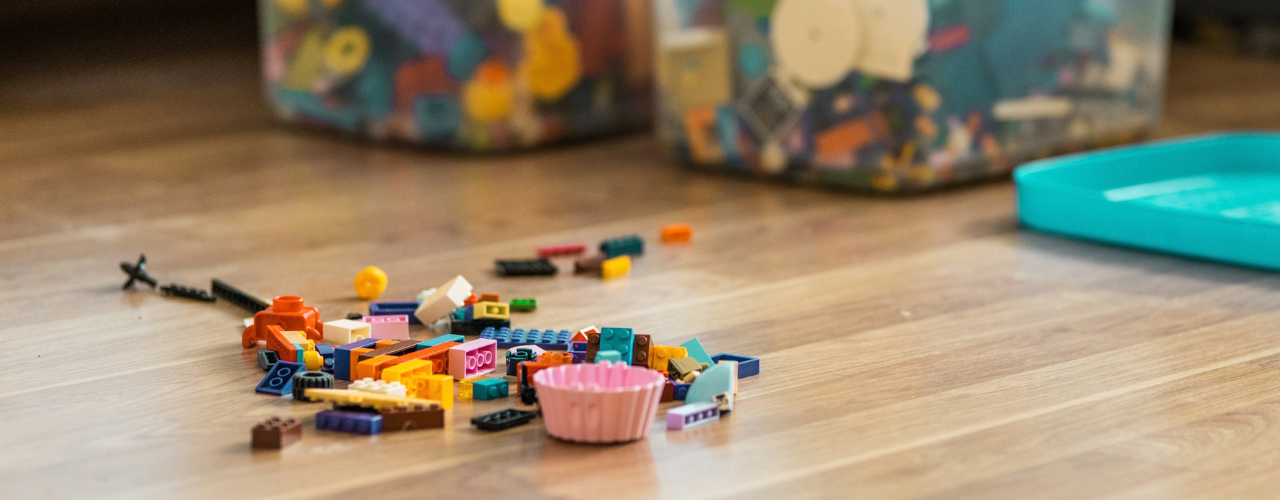
How to Store LEGOs: All the Fun, None of the Clutter
How to store LEGOs largely comes down to how your household uses them. If the bricks are part of everyday play, you need a setup that keeps them within easy reach and makes cleanup quick (for your feet’s sake, at least). Toy storage(opens in new tab) such as simple bins, playmats or containers that children can put away themselves may be enough. Larger or more serious collections usually need more organization, such as labelled drawers for loose pieces, trays for unfinished builds, shelves for completed models and separate storage for retired sets.

Cardboard Costume Guide: Tips and Ideas for a DIY Halloween
Whether for kids or adults, cardboard costume ideas often make the biggest splash once materialized, and that’s for a simple reason: doing a lot with a little is a universally impressive feat (especially in this economy). If you don’t have enough boxes you could temporarily repurpose, don’t worry! There are many places where you can find free moving boxes(opens in new tab), from stores and supermarkets to online groups and recycling drop-off spots. On the run? Try your luck at a self storage(opens in new tab) facility that sells moving supplies, often for cheap. This way, you can choose moving boxes of different shapes and sizes(opens in new tab), so you can make your costumes as complex as you want.

How to Celebrate Halloween: 9 Non-Spooky Ways To Enjoy It
As soon as October starts, it’s the official Halloween month. And while for many people it means it’s open season to get the scare of a lifetime, others, especially families with small children, might prefer to celebrate in a tamer way that’s both kid- and adult-friendly. While you’re likely to find more events where the spook factor is high, here’s how to celebrate Halloween in a not-so-scary way:

Motorcycle Storage Guide: How to Store Your Bike Safely
Motorcycles may be born to be wild, but eventually even the wild ones need somewhere to park. Whether riding season is winding down or your current living situation comes with plenty of square footage for you and less for your bike, motorcycle storage is one of those parts of ownership that doesn’t get as much airtime as the open road.

Halloween Decorating on a Budget (And Cheap Ideas for Everything Elsee)
Halloween has crept a long way from its eerie origins. While All Hallows’ Eve has transformed through the centuries, it wasn’t until the 1930s that trick-or-treating became a tradition in the U.S. and businesses began conjuring up mass-produced Halloween costumes. Now, Halloween is a monster-sized, billion-dollar industry, with a cauldron full of costumes and decorations ranging from the mainstream to the macabre. But is it all really worth your wallet? Maybe, but we’ll let you in on a little secret: You can keep your Halloween decorating on a budget and save on everything else, too. Take this plan and see it through!