
How Much It Costs To Furnish A Top-Notch Patio And How It Can Be Kept In Shape All Year Round

A patio is like the cherry on top of a cake, the final touch when creating a cozy and welcoming home. It not only makes your backyard more enjoyable, but it also increases your house’s market value. Whether you want to soak up the sun or have a fancy dinner party under the starry sky, a patio – no matter how big or small – is a lifestyle enhancer and a home beautifier.
You can create your own lush green patio or a simple spot to dine al fresco, depending on your preferences, lifestyle and budget. We talked to landscaping professionals, builders and homeowners who recently constructed or renovated their outdoor chill space, finding out how much it costs to furnish a top-notch patio, so you don’t have to.
The value of a patio for your home
A patio can make your home more comfortable and spacious as it gives you a place to unwind and have fun outdoors. In addition, a high-quality one can boost your home’s value by as much as 25K.
But what makes a patio a winner? There are several factors that can affect its appeal and functionality, such as size, shape, design choices, the materials used and, of course, the furniture you put there. A well-designed patio should match the style and colors of your home, as well as complement the surrounding landscape.

To make sure your patio stays looking good come rain or shine, choose materials that are strong and sturdy, like concrete, brick, stone and wood. It should have enough space for seating, dining and entertainment, as well as providing shade and lighting for different times of the day.
Don’t overlook the finishing touches. Your patio can become a cozy and welcoming space with some suitable ornaments, such as plants, flowers, fountains and sculptures that add charm and tranquility.
The final cost may well vary depending on your location, brand preferences and specific designs, not to mention any discounts you can find — please note that the following figures are only rough estimates. Always get quotes from different retailers and compare product quality, reviews and warranty options before buying.
Garden furniture: the cost of your dream patio set
Cost range for teak table and chairs: $1,500 – $15,000
Making somewhere to sit and dine will be a top priority for your patio. If you are a new homeowner or are looking to spruce up your old patio, you will want durable and stylish furniture. So, it’s worth investing in a high-quality set of garden tables and chairs that will last for years.
If you are short on space, go for items that can be folded when not in use, a rattan set with two chairs and a coffee table, or a good old “conversation set” for maximum lounging and chatting. Depending on the layout, style and surface area of your patio — not to mention how many people will be sitting there — you might consider an all-season dining set, classic iron or steel dining furniture, an outdoor sofa or an elegant lounger.

We found out from Kyle Leman, the owner of Crossroads Foundation Repair, that teak is the way to go if you want a top-notch patio set that will last for a lifetime: “High-end patio furniture sets made from premium materials like teak, wrought iron, or high-quality outdoor fabrics can cost $1,500 to $5,000 or even more. These sets often come with intricate designs, durable materials, and may include luxurious features like built-in fire pits or high-end upholstery,” says Kyle Leman. Costs may reach $15,000 or more if you’re choosing designer furniture.
But is it worth the investment? Melanie Musson a home decor expert with Clearsurance.com confirms: “It’s expensive but requires minimal maintenance and should last long enough that you won’t need to purchase replacement furniture. ”
If your budget is tighter, there are plenty more affordable alternatives: “A basic furniture set (table and chairs) can start at around $200 to $500 for budget options. Mid-range sets can range from $500 to $1,500 or more, depending on materials and brand,” says Kyle.
A firepit is not just a luxury but a necessity for your patio
Cost range: $250 – $3,000
Why do you need a firepit? Well, it is a focal point of your patio, where you can gather with your family and friends, warm up on crisp evenings, share stories and laughter, and roast marshmallows and hot dogs. It creates a spellbinding setting that draws people together.

The cost of a firepit depends on various factors, such as its size and design, plus the fuel type and materials used. Christen Costa from GR Lawn & Garden says you can expect to spend somewherein the range $250-$500 if you’re going for cheaper options. “On the more expensive end of things, you can expect to spend anywhere between $1,500-$3,000,” she said.
Going DYI can also help shave off a good few bucks, especially if you are on the crafty side. But it’s no easy job, so better get ready for the challenge with a thorough plan. You can see here how to build a firepit courtesy of Lowe’s.
Cover your patio to enjoy it year-round, rain or shine
Cost range: $5,000 – $15,000
Covering your patio will allow you to enjoy your outdoor space in any weather. You’ll never have to miss out on outdoor fun because of the sun or the rain.
Homeowners should expect to spend a little more on a covered patio, but the investment increases the value of the home, as confirmed by Jeremy Yamaguchi from Lawn Love: “Covering a patio with a pergola can be pretty pricey, with the average homeowner usually spending between $5,000 and $15,000. The size of the patio and the materials used for the cover have the biggest impact on the price.”
Even if it’s on the pricier side, it’s a wonderful addition to your patio for several reasons: ‘it helps provide shade, cooler temperatures for lounging, and can even extend the lifetime of your patio furniture. It can also increase the value of your home, which is a consideration for the addition” says Jeremy.

The kind of awning you choose affects the cost as well. Ben Esman from mybackyardlife.com added: “A manual retractable awning is easier on the pocket than a motorized one. As for pergolas, cedar or pressure-treated pine can offer a sweet middle ground between cost and durability.”
Recycled materials can be bought for a song and add a touch of personality to your patio: “every material tells a story. While in Tuscany a few years back, I saw pergolas made from reclaimed wood — beautiful, rustic, and oh-so-eco-friendly! added Ben.
Protect your privacy or conceal unsightly items in your backyard with wooden panels
Price range: $40-$300/ panel
Wooden panels are wonderful for several reasons. They offer a rustic and cozy look, add warmth and texture to your outdoor space, and create an inviting atmosphere for your guests. Not only aesthetically pleasing, they are also practical and durable. They can provide privacy, insulation and protection from the elements, all the while complementing the style and color of your patio furniture and accessories. Wooden panels are easy to install and maintain, and they can last for years to come with proper care. Whether you choose cedar, pine, oak or bamboo, wooden panels can transform your patio into a charming oasis.

The cost of wooden panels depends on their size and design, the type of wood used, and how they need to be installed. For example, “economy, basic treated wood panels cost $40-$80 per panel, while mid-range to high-end cedar, redwood, or designer panels: $100-$300+ per panel,” according to Gene Caballero at GreenPal.
Add a dash of magic to your patio with string lights
Price range: $20-$200 / string
Lights can enhance your patio with various designs, such as Edison-style, globe or lanterns. String lights are not only a source of illumination but also a source of inspiration. When you see a string of lights twinkling above your head, you feel a sense of calm and happiness as you sit down and enjoy the night air. They add a dash of magic and create a festive atmosphere for your holidays and birthday parties, not to mention that they create romantic moments for newlywed couples.

String lights are also easy to install and maintain, as they are usually weatherproof and durable. You can hang them using various methods, such as screw hooks, zip ties, or fishing line.
We found out from Jeremy Yamaguchi at LawnLove that “outdoor string lights are usually pretty inexpensive.” Gene Caballero from Green Pal added that “basic LED string lights average between $20-$50 per string, while heavy-duty or commercial-grade lights will set you back $60-$200 per string.”
Brighten up your outdoor space with some vibrant potted plants
Price range: $20-$500 each
Your patio is incomplete without some fresh herbs, flowers or shrubs. Plant pots are a wonderful way to adorn the space and an easy way to promote fresh air, calm your nerves and connect with nature. If you are lucky enough, your plant pots can lure birds, butterflies and bees into your garden, creating a natural environment buzzing with life.

How the plant pots look is not the only thing that matters, they also influence the plant’s wellbeing. Ben from mybackyardlife.com adds: “The material of the pot can impact root health. While I adore ceramic pots for their aesthetics, they can be heavy and pricey. Resin or fiber stone pots, while not traditional, are lightweight and resilient.”
The size and quality of the planters affect the growth of flowers, but they come with a hefty price tag. Melanie from Clearsurance.com confirms: “A 24-inch pot could cost about $100 or more. Twelve-inch annual planters will tend to cost between $30 and $40.”
The cost of high-end designer or large ornate pots ranges between $100 and $500+ each, according to Gene Caballero from GreenPal.
How much does it cost overall to furnish a top-notch patio?
Many homeowners dream of having a cozy and inviting outdoor space where they can relax and entertain guests. However, creating such a space can be a challenging and costly project, depending on the size, design, and features of the desired patio.
According to Ivo Iv from Décor Home Ideas, “the entire transformation, including the furniture, firepit, patio cover system, pergola, wooden panels, strings of light, and plant pots, cost us around $25,000.”
Patio furniture is not just a functional accessory for outdoor living, it is also a creative expression of personal style and taste: “Furnishing a patio is more than just a project; it’s an artistic endeavor that breathes life into outdoor spaces. The costs vary widely, but creativity and thoughtful planning can make any budget work,” Ivo added.
How to winterize your patio
After investing thousands of dollars in creating the perfect top-notch patio, you should also dedicate some time and care to ensure your items there are protected during the winter.
Winterizing your patio is a good way to protect outdoor furniture, plants and accessories from harsh weather conditions. It can also help you save energy and money, as well as extend the life and beauty of your outdoor chill space.
 Checklist for winterizing your patio
• Wash your patio furniture and cushions and keep them in a safe and dry place such as a garage, shed or basement. If you run out of space indoors, you can also wrap them with covers that are water-resistant, or even better, keep them in a storage unit close to home.
• Take any plants that are too delicate to withstand the winter and move them indoors or to a greenhouse. You can also insulate the pots with bubble wrap or burlap to protect them from the cold. For plants that can remain outdoors, make sure they have proper drainage and mulch to avoid root rot.
• Inspect your patio surface for any flaws, such as cracks, gaps or weather damage, and fix them as soon as you can. You can use caulk, sealant or filler to repair any problems. This will stop water from getting in and freezing, which can worsen the damage and create safety risks.
• Add some winter charm and color to your patio with evergreen plants, berries, pinecones, wreaths or lights. You can also use some outdoor rugs, pillows or blankets to make a cozy and inviting atmosphere.
• If you have a fire pit, grill or heater on your patio, make sure they are clean and in good working condition. You can also shield them with protective covers when not in use. These items can provide warmth and comfort on your patio during the winter months.
• If you have a sliding patio door, you can also winterize it by installing weather stripping, caulking or insulation around the edges. This will prevent drafts and heat loss and improve the energy efficiency of your home.
Keep your patio furnishings safe and sound in self storage during the winter
If you want to preserve the beauty of your patio furnishings and enjoy them during the years ahead, you may want to store them in a self storage facility during the winter. Self storage is a convenient and affordable option that can protect your patio furnishings from harsh weather conditions such as snow, ice, rain, wind and UV rays. These elements can cause your patio furnishings to fade, crack, rust or rot, reducing their lifespan and appeal.
By keeping your patio furnishings in self storage, you can avoid these problems and keep them safe and sound. Self storage units are secure, climate-controlled and accessible, so you can have peace of mind and easy access to your patio furnishings whenever you need them. You can also check out the storage unit size guide to better understand what type of unit suits your needs and budget.


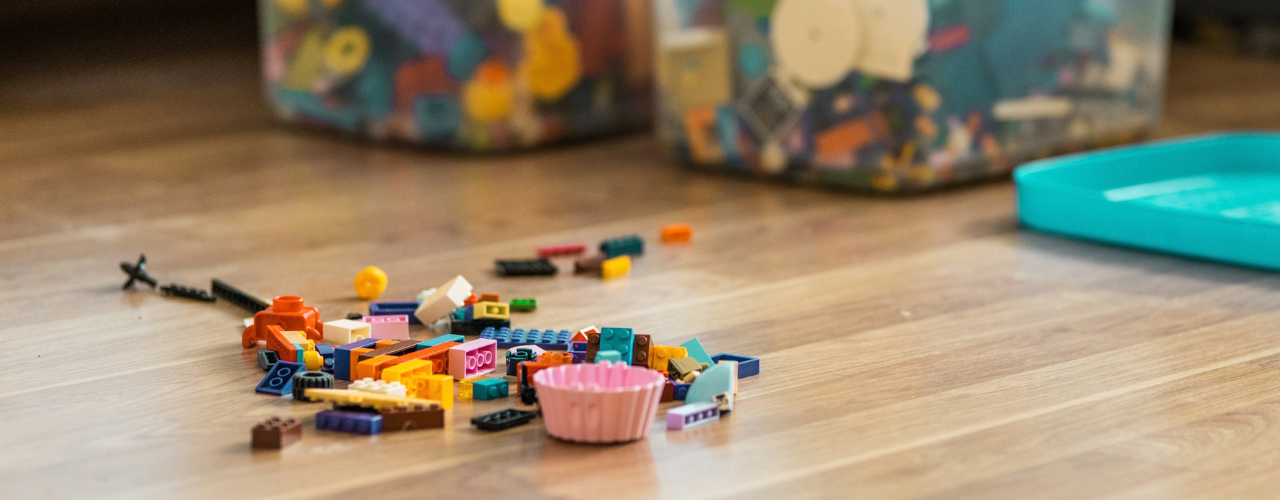
How to Store LEGOs: All the Fun, None of the Clutter
How to store LEGOs largely comes down to how your household uses them. If the bricks are part of everyday play, you need a setup that keeps them within easy reach and makes cleanup quick (for your feet’s sake, at least). Toy storage(opens in new tab) such as simple bins, playmats or containers that children can put away themselves may be enough. Larger or more serious collections usually need more organization, such as labelled drawers for loose pieces, trays for unfinished builds, shelves for completed models and separate storage for retired sets.

Cardboard Costume Guide: Tips and Ideas for a DIY Halloween
Whether for kids or adults, cardboard costume ideas often make the biggest splash once materialized, and that’s for a simple reason: doing a lot with a little is a universally impressive feat (especially in this economy). If you don’t have enough boxes you could temporarily repurpose, don’t worry! There are many places where you can find free moving boxes(opens in new tab), from stores and supermarkets to online groups and recycling drop-off spots. On the run? Try your luck at a self storage(opens in new tab) facility that sells moving supplies, often for cheap. This way, you can choose moving boxes of different shapes and sizes(opens in new tab), so you can make your costumes as complex as you want.

How to Celebrate Halloween: 9 Non-Spooky Ways To Enjoy It
As soon as October starts, it’s the official Halloween month. And while for many people it means it’s open season to get the scare of a lifetime, others, especially families with small children, might prefer to celebrate in a tamer way that’s both kid- and adult-friendly. While you’re likely to find more events where the spook factor is high, here’s how to celebrate Halloween in a not-so-scary way:

Motorcycle Storage Guide: How to Store Your Bike Safely
Motorcycles may be born to be wild, but eventually even the wild ones need somewhere to park. Whether riding season is winding down or your current living situation comes with plenty of square footage for you and less for your bike, motorcycle storage is one of those parts of ownership that doesn’t get as much airtime as the open road.

Halloween Decorating on a Budget (And Cheap Ideas for Everything Elsee)
Halloween has crept a long way from its eerie origins. While All Hallows’ Eve has transformed through the centuries, it wasn’t until the 1930s that trick-or-treating became a tradition in the U.S. and businesses began conjuring up mass-produced Halloween costumes. Now, Halloween is a monster-sized, billion-dollar industry, with a cauldron full of costumes and decorations ranging from the mainstream to the macabre. But is it all really worth your wallet? Maybe, but we’ll let you in on a little secret: You can keep your Halloween decorating on a budget and save on everything else, too. Take this plan and see it through!

Moving From a House to an Apartment: What to Expect, How to Downsize & How Self Storage Helps
For some, moving from a house to an apartment is a financial decision. For others, it’s about simplifying life. Maybe the kids have moved out and half the house sits empty, or you’re approaching retirement and no longer want to spend weekends on repairs. Or perhaps you’ve been weighing the cost of buying a home and wondering whether renting simply makes more sense right now.

Family Heirlooms Overload: How to Handle Family Inheritance Without Regret
Handling family heirlooms after a loss requires managing legal authority, emotional pressure and practical logistics at the same time, and the order you take them on matters more than most people expect.
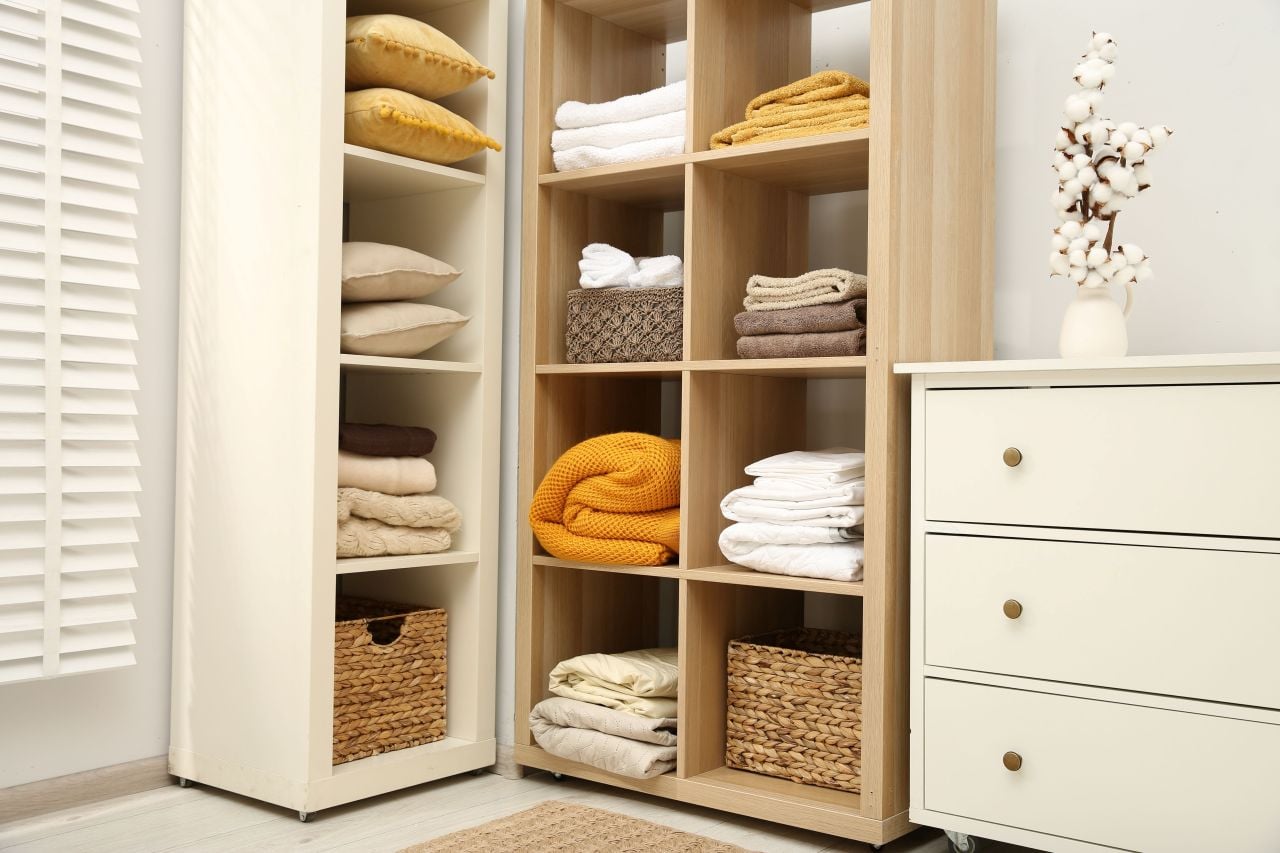
Blanket Storage: The Right Method for Every Space and Season
Blankets make our lives cozier, and storing them well is what keeps them soft and comfortable in the long run. Knowing how to store a blanket properly means your favorites come out of storage smelling fresh, feeling the same as when they went in, and lasting years longer than they otherwise would.

Board Game Storage Ideas That Keep Your Collection in Fighting Shape
Nobody warns you that getting into board games usually unlocks a second hobby, the much dreaded one that includes figuring out where on earth to put them. One game becomes a few, expansions start spawning beside their base boxes and before long, board game storage requires as much strategy as whatever is waiting on the other side of those lids.