

In 1951, Lewis Fry Richardson had a problem. While studying the length of the border between Spain and Portugal, he found that the two countries were reporting different results. This was due to differences in measuring standards employed – the smaller the ruler, the greater the overall length. This phenomenon is called “the coastline paradox,” and it centers on the idea that measurement is subjective. That might also be the case if we’re starting to wonder how much stuff does the American household have. What some might consider a lot might be the norm for others. The same can be said about the things inside our homes.
Let’s take a deeper dive into this topic and see how much stuff people actually have in their homes and what they can do when they have too many possessions.
How many items are there in the American household?
To say our homes have a lot of things is probably an understatement. But how many are there, really? To find out, let’s decide on a way to count them. For instance, is a box of matches one item or 100? Is a box of rice one item or 2,000? Most people would agree they are each one item. But what about a toolbox filled with tools? What about a three-piece suit? Does furniture count? Do drapes?
One thing is sure, though: there is no clear-cut consensus on how we should count the items in our home, so it’s hard to come up with a number.
However, it’s been speculated that the American household houses close to 300K items. That’s according to both the LA Times and the Boston Globe. Of those items overall, about 70% of Americans own no more than 100 books. On the other hand, looking at a category with fewer items, the average American owns six pairs of shoes.
How much do we spend for the items inside our homes?
There are basic expenses such as rent or home mortgage, utilities, groceries and clothing. Others, on the other hand, are also useful, but perhaps fall lower on the scale of urgency. Think of furnishings and home décor. Americans spend, on average, 31K to furnish a 2-bedroom home. Costs can vary based on home size, from $3,500 for a one-bedroom to $95K for luxury furnishings in a three-bedroom or four-bedroom home. Looking at it from an annual budget perspective, people spent, on average, $2,700 on furniture in 2021, based on a consumer expenditures report issued by the Bureau of Labor Statistics. According to the same report, housekeeping supplies cost us about $800/year. Moreover, personal care products and services can shave $770 off the annual budget. Reading material can cost up to $114 per year.
In 2021, Americans made an average of 5 impulse buys per month, and e-commerce grew by an additional 14%. As lockdown measures loosened, the average household expenditure on entertainment shot up by almost 23%.

How cluttered is the average house?
Americans think their homes are cluttered. In fact, based on a survey by Talker Research for The Container Store, about half of Americans think that one of their rooms are cluttered beyond hope. That may not be surprising, considering we tend to buy a lot of things. At the same time, American homes are shrinking. A cursory glance at the average single family home size tells us that we get about 2,299 square feet of space for homes built in 2019. That’s 143 square feet more than in 2010. Household sizes, on the other hand, have stayed relatively the same, registering about 2.5 members per household, one of the lowest historically. For families with children, having a single family home might not be a lot of space. Families end up spending about $6,500 on toys for their children, according to the Toy Industry Association. To get a better idea of what that means, children end up playing with 70 to 100 toys at any given age, based on the same source.
Signs you have too much stuff
You might be wondering what having too much stuff means. Here are some signs indicating that you might do better with fewer belongings:
- Navigating your home is difficult – if passing through a room requires your full attention and caution, it may be a sign that there are too many things usurping your precious living space.
- You often buy duplicates by mistake – clutter leads to forgetting what things you have and where you put them. If you find this happens often, it may be a sign of clutter.
- You spend way too much time managing your home space – keeping things tidy should be a minor maintenance task. If you find yourself having to shuffle things around to make room on the recliner every time you want to sit down, it may be time to do a little organizing.
- You own items that you’ve never used or opened – sure, some items gain value over time if unopened. But those things should never be an active nuisance.
- You feel stressed at home, as if there’s always something that needs doing – do you have that nagging feeling that something always needs doing, but you can’t figure out what? Our environment is hugely influential on our state of mind. Doing a little cleaning and organizing can work wonders on your mental health.

Why clutter isn’t good for you
We already know that we tend to accumulate a lot of stuff in our homes. But when do belongings become too much? Ultimately, how much stuff we need is a matter of personal preference and choice. However, when belongings start to encroach on your living space, they might create clutter. As it turns out, clutter isn’t just inconvenient. It actually has negative consequences for your well-being, both mental and physical. Let’s take a look at how clutter can affect your life:
Clutter is expensive:
People with cluttered houses are literally shrinking the amount of usable real estate they have at home, getting less space for what they pay. Not only that, but clutter can lead to unnecessary duplicate purchases as people might forget whether they have certain items at home or not.
Clutter is inefficient:
Clutter leads to more time spent looking for things instead of doing what you love. The average American spent a total of 2.5 days per year looking for stuff in 2017.
Clutter is unhealthy:
A cluttered home hampers our ability to focus and creates stress. Clutter attracts dust and keeps it trapped inside for longer. Needless to say, this is bad for your lungs!
What stuff do I really need?
In order to decide which items to keep, you have to judge your belongings by their usefulness to you or to others. Here are a few questions to ask yourself when decluttering:
- How often do I use this item? – If it’s less than once every 1-2 months, it’s probably better off stored somewhere else. There’s no reason why the Christmas decorations should be taking up space in your closet for 11 out of the 12 months.
- Do I need this item, or can its function be fulfilled by something else I already own? – When it comes to making new purchases consider whether the item you’re contemplating buying has a true functionality that no other item you already possess has. This might make you reconsider before adding that breadmaker to your online shopping cart.
- Can someone else use this item? –If you’re deciding to part with some items, you can put them into the “donate” pile. Goodwill stores and charity foundations gladly accept donations. Make sure that belongings are in good shape, functional and gently used.
The 3 Best Quick Tips For Decluttering:
If you’re ready to part with some things to make your living space more manageable, here’s what you need to do:
- Sort things into 3 piles:
- keep
- sell/donate
- toss

2. Label Everything – We don’t have X-ray vision like Superman, unfortunately. Until we do, label every container you keep things in.
3. Do a yearly inventory – Take note of the things in your house. This will help you assess which items you use frequently and which items would be better off stored somewhere else.
Turn to self storage to help you manage your belongings
Sometimes, even after sorting your items and organizing everything, you may find your home is not able to accommodate all your belongings. To stay away from clutter, you can put them in storage. A storage unit is perfect for things that typically see seasonal use, such as clothing, décor, outdoor gear and more. You can also keep sensitive items such as art collections and musical instruments in a climate-controlled unit that helps to preserve their qualities.

You can start with a 5’x5’ unit to keep some clothing and a few decorations, but you should probably upgrade to a 5’x10’ or a 10’x10’ unit if you have more items. If you’re not sure which unit is ideal for your needs, you can consult this unit size guide.
As far as cost goes, renting a storage unit varies greatly based on location. Let’s take a look at how some cities fare in terms of self storage prices:
[vc_column width=”1/3″][vc_column_text]
[/vc_column_text][/vc_column]
[vc_column width=”1/3″][vc_column_text]
[/vc_column_text][/vc_column]
[vc_column width=”1/3″][vc_column_text]
[/vc_column_text][/vc_column]
American homes clearly have a bit more than they should in terms of household items, but decluttering and sticking to essentials – whether you’re a minimalism fan or not – can help you get a handle on your possessions and ultimately live a more fulfilling life.
So finally, how many items does the average American own? The simple answer is too many!


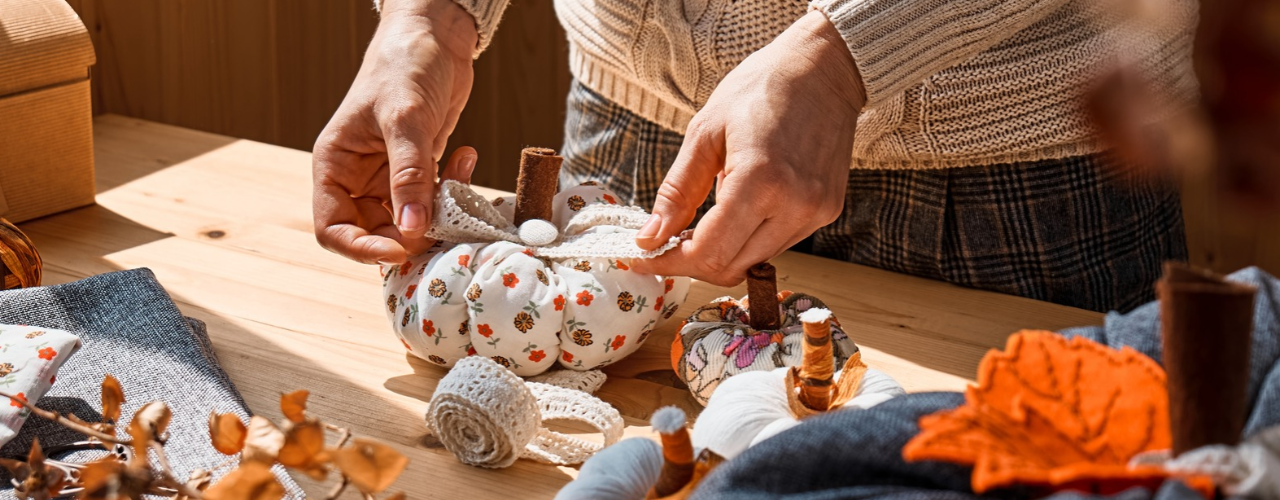
Scary Good DIY Halloween Decorations That Won’t Haunt Your Wallet
A few floating candles in the hallway, a family of ghosts by the front door and a suspicious number of bats climbing up the bedroom wall can make October feel a whole lot spookier. While Halloween stores are full of tempting finds, some of the best DIY Halloween decorations can come from things you already have tucked away in drawers, closets or the recycling bin.

Suburban Giants and Urban Risers: Where America’s 100 Largest Metros Fall on the Self Storage Map
Self storage has long been a suburban story. Across America largest 100 metros, 59% of the inventory built over the past decade sits outside city cores, largely preserving the ratio of the total existing inventory.
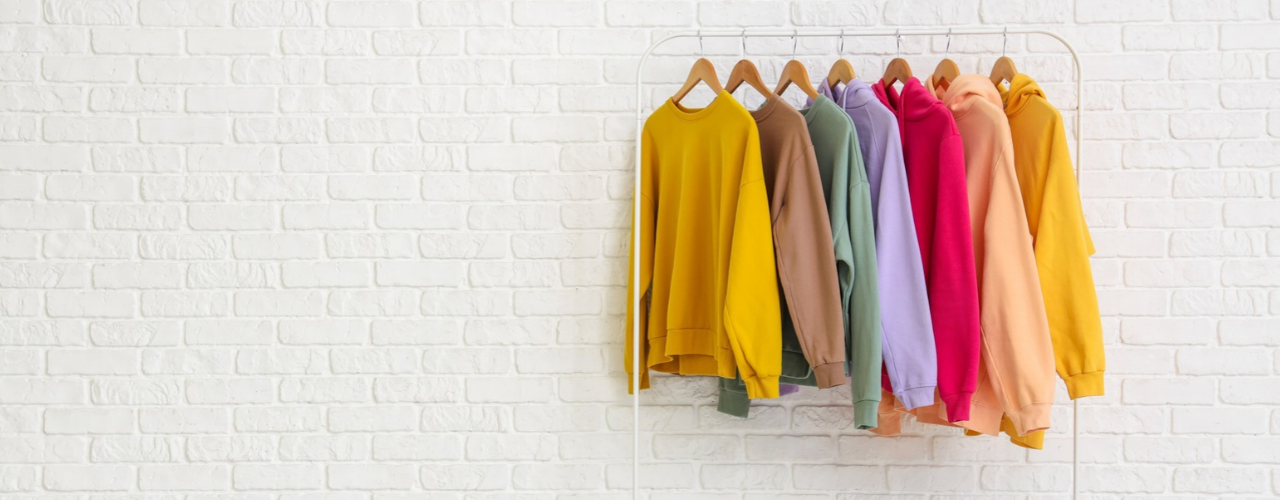
Sweatshirt Storage Ideas Worth Keeping Up Your Sleeve
Sweatshirts are great until you realize how much room they take up. A few thick hoodies can fill a drawer fast, with lighter crewnecks getting squashed underneath or pushed somewhere you forget about. Good sweatshirt storage can make that pile much easier to manage without requiring a bigger closet.
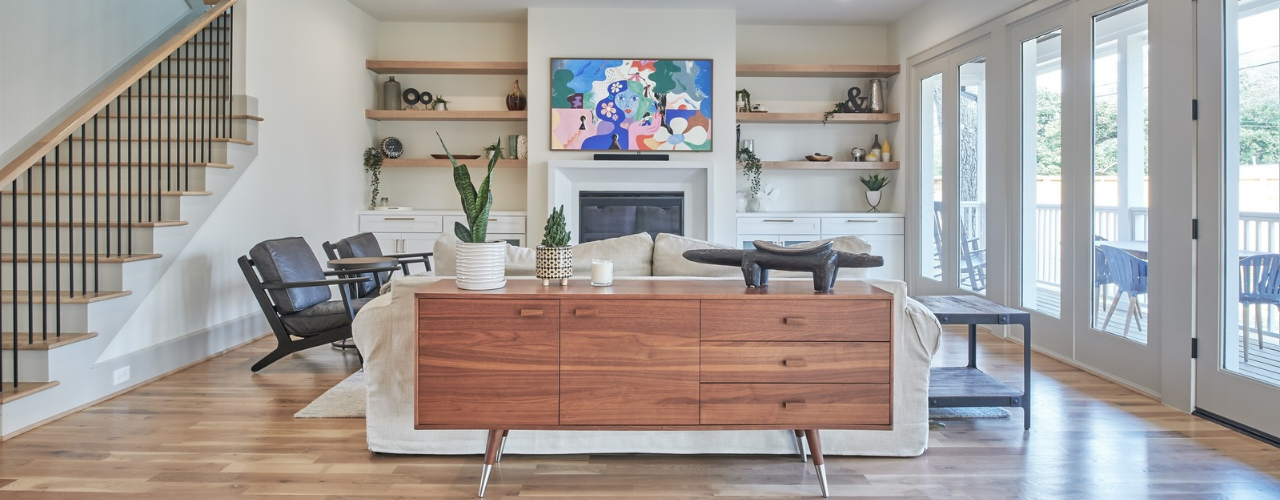
Living Room Storage Ideas: 28 Ways to Reclaim Your Hosting Space
If a living room is where most of a household’s living happens, good storage should be the top priority for setting up or revamping the place. After all, think of how easier it would be to have people over when tidying up the place is just a matter of putting things in their right place (in a time when fewer and fewer people are entertaining friends at home(opens in new tab)). The trick is making room for all those wayward clothes, blankets, chargers and other small things that end up on (or, inexplicably, in) the sofa. Here are 28 living room storage ideas to get you started and make tidying up a quick affair.
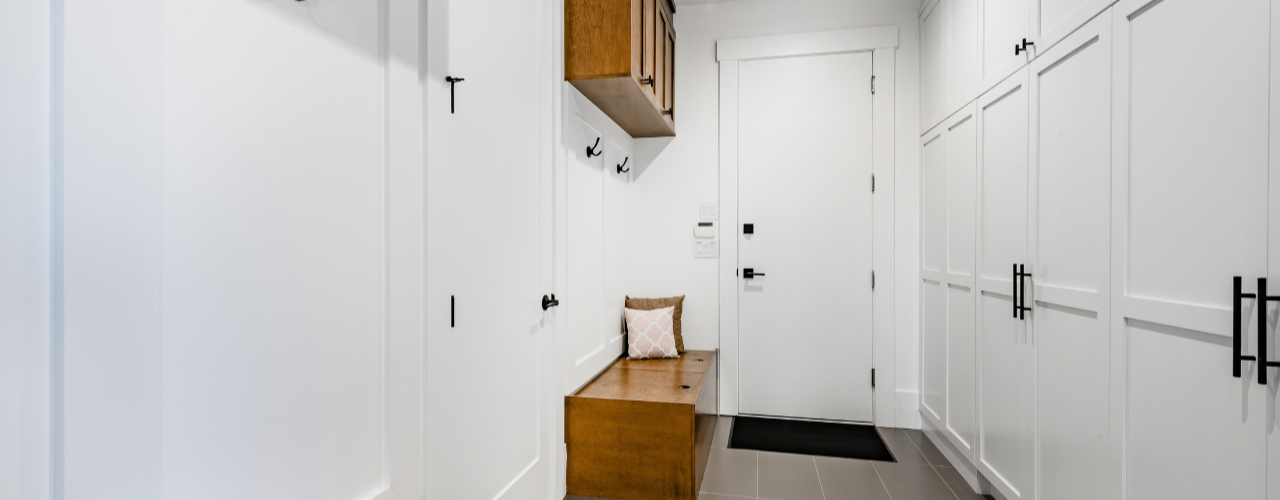
25 Mudroom Storage Ideas (And Mistakes to Avoid)
When you come home with muddy boots, an armful of bags and a coat you can’t wait to take off, it’s nice to have somewhere to put it all. With a mudroom, you can leave the outdoor mess at the door instead of carrying it through the house. Traditionally, you’d set aside a separate room, but you can just as easily use a hallway, an entryway closet, a laundry-room corner or a stretch of wall near the entrance.
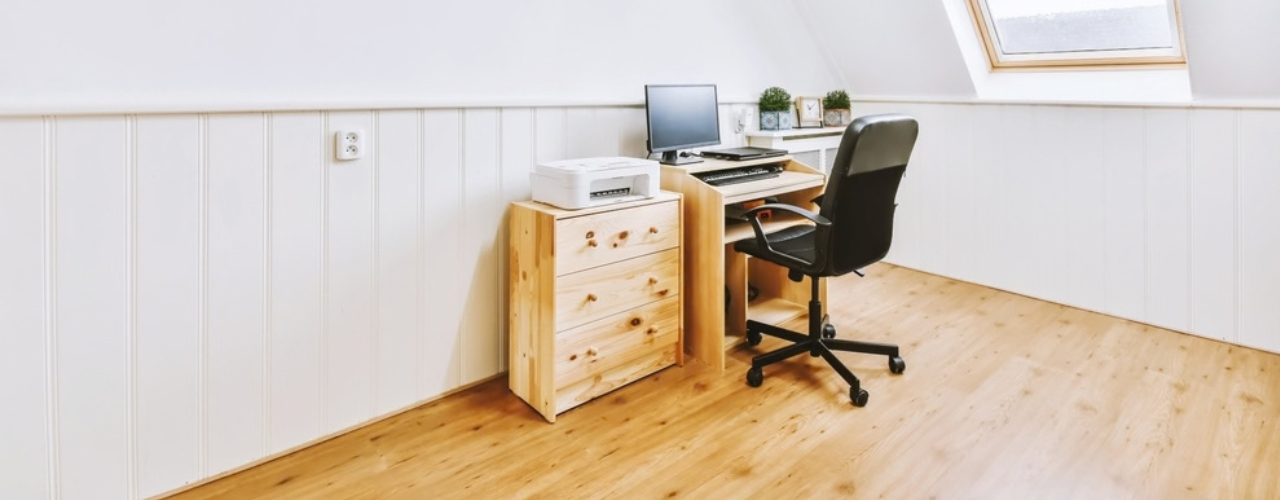
Is Your Home Office Worth the Rent? What Coworking and Self Storage Could Save You
Every square foot of your apartment comes with a price tag, and a home office claims more of them than most renters expect. It starts with a desk. Then come the second monitor, the printer, the filing cabinet and the overflow boxes. Before long, the corner you set aside for work has turned into a small room you are paying for every month.
Best U.S. Cities to Live Uncluttered: Plano, TX, Offers the Most Room to Breathe
Clutter is in our homes as much as in our heads. Both are shaped by where we live.

America’s Top Snowbird Destinations for 2026–2027: Florida Leads in Numbers, Texas Wins on Value
For Americans living in colder states, the approach of winter is reason enough to start looking south. Cold weather carries costs that go beyond the heating bill and shoveling snow. Seasonal affective disorder(opens in new tab) is far more prevalent in northern states, so a temporary move south isn’t simply an escape from the cold, but a chance to spend the hardest stretch of winter outdoors and in the sun.

How Much Does Halloween Really Cost in 2026? Plan Wisely to Avoid the Scare of Hidden Costs
Americans’ love for Halloween is almost frightening — this year alone, we are on our way to spending $13.5 billion, according to data from the National Retail Federation(opens in new tab). That breaks down to about $115 Halloween costs per person, a whopping 49% more than 10 years ago.