

The independent city of Baltimore, Maryland, is located at the mouth of the Patapsco River as it runs into Chesapeake Bay. Rich in history, more than a third of the buildings in the city are designated as historic in the national register. Nowadays, it’s a financial, educational and cultural hub, as well as a tourist hot spot.
1. How big is Baltimore?
Baltimore covers a total area of around 92 square miles and is the largest independent city in the U.S. It’s the principal city in the Baltimore Metropolitan Area, sometimes referred to as Central Maryland. The metro area covers an additional six counties, incorporating the communities of Columbia and Towson.
The city proper is officially divided into nine regions: North, Northeast, East, Southeast, South, Southwest, West, Northwest and Central. Each region is further divided into a number of neighborhoods, many of which are rich in history and boast distinct architectural styles.
2. What is the weather like in Baltimore, MD?
Baltimore enjoys a humid subtropical climate with four distinct seasons. Summers tend to be hot and humid, winters see cold temperatures and snowfall from December through March, while spring is generally the wettest season.
Whether it’s summer or winter, you can benefit from using self storage to keep sensitive items away from home. Furniture, appliances, musical instruments, books and other similar items can be put in a climate-controlled unit in Baltimore. This type of unit can be a great solution for items that are susceptible to damage from high humidity levels, such as photos, paintings, documents and wooden musical instruments.

Bench and gardens at Sherwood Gardens Park, in Guilford, Baltimore, Maryland
3. What’s Baltimore’s economy like?
A former industrial city, Baltimore’s economy has modernized over the past decades. The service sector is a major driver of the economy, while manufacturing also continues to thrive. In more recent years, the city has become a budding tech center, with rapid growth in the sector seeing Baltimore ranked as one of America’s “new tech hot spots.” Tourism also plays an important role, with millions of visitors taking in the historical sights each year.
A variety of businesses can make excellent use of self storage in Baltimore. Tech start-ups can use climate-controlled units as affordable server rooms, while tourism companies can use a standard unit to store anything from rental bikes to promotional materials. The city’s many manufacturing companies can also use self storage for overflowing stock.
4. Universities and college life in Baltimore, MD
Baltimore serves as a major educational hub, with 12 accredited 2/4-year colleges and universities and more than 100,000 students calling the city home. Across the city, you’ll find a mix of private and public institutes offering degree programs in everything from law to dance.
As is the case with student living, they get less living space, especially if they live in a dorm. If that is an issue, renting a storage unit in Baltimore is a great way to gain a few extra square feet. Shared dorms can feel much larger if each member chips in to pay for a shared storage unit for their extra clutter. Seasonal clothing, bulky bedding and other items that don’t see everyday use can sit in the storage unit. Moreover, students can also put their belongings in storage over the summer break instead of moving them back home, which can be both costly and logistically challenging. They can retrieve their items when the new college year starts in the fall.
5. Outdoor recreation in Baltimore, MD
With a wealth of waterfronts and parks, there are plenty of reasons to get out and about in Baltimore. Proximity to the sea makes water sports a popular choice, with sailing, canoeing, kayaking and stand-up paddleboarding as top choices. If you’re a boat owner, renting self storage in Baltimore provides you with a fantastic place to store your trusty vessel.
Golf lovers will also be pleased to hear that the city is home to a number of world-class courses. Meanwhile, the various city parks provide countless trails and paths for cycling or hiking, as well as beautiful places for picnics. Golf clubs, leisure gear and outdoor equipment can be kept safely in a storage unit.
6. How self storage can improve your relocation to Baltimore, MD
As a growing tech center and a city with a long and rich history, more and more people are choosing to relocate to Baltimore. More people choose to move to Maryland from Virginia than any other U.S. state. You can expect to pay a professional moving company between $3,300 and $3,600 to assist with the move. To save cash, you might consider doing it yourself, but if you’re moving a lot of belongings, this can be more time-consuming and stressful than you might expect.
Either way, renting a storage unit in Baltimore ahead of moving day is a great way to make the entire process run more smoothly. You can send your belongings to a storage unit near your home so that you don’t have to worry about them on moving day.
7. Finding your ideal home in Baltimore, MD, and making the most of your living space with self storage
The Baltimore skyline features a host of skyscrapers, many of which are residential. Apartments, as well as brick-and-mortar rowhouses and townhouses are also common in waterside neighborhoods such as Curtis Bay. Despite this, the majority of homes in Baltimore are mostly single-unit, while most condos and apartments located in downtown neighborhoods.
If you prefer single family living, you can find homes throughout the city, with a huge variety of architectural styles to choose from. Neighborhoods like the historic Cedarcroft feature various home styles, including Cape Cod, Dutch Colonial Revival, Tudor Revival, Georgian Revival, Bungalows and much more. If a historical mansion is a little outside of your budget, self storage in Baltimore can ensure your new apartment or home never feels cluttered.
Once you have found your ideal new home, you might discover that self storage can serve well beyond moving. If you’re working from home and need to set up a home office, household items from the area that got repurposed need a temporary home. You can put them in storage until you can use them again. Similarly, if you’re homeschooling your child, you also need room for furniture and other items from the area that’s become the homeschooling area, and a storage unit can help. Moreover, if you decide to take on a home improvement project, you can also turn to the service. Items displaced from the construction area can sit in storage instead of cluttering your home until the project is completed.
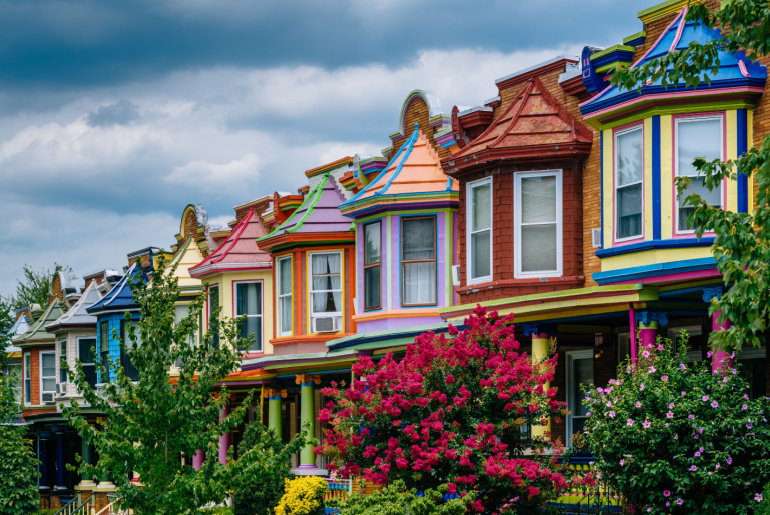
Colorful row houses on Guilford Avenue, in Baltimore, Maryland
8. Is Baltimore a good place to live?
Baltimore is a charming city, rich in history, that provides a small-city feel for those looking to flee big cities. The city has plenty of job opportunities and big-city amenities that include entertainment and access to outdoor activities, which offer a well-rounded living experience. Therefore, it’s not hard to see why living here is an attractive prospect. Here are two popular moving routes leading to Baltimore:
Moving to Baltimore, MD, from NYC
Moving to Baltimore from New York City comes with plenty of perks, including a lower cost of living. This means you can stretch your budget farther in Baltimore. With a job market rich in opportunities in tech, biosciences, health care and higher education, you’re likely to find well-paid jobs locally. You can also use the local transit system if you’re used to doing the same back in NYC.
Moving to Baltimore, MD, from Boston, MA
Both Boston and Baltimore are historical towns, which means you’ll be enjoying a familiar atmosphere, but for less. Baltimore homes cost, on average, about $180K, much lower than Boston homes. Baltimore has a lively arts, music and culture scene, with word-class museums, theater and vibrant music halls. With bike lanes, parks and waterways, it’s easy to lead an active lifestyle in Baltimore.
9. What are the self storage options in Baltimore, MD?
The self storage market in Baltimore has plenty of options to address the needs of residents and newcomers, too, with a total inventory of 4.2M square feet of self storage space. It’s a good idea to look for a storage unit in your neighborhood to make your trips to your unit shorter.
After finding the right facility, considering which unit size is right for your needs should be next. Most people rent a 10’x10’ unit, which can hold a couple of large pieces of furniture and appliances. If you’re looking to store seasonal décor and small outdoor gear, a 5’x5’ unit is ideal. If you have larger items, a 5’x10’ unit is probably better suited. For the contents of a one-bedroom apartment, a 10’x15’ unit can help. If you need to store your car, a 10’x20’ unit can fit a standard-sized vehicle. Moreover, for boating fans, a 10’x30’ can help you with your boat storage needs.
To find your Baltimore storage unit, check out the StorageCafe portal.



Moving From a House to an Apartment: What to Expect, How to Downsize & How Self Storage Helps
For some, moving from a house to an apartment is a financial decision. For others, it’s about simplifying life. Maybe the kids have moved out and half the house sits empty, or you’re approaching retirement and no longer want to spend weekends on repairs. Or perhaps you’ve been weighing the cost of buying a home and wondering whether renting simply makes more sense right now.
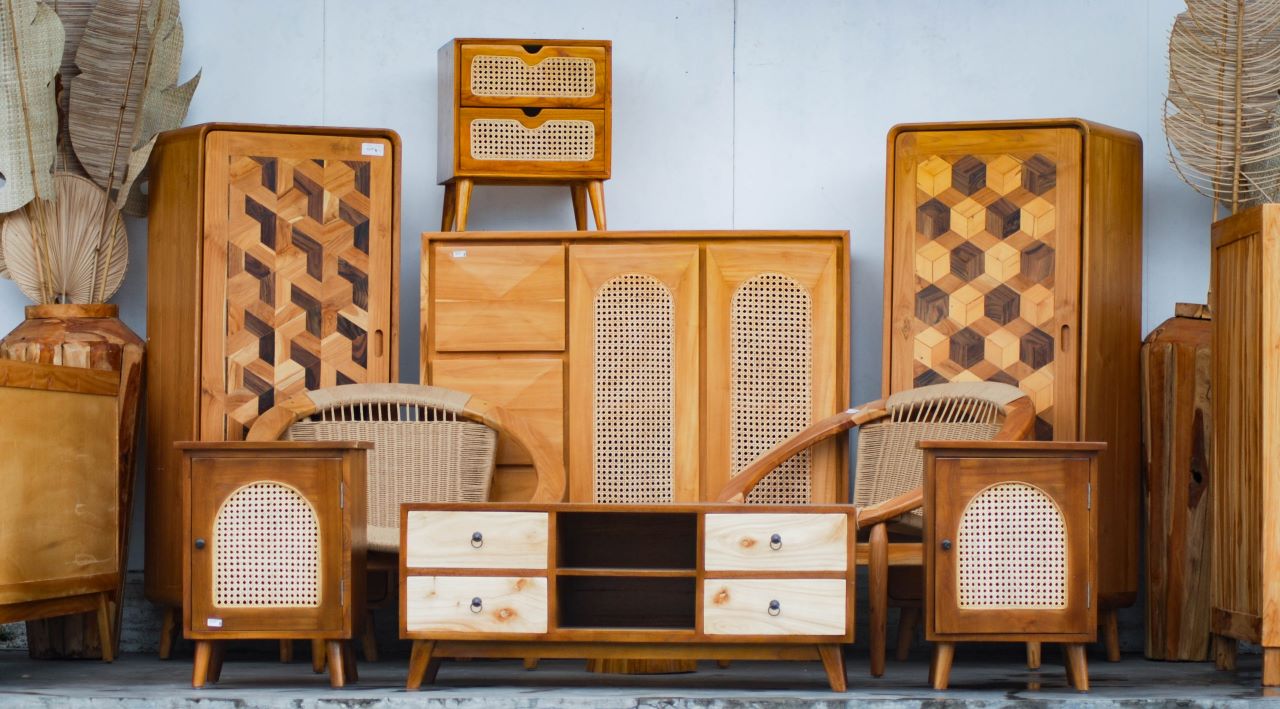
Family Heirlooms Overload: How to Handle Family Inheritance Without Regret
Handling family heirlooms after a loss requires managing legal authority, emotional pressure and practical logistics at the same time, and the order you take them on matters more than most people expect.
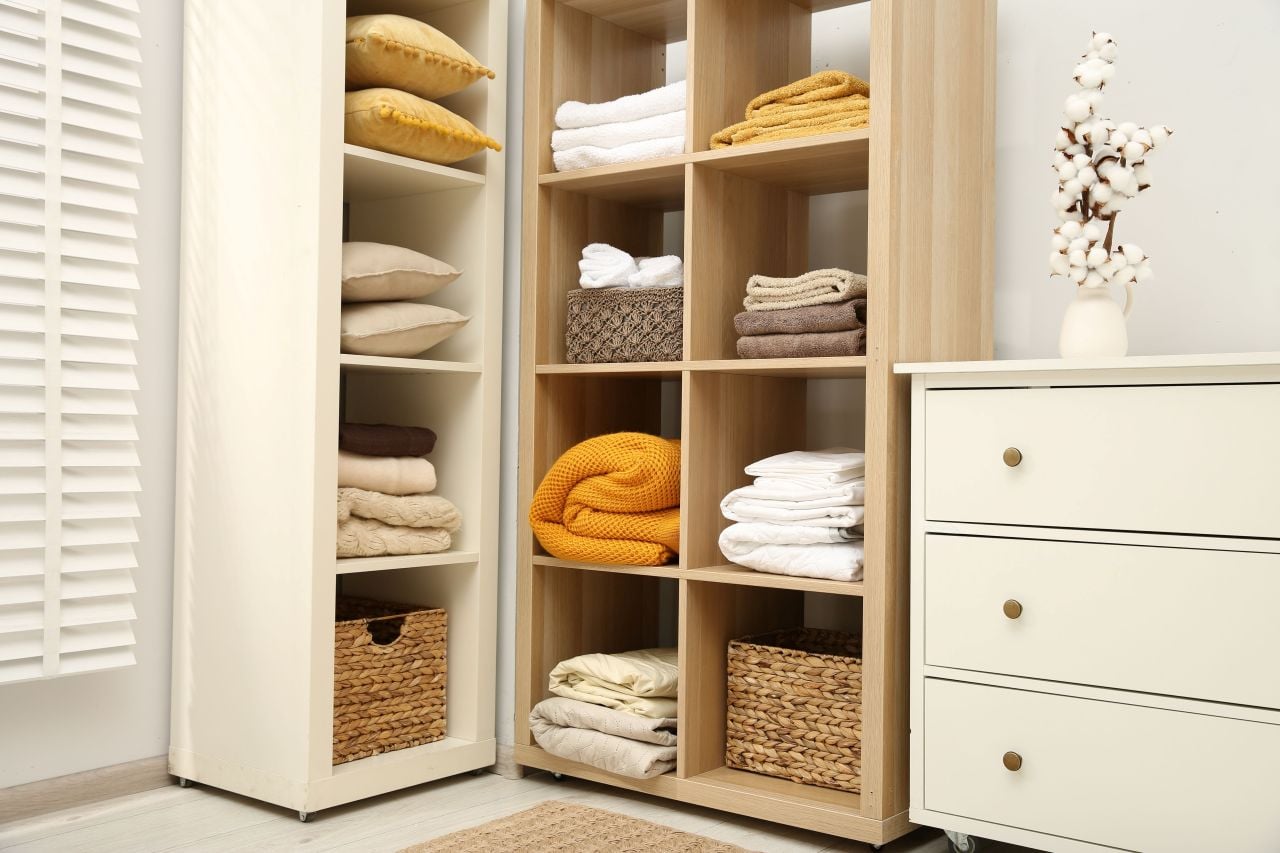
Blanket Storage: The Right Method for Every Space and Season
Blankets make our lives cozier, and storing them well is what keeps them soft and comfortable in the long run. Knowing how to store a blanket properly means your favorites come out of storage smelling fresh, feeling the same as when they went in, and lasting years longer than they otherwise would.

Board Game Storage Ideas That Keep Your Collection in Fighting Shape
Nobody warns you that getting into board games usually unlocks a second hobby, the much dreaded one that includes figuring out where on earth to put them. One game becomes a few, expansions start spawning beside their base boxes and before long, board game storage requires as much strategy as whatever is waiting on the other side of those lids.

Storage Locker vs. Storage Unit: What’s the Difference?
A locker and a unit may sound like two names for the same four walls and a lock, and depending on the storage facility, you may even see the terms used that way. However, once you start comparing available spaces, storage lockers tend to occupy the smaller end of the spectrum, while storage units(opens in new tab) give you considerably more room to work with.

Storage Ideas for Small Spaces: 9 Ways to Max Out Your Home
A messy home contains the seeds of its organization. Those seeds are everywhere: the space above doors, under beds, behind sofas and inside furniture can all become storage. Here are the best storage ideas for small spaces, so you can make the most of your cozy home.

Best U.S. Cities to Live Uncluttered: Plano, TX, Offers the Most Room to Breathe
Clutter is in our homes as much as in our heads. Both are shaped by where we live.
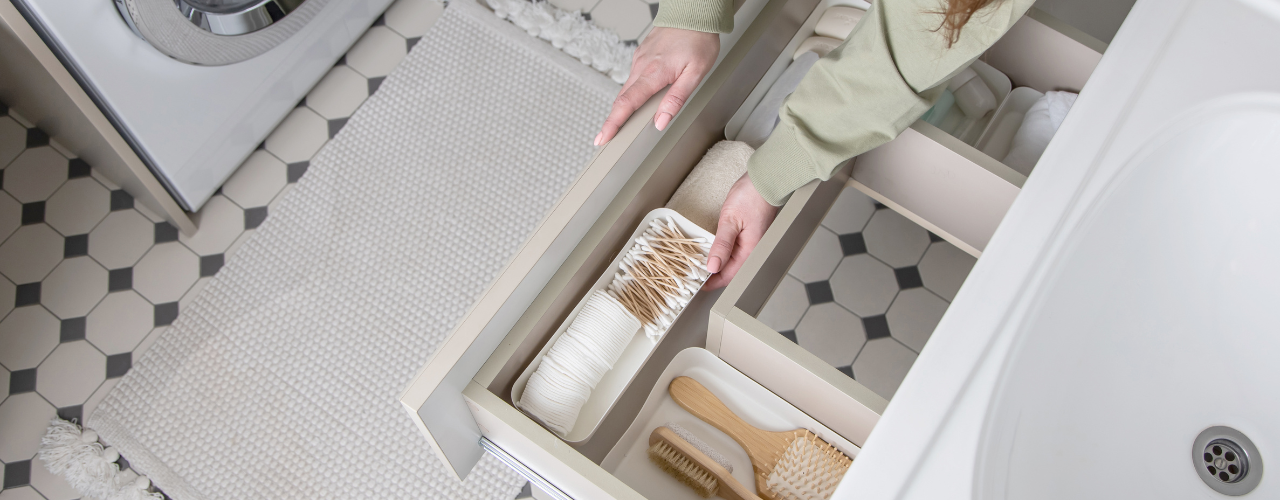
How to Organize Your Bathroom: 8 Ways to Stay Tidy
You already know why an organized bathroom is worth the effort, but let us remind you: it makes rushed mornings easier, keeps counters cleaner and just helps get you in the mood to go through your skincare routine like you should. Plus, in bigger households, it helps everyone find what they need. And you know how much a tidy bathroom counts for your self-esteem when a guest or a partner shows up. Luckily, you don’t need a degree to know how to organize your bathroom. The secret is keeping less, giving every item a home and making that home simple to use. Let’s go through some practical steps can help you create a bathroom that stays functional and nice to look at.

How to Use Silica Gel Packets for Storage
Moisture can cause significant damage to items in storage, leading to rust on tools, mold on clothing and warping in documents. Silica gel uses science to fix that. Often found in small packets inside product packaging, silica gel is a desiccant that absorbs moisture from the air, keeping your stored items dry and protected. This guide explains what silica gel is, how it works and how you can use it to preserve your belongings in self storage.