

Madison, Wisconsin’s capital city, is a quintessential college town, home to one of the country’s top public universities. For a town of less than 300,000, Madison has an economy and cultural activities that rival nearby big cities like Milwaukee and Chicago. The University of Wisconsin – Madison and the state capital dominate this mid-size city that’s also supportive of leading an active lifestyle. With its reputation as a place that attracts a well-educated populace, Madison is a city for anyone who wants an active and interesting lifestyle without the stress of a large metropolis. Here’s what to know about living in Madison, WI, below:
1. How big is Madison, WI?
Located in south-central Wisconsin, Madison is about 77 miles from Milwaukee and 122 miles from Chicago. The city stretches out over 94 square miles, with about 76 miles covering land and the other 17 miles water.
Madison is known to have 120 official neighborhoods, with Capitol Square Area being Madison’s central business district, perfect for apartment living and providing access to retail and restaurant venues. Most students live on the University of Wisconsin campus and east of downtown, with faculty mostly living in the south and west of downtown (Shorewood Hills).
2. What is the weather like in Madison, WI?
Wisconsin is in the northern Midwest of the United States, bordering Canada. Thanks to its geographical position, Madison enjoys a humid continental climate that sees cold winters and somewhat hot and humid summers. Temperatures can dip down to 0° F, and you can expect heavy snowfall during the season. Summers are less humid than winters, averaging 80° F.

Scenic view across Monona lake from the Olin city park in Madison, WI
Regardless of the season, your belongings can probably benefit from putting them in a climate-controlled storage unit in Madison. Seasonal items such as bulky clothing, outdoor gear, decorations, furniture, books and musical instruments are some items that can benefit from this type of environment which helps to prevent any damage caused by fluctuations in temperature and humidity.
The weather does not prevent residents from being outside, however, and they can enjoy more than 100 miles of bike lanes throughout the city. Most residents still find that a car is needed for daily errands, but the reliable public transit system adds another transportation option.
3. What is great about Madison?
The city of Madison is the predominant hub of activities in a small region. It has a stable economy that is built around state government jobs, one of the country’s top universities, and a vibrant insurance sector. In addition, it is creating a business climate that supports new technology startups.
4. What is the economy like in Madison, WI?
Madison’s economy is mainly built around the local university and the state government, giving it a certain stability. They represent a third of the region’s jobs. The finance, insurance, travel, transportation and utilities sectors have a significant presence in the regional economy too, and Madison is the headquarters of several corporations. Compared to established industries, the tech scene is small but is growing fast.
Local businesses, be they finance, tech or any other sector, can also benefit from self storage. They can put paper-based records and other business-related items in storage to avoid cluttering their main business space. Moreover, emerging local businesses, such as e-commerce or small brick-and-mortar ones, can also find the service useful. They can use a storage unit as a space to keep additional merchandise until it’s ready for delivery or to hit the shelves.
5. What’s college life like in Madison, WI?
The city offers plenty of educational opportunities for college students, with the University of Wisconsin-Madison as the main higher education institution. Edgewood College and Madison Area Technical College also add to the local choices of colleges.
As a storybook college town, Madison has NCAA Division 1 sports, with games often broadcast nationally. The Wisconsin Badgers football team play at Camp Randall Stadium. Its world class performing arts centers bring in well-known musicians and national tours of plays, among other things. Independent and locally owned small businesses are much in evidence around the town. The UW Arboretum adds hiking trails through a forest, surprisingly near the center of the city. On six or seven Saturdays in the fall, more than 100,000 people descend on Madison to tailgate and watch a college football game.
Madison offers plenty of educational and entertainment opportunities to their students, but one thing remains the same across the country: Students tend to enjoy smaller living spaces whether they go for dorm living or they choose to live with roommates in an apartment. To make the best of their living situation, they can turn to self storage to keep their bulky and seasonal items. The service can also come in handy during the summertime when school isn’t in session. Students can put all their belongings in a storage unit over the summer instead of taking them back home.
6. The Capitol Square – a magnet for Madison, WI, entertainment
There is no shortage of fun things to do in Madison, WI, with the city offering plenty of weekend activities centered around its various neighborhoods. The area occupied by the Wisconsin State Capitol is known locally as the Square and has a grassy space encircling the domed capitol building. It is at the center of many activities that bring city residents together. The Dane County Farmers Market starts in the spring and runs through late fall, and each Saturday, it hosts farmers from around the state and neighboring Iowa. During the summer, the Square hosts free weekly concerts as well.
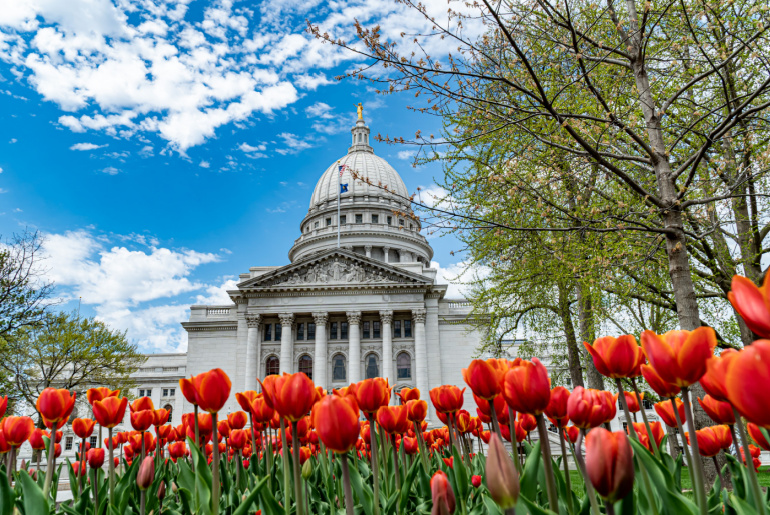
Wisconsin State Capitol Building – Madison, WI
7. What is Madison famous for?
Madison is famous for more than its university and its status as a state capital. Cheese is incorporated into a multitude of dishes in the region, with fried cheese curds being a popular dish. A common icon, the cheesehead hat is a knickknack that can be found at many stores. The City of Four Lakes is a common nickname for Madison, thanks to Lake Mendota, Lake Monona, Lake Waubesa and Lake Kegonsa. The core of the city is on an isthmus between Lake Monona and Lake Mendota, making Madison one of only two cities in the United States to have this rare distinction. The city’s cold climate means the average temperature is below freezing for a third of the year.
8. Why move to Madison, WI?
Madison attracts anyone who is interested staying fit and active or anyone with a desire to work in public administration. The city’s unemployment rate is 2.2%, very low even in an era with record-low unemployment rates. The stability of the regional economy is enhanced by a growing technology scene oriented towards bio and health tech industries. The city’s low violent crime rate ensures a safe and comfortable feeling in neighborhoods throughout the city.
What are the costs of moving to Madison, Wisconsin?
If you are moving to Madison for graduate school following a few years working in Chicago, for example, expect your move to cost up to $4,000.
8. Is Madison a good place to live?
Madison is a great place to live to live thanks to education, employment and outdoor recreation opportunities, so it’s no wonder it’s one of the best places to live in the Midwest. Let’s investigate the most common moving routes leading to Madison:
Moving to Madison from Boston
When you’re moving here from Boston, you might discover that the city is not short on job opportunities in health care, bioscience and education, not unlike what Beantown offers too. Besides, the cost of living in Madison is about a third lower than in Boston, which means your dollar stretches much further here. Moreover, although Wisconsin is famous for its cheese, Madison enjoys a pretty varied international culinary scene.
Moving to Madison from Chicago
If you’re swapping Chicago for Madison in search of a small-town feel, you’re in luck: Madison is not as crowded as Chitown, and it’s also among the best places for families to raise children too. The city is rich in festivals, so you will have plenty of opportunities for family time entertainment, such as the Monona Community Festival, Brat Fest or St. Patrick’s Day Parade.
9. What are the housing options in Madison, WI?
Once you move to Madison, your next step is to find housing. If you’re looking to be in the middle of the action, the Capitol Square is probably an ideal neighborhood. You’ll have access to city-like amenities such as restaurants, shops and more – with apartments as the main housing options. That does mean you’ll probably enjoy a smaller square footage of living space compared to going for a single family home. However, there’s something you can do to make the most of your living space – put seasonal items such as bulky clothing, décor and outdoor gear in storage to keep your apartment uncluttered and breezy.

Apartment buildings in downtown Madison, Wisconsin
Park Street and Willy Street are ideal neighborhoods if you’re considering living in a single family home. Once you get settled in, turn to self storage to help your organization game. Not unlike apartment dwellers, you could also use self storage to keep seasonal items as well as furniture, appliances and other items that don’t see regular use. If you’re working from home, you can also rent a storage unit to keep household items that used to sit where your new home office lies. Moreover, if you’re remodeling your home, you can also use self storage for the same purpose. As these projects tend to extend for longer periods of time, you’ll avoid cluttering your home. You can retrieve your belongings when the project is completed.
10. What are the storage options in Madison, Wisconsin?
Moving is one of the most popular instances when people turn to self storage. However, the service can help you after you get settled in. Look for a facility in your neighborhood of choice to make renting a Madison, WI, storage unit as convenient as possible for you.
Once you find a facility close to you, consider the storage unit size you need. For smaller outdoor gear and décor, a 5’x5’ or 5’x10’ unit is ideal. Most people rent a 10’x10’ unit, which can hold a few furniture items and more. When moving, you can fit the contents of an apartment in a 10’x15’ unit. For a three-bedroom home, a 10’x20’ unit is ideal, while for the contents of a four-bedroom home, you could probably use a 10’x30’ unit.
You can find more options for storing your furniture, belongings, and even your car by browsing the StorageCafe portal.


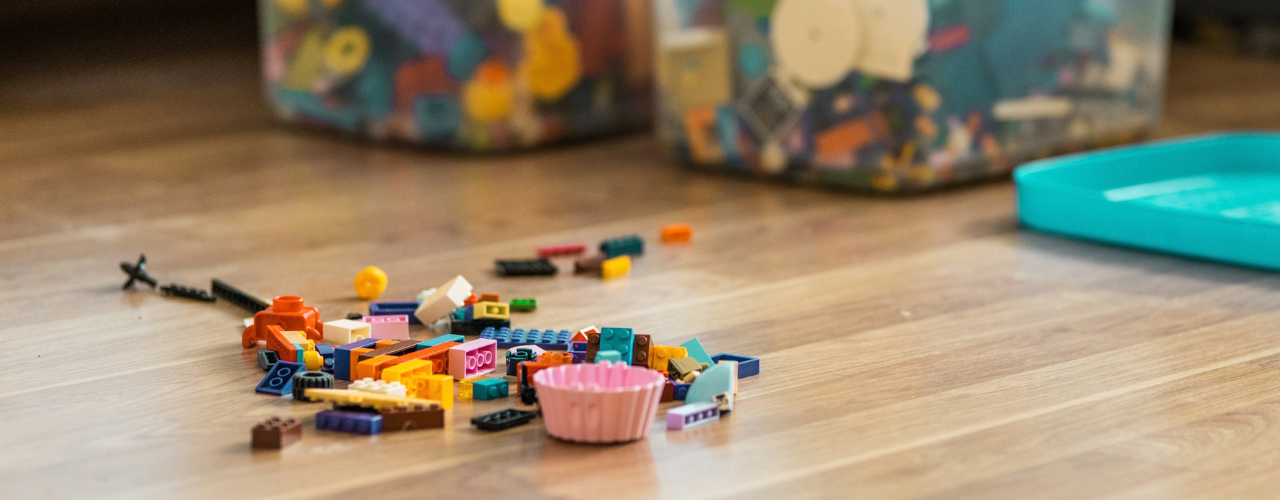
How to Store LEGOs: All the Fun, None of the Clutter
How to store LEGOs largely comes down to how your household uses them. If the bricks are part of everyday play, you need a setup that keeps them within easy reach and makes cleanup quick (for your feet’s sake, at least). Toy storage(opens in new tab) such as simple bins, playmats or containers that children can put away themselves may be enough. Larger or more serious collections usually need more organization, such as labelled drawers for loose pieces, trays for unfinished builds, shelves for completed models and separate storage for retired sets.

Cardboard Costume Guide: Tips and Ideas for a DIY Halloween
Whether for kids or adults, cardboard costume ideas often make the biggest splash once materialized, and that’s for a simple reason: doing a lot with a little is a universally impressive feat (especially in this economy). If you don’t have enough boxes you could temporarily repurpose, don’t worry! There are many places where you can find free moving boxes(opens in new tab), from stores and supermarkets to online groups and recycling drop-off spots. On the run? Try your luck at a self storage(opens in new tab) facility that sells moving supplies, often for cheap. This way, you can choose moving boxes of different shapes and sizes(opens in new tab), so you can make your costumes as complex as you want.

How to Celebrate Halloween: 9 Non-Spooky Ways To Enjoy It
As soon as October starts, it’s the official Halloween month. And while for many people it means it’s open season to get the scare of a lifetime, others, especially families with small children, might prefer to celebrate in a tamer way that’s both kid- and adult-friendly. While you’re likely to find more events where the spook factor is high, here’s how to celebrate Halloween in a not-so-scary way:

Motorcycle Storage Guide: How to Store Your Bike Safely
Motorcycles may be born to be wild, but eventually even the wild ones need somewhere to park. Whether riding season is winding down or your current living situation comes with plenty of square footage for you and less for your bike, motorcycle storage is one of those parts of ownership that doesn’t get as much airtime as the open road.

Halloween Decorating on a Budget (And Cheap Ideas for Everything Elsee)
Halloween has crept a long way from its eerie origins. While All Hallows’ Eve has transformed through the centuries, it wasn’t until the 1930s that trick-or-treating became a tradition in the U.S. and businesses began conjuring up mass-produced Halloween costumes. Now, Halloween is a monster-sized, billion-dollar industry, with a cauldron full of costumes and decorations ranging from the mainstream to the macabre. But is it all really worth your wallet? Maybe, but we’ll let you in on a little secret: You can keep your Halloween decorating on a budget and save on everything else, too. Take this plan and see it through!

Moving From a House to an Apartment: What to Expect, How to Downsize & How Self Storage Helps
For some, moving from a house to an apartment is a financial decision. For others, it’s about simplifying life. Maybe the kids have moved out and half the house sits empty, or you’re approaching retirement and no longer want to spend weekends on repairs. Or perhaps you’ve been weighing the cost of buying a home and wondering whether renting simply makes more sense right now.
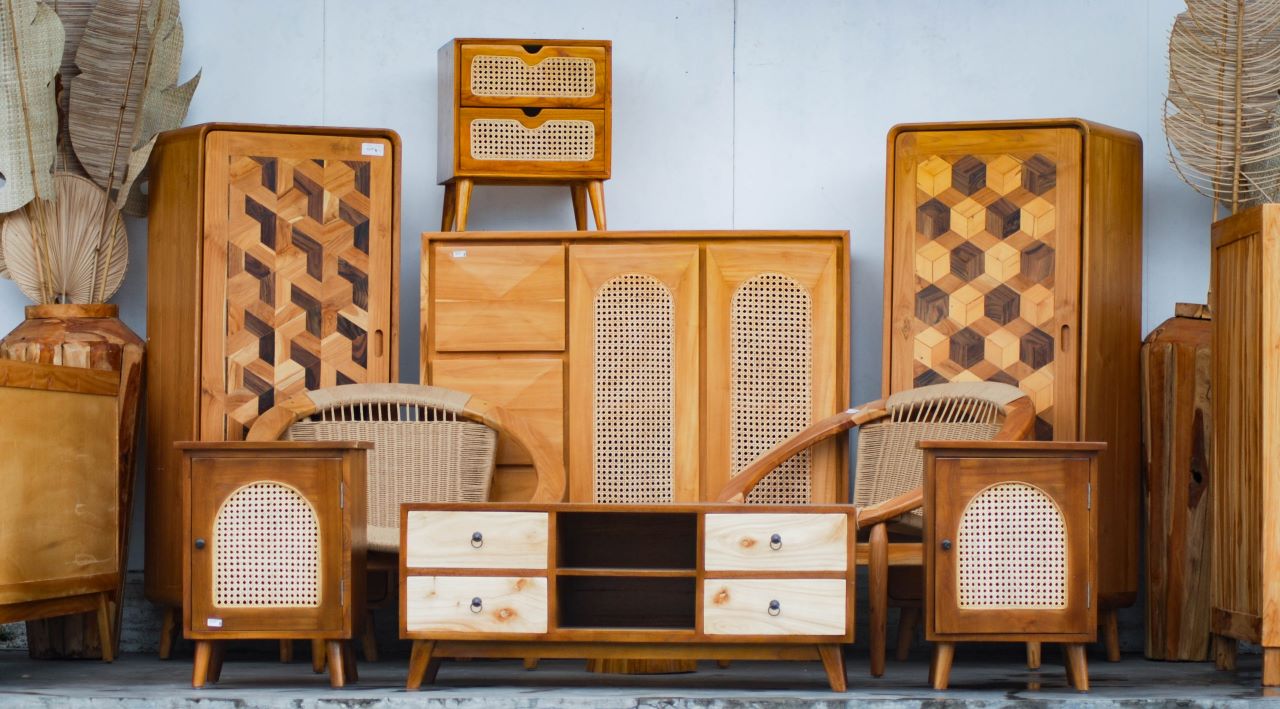
Family Heirlooms Overload: How to Handle Family Inheritance Without Regret
Handling family heirlooms after a loss requires managing legal authority, emotional pressure and practical logistics at the same time, and the order you take them on matters more than most people expect.
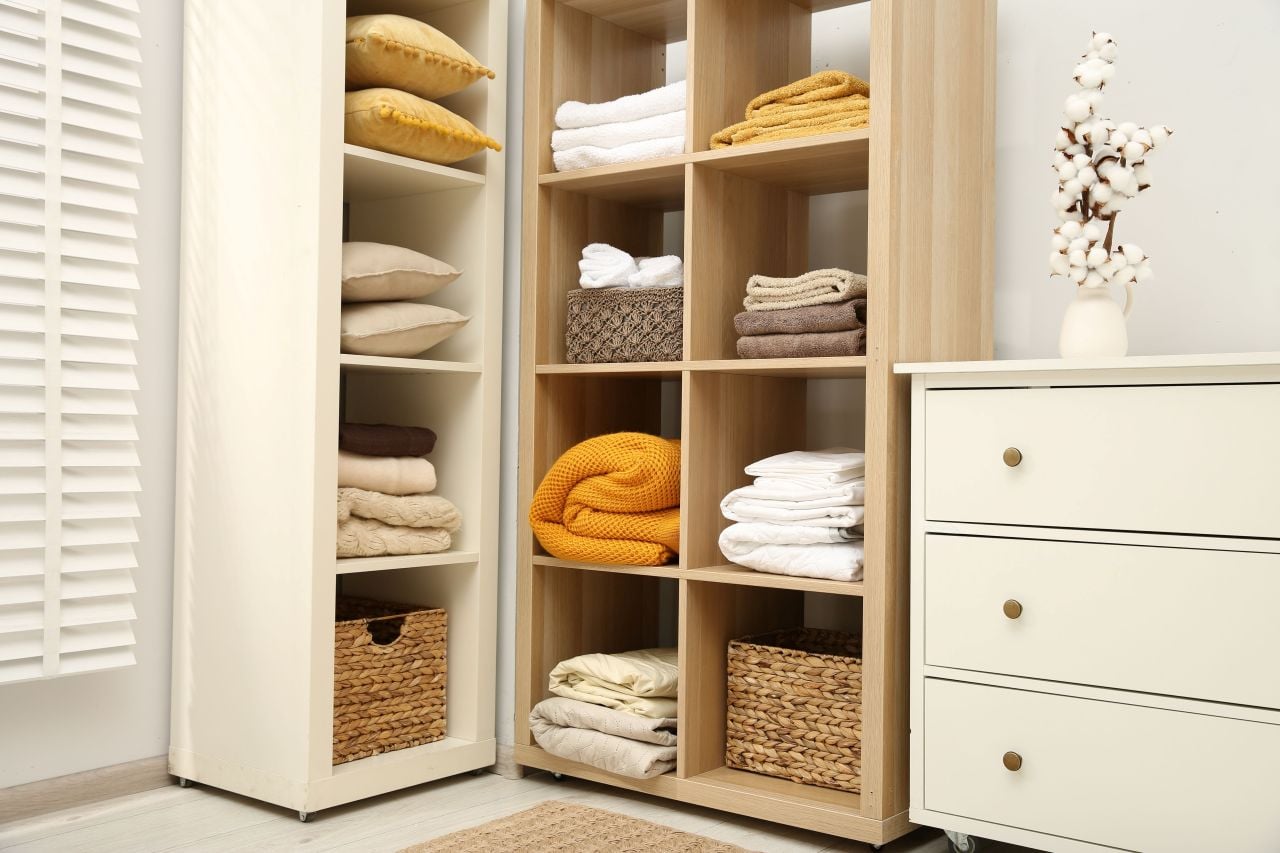
Blanket Storage: The Right Method for Every Space and Season
Blankets make our lives cozier, and storing them well is what keeps them soft and comfortable in the long run. Knowing how to store a blanket properly means your favorites come out of storage smelling fresh, feeling the same as when they went in, and lasting years longer than they otherwise would.

Board Game Storage Ideas That Keep Your Collection in Fighting Shape
Nobody warns you that getting into board games usually unlocks a second hobby, the much dreaded one that includes figuring out where on earth to put them. One game becomes a few, expansions start spawning beside their base boxes and before long, board game storage requires as much strategy as whatever is waiting on the other side of those lids.