
8 Types Of Small Businesses In Austin, TX (And How Self Storage Can Help Them)

Austin is one of the top cities feeding the CA to TX migration route, thanks to its diverse and rich job scene, its multitude of amenities and the booming business world. But it’s not just the big businesses that make waves in Austin; it’s also small businesses. We’re talking furniture stores, e-commerce, restaurants and more. While it takes a lot to manage a business, one of the things that gets pushed to the sidelines is how to manage the business space and the business-related items. One way to make the workflow easier from this perspective is to consider self storage. The service aids in better handling merchandise and the main business premise, especially for small businesses, which typically enjoy smaller premises. Besides, the service is relatively inexpensive – renting an Austin, TX, storage unit costs around $120/month.
Without further ado, let’s take a look at some small businesses in Austin and see how self storage can help them:
1. Tech-oriented companies
Austin already has an established reputation as a tech hub, making this type of business a prime candidate for using self storage. How? If they’re a small business, office space can come at a premium, especially in the beginning. Therefore, using self storage can come in handy when it comes to keeping office furniture, paperwork, electronics and backed-up data secure.
Ravi Parikh, owner of RoverPass, shares the same thoughts about self storage. “We operate a booking engine for campgrounds and RV parks. We store a lot of data on campgrounds and RV parks available throughout the US. Besides cloud storage, we use self-storage facilities to safeguard our information assets. It is helpful because we get a ready-made data backup whenever needed,” he told us. “Since we store it at a separate geographical location, it safeguards our data from ransomware attacks and data privacy violations that have become rampant recently,” he also added.
Similarly, Socialplug, a social media-oriented company owned by Mark Voronov, is another example of a business using self storage. “Indeed, self storage plays a pivotal role in our operational strategy. Socialplug, like many businesses, relies on an array of physical assets and marketing collateral. These materials are pivotal to our client interactions and campaign executions,” Mark told us. “Self storage facilitates the efficient organization and management of these assets, ensuring our team can readily access and deploy them as needed,” he also added.

2. Boutiques
Austin is home to various boutiques selling clothes, jewelry, stationery, accessories and essential oils, just to name a few local businesses. Not unlike many other brick-and-mortar businesses, boutiques also face the challenge of space. To better manage their space, for many of them, turning to self storage can be a great way to take control of their merchandise. Excess stock can be stored until it’s ready to hit the shelves. For many businesses, buying in bulk or preparing for a sale or a special time of the year – think the holidays or Christmas in July – can be a matter of buying stock in advance to make sure they’re well-supplied to meet increased demand that’s typical of the season.
Whether they’re in the business of selling clothing, jewelry, stationery or other kinds of items, a climate-controlled unit is ideal to store these items. The climate control feature offers optimal temperature and humidity levels to prevent any kind of damage.
Based on the type of merchandise they work with, boutiques can turn to various storage unit sizes to best suit their needs. While a 10’x10’ unit is typically rented, they can go for smaller units, such as a 5’x5’ or 5’x10’ – if selling décor or jewelry – or larger units, such as a 10’x15’, for clothing and bulkier items.
3. Restaurants
Restaurants are another type of brick-and-mortar business that can also use self storage to enhance their workflow. Whether it’s terrace furniture or kitchen tools, many items can be kept away from the premises to avoid crowding the place. Moreover, this comes in even more handy for restaurants that are small businesses that could come with smaller operating spaces. That means that self storage can truly help them make the most of every inch that they need to use at their main location – while keeping non-essential items safely away.
4. Furniture and home décor stores
Furniture stores can also see the perks that come with using self storage. As many furniture pieces are large, they usually require a lot of space. Putting some of them in storage can help furniture store owners to better manage their store floor space. The same goes for décor – while many pieces are smaller and don’t take up as much space as furniture, there are others – such as lamps or statues – that can pose logistical challenges. They, too, can sit in storage until they’re ready to find their spot inside the store.
Moreover, some businesses offer storage to their customers. That’s the case for Uptown Modern, with Jean Heath, the owner, telling us the following: “One of the ways self-storage helps us is by conserving sales floor space. When a customer can’t pick up their bulky furniture piece(s) right away, we offer them off-site storage at a low rate so they can pick their purchases up when the timing is right for them.”

5. Thrift & antique stores
With over 140 thrift stores, Austin is one of the best cities for thrifting nationwide. Since thrift stores typically have a lot of merchandise they’re trying to sell, they’re an excellent candidate for self storage. As it happens, many stores receive daily donations, which means that stock overflow is bound to happen quite frequently. To help relieve the store floor, they can turn to self storage to keep excess furniture, clothing, appliances and other types of items they might typically not have enough room for at their main location. A climate-controlled unit is ideal for these types of items, as the temperature and humidity levels are kept at an ideal level to ensure the stored belongings preserve their qualities.
6. Bookstores
Ebooks have their own audience, but hard-copy books kept their appeal in Austin. Therefore, you can still find plenty of great bookstores in Austin. For bookstore owners, turning to self storage can be a practical way to manage excess books. It can be difficult to make room for new stock on the shelves or in the back area of the store when there are plenty of books that haven’t sold yet. In this case, putting them in storage can help to alleviate the pressure of finding room for the new books.
7. Construction contractors
Austin’s real estate market is extremely hot, especially given the city’s active construction sector in the last decade. The city delivered over 99K apartments and 37K single family homes in the past decade alone based on permitting activity, with demand coming from the city being a prime relocation hotspot. Therefore, it’s no surprise to see that Austin is home to plenty of contractors. For this type of business, self storage can come in handy, aiding them in improving their daily functioning. They can keep building materials and tools in a storage unit located close to the construction site. This saves them transportation time and helps to make their work more efficient.

8. E-commerce businesses
E-commerce has flourished in the past few years, and Austin is no exception to this trend. While many businesses of this kind operate without official premises, the storage unit can act as a warehouse space for their merchandise. Stock that hasn’t been delivered yet can sit here until it’s ready to reach its recipient. Many businesses even use their storage unit as a pickup spot for the delivery service – pickup can be scheduled for a set day, saving the company extra trips to the storage facility.
Regardless of the type of small business you might have in Austin, self storage can come to your aid, helping you better manage your space, your business assets and, ultimately, helping you better carry out your daily workflow.


Scary Good DIY Halloween Decorations That Won’t Haunt Your Wallet
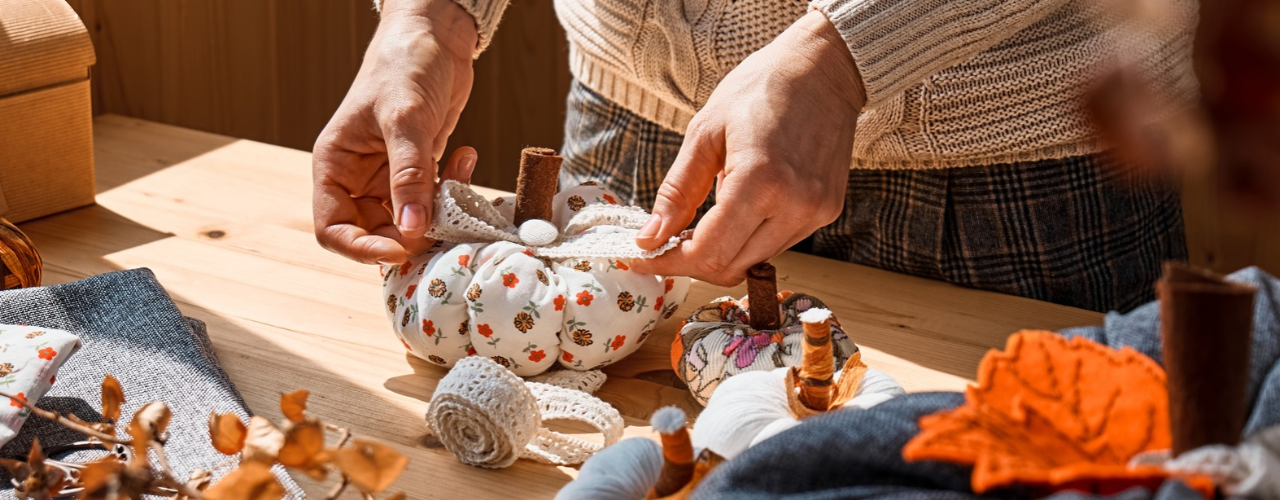
A few floating candles in the hallway, a family of ghosts by the front door and a suspicious number of bats climbing up the bedroom wall can make October feel a whole lot spookier. While Halloween stores are full of tempting finds, some of the best DIY Halloween decorations can come from things you already have tucked away in drawers, closets or the recycling bin.
Suburban Giants and Urban Risers: Where America’s 100 Largest Metros Fall on the Self Storage Map
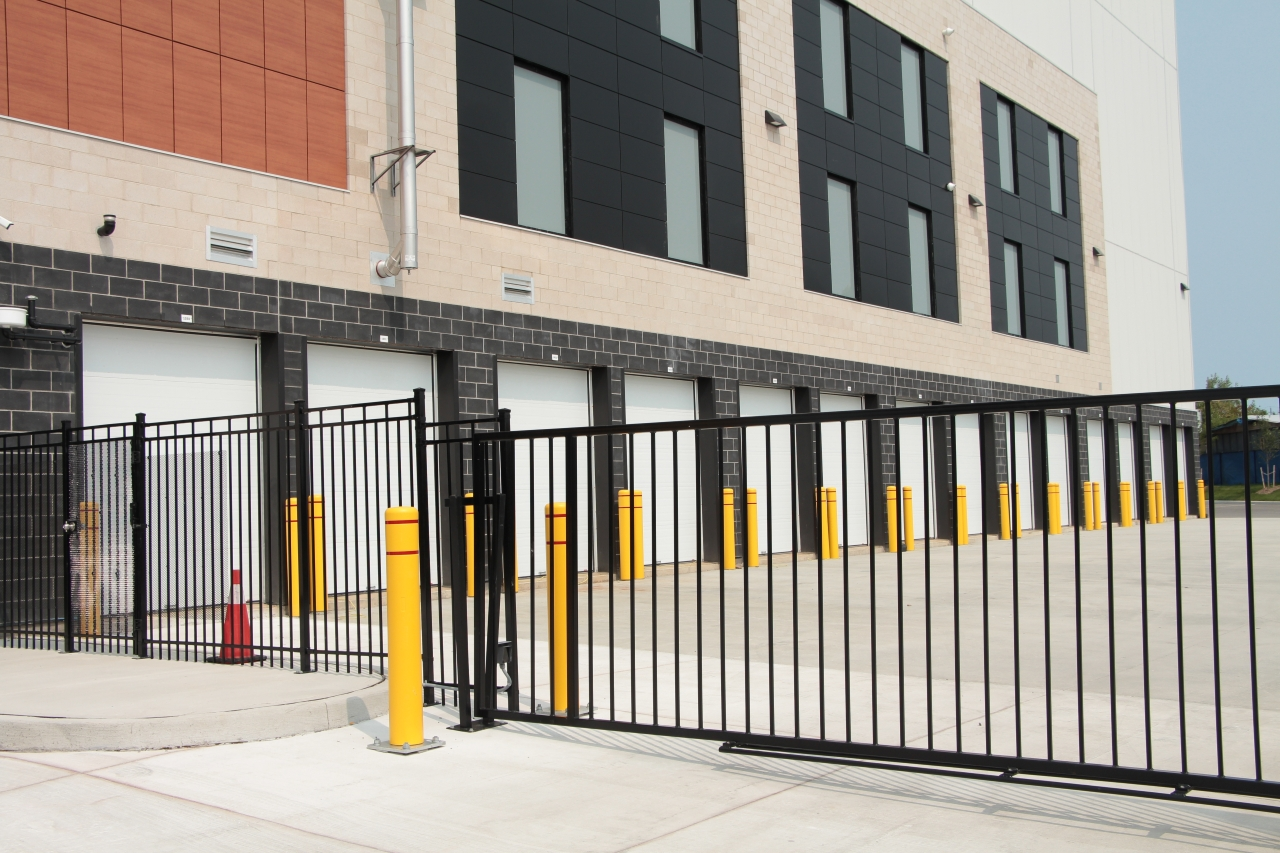
Self storage has long been a suburban story. Across America largest 100 metros, 59% of the inventory built over the past decade sits outside city cores, largely preserving the ratio of the total existing inventory.
Sweatshirt Storage Ideas Worth Keeping Up Your Sleeve
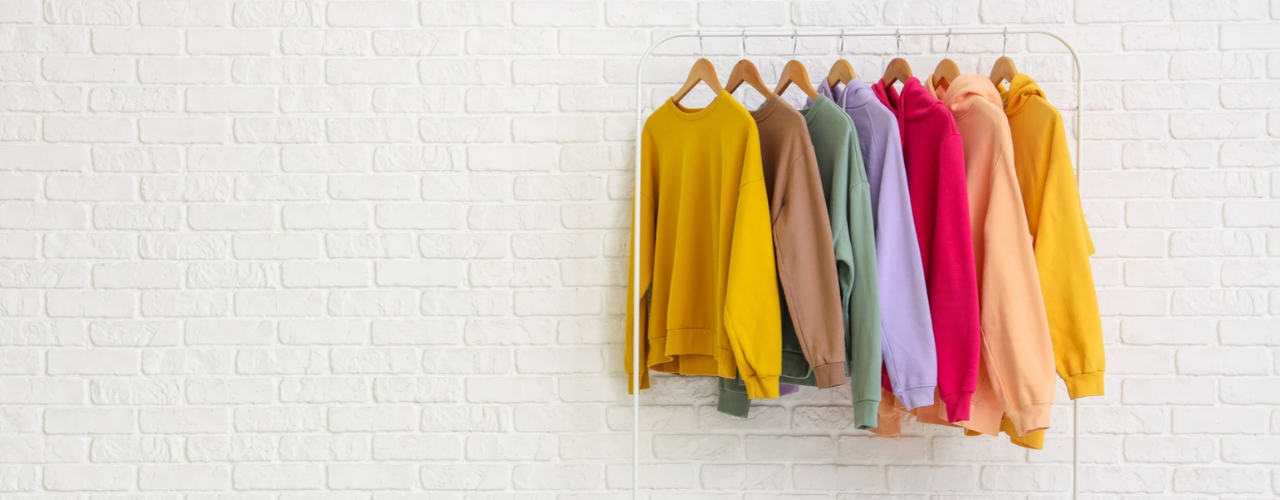
Sweatshirts are great until you realize how much room they take up. A few thick hoodies can fill a drawer fast, with lighter crewnecks getting squashed underneath or pushed somewhere you forget about. Good sweatshirt storage can make that pile much easier to manage without requiring a bigger closet.
Living Room Storage Ideas: 28 Ways to Reclaim Your Hosting Space
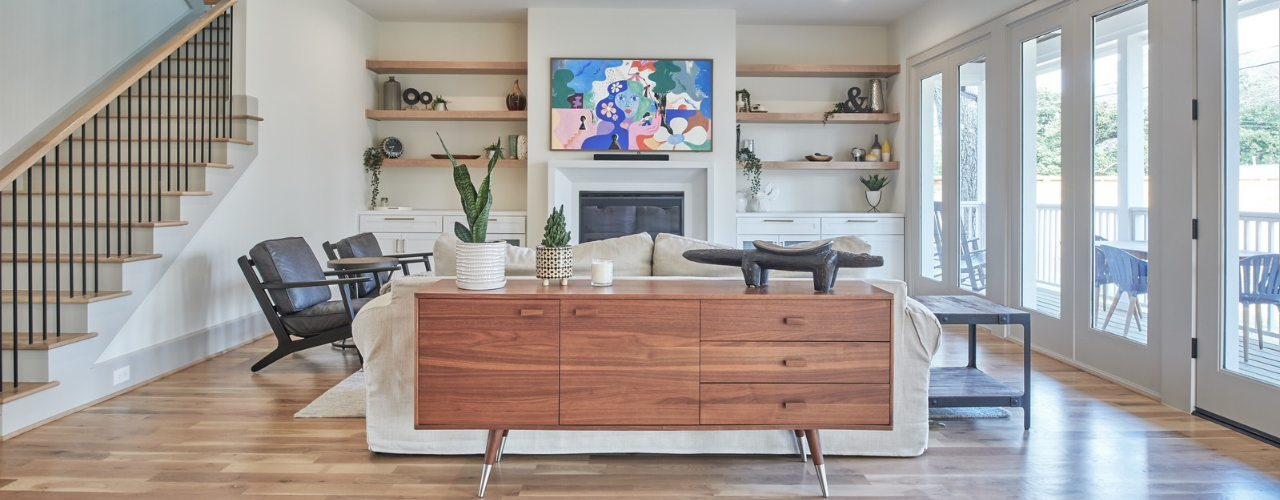
If a living room is where most of a household’s living happens, good storage should be the top priority for setting up or revamping the place. After all, think of how easier it would be to have people over when tidying up the place is just a matter of putting things in their right place (in a time when fewer and fewer people are entertaining friends at home(opens in new tab)). The trick is making room for all those wayward clothes, blankets, chargers and other small things that end up on (or, inexplicably, in) the sofa. Here are 28 living room storage ideas to get you started and make tidying up a quick affair.
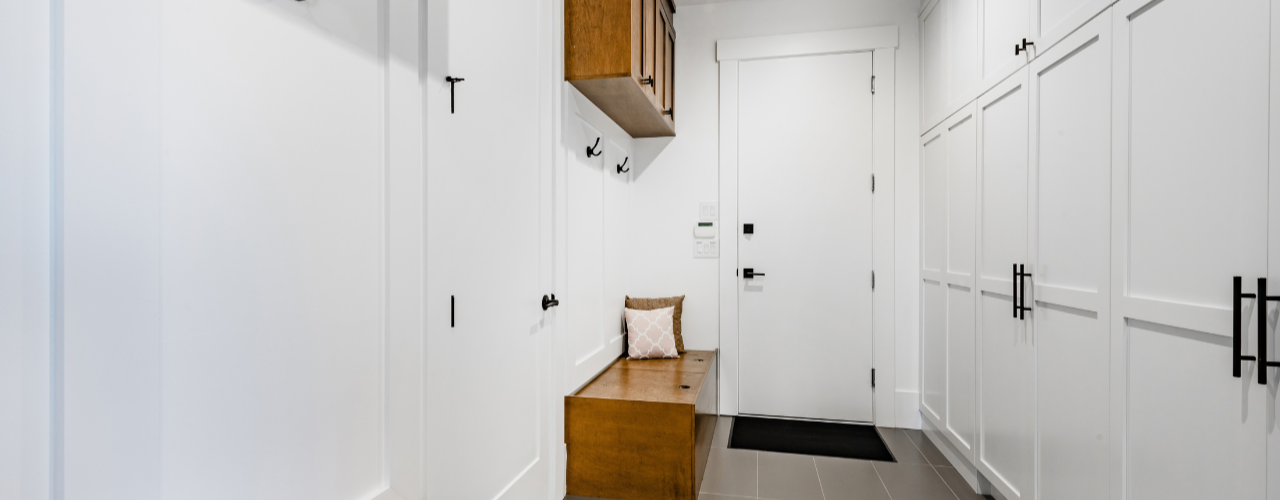
25 Mudroom Storage Ideas (And Mistakes to Avoid)
When you come home with muddy boots, an armful of bags and a coat you can’t wait to take off, it’s nice to have somewhere to put it all. With a mudroom, you can leave the outdoor mess at the door instead of carrying it through the house. Traditionally, you’d set aside a separate room, but you can just as easily use a hallway, an entryway closet, a laundry-room corner or a stretch of wall near the entrance.
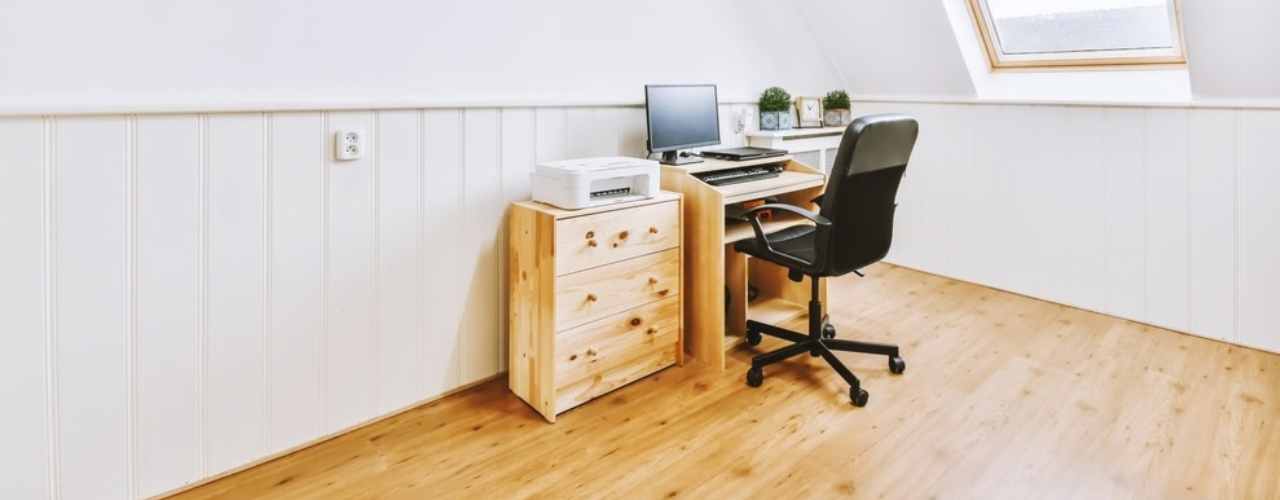
Is Your Home Office Worth the Rent? What Coworking and Self Storage Could Save You
Every square foot of your apartment comes with a price tag, and a home office claims more of them than most renters expect. It starts with a desk. Then come the second monitor, the printer, the filing cabinet and the overflow boxes. Before long, the corner you set aside for work has turned into a small room you are paying for every month.
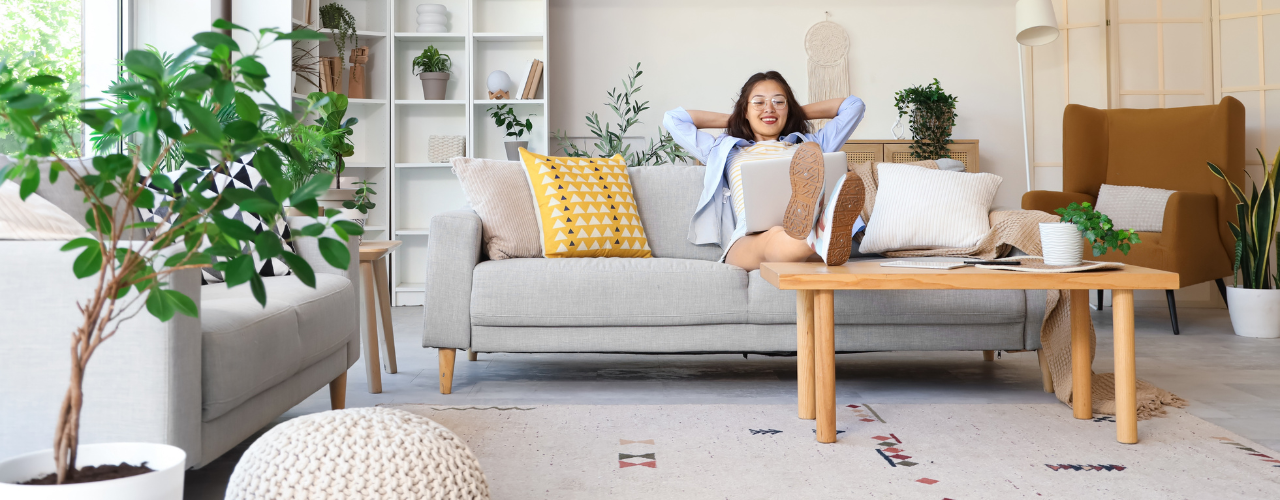
Best U.S. Cities to Live Uncluttered: Plano, TX, Offers the Most Room to Breathe
Clutter is in our homes as much as in our heads. Both are shaped by where we live.

America’s Top Snowbird Destinations for 2026–2027: Florida Leads in Numbers, Texas Wins on Value
For Americans living in colder states, the approach of winter is reason enough to start looking south. Cold weather carries costs that go beyond the heating bill and shoveling snow. Seasonal affective disorder(opens in new tab) is far more prevalent in northern states, so a temporary move south isn’t simply an escape from the cold, but a chance to spend the hardest stretch of winter outdoors and in the sun.

How Much Does Halloween Really Cost in 2026? Plan Wisely to Avoid the Scare of Hidden Costs
Americans’ love for Halloween is almost frightening — this year alone, we are on our way to spending $13.5 billion, according to data from the National Retail Federation(opens in new tab). That breaks down to about $115 Halloween costs per person, a whopping 49% more than 10 years ago.