
7 Types of Businesses That Can Benefit From Self Storage (Plus Tips On Using The Service For Business)

Managing a business takes a lot of skill, time and dedication. There are many things you can do to make your workflow run smoothly, from project management software to social media scheduling tools. However, there is another inconspicuous utility that can also enhance your business and that’s self storage. This service provides the additional space you might need to manage paperwork, excess inventory and much more.
Take a look at the different types of businesses that can use self storage to optimize operations:
1. Burgeoning businesses
With the pandemic pushing many people into entrepreneurship, small businesses flourished all over the country. Many of them started out from a home office as a side hustle, but as the business grows so does the need for space. Piling up paperwork in the home office or the living room suddenly stopped seeming like a good idea. Instead, these business owners could easily turn to self storage to better manage their business-related items so they do not encroach on their living space. Besides, renting a climate-controlled unit to keep paper and other sensitive items is a surefire way to make sure they don’t get damaged as this type of unit offers the ideal environment to keep them in pristine condition.
2. Brick-and-mortar businesses
For brick-and-mortar businesses such as boutiques and convenience stores, space is always an issue. The influx and outflux of stock poses many storage issues that can only be solved by either upgrading the business location or by partially outsourcing the storage area. Whether you have additional merchandise bought in advance for Christmas or for other busy times, self storage can help. Overflowing inventories can sit in a storage unit until they’re ready to sit on the shelves.

3. Restaurants
Restaurants are another type of business that can benefit from self storage. Changing furniture – perhaps because it’s for seasonal use – can pose logistical challenges. Most restaurants don’t come with the extra storage space needed to accommodate the furniture from the entire seating area, making a storage unit the perfect place to keep not only extra furniture but also kitchen utensils and other non-perishable items. However, you should check with the facility manager to see if storing canned goods is allowed.
4. Contractors and construction companies
The construction industry – whether we’re talking construction companies or contractors – can find self storage particularly useful in their day-to-day operations. They can rent a storage unit close to the construction site where they can keep building materials and heavy tools to avoid transporting them long distances every day.
With apartment construction firing up in the last decade, places that have seen the most construction are also places where the need for self storage becomes apparent – both for construction businesses and for residential use. In cities such as Atlanta, Georgia, Los Angeles, California, Houston, Texas and Charlotte, North Carolina – which have seen the most prodigious construction activity recently – renting a storage unit if you’re in the construction business can be vital to managing the everyday workflow.
5. E-commerce businesses
E-commerce businesses can also benefit from using self storage. Merchandise that has yet to be delivered can sit in a storage unit until it’s ready to be sent out. Sellers can use their unit to keep not only excess stock but also packaged items that are about to be delivered. For e-commerce businesses, organizing and efficiently managing inventory is crucial to success. Alongside inventory management software, understanding how palletizing works can streamline the process of storing and moving merchandise. Utilizing storage units for excess stock becomes even more effective when goods are properly palletized, allowing for safer and more organized storage and retrieval.

6. Realtors and interior decorators
Another group of professionals that can find self storage useful are realtors. They can use a unit to store light furniture and décor that’s used for staging a home. This is a much better alternative to keeping these items in the trunk of their car or at their home.
Not unlike realtors, interior designers can also keep furniture, paintings and other home décor items necessary for their work in a storage unit as they rotate displays at their business location. With seasonality playing a big role in this type of business, storing these items temporarily in a storage unit might just be the perfect solution to the challenges that a small operating space poses for interior designers.
7. Legal and medical professionals
Legal and medical professionals are required to keep paper records for business purposes, and what better way to manage the growing piles of files than to put them in a climate-controlled unit? It’s the perfect environment to store them because it means they don’t have to find extra space at their business location, and the files are stored in a safe environment that won’t damage them.
How to store for business purposes
Turning to a self storage unit can be a more convenient alternative to renting a warehouse for your business. Here are some pointers that can help you and your business make the most of your storage unit:
Find a storage facility near you
Start by finding a storage facility close to you – it makes it so much easier to get access to your stuff in little to no time. This is especially important for contractors and construction companies, as having the unit close to the construction site can ease day-to-day operations.
Choose the right unit size
Once you found the right facility, you need to decide on the size of your unit. You could start out by renting a 10’x10’ unit and upgrade it if your growing business needs demand that. A 10’x15’ is ideal if your boutique or e-commerce business is seeing swelling inventories or if you’ve noticed you’re running out of stock much faster than anticipated. Construction businesses are better off with large units such as a 10’x20’ or even a 10’x30’ if they need to store large tools and even construction vehicles.
Legal and medical professional could probably start out by renting a 5’x5’ or a 5’x10’ unit for storing paper-based records and upgrade later if need be.

For realtors and interior designers, a 10’x10’ unit is probably perfect if you have furniture and décor that could fit into a living room. For additional items, upgrading to a 10’x15’ might be necessary.
Finding the right unit size for your business can be tricky, but if you’ve rented a unit that turns out to be too small for all your belongings, you can always upgrade to a larger one. To get a better sense of what each unit size can hold, consult this storage unit size guide.
Keep your unit organized
Organization is the word if you’re looking to keep things running smoothly. If you’re storing merchandise, organize it by size, color or product type to help better manage it and find it next time you come to visit your unit.
Moreover, a good rule of thumb is to keep heavy items closer to the floor and lighter ones on top. This will act as protection for the stored goods themselves and also for you and any staff handling the merchandise as it will prevent potential injuries from happening.
If you’re storing small or mid-size items, you’re better off using shelving units to help organize and store them. Place the shelving units by the walls allowing for a walkway in the middle – this will create a helpful visual of the entire unit so you can easily find stored items.
If possible, box and label stored items and place them according to categories – you’ll thank yourself the next time you come to the unit to retrieve specific pieces of merchandise.
Turn to inventory management software
If you’re storing large amounts of stock, it makes sense to turn to inventory management software as a way to manage your storage-unit-turned-stockroom. This way, you can predict how much merchandise you’ll need shipped and also the time needed for this. In turn, your store will never be overstuffed or understocked. Moreover, using this type of software helps you the next time you do an inventory count – a great time-saving tool as you don’t have to count every item in the store.
Be selective about the stored items
According to the Pareto Principle, 80% of revenue comes from 20% of your merchandise. That means that some items sell much better than others. Do a sales audit to identify those items. This will help inform your decisions about which products you need close at hand and which ones can sit in storage. You could also buy or manufacture more of your bestsellers and keep an extra supply in storage so you never run out of stock in case the floor items get sold faster than expected.
Turn to climate control
If you’re storing furniture, pieces of décor, paper-based products, electric tools and other similar items, you’re better off going with a climate-controlled unit if you wish to keep everything in pristine condition.
Which businesses can most benefit from climate control: If you’re the owner of a boutique or restaurant, or you’re a realtor, interior designer, legal or medical professional or a contractor, count yourself among those who can find value in turning to this feature.


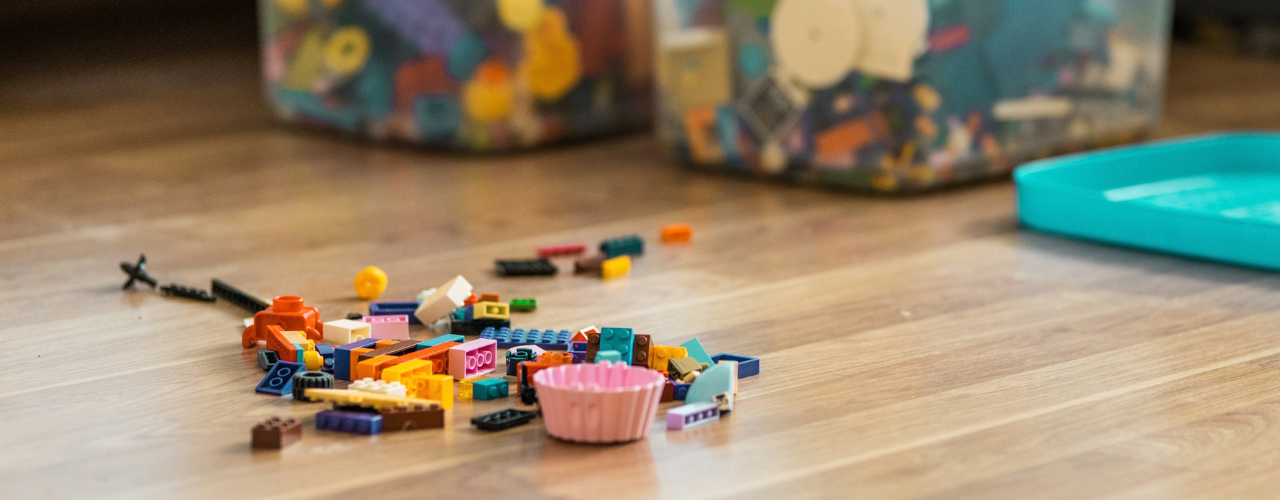
How to Store LEGOs: All the Fun, None of the Clutter
How to store LEGOs largely comes down to how your household uses them. If the bricks are part of everyday play, you need a setup that keeps them within easy reach and makes cleanup quick (for your feet’s sake, at least). Toy storage(opens in new tab) such as simple bins, playmats or containers that children can put away themselves may be enough. Larger or more serious collections usually need more organization, such as labelled drawers for loose pieces, trays for unfinished builds, shelves for completed models and separate storage for retired sets.

Cardboard Costume Guide: Tips and Ideas for a DIY Halloween
Whether for kids or adults, cardboard costume ideas often make the biggest splash once materialized, and that’s for a simple reason: doing a lot with a little is a universally impressive feat (especially in this economy). If you don’t have enough boxes you could temporarily repurpose, don’t worry! There are many places where you can find free moving boxes(opens in new tab), from stores and supermarkets to online groups and recycling drop-off spots. On the run? Try your luck at a self storage(opens in new tab) facility that sells moving supplies, often for cheap. This way, you can choose moving boxes of different shapes and sizes(opens in new tab), so you can make your costumes as complex as you want.

How to Celebrate Halloween: 9 Non-Spooky Ways To Enjoy It
As soon as October starts, it’s the official Halloween month. And while for many people it means it’s open season to get the scare of a lifetime, others, especially families with small children, might prefer to celebrate in a tamer way that’s both kid- and adult-friendly. While you’re likely to find more events where the spook factor is high, here’s how to celebrate Halloween in a not-so-scary way:

Motorcycle Storage Guide: How to Store Your Bike Safely
Motorcycles may be born to be wild, but eventually even the wild ones need somewhere to park. Whether riding season is winding down or your current living situation comes with plenty of square footage for you and less for your bike, motorcycle storage is one of those parts of ownership that doesn’t get as much airtime as the open road.

Halloween Decorating on a Budget (And Cheap Ideas for Everything Elsee)
Halloween has crept a long way from its eerie origins. While All Hallows’ Eve has transformed through the centuries, it wasn’t until the 1930s that trick-or-treating became a tradition in the U.S. and businesses began conjuring up mass-produced Halloween costumes. Now, Halloween is a monster-sized, billion-dollar industry, with a cauldron full of costumes and decorations ranging from the mainstream to the macabre. But is it all really worth your wallet? Maybe, but we’ll let you in on a little secret: You can keep your Halloween decorating on a budget and save on everything else, too. Take this plan and see it through!

Moving From a House to an Apartment: What to Expect, How to Downsize & How Self Storage Helps
For some, moving from a house to an apartment is a financial decision. For others, it’s about simplifying life. Maybe the kids have moved out and half the house sits empty, or you’re approaching retirement and no longer want to spend weekends on repairs. Or perhaps you’ve been weighing the cost of buying a home and wondering whether renting simply makes more sense right now.
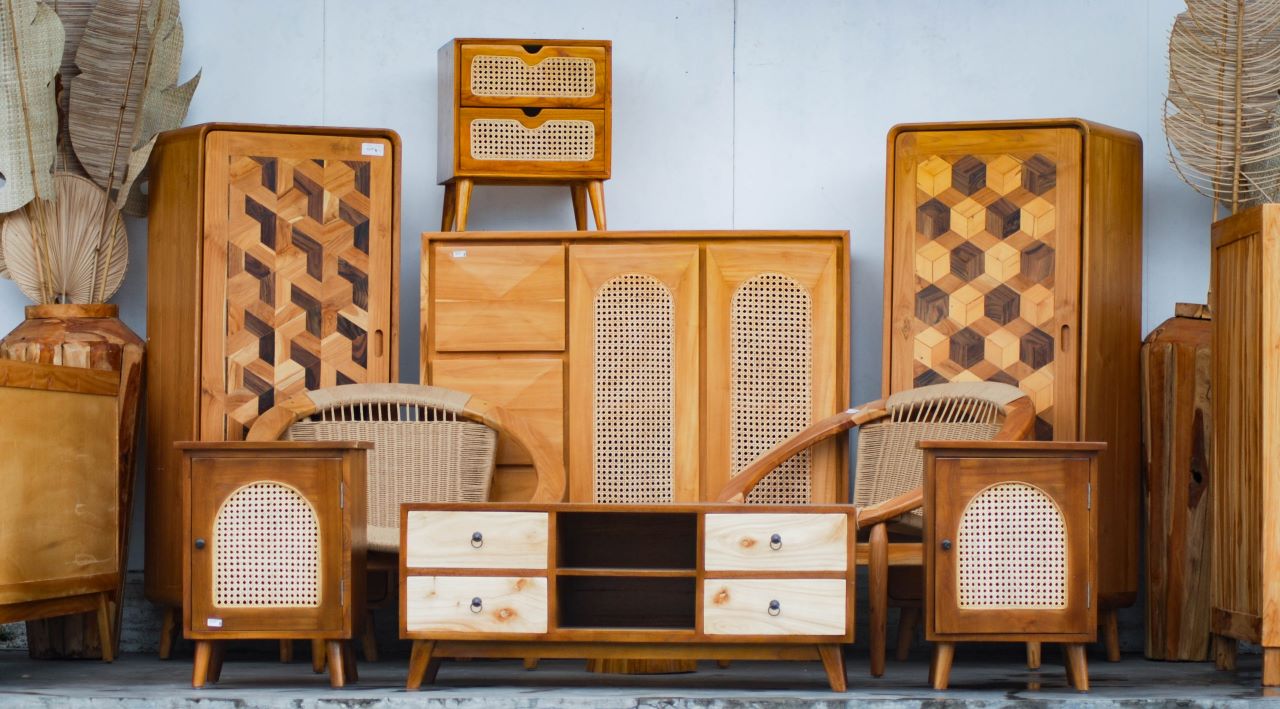
Family Heirlooms Overload: How to Handle Family Inheritance Without Regret
Handling family heirlooms after a loss requires managing legal authority, emotional pressure and practical logistics at the same time, and the order you take them on matters more than most people expect.
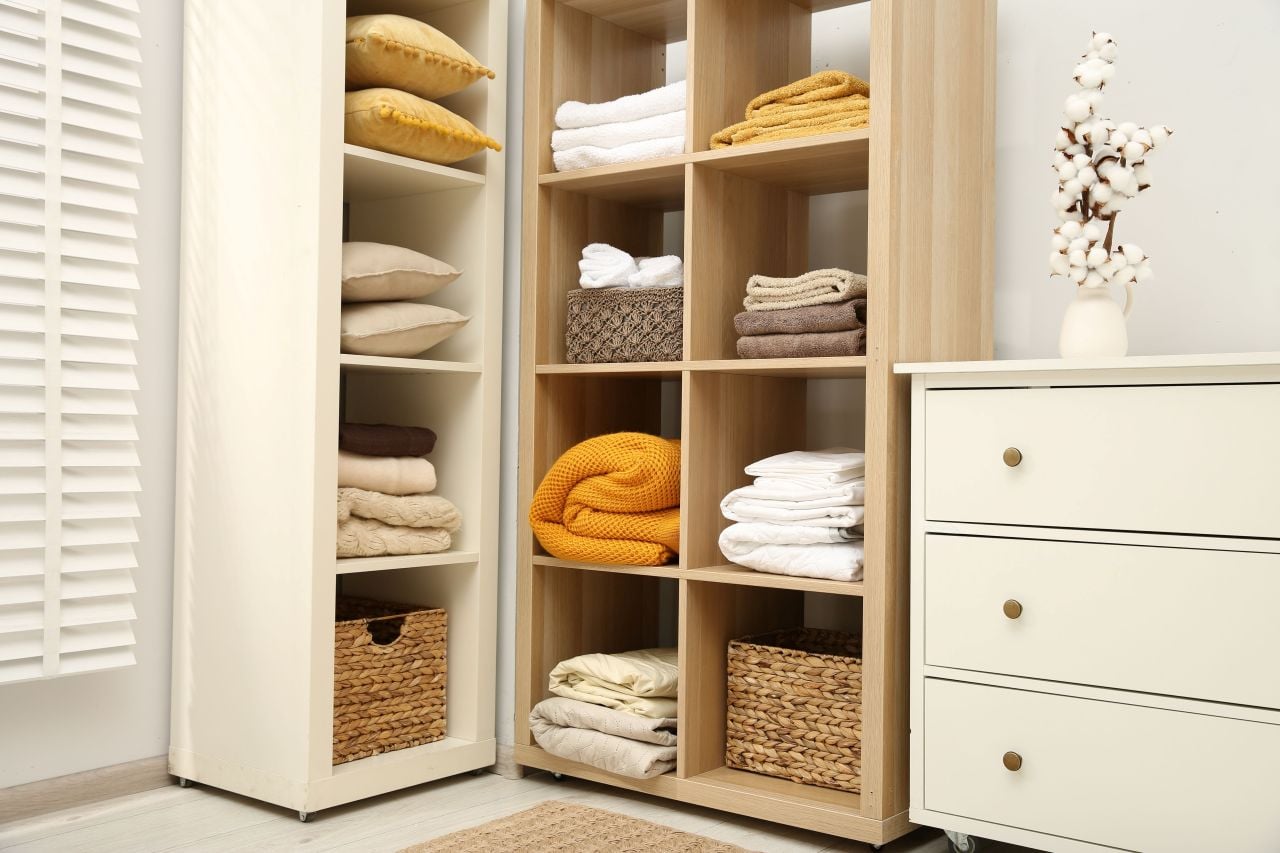
Blanket Storage: The Right Method for Every Space and Season
Blankets make our lives cozier, and storing them well is what keeps them soft and comfortable in the long run. Knowing how to store a blanket properly means your favorites come out of storage smelling fresh, feeling the same as when they went in, and lasting years longer than they otherwise would.

Board Game Storage Ideas That Keep Your Collection in Fighting Shape
Nobody warns you that getting into board games usually unlocks a second hobby, the much dreaded one that includes figuring out where on earth to put them. One game becomes a few, expansions start spawning beside their base boxes and before long, board game storage requires as much strategy as whatever is waiting on the other side of those lids.