

Who could blame you if you suddenly decided you want to try living in a tiny house? They’re cozy, cute and a one-way ticket to a minimalist lifestyle. Moreover, housing prices aren’t making traditional homes attractive, so going small could be good for your wallet too. However, living in a fraction of the space you’re used to can be a challenge – you need to rethink how you organize your household and even adjust your lifestyle if you’re going for this type of house.
Here’s the complete guide to tiny house living, including some basics about what tiny home living is and how to get ready for the transition.
1. What’s a tiny house?
If you’re wondering what a tiny home is, you should know there are multiple designations – it can be classified as an accessory dwelling unit (ADU) or an RV, depending on location. Essentially, they’re a scaled-down version of a typical home, complete with all the trimmings and amenities. To get a clearer picture on size, tiny homes typically have about 400 sq. ft. per the International Residential Code specifications. That’s only a fraction of the typical American home, which is about 2,300 sq. ft of space, according to U.S. Census data.
Tiny homes appeal to those looking to live simpler lives, but also if you’re trying to use it as an in-law living arrangement on your property.

2. Types of tiny houses
Tiny houses come in two main types of structures:
Wheeled tiny homes
They can be moved, just like RVs or trailers. They can be custom-made or can be conversions – buses, vans, or even shipping containers can be repurposed. For transporting a wheeled tiny home safely, many owners choose Brechbill Trailers, which offer practical tilt deck trailers for this purpose.

Stationary tiny homes
They’re tiny homes built with a foundation, meaning they are fixed to a certain location.
Deciding which type is the best for you depends on your lifestyle. If being on the road appeals to you, then a wheeled tiny home is probably your best option. A stationary one comes, however, with the benefit of accruing equity.
3. Why turn to tiny house living?
Before diving into the tiny home lifestyle, you should know what benefits it brings. Here are some of the main reasons behind the hype around tiny home living:
- It’s a money-saving solution
With homes being less affordable, a tiny home is sure to cut down on your housing budget. They’re much cheaper than a typical home because they obviously offer only a fraction of the living space a regular home does. Plus, if you’re downsizing from a bigger home, you might even get to live mortgage-free and enjoy some extra money for other investments, travel or retirement.
- Live a minimalist lifestyle
If going minimalist sounds like you, then a tiny home is right up your alley. Reducing your belongings can help you enjoy life more and help you prioritize what’s truly important to you.
Ultimately, living a minimalist lifestyle is all about sticking to the essentials to free up time for the things that truly matter to you. Linda Chavez, founder and CEO of Seniors Life Insurance Finder also seems to find this true for herself: “The primary benefit of living in a tiny home is the feeling of freedom it offers. From being able to move around easily to having fewer possessions to take care of, tiny home living can be liberating.” An important consequence of adopting a minimalist lifestyle is that it helps you to focus on organization and structure. “Living in a tiny home has forced me to become more organized and mindful of the things I use and need on a daily basis,” Linda added.
- More travel time for you
If you’re going for a wheeled tiny house, you get to enjoy the perks of traveling. As you get to spend less money on utilities and other home-related expenses, you can use that extra budget for vacationing in a new spot. Also, if you’re a digital nomad, you get to take your home with you everywhere you go.
- Care for the environment
You could also do your part to help the planet when you go for a tiny home. Many of them incorporate a solar panel roof, are made out of recycled materials and typically require less material to be made. Moreover, their size automatically reduces your utilities and, thus, your carbon footprint. This idea also resonates with Linda Chavez. “I appreciate the environmental benefits that come with tiny home living, such as reducing my carbon footprint and utilizing fewer resources,” she told us.
4. Find out if the tiny house lifestyle is right for you
The tiny home lifestyle sounds great on paper, but it is right for you? Start by thinking about your belongings – are you ready to part with a good chunk of them as you’d have to seriously downsize? It can be a drastic change, and envisioning potential challenges might help you decide whether this lifestyle is for you. “I wish I had known that it requires a significant downsizing of possessions and a shift in lifestyle,” Brian Clark, BSN, MSNA and Founder of United Medical Education, shared his thoughts about what you should know before taking the plunge to tiny home living. “It was challenging to adjust to the limited space, and it was important to consider whether it would be a suitable long-term living arrangement,” he also added.
If you live with a partner or have a family, how well do you think you could live together in small quarters? After living in a tiny home herself, Linda Chavez sees value in planning your everyday life to make sure everything goes smoothly. “The first thing I wish I had known before turning to tiny home living is that it requires a lot of planning and preparation. From choosing the right location to figuring out how to minimize your belongings, there are many decisions to make when transitioning into the tiny home lifestyle,” she let us know.

Moreover, if you enjoy throwing parties and having friends over, would you be able to give that up? Ultimately, you could do a test run to see if the lifestyle is right for you. You can rent a tiny house on Airbnb for a week to try it out.
5. Consider the costs of living in a tiny home
While tiny home living comes with a smaller price tag than living in a regular home, you should be aware of the costs involved before taking the plunge. Unless you’re paying the cost of the house yourself, you will need to take out a loan. Since banks typically don’t approve a typical home mortgage for a tiny home, your best bet is to consider alternative funding options.
For buyers planning to rent out a tiny house or ADU, a DSCR investor mortgage can fund purchases or refinances based on property cash flow rather than personal income documentation, making it a practical path for investors when conventional tiny-home lending isn’t available.
Beyond the cost of acquiring the home, there are also other expenses associated with tiny home living. According to Linda Chavez, “Although a tiny home can be a more affordable option, there are still costs involved in the build, maintenance, and upkeep of a tiny home.”
Let’s take a look at what it takes to take on the full tiny home lifestyle in terms of types of expenses:
How much is a tiny home?
A tiny home costs, on average, between 30K and 60K. However, the costs of a tiny home may vary depending on many things, including the type of unit, location and whether you’re buying or you’re building it yourself.
You can also consider buying a ready-made tiny home – pre-built homes are available for sale. You can order them online. As for pre-owned homes, you can probably find a listing on a real estate website or on eBay. Additionally, Facebook groups and the Tiny Home Builder’s Marketplace also offer options for future tiny homeowners. They’re typically cheaper and can cost around $30K.
If you’re able to pay for it upfront, you’re basically debt-free. That’s an aspect that’s obviously appealing to everyone. When Tim Connon, founder of Paramount Quote, turned to tiny home living, living mortgage-free was a much appreciated perk. “The main thing is debt-free living; knowing that I own my shelter is a breath of fresh air,” according to Tim.
When going the building route, you can completely customize it to your taste. Keep in mind that building materials can also cost too. Materials can cost anywhere between 20K and 60K. Moreover, mobile tiny homes tend to be cheaper than stationary ones. Buying the land and building one from scratch in Idaho can cost you around 34K. In this particular case, turning the home into a full-time Airbnb has paid off well, with the owner cashing in on close to 50K a year.
Living in a tiny house often requires alternative funding methods, particularly since traditional home mortgages are less likely to be approved due to the size and nature of the homes. Many tiny homeowners look at options beyond conventional banking loans. For investors seeking real estate opportunities, exploring a DSCR investor mortgage can offer financing tailored for investment properties when income documentation is insufficient.
Deciding whether to build or to buy a tiny home – and also whether you’ll use it to live or turn it into a business venture – is ultimately a matter of balancing your expectations and your budget.

Homeowner’s insurance
You’ll need to consider homeowner’s insurance, which can vary based on your home’s size and value. If your tiny home is situated on your existing property next to your already existing home, you can probably include it in your main homeowner’s insurance. If you’re getting independent tiny house insurance, it can cost you in the $400 – $1,500 range per year.
Utilities
Your main utilities are water and electricity. You might be able to connect to local utilities depending on your location. If you’re mobile and traveling, you should consider alternative sources of energy, such as solar panels. Installing a septic tank might also be necessary.
Parking fee
Other expenses could include renting (for the land if applicable) or parking, which can be anywhere between $120-$500/month.
Transportation
If you’re going for a mobile tiny house, you should also factor in the cost of transportation. That includes the cost of a towing vehicle and gas for the trips you’re taking.
New furniture and appliances
Unless you’re buying a tiny house that comes with all the trimmings, you will need tiny house-sized furniture and appliances. While some of your full-sized pieces could be reused in your new setup, chances are many of the regular home furnishings and appliances will not fit into your new home.

6. Places you can live in a tiny house
Tiny home living might be catching on fast, but not everywhere. Introducing one in a certain area poses a number of legal issues. That also happened to be the case for Brian Clark. “I wish I had researched local zoning laws and regulations regarding tiny homes to ensure that it was a legally viable option in the chosen location,” he shared with us.
Depending on where you live, you may or may not be permitted to live in one. You can consult the American Tiny House Association to glean some guidance, but remember to check local regulations for the final say. Some states are more tiny house-friendly than others, with some Californian counties passing laws that recognize tiny homes as real residences.
If you’re going for a stationary tiny house on your land while you already have a house on your property, the new construction can legally fall under an ADU (accessory dwelling unit). It can serve as an in-law suite you can rent or have family live in.
For the mobile tiny homes, you can also look into tiny house communities, where you can join groups of people who appreciate the tiny home lifestyle. Be sure to check their rules before joining them.
7. Pick your home design
Before moving in, think about the design of your home, especially if you want to customize it to your needs. You also have a more compact space at your disposal, so making the most of it in terms of furniture size is key. Tim Connon has also experienced the challenges of picking the right furniture size for his tiny home. “I wish I had known that tiny home living would require accurate measurements of furniture I intended on having in it. Every bit of space is valuable, and I did not know I would have to be so meticulous about my measurements,” he told us.
Another thing to consider is multi-functional furniture and appliances. Your dining table can be used as a work desk. Add sliding or removable pocket doors for privacy. Pick stools with storage – they can come with removable lids for easy access. Additionally, go for a convertible couch and floating shelves to help you make the most of the space.

Tiny homes are often associated with solo living or couples who want to downsize, but layouts can be more flexible than many people expect. Some designs include sleeping lofts, fold-out beds, or small guest areas that make it easier to host visitors overnight. Others are configured with separate sleeping zones or compact rooms, and with careful planning, certain layouts can even accommodate 2 or 3 bedroom tiny houses, making the concept workable for small families while still maintaining an efficient footprint.
If you enjoy cooking, you might consider getting full-sized appliances if the space allows it. Also, consider adding a Murphy bed if you ever have guests over.
To create an airy space, go for a light color scheme – white might be the first color to come to mind, but pastels and light green or blue could also open up the space and help you enjoy your new home more.
8. Before moving into your new tiny house
Assuming you’re moving from a full-sized home, you will have to do some serious downsizing prior to moving into your new home. Here are some steps you can take to do that:
Decide what you want to keep
You can go through your clothes, kitchen items and other non-essentials first. Select items that you always use and must have to put in a “keep” pile.
Donate to goodwill
As for the items that you do not need and are still in good condition, you can put them in a “donate” pile and take them to your local Goodwill store.
Turn to self storage
For the items that you don’t use on a daily basis but still need, you can turn to self storage. Outdoor furniture, including chairs and tables that perfectly complement your RV patio in the summer, can easily stay in a storage unit until the weather allows its use again. Seasonal clothing can find a good home in storage, as well as your book collection, any heirlooms that bear sentimental value, or sporting gear. This way, you can keep your home tidy and uncluttered, and you can still enjoy the things that you love. For smaller items, such as clothing and outdoor gear, you can probably use a 5’x10’ unit. If you need to store furniture or appliances, you’re better off going with a 10’x10’ or 10’x15’ unit. To get a better idea of the type of unit you need, you can check out this storage unit size guide.
Renting a storage unit might cost you differently, based on location, with some cities having more competitive rates than others. For instance, renting a San Francisco storage unit can cost you $263/month, while an Austin storage unit can go for as little as $120/month. You’re likely to find more affordable rates in cities such as Phoenix, AZ, ($124/month), Cleveland, OH, ($110/month),) or Kansas City, MO, ($107/month).
Check out self storage prices in other cities too:
[vc_column width=”1/3″][vc_column_text]
[/vc_column_text][/vc_column]
[vc_column width=”1/3″][vc_column_text]
[/vc_column_text][/vc_column]
[vc_column width=”1/3″][vc_column_text]
[/vc_column_text][/vc_column]
Now that your tiny house living basics are covered, an exciting new beginning awaits you. Let us know how your tiny house journey is going in the comments section below.


25 Mudroom Storage Ideas (And Mistakes to Avoid)
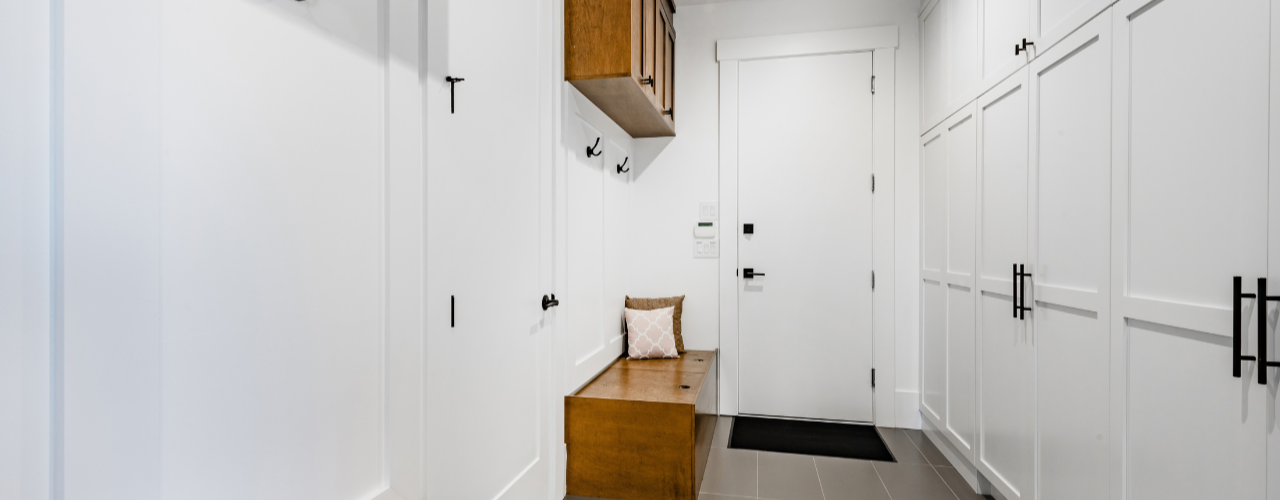
When you come home with muddy boots, an armful of bags and a coat you can’t wait to take off, it’s nice to have somewhere to put it all. With a mudroom, you can leave the outdoor mess at the door instead of carrying it through the house. Traditionally, you’d set aside a separate room, but you can just as easily use a hallway, an entryway closet, a laundry-room corner or a stretch of wall near the entrance.
Is Your Home Office Worth the Rent? What Coworking and Self Storage Could Save You
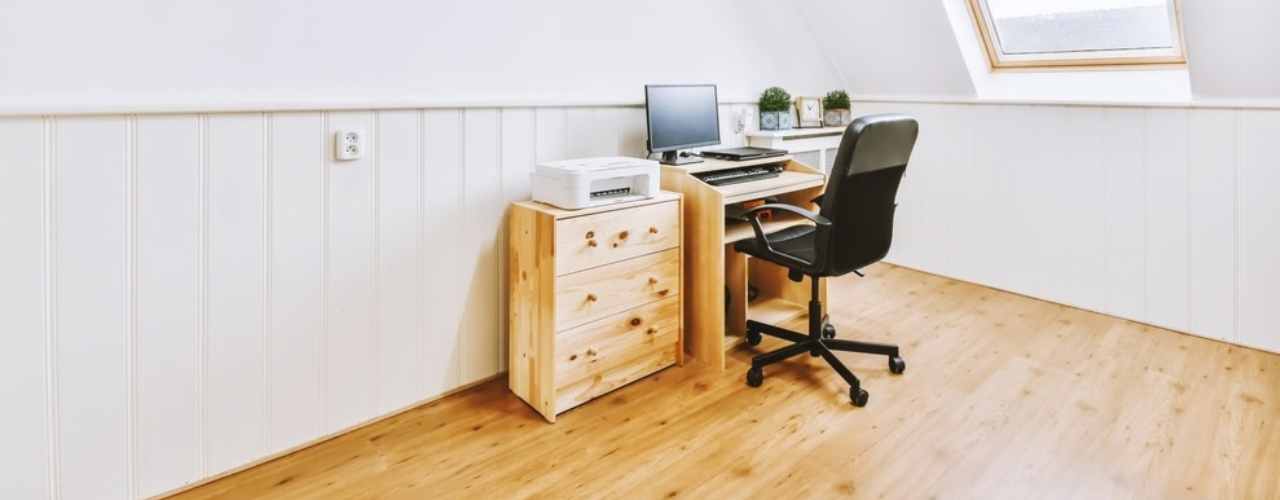
Every square foot of your apartment comes with a price tag, and a home office claims more of them than most renters expect. It starts with a desk. Then come the second monitor, the printer, the filing cabinet and the overflow boxes. Before long, the corner you set aside for work has turned into a small room you are paying for every month.

America’s Top Snowbird Destinations for 2026–2027: Florida Leads in Numbers, Texas Wins on Value
For Americans living in colder states, the approach of winter is reason enough to start looking south. Cold weather carries costs that go beyond the heating bill and shoveling snow. Seasonal affective disorder(opens in new tab) is far more prevalent in northern states, so a temporary move south isn’t simply an escape from the cold, but a chance to spend the hardest stretch of winter outdoors and in the sun.
How Much Does Halloween Really Cost in 2026? Plan Wisely to Avoid the Scare of Hidden Costs
Americans’ love for Halloween is almost frightening — this year alone, we are on our way to spending $13.5 billion, according to data from the National Retail Federation(opens in new tab). That breaks down to about $115 Halloween costs per person, a whopping 49% more than 10 years ago.
How to Store LEGOs: All the Fun, None of the Clutter
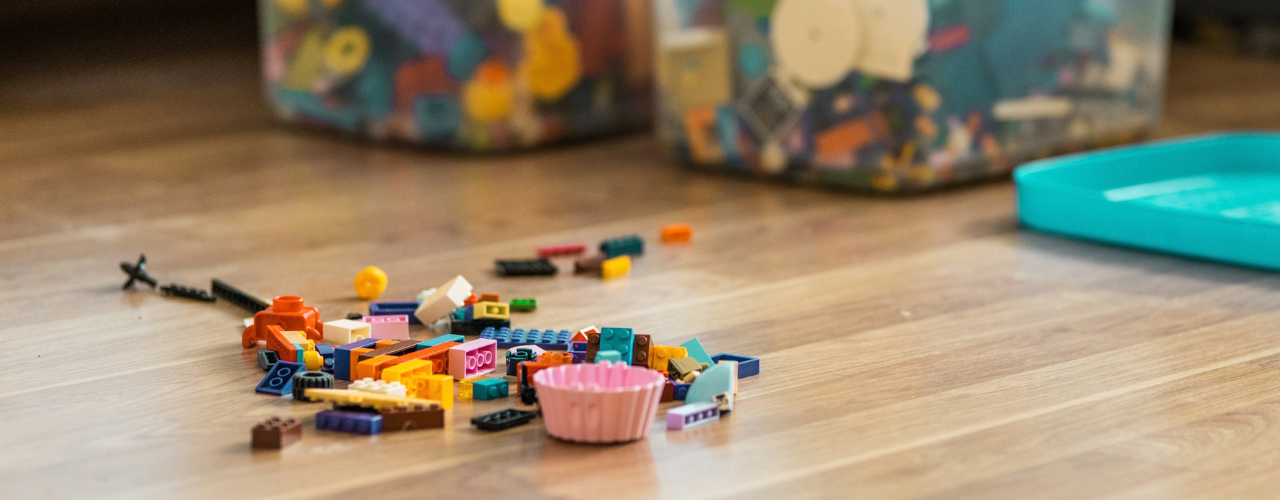
How to store LEGOs largely comes down to how your household uses them. If the bricks are part of everyday play, you need a setup that keeps them within easy reach and makes cleanup quick (for your feet’s sake, at least). Toy storage(opens in new tab) such as simple bins, playmats or containers that children can put away themselves may be enough. Larger or more serious collections usually need more organization, such as labelled drawers for loose pieces, trays for unfinished builds, shelves for completed models and separate storage for retired sets.
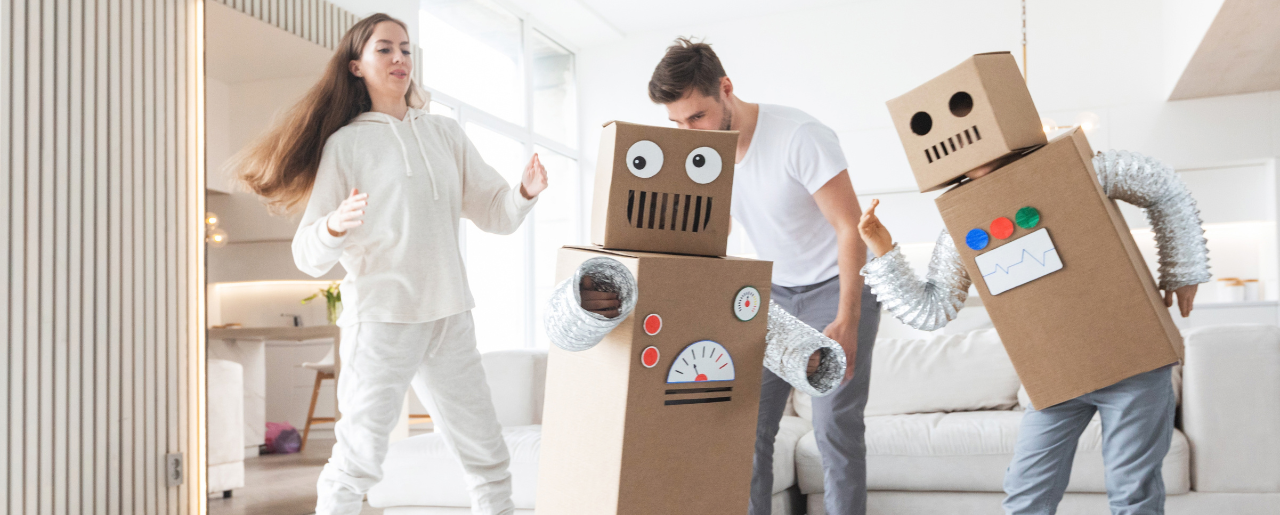
Cardboard Costume Guide: Tips and Ideas for a DIY Halloween
Whether for kids or adults, cardboard costume ideas often make the biggest splash once materialized, and that’s for a simple reason: doing a lot with a little is a universally impressive feat (especially in this economy). If you don’t have enough boxes you could temporarily repurpose, don’t worry! There are many places where you can find free moving boxes(opens in new tab), from stores and supermarkets to online groups and recycling drop-off spots. On the run? Try your luck at a self storage(opens in new tab) facility that sells moving supplies, often for cheap. This way, you can choose moving boxes of different shapes and sizes(opens in new tab), so you can make your costumes as complex as you want.

How to Celebrate Halloween: 9 Non-Spooky Ways To Enjoy It
As soon as October starts, it’s the official Halloween month. And while for many people it means it’s open season to get the scare of a lifetime, others, especially families with small children, might prefer to celebrate in a tamer way that’s both kid- and adult-friendly. While you’re likely to find more events where the spook factor is high, here’s how to celebrate Halloween in a not-so-scary way:

Motorcycle Storage Guide: How to Store Your Bike Safely
Motorcycles may be born to be wild, but eventually even the wild ones need somewhere to park. Whether riding season is winding down or your current living situation comes with plenty of square footage for you and less for your bike, motorcycle storage is one of those parts of ownership that doesn’t get as much airtime as the open road.

Halloween Decorating on a Budget (And Cheap Ideas for Everything Elsee)
Halloween has crept a long way from its eerie origins. While All Hallows’ Eve has transformed through the centuries, it wasn’t until the 1930s that trick-or-treating became a tradition in the U.S. and businesses began conjuring up mass-produced Halloween costumes. Now, Halloween is a monster-sized, billion-dollar industry, with a cauldron full of costumes and decorations ranging from the mainstream to the macabre. But is it all really worth your wallet? Maybe, but we’ll let you in on a little secret: You can keep your Halloween decorating on a budget and save on everything else, too. Take this plan and see it through!