

The newlyweds stage of your life should be enjoyable — and you can make it even better if you have a good strategy in place for merging your two households after getting married. This process can be challenging, particularly for partners who lived a long time on their own, or for those who are blending not just households but existing families as well.
Merging two households is not just about combining physical possessions but also about joining two lives, experiences and oftentimes cultures. Here are some practical and fun ways of ensuring that you create a home that truly reflects your shared journey and that you are starting your married life on the right foot:
1. Set the tone with a long talk
Start the household-merging operation by having a long talk with your partner. It’s important to discuss your routines, habits and sentimental attachments to certain belongings. This will help you understand each other’s perspective and find common ground. Explaining why you’re attached to a certain object usually works better than simply demanding your partner to be OK with your ratty old armchair in the middle of the living room.
2. Make an inventory of your possessions
Some couples buy a larger home when moving in together, which takes the pressure off a little bit from the household-merging process. In other cases, one partner moves into the other one’s existing home. That can be challenging. Obviously, the home is already furnished and fitting in extra stuff will not be easy. However, to make things fair, both partners should have the opportunity to use some of their favorite old stuff for the home they share.
Start by creating an inventory of the items you both have. Identify duplicates or items that can be combined. Assess the quality, condition and functionality of each item to determine which ones to keep. This step helps you streamline your belongings and avoid unnecessary duplicates while also making sure that both of you have the chance to keep at least some of your treasured belongings.
3. Purge, purge, purge
You simply can’t, nor should you, fit all the contents of two separate households into a new home. The only solution is to go through a thorough decluttering process. From clothing and books to big-ticket items like furniture and appliances, keep only the items that you need, use regularly and have the space for. As always, sentimental items are hardest to part ways with. Keep some of the most meaningful ones, and find alternative ways of dealing with the rest, such as digitizing images, creating collages or repurposing when possible.

4. Grant veto rights
One way to avoid endless negotiations regarding one item or another is for you and your partner to grant each other a certain number of vetoes on the other’s belongings. It can be one, or three, or more — it really depends on both of you. Veto power can definitely be an asset when confronted with the prospect of displaying a really ugly ceramic gnome collection in your front yard, for example. However, it should be used with consideration toward your partner’s feelings and never to get rid of something truly important to them.
5. Host a “house merging” party
This is a fun and great bonding activity that will help you “rehome” some of the belongings that didn’t make the cut for your new household. Even better, you get to help some of your family and friends. Instead of having a traditional housewarming party where people bring you gifts, consider hosting a “house merging” party. Invite close friends and family from both sides and gift them the items you no longer need. From furniture and appliances to kitchenware and decorations, you’ll most likely have a lot to give. Many guests might need them and appreciate the gesture. Whatever is left, you can donate or recycle.
7. Seek professional help if needed
If merging households becomes overwhelming or you’re struggling to find common ground, consider seeking the assistance of a professional. An interior designer or home organizer can provide perspective and practical solutions on how to set up the new home so that everyone is happy with the outcome.
7. Rent self storage
Sometimes, storage space at home might simply not be enough, even after a lot of purging, decluttering and organizing. Many people nowadays are working from home, which requires some extra space. Some have hobbies, are collectors or run a small business from their living room. And when two such people, each with their own needs and interests, are moving into a shared space, things can get challenging.
A smart way to solve your storage issues after merging households is by renting a self storage unit located close to your home. This way, both of you can hold on to your precious belongings while also enjoying a neat, clutter-free home. From comic books or vinyl record collections to art supplies, sports equipment, hobby gear or even a vintage car — getting hitched doesn’t mean that you have to give up possessions that are truly meaningful to you. You can keep all that and much more in self storage, a service that’s widely available across the country.

Prices for self storage vary depending on location. A 10’x10’ storage unit in Dallas, TX, for example, rents for around $117 per month, while the same type of storage unit in New York City is over $250. The national average for a 10’x10’ unit stands at $128. To give you a better idea about the availability and cost of self storage services in various areas of the United States, check out average rates in some major cities across the country:
[vc_column width=”1/3″][vc_column_text]
[/vc_column_text][/vc_column]
[vc_column width=”1/3″][vc_column_text]
[/vc_column_text][/vc_column]
[vc_column width=”1/3″][vc_column_text]
[/vc_column_text][/vc_column]
8. Create personal space for each of you
Moving in together doesn’t have to prevent you from doing your own thing. And having a quiet corner to relax and decompress is important for everyone. That’s why you should create personal spaces within your shared home.
Allocate areas where each partner can pursue individual hobbies, interests or personal time. Even if you don’t have space for full-blown hobby rooms, a gaming room and such, you can still set up areas inside the home where both partners can do their thing in peace. Whether it’s a cozy reading nook or a home gym, there are many ways of organizing the interior space so that everyone’s needs are satisfied. By having dedicated personal spaces, you can strike a balance between togetherness and individuality.
9. Create a collaborative art piece
What better way to start decorating your new home than an art piece that represents both of you? Purchase a large canvas or create one by joining smaller canvases, and work on a collaborative art piece. Each partner can contribute their artistic expression using different colors, mediums or techniques. The finished artwork can be prominently displayed in your home, representing the unique blend of your personalities and styles.
10. Start a traditions jar
Each partner comes with their own set of family traditions, celebrations, habits and so on. Maybe one of you loves baking and decorating elaborate cookies for Christmas, while the other grew up playing board games each New Year’s Eve. Why not carry such sweet traditions further and include them in your new family life? One fun way to honor both partners’ family traditions and create new ones is by starting a “traditions jar.” Write down different customs or activities from each partner’s family and place them in the jar. Each month, or more often if you are so inclined, take turns picking a tradition from the jar and incorporate it into your shared life. This practice fosters a sense of togetherness and respect for each other’s backgrounds.
11. Designate a memory wall
Create a dedicated space in your new home that showcases photographs, mementos and memorabilia from both partners’ pasts. Display your favorite childhood photos, concert tickets, travel souvenirs or other sentimental items. This memory wall serves as a visual representation of your individual histories and reminds you of the journey that led you to this point of merging your households.

12. Have a nostalgia night
Set aside an evening to indulge in nostalgia by going through old photo albums, home videos or letters from your separate pasts. Share stories and memories with each other, providing insight into your backgrounds and personal experiences, from your favorite summer camp back in middle school to your college years. This activity fosters a deeper understanding and appreciation for each other’s unique past while creating new memories together.
13. Compromise on household chores
If there’s one major thing you can do right after moving in together that will foster a sense of harmony in your household for years to come, it’s establishing a fair division of household chores and responsibilities. Understand each other’s strengths, preferences and schedules. Assign tasks that play to your strengths and take turns tackling different chores. Be flexible and willing to adapt as you find a routine that works for both of you.
Even more important when it comes to merging households — have fun while doing it! What other strategies worked for you when moving in with your partner? Let us know in the comments.



Moving From a House to an Apartment: What to Expect, How to Downsize & How Self Storage Helps
For some, moving from a house to an apartment is a financial decision. For others, it’s about simplifying life. Maybe the kids have moved out and half the house sits empty, or you’re approaching retirement and no longer want to spend weekends on repairs. Or perhaps you’ve been weighing the cost of buying a home and wondering whether renting simply makes more sense right now.
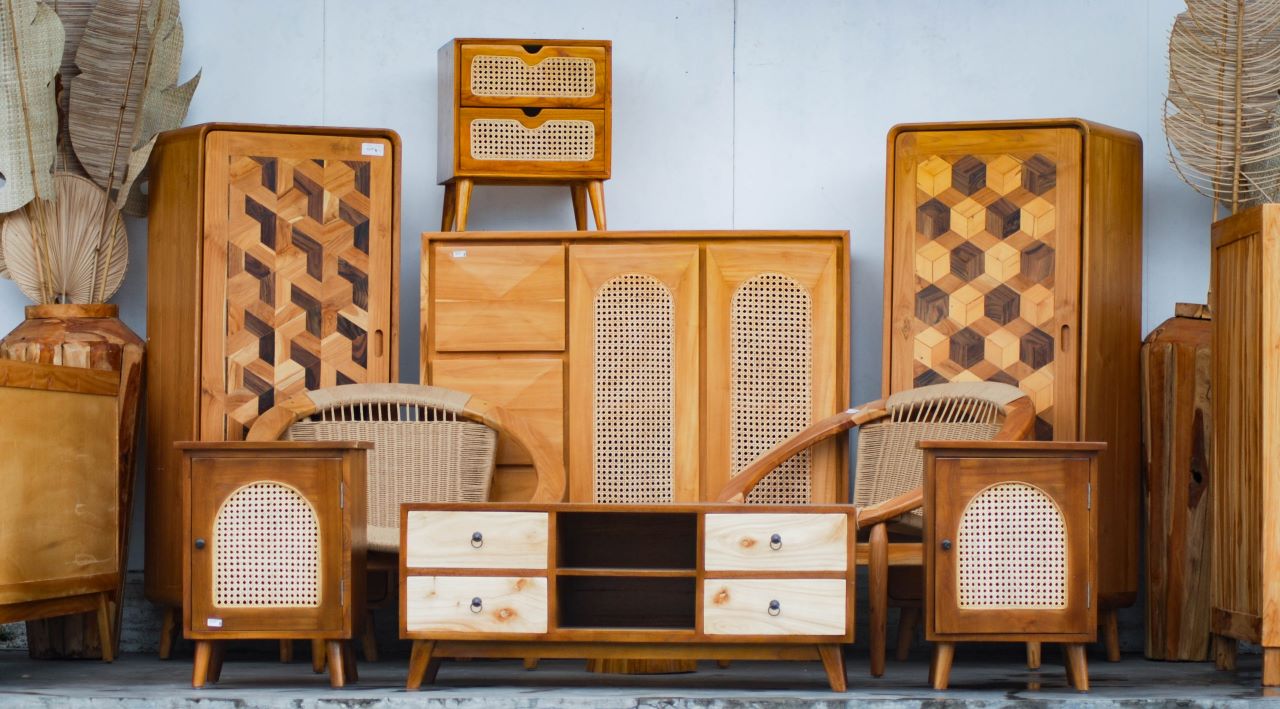
Family Heirlooms Overload: How to Handle Family Inheritance Without Regret
Handling family heirlooms after a loss requires managing legal authority, emotional pressure and practical logistics at the same time, and the order you take them on matters more than most people expect.
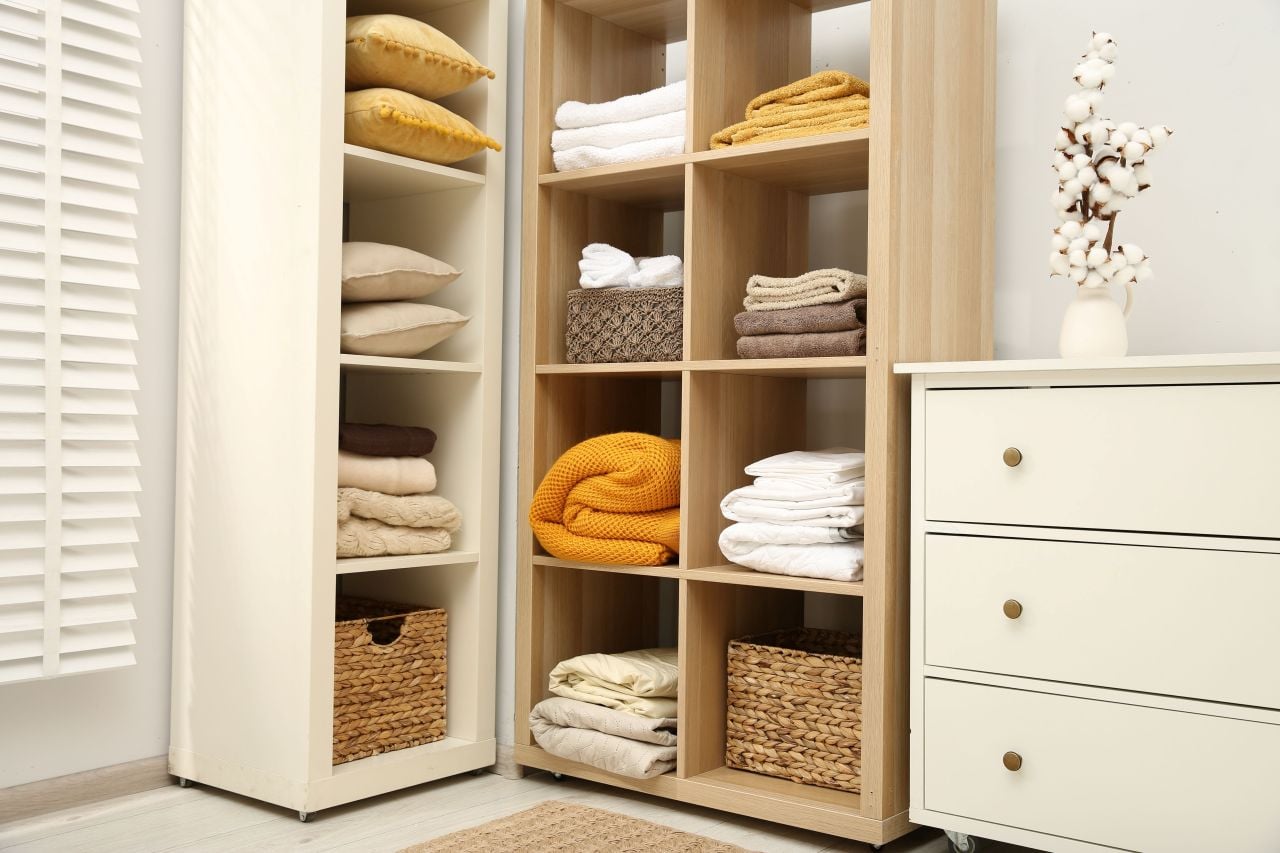
Blanket Storage: The Right Method for Every Space and Season
Blankets make our lives cozier, and storing them well is what keeps them soft and comfortable in the long run. Knowing how to store a blanket properly means your favorites come out of storage smelling fresh, feeling the same as when they went in, and lasting years longer than they otherwise would.

Board Game Storage Ideas That Keep Your Collection in Fighting Shape
Nobody warns you that getting into board games usually unlocks a second hobby, the much dreaded one that includes figuring out where on earth to put them. One game becomes a few, expansions start spawning beside their base boxes and before long, board game storage requires as much strategy as whatever is waiting on the other side of those lids.

Storage Locker vs. Storage Unit: What’s the Difference?
A locker and a unit may sound like two names for the same four walls and a lock, and depending on the storage facility, you may even see the terms used that way. However, once you start comparing available spaces, storage lockers tend to occupy the smaller end of the spectrum, while storage units(opens in new tab) give you considerably more room to work with.

Storage Ideas for Small Spaces: 9 Ways to Max Out Your Home
A messy home contains the seeds of its organization. Those seeds are everywhere: the space above doors, under beds, behind sofas and inside furniture can all become storage. Here are the best storage ideas for small spaces, so you can make the most of your cozy home.
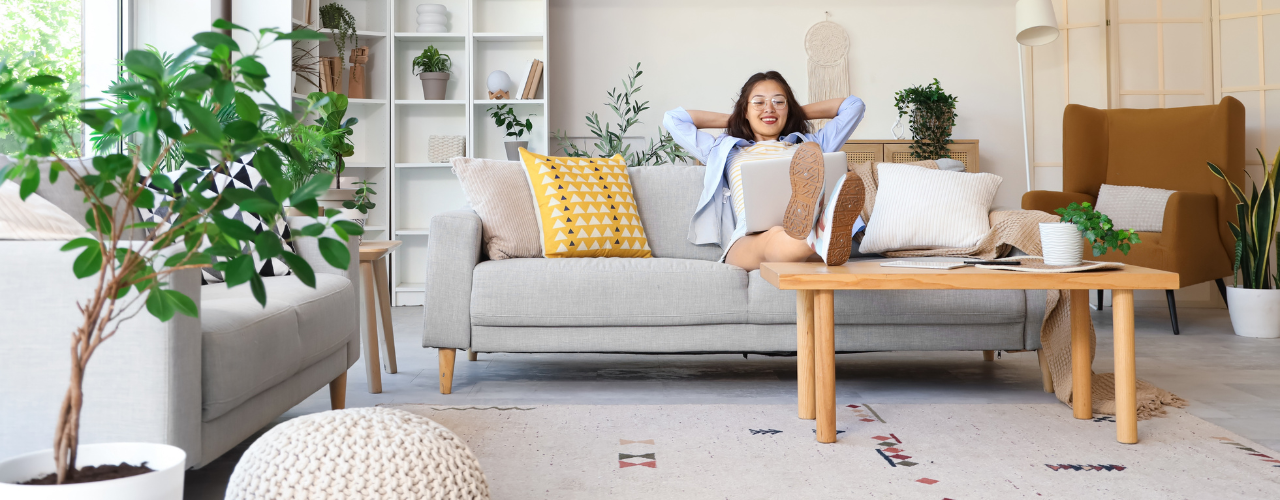
Best U.S. Cities to Live Uncluttered: Plano, TX, Offers the Most Room to Breathe
Clutter is in our homes as much as in our heads. Both are shaped by where we live.
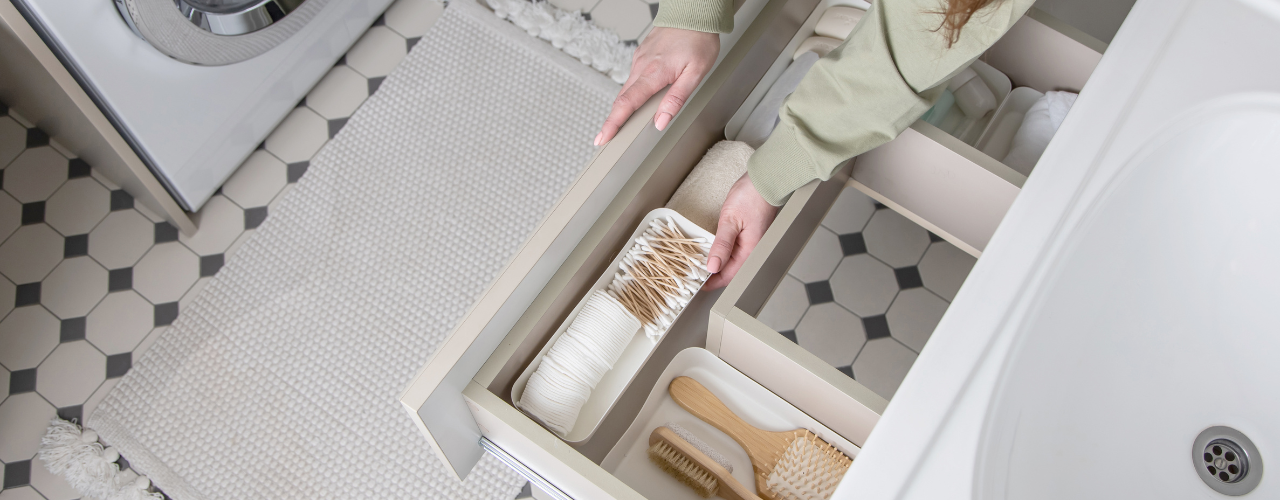
How to Organize Your Bathroom: 8 Ways to Stay Tidy
You already know why an organized bathroom is worth the effort, but let us remind you: it makes rushed mornings easier, keeps counters cleaner and just helps get you in the mood to go through your skincare routine like you should. Plus, in bigger households, it helps everyone find what they need. And you know how much a tidy bathroom counts for your self-esteem when a guest or a partner shows up. Luckily, you don’t need a degree to know how to organize your bathroom. The secret is keeping less, giving every item a home and making that home simple to use. Let’s go through some practical steps can help you create a bathroom that stays functional and nice to look at.

How to Use Silica Gel Packets for Storage
Moisture can cause significant damage to items in storage, leading to rust on tools, mold on clothing and warping in documents. Silica gel uses science to fix that. Often found in small packets inside product packaging, silica gel is a desiccant that absorbs moisture from the air, keeping your stored items dry and protected. This guide explains what silica gel is, how it works and how you can use it to preserve your belongings in self storage.