

A locker and a unit may sound like two names for the same four walls and a lock, and depending on the storage facility, you may even see the terms used that way. However, once you start comparing available spaces, storage lockers tend to occupy the smaller end of the spectrum, while storage units(opens in new tab) give you considerably more room to work with.
That difference becomes important when you’re staring at a pile of belongings and trying to work out how much space you’re paying to put between them and your home. A few boxes call for a different setup than furniture waiting out a move, and going bigger than you need means paying every month for square footage that mostly holds air.
Before you get locked into either option, take inventory of what needs a temporary home. The amount you’re storing, the dimensions of your larger items and how often you’ll want to get to them can help settle the storage locker vs. storage unit question before you sign on the dotted line.
Storage locker vs. storage unit: What’s the main difference?
Storage lockers and storage units share the same basic job: giving your belongings somewhere to live outside your home. The biggest difference comes down to how much space you get and how you can use it once the door opens.
A storage locker sits at the compact end of self storage, usually offering less floor space and a lower ceiling than a standard unit. A storage unit gives you a full-height space that you can generally walk into, with sizes stretching from closet territory all the way to spaces capable of holding the contents of an entire home.
Storage locker vs. storage unit size
This is where the two really part ways. Storage lockers commonly stay below 25 square feet, although exact dimensions depend on the facility. You might come across a 2’x2′, 3’x3′ or 4’x5′ locker, while some operators offer reduced-height 5’x5′ spaces as well.
Standard storage units generally begin around 5’x5′(opens in new tab) and climb through familiar sizes such as 5’x10(opens in new tab)‘ and 10’x10′(opens in new tab), with large units reaching 10’x30′(opens in new tab) or beyond. At that point, you have enough room to move beyond bins and start storing larger household items.
Don’t forget to look up
Floor space only tells half the story with a storage locker. Reduced height is one of its defining characteristics, with lockers commonly standing around three to six feet depending on the operator and configuration. Some are even stacked, with upper lockers reached using rolling stairs. Standard storage units are full height, with eight-foot ceilings common.
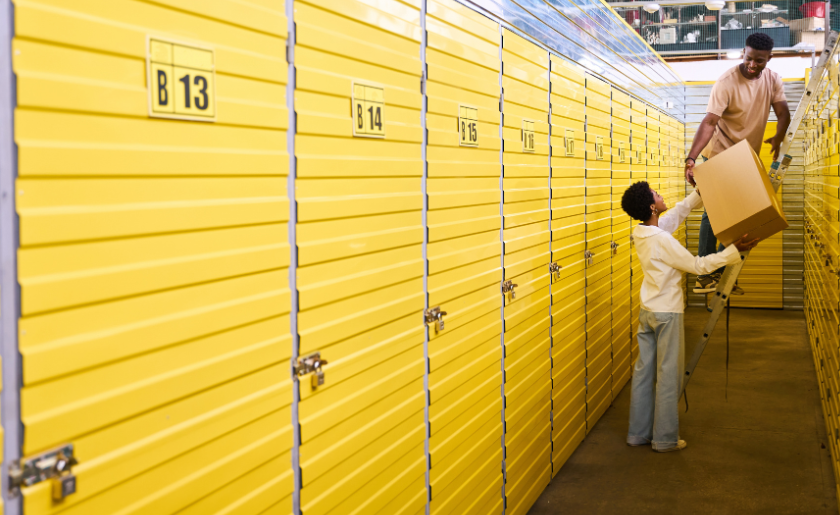
That missing vertical space can change the answer to “Will it fit?” very quickly. A 5’x5′ locker and a 5’x5′ storage unit may occupy the same patch of floor, yet usable volume can differ substantially once vertical space is factored in.
Access looks a little different
Storage lockers are generally found inside storage facilities, and their compact or stacked designs mean you’re usually carrying your belongings to them through the building. An upper locker may involve rolling stairs, which is worth remembering before volunteering to haul anything heavy up there.
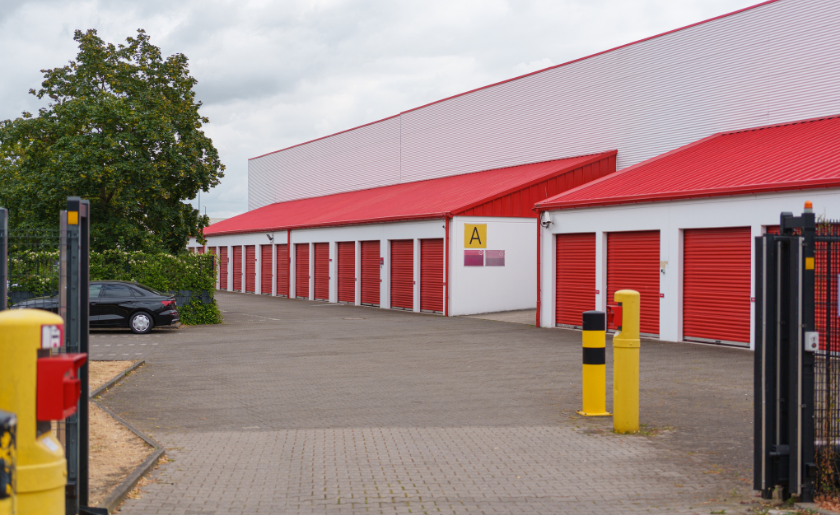
Storage units come with a wider range of access options, and depending on the facility, you may find indoor units reached by hallway or elevator as well as ground-level and drive-up spaces.
Which one is easier to find?
Storage units win this round simply because they’re the standard offering at self storage facilities. Lockers are less ubiquitous and tend to appear more often in dense urban markets, where squeezing useful storage into a smaller footprint has obvious appeal.
Finding the perfect locker dimensions on paper doesn’t guarantee the facility down the street will have one waiting. Checking availability before you start packing can save you from having to rethink the whole storage plan with boxes already taped shut.
Does a storage locker cost less than a storage unit?
Generally, yes. You’re renting considerably less space with a locker, so the monthly rate tends to sit below that of a standard storage unit. The actual price still depends on where you live, the dimensions of the space and the facility itself, which makes how much a storage locker costs a little harder to answer with one universal number.
A storage unit gives your budget a wider range to work with because prices scale with size and features.
What is a storage locker?
There’s a sizable gap between an overflowing closet and a houseful of furniture, and storage lockers cater to renters sitting somewhere in between. You aren’t renting a room you can wander around in or planning where the sofa will go. You’re getting a compact spot for belongings that need to leave the house without needing a room of their own.
Depending on the facility, opening one might look more like opening a large cabinet than rolling up the door of a conventional storage unit. Some lockers sit at ground level, while others are built above or below another locker to make use of the available wall space. That setup is useful in urban storage facilities.
The appeal becomes obvious when your storage problem is annoying rather than enormous. Maybe your closets have reached capacity or you need somewhere outside the apartment for belongings you only reach for occasionally. Renting a full-size unit can feel excessive when everything you’re trying to relocate occupies one small corner of your home.
A locker also forces you to be a little more deliberate about what goes inside. Since you won’t have much room to stand around, packing order counts. Belongings you’ll want sooner should stay within easy reach, while sturdy containers can help you make better use of the available space without turning every visit into an excavation.
What is a storage unit?
A storage unit gives you more room to play with, starting with compact 5’x5′ spaces and working up through 5’x10′, 10’x10′, 10’x20′ and even larger options. With standard units generally offering around eight feet of height, you can also take advantage of vertical space rather than working within the reduced height of a locker.
At the smaller end, a 5’x5′ storage unit has 25 square feet of floor space and can accommodate boxes along with smaller pieces of furniture. A 5’x10′ unit doubles that footprint to 50 square feet, giving the contents of an average bedroom somewhere to land. Once you reach a 10’x10′, you’re working with 100 square feet, enough for the contents of a studio or one-bedroom apartment in many cases.

Access changes with the type of unit you choose. Indoor units are reached from inside the storage facility, with elevators available at multistory properties, while drive-up units let you pull a vehicle directly in front of the door. The latter can save you quite a few steps when moving bulkier and heavier belongings.
Larger units can take on much more substantial moves. A 10’x20′, for example, offers 200 square feet of floor space and can accommodate the contents of a multi-bedroom home, depending on how much furniture you’re bringing along. At that scale, you’re well beyond finding somewhere for household overflow and into territory where an entire move can live behind one door.
That range is what separates a storage unit most clearly from a locker.
What can you fit in a storage locker?
A storage locker works best when you think in three dimensions rather than floor space alone. Two lockers with the same length and width can hold very different amounts once height enters the equation, so measure your bulkiest items before assuming they’ll squeeze in. Smaller lockers such as 2’x2′ and 4’x4′ can suit a couple of boxes or specific pieces of gear.
A locker can be a good home for things like:
- Boxes of old books(opens in new tab) or paperwork
- Seasonal clothing
- Sports equipment — golf clubs, rackets, compact gear
- Collectibles(opens in new tab) and hobby supplies
- Compact sports gear
- Smaller household items that don’t need much floor space
When do you need a storage unit instead?
Sometimes your belongings make the storage locker versus storage unit decision for you.
A storage unit is probably the better choice when you’re dealing with:
- Furniture or appliances that need full-height clearance
- Several rooms’ worth of belongings during a move
- Business inventory(opens in new tab) that comes and goes regularly
- Bulky items that would be difficult to maneuver into a locker
- Belongings you want to organize with enough room to reach them later
- Temperature-sensitive items that would benefit from a climate-controlled unit
How you plan to use the space can tip the scales as much as what you’re putting inside. For frequent visits, a drive-up unit lets you park beside the door and move belongings directly between the space and your vehicle, something handy for heavy furniture or rotating business inventory. Indoor units may offer climate control(opens in new tab) when you’re storing belongings that don’t take kindly to major swings in temperature or humidity.
You’ll also have more choice when access matters. Depending on the facility, storage units may come with extended or 24-hour access, gated entry and other security features. Those extras aren’t necessary for every renter, though they’re worth looking at when your storage space will function as somewhere you visit regularly rather than somewhere you pack once and forget about.
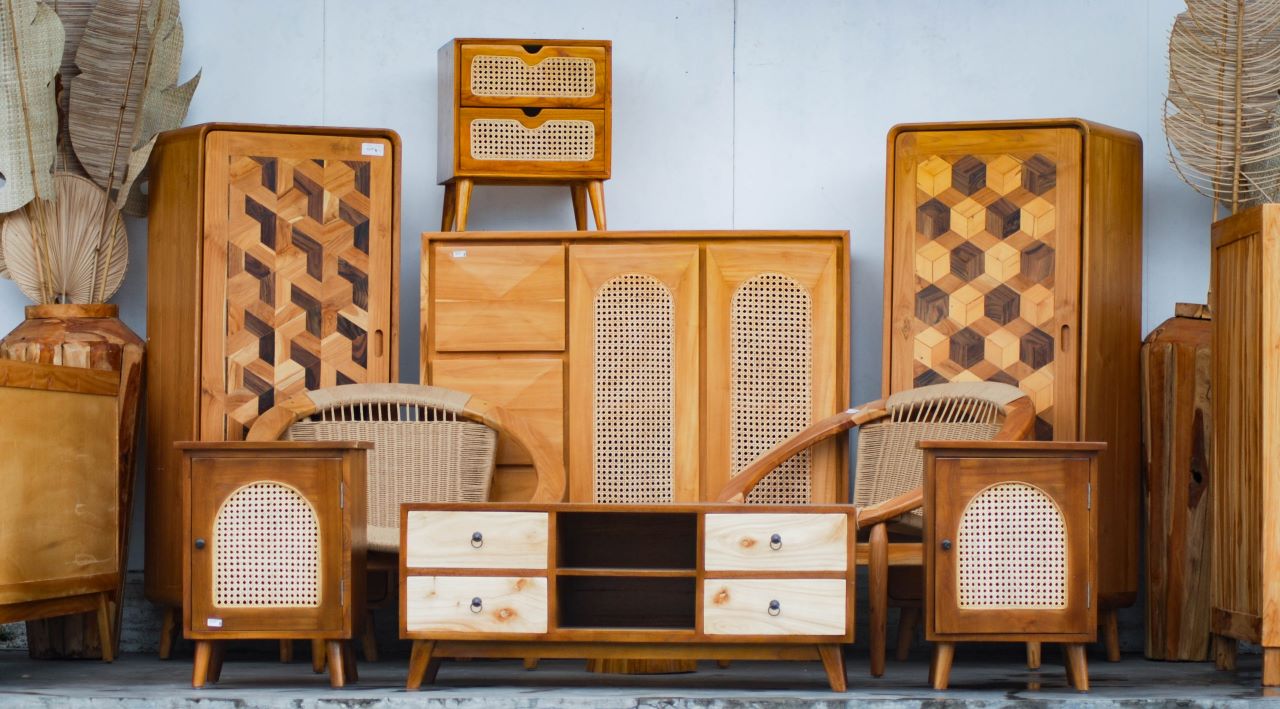
And when you’re still debating whether you can squeeze everything into a locker, let the sofa have the final say.
How much does a storage locker cost?
A smaller footprint usually comes with a smaller bill, although how much a storage locker costs can swing depending on where you’re renting. Unlike standard unit sizes, lockers come in all sorts of dimensions and configurations, making a single national price much less useful.
Lockers can range from under $10/month in lower-cost markets to over $100/month in high-demand cities. Location alone can turn a tiny storage footprint into a very different monthly bill.
Even within one facility, dimensions aren’t the only thing determining the price. A standard locker and a climate-controlled one of the same size can sit at very different price points, and location inside the building, access options and amenities all get a vote when the monthly rate is set.
Availability plays its part as well, as lockers aren’t offered at every facility, so finding a great rate only helps when there’s one available to rent. Compare nearby options and pay attention to the full dimensions and features rather than letting the lowest monthly number make the decision for you.
FAQ
What’s the difference between a storage locker and a POD?
A storage locker lives at a fixed facility you visit when you need access. A POD (or portable storage container) is delivered to your location, loaded on your timeline and then transported to a storage facility or your new address. PODs tend to suit moves and renovations, while lockers work better for ongoing off-site storage without the logistics of a delivery.
Can a business use a storage locker?
Yes, for the right kind of inventory. A locker works well for businesses storing documents, samples, small equipment or seasonal supplies that don’t require frequent restocking runs. Businesses with high-volume or bulky inventory, or those needing regular drive-up access, will generally find a standard storage unit more practical.
Can you get a climate-controlled storage locker?
Climate-controlled lockers exist but aren’t as widely available as climate-controlled units. Where they do appear, expect to pay a notable premium — a Manhattan facility, for example, lists climate-controlled 4’x4′ lockers at nearly three times the rate of a standard locker at the same property. If temperature and humidity matter for what you’re storing, confirm climate control is available before choosing a locker over a unit.
Do storage lockers require a lease or long-term commitment?
Most storage facilities — for both lockers and units — operate on a month-to-month basis, so you’re rarely locked into a long-term contract. Some facilities offer discounts for paying several months upfront, but the standard arrangement gives you the flexibility to leave with relatively short notice, typically 30 days or less.
Lock in the right amount of storage
Choosing between a storage locker and a storage unit gets easier once you stop thinking about which one sounds like the better deal and start looking at what you need to put inside.
Measure before you book, especially when a locker is in the running, and don’t forget that height can change how much usable room you’re getting. From there, compare prices and features at nearby facilities rather than automatically upsizing just for peace of mind.
Get the fit right and you can lock this decision away with the rest of your stuff.


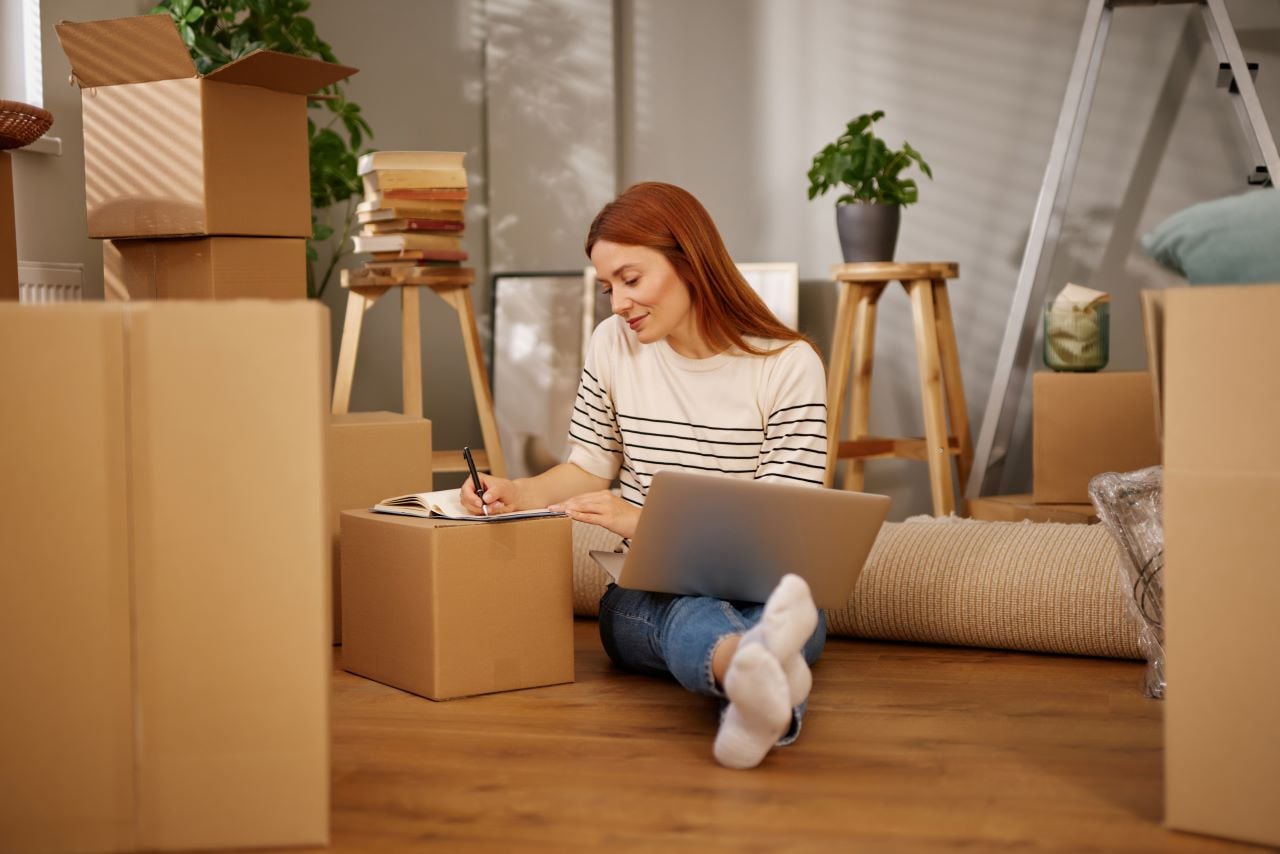
Moving From a House to an Apartment: What to Expect, How to Downsize & How Self Storage Helps
For some, moving from a house to an apartment is a financial decision. For others, it’s about simplifying life. Maybe the kids have moved out and half the house sits empty, or you’re approaching retirement and no longer want to spend weekends on repairs. Or perhaps you’ve been weighing the cost of buying a home and wondering whether renting simply makes more sense right now.
Family Heirlooms Overload: How to Handle Family Inheritance Without Regret
Handling family heirlooms after a loss requires managing legal authority, emotional pressure and practical logistics at the same time, and the order you take them on matters more than most people expect.
Blanket Storage: The Right Method for Every Space and Season
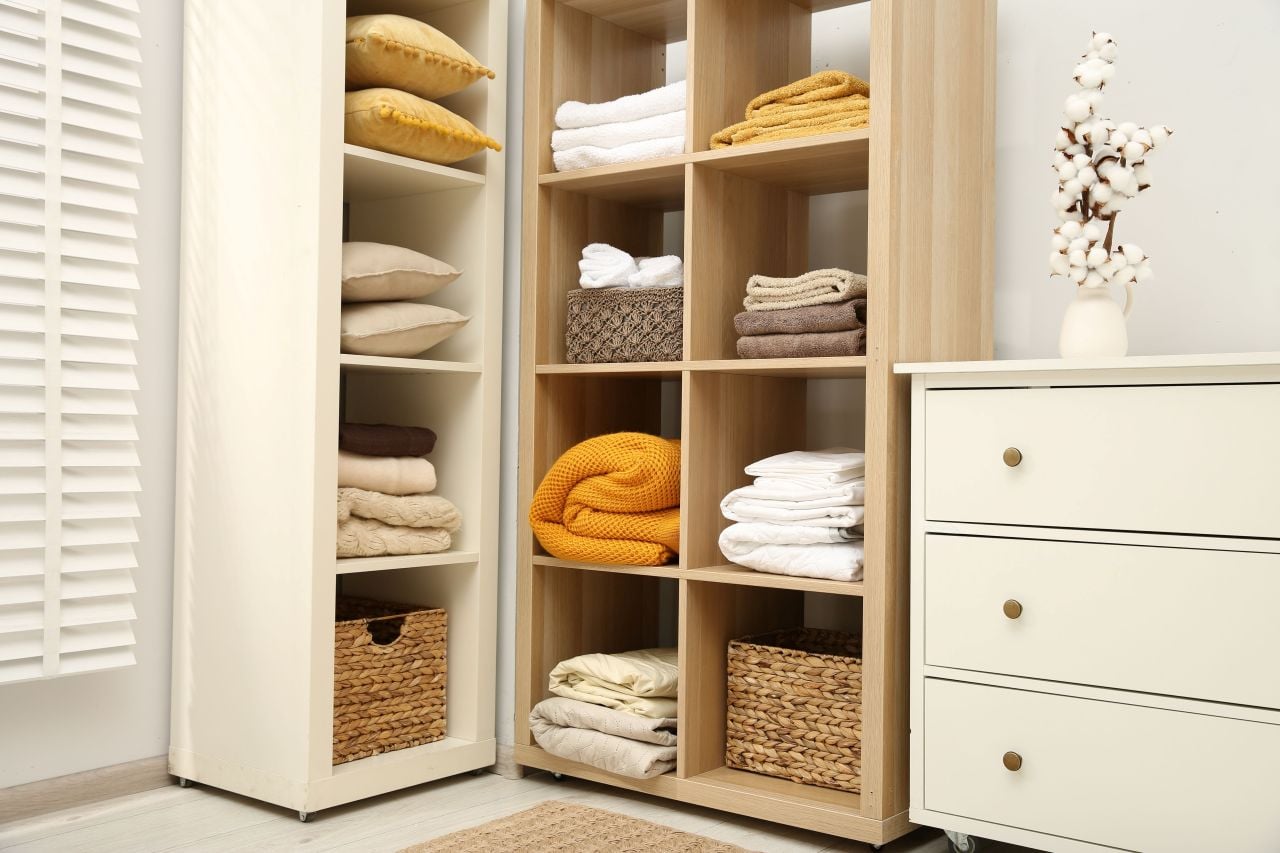
Blankets make our lives cozier, and storing them well is what keeps them soft and comfortable in the long run. Knowing how to store a blanket properly means your favorites come out of storage smelling fresh, feeling the same as when they went in, and lasting years longer than they otherwise would.

Board Game Storage Ideas That Keep Your Collection in Fighting Shape
Nobody warns you that getting into board games usually unlocks a second hobby, the much dreaded one that includes figuring out where on earth to put them. One game becomes a few, expansions start spawning beside their base boxes and before long, board game storage requires as much strategy as whatever is waiting on the other side of those lids.

Storage Locker vs. Storage Unit: What’s the Difference?
A locker and a unit may sound like two names for the same four walls and a lock, and depending on the storage facility, you may even see the terms used that way. However, once you start comparing available spaces, storage lockers tend to occupy the smaller end of the spectrum, while storage units(opens in new tab) give you considerably more room to work with.
Storage Ideas for Small Spaces: 9 Ways to Max Out Your Home
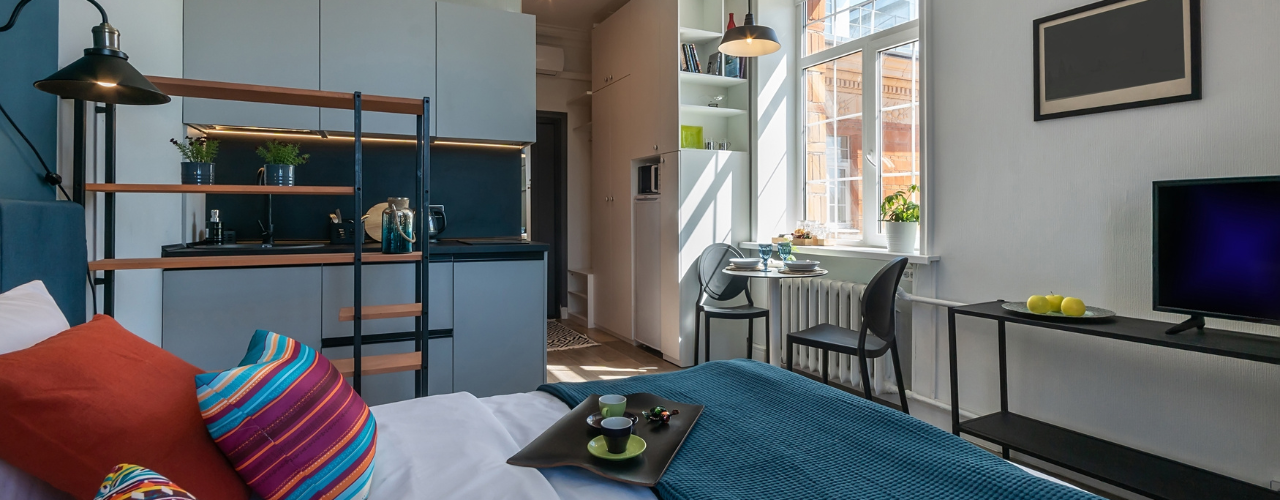
A messy home contains the seeds of its organization. Those seeds are everywhere: the space above doors, under beds, behind sofas and inside furniture can all become storage. Here are the best storage ideas for small spaces, so you can make the most of your cozy home.

Best U.S. Cities to Live Uncluttered: Plano, TX, Offers the Most Room to Breathe
Clutter is in our homes as much as in our heads. Both are shaped by where we live.
How to Organize Your Bathroom: 8 Ways to Stay Tidy
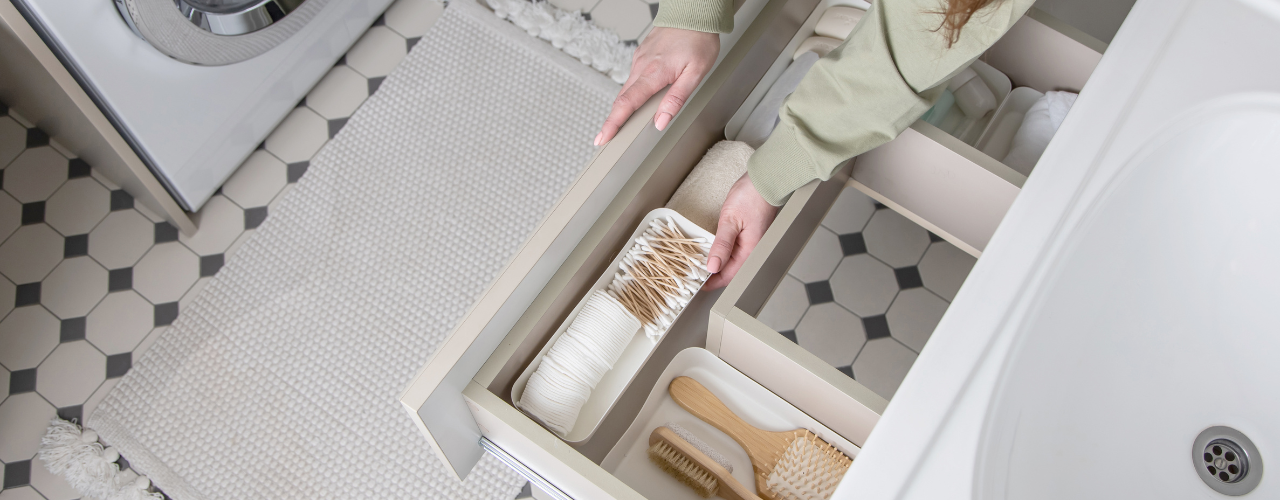
You already know why an organized bathroom is worth the effort, but let us remind you: it makes rushed mornings easier, keeps counters cleaner and just helps get you in the mood to go through your skincare routine like you should. Plus, in bigger households, it helps everyone find what they need. And you know how much a tidy bathroom counts for your self-esteem when a guest or a partner shows up. Luckily, you don’t need a degree to know how to organize your bathroom. The secret is keeping less, giving every item a home and making that home simple to use. Let’s go through some practical steps can help you create a bathroom that stays functional and nice to look at.

How to Use Silica Gel Packets for Storage
Moisture can cause significant damage to items in storage, leading to rust on tools, mold on clothing and warping in documents. Silica gel uses science to fix that. Often found in small packets inside product packaging, silica gel is a desiccant that absorbs moisture from the air, keeping your stored items dry and protected. This guide explains what silica gel is, how it works and how you can use it to preserve your belongings in self storage.