

San Antonio, Texas, supports its residents with a strong self storage sector that steps up whether they are in the process of moving or simply need a place to store excess possessions. It has adapted to changing circumstances and needs, maintaining a strong client base, and its competitiveness helps keep street rates attractive for renters.
San Antonio’s diversified economy takes in health care, financial services, petrochemicals, and automobile manufacturing. It is sometimes known as Military City on account of the large armed forces presence, and this sector plays a considerable part in the local economy. The city attracts twenty million tourists a year, visiting not only the Alamo but also the Tower of the Americas, with its sky-high restaurant, and the beautiful River Walk beside the San Antonio River. All such economic factors help put money in residents’ pockets and keep the local self storage sector healthy.
Being the 7th most populous city in the US, and the 2nd most populous in Texas, San Antonio has a large self storage sector. It’s generous too, offering locals about 9.3 square feet of storage per capita, as per Yardi Matrix data for October 2020. This is on a par with other Texan cities and much more than would be available elsewhere in the country — Los Angeles, Boston, Washington, DC, and New York cannot offer more than 5.5 square feet per person, for example. Street rates in the city maintain Texas’s reputation for good value storage, with a non-climate-controlled 10’x10’ unit renting for an average of $96, half what one would cost in San Francisco, for instance.
A boom in the construction of self storage facilities in Texas was followed by a comparative deceleration and adjustment in activity more recently. Jonathan Vollinger, a director at Austin-based HPI Real Estate, reckons that “With little development remaining in the pipeline in Texas markets, I expect they’ll be among the first to return to healthy levels of supply and demand.” Further indicating San Antonio’s economic health going forward, its unadjusted unemployment rate for October 2020 was 6.3%, on a downward trajectory, and slightly below the averages for both Texas and the nation as a whole. Self storage street rates in the city have been rebounding somewhat, with the average costs of non-climate-controlled units in sizes from 5’x5’ to 10’x20’ experiencing no decreases in October 2020.
 To find out more about the current state of the San Antonio self storage industry we talked to Susan Hovey at Strat Property Management. They manage facilities in Texas under the Lockaway Storage brand, maintaining a particularly strong presence in and around San Antonio. Susan and her colleagues — their responses are very much a team effort! — report that competition in the city is strong, but so is demand. Because storage was considered an essential business, they were able to keep their locations open and all their team members employed. They report that San Antonians rent units and store belongings at least as much as they were pre-COVID-19, and that there is also an influx of new residents who need to rent — the city’s population experienced a 16.56% increase from 2010 to 2019. Good customer service, a move to online procedures that maintain maximum safety, and a strong web presence are all key features to offer at this time.
1: What is the self storage picture in San Antonio these days and what are the challenges it is facing?
The self-storage industry in San Antonio is pretty competitive. Recently the need for storage seems to have grown. My guess is the pandemic. Many families are downsizing due to job loss and need to store their items so we have continued to rent units. We are also renting units because some people are moving in with family.
2: How has COVID-19 changed the way in which self storage owners operate their facilities in San Antonio?
We are trying to be sensitive to our customers’ needs. We are keeping the properties very clean and sanitized, but out biggest operation change has been making contactless move-ins available by allowing customers to e-sign documents and having units prepped with locks inside. We offer our customers masks and have installed sneeze guards for both the customers and our team’s protection.
3: What in your experience are the most important extra services to offer customers?
Friendly customer service is always the most important factor. It seems that providing merchandise is important to provide customers, especially secure locks for their storage. In addition, providing an option for online payments and extended gate hours. And at certain locations, truck rentals, package delivery and trash access have been great services we provide to our tenants.
4: What special offers and discounts have you found to be most effective for attracting customers?
We try to ensure we have a competitive price and a better special than competitors. Free lock with an online rental has helped us keep an edge. Our promotions vary at each location to keep us competitive and we are proud to offer senior and military discounts.
5: Have San Antonians changed their self storage habits as a result of COVID-19?
Not necessarily, tenants are still visiting our facilities and moving in at a consistent rate. Only for a few months did it affect storage dramatically, but a lot of that had to do with us taking time to put in safety precautions. People still need to move and people still need storage. A much bigger move toward online move-ins, more customers enrolling in autopay, but also more past due tenants as a result of COVID-19.
6: If you offer vehicle storage, can you tell us anything about what sort of cars people store?
We have tenants that are active duty military so they store their personal vehicle in the unit while they are deployed. Others will store their work vehicles, or some will store their project vehicles they work on. We offer boat, vehicle and RV storage at certain locations. We occasionally have food trucks and 18-wheelers stored at our facilities as well.
7: In your experience, what are the best ways to deal with cases where customers can no longer pay rent on a unit?
This is always an unfortunate situation where we encounter someone who is unable to pay their rent. Auctioning off a unit is usually our last resort, so we like to work out deals with tenants so that both parties are satisfied.
8: San Antonio is sometimes known as the ‘Something to Remember’ City! Can you recall any amusing or unusual self storage industry stories you can tell us?
From customers that share way too much personal information to discovering units with bizarre findings. I once had the police show up asking questions about whether or not a particular customer had been on the property. It turns out he was under suspicion of stealing a corpse from a funeral home and they thought he might have stored it in his unit! Thankfully he had not been on our property recently!

San Antonio has a strong self storage sector which serves its residents’ needs both in good times and in more challenging circumstances. Clearly local providers have found the best ways to meets their clients’ changing needs, with streamlined contact-free procedures, well-targeted offers, and great customer service to the fore. It is a healthy sign that the sector in the city is competitive and yet strong enough so that there is not necessarily a need to let employees go. San Antonio and Texas are looking forward to the future, and it is fully to be expected that self storage continues to be a helpful and vital part of their residents’ lifestyles.



Living Room Storage Ideas: 28 Ways to Reclaim Your Hosting Space
If a living room is where most of a household’s living happens, good storage should be the top priority for setting up or revamping the place. After all, think of how easier it would be to have people over when tidying up the place is just a matter of putting things in their right place (in a time when fewer and fewer people are entertaining friends at home(opens in new tab)). The trick is making room for all those wayward clothes, blankets, chargers and other small things that end up on (or, inexplicably, in) the sofa. Here are 28 living room storage ideas to get you started and make tidying up a quick affair.
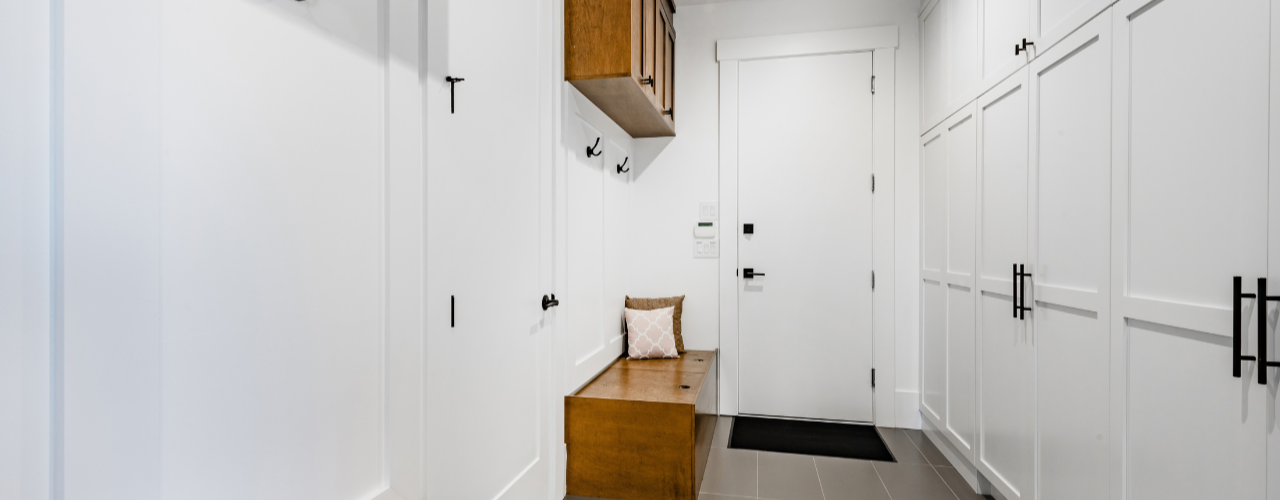
25 Mudroom Storage Ideas (And Mistakes to Avoid)
When you come home with muddy boots, an armful of bags and a coat you can’t wait to take off, it’s nice to have somewhere to put it all. With a mudroom, you can leave the outdoor mess at the door instead of carrying it through the house. Traditionally, you’d set aside a separate room, but you can just as easily use a hallway, an entryway closet, a laundry-room corner or a stretch of wall near the entrance.
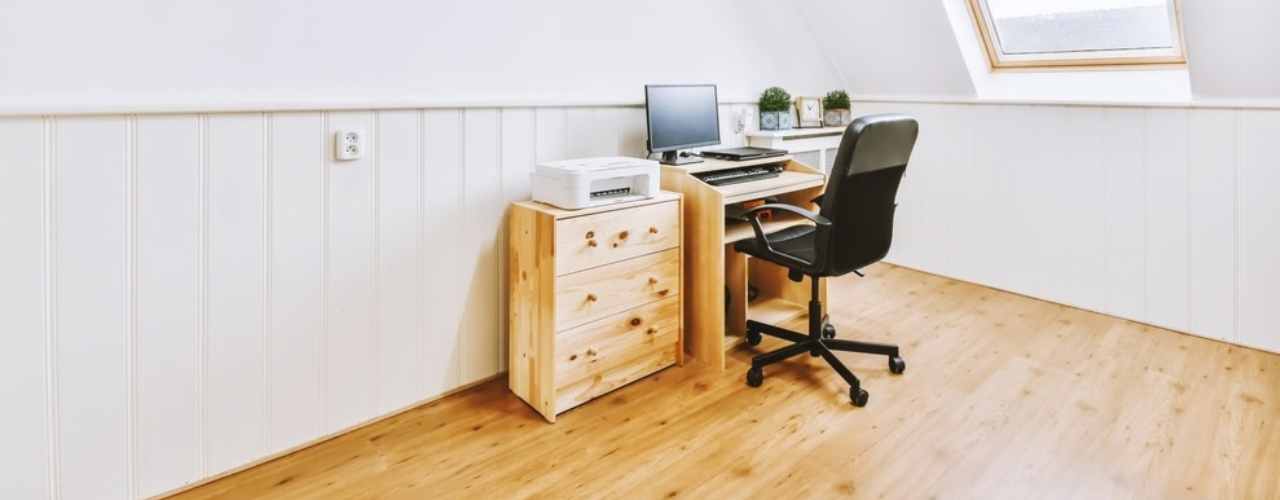
Is Your Home Office Worth the Rent? What Coworking and Self Storage Could Save You
Every square foot of your apartment comes with a price tag, and a home office claims more of them than most renters expect. It starts with a desk. Then come the second monitor, the printer, the filing cabinet and the overflow boxes. Before long, the corner you set aside for work has turned into a small room you are paying for every month.

Best U.S. Cities to Live Uncluttered: Plano, TX, Offers the Most Room to Breathe
Clutter is in our homes as much as in our heads. Both are shaped by where we live.

America’s Top Snowbird Destinations for 2026–2027: Florida Leads in Numbers, Texas Wins on Value
For Americans living in colder states, the approach of winter is reason enough to start looking south. Cold weather carries costs that go beyond the heating bill and shoveling snow. Seasonal affective disorder(opens in new tab) is far more prevalent in northern states, so a temporary move south isn’t simply an escape from the cold, but a chance to spend the hardest stretch of winter outdoors and in the sun.
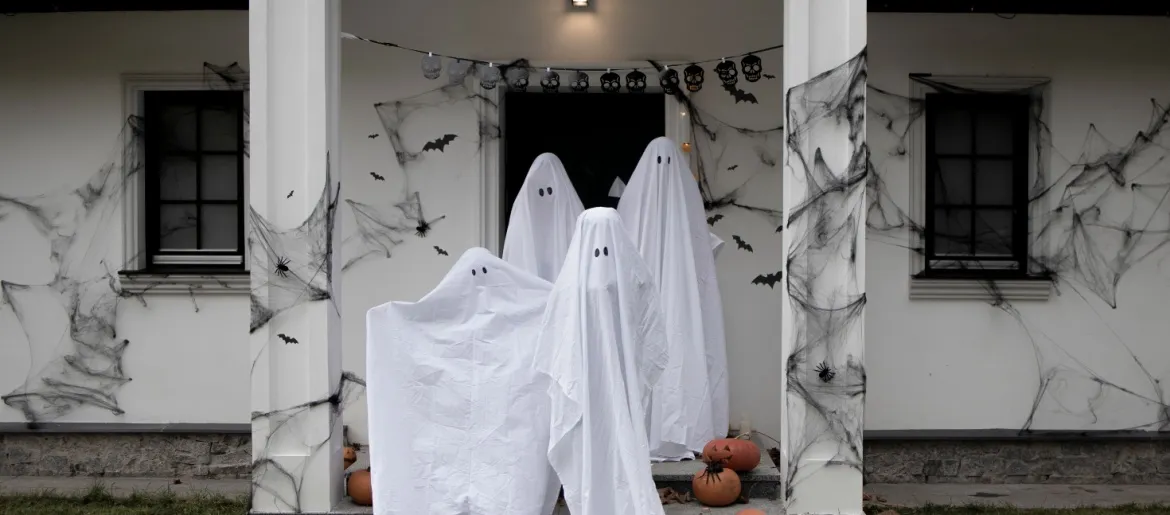
How Much Does Halloween Really Cost in 2026? Plan Wisely to Avoid the Scare of Hidden Costs
Americans’ love for Halloween is almost frightening — this year alone, we are on our way to spending $13.5 billion, according to data from the National Retail Federation(opens in new tab). That breaks down to about $115 Halloween costs per person, a whopping 49% more than 10 years ago.
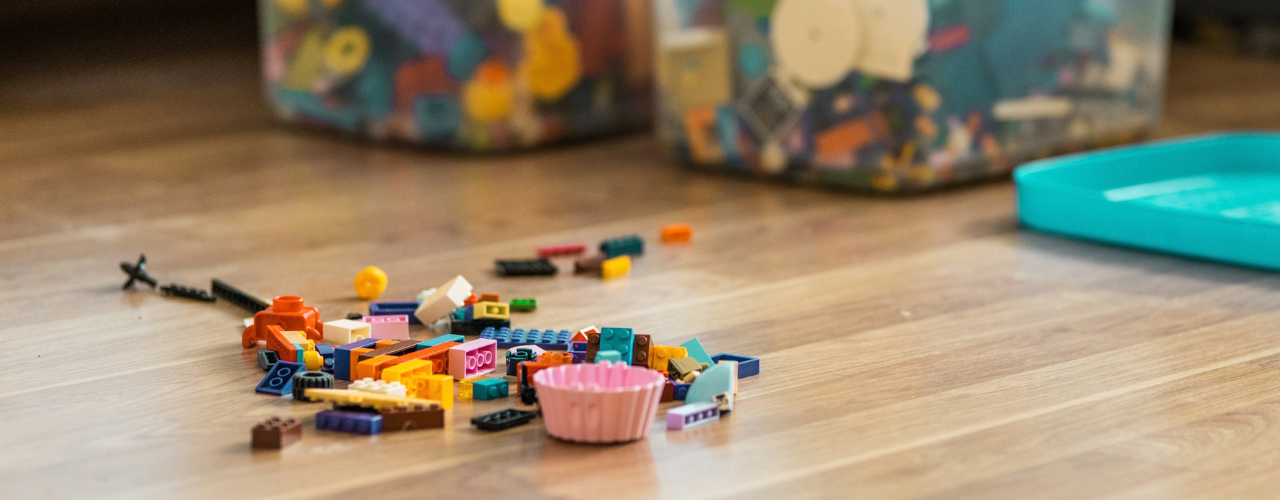
How to Store LEGOs: All the Fun, None of the Clutter
How to store LEGOs largely comes down to how your household uses them. If the bricks are part of everyday play, you need a setup that keeps them within easy reach and makes cleanup quick (for your feet’s sake, at least). Toy storage(opens in new tab) such as simple bins, playmats or containers that children can put away themselves may be enough. Larger or more serious collections usually need more organization, such as labelled drawers for loose pieces, trays for unfinished builds, shelves for completed models and separate storage for retired sets.

Cardboard Costume Guide: Tips and Ideas for a DIY Halloween
Whether for kids or adults, cardboard costume ideas often make the biggest splash once materialized, and that’s for a simple reason: doing a lot with a little is a universally impressive feat (especially in this economy). If you don’t have enough boxes you could temporarily repurpose, don’t worry! There are many places where you can find free moving boxes(opens in new tab), from stores and supermarkets to online groups and recycling drop-off spots. On the run? Try your luck at a self storage(opens in new tab) facility that sells moving supplies, often for cheap. This way, you can choose moving boxes of different shapes and sizes(opens in new tab), so you can make your costumes as complex as you want.

How to Celebrate Halloween: 9 Non-Spooky Ways To Enjoy It
As soon as October starts, it’s the official Halloween month. And while for many people it means it’s open season to get the scare of a lifetime, others, especially families with small children, might prefer to celebrate in a tamer way that’s both kid- and adult-friendly. While you’re likely to find more events where the spook factor is high, here’s how to celebrate Halloween in a not-so-scary way: