

With summer in tow, we’re all looking to lead a more active lifestyle. If this is the year when you’re considering taking up a water paddling sport, you have a choice of kayaking, canoeing and, more recently, paddleboarding. If you haven’t tried any of these, you might be wondering: What’s the difference between them? All three use paddles, but there are differences among them. To help you decide which is best for you, we put together a list of ways in which canoes, kayaks and paddleboards are different:
1. Purpose
The first difference that springs to mind is the purpose of the boat. You can use a kayak in competitive sports or where water could be more challenging. On the other hand, you use a canoe, paddleboard or stand-up paddleboard (SUP) most commonly for leisure. While an SUP can only accommodate one person, a canoe is fit for several people. Most kayaks fit only one rider, but you can also find kayaks that accommodate two or three riders.
2. Design
Design is also an area where kayaks, canoes and paddleboards differ. Canoes come with an open deck, and kayaks come with a closed one. This directly impacts storage and seating. For instance, you can pack a few belongings on a canoe but not as much inside a kayak. Additionally, seating is more secure when kayaking, while canoeing offers more freedom of movement. Moreover, paddleboards go for the full “open space” design, which means you’re operating on a flat surface when you’re on the water.
3. Seating
Of the three sports, seating is the most similar between canoes and kayaks, with a few differences. Passengers in both sit, though canoers may kneel. If they’re sitting, canoers typically have their knees against the top edge, wedging their knees against the sides of the boat to keep it stable. Kayakers also sit, but unlike canoers, they can stretch their legs out in front of them in the kayak. They typically rest their knees on thigh braces to find extra support. Since a kayak is a more compact boat, it almost acts as an extension of the kayaker.

If you’re going with a paddleboard, there is no designated seating area per se. However, Its smooth surface can be you seat while you’re on the water, where you’re SUPing or not.
4. Setting up
Most canoes, hard-shell kayaks and paddleboards come with almost no setup time. On a kayak, you might have to adjust the seat and the footrests to fit the person riding in it. As for a canoe, getting your oars into place is practically all you have to do to be ready to “set sail.” Put them in their sockets, whether on the outside or inside of the canoe. Make sure your canoe comes with outside sockets, as this will prevent the oars from hitting the gunwale with each stroke.
If you have an inflatable kayak or paddleboard, you will need about 10 minutes to inflate it, attach fins and get it ready. Paddleboards typically take less preparation time to get ready.
5. Paddles
Paddles are another area where differences arise between the three types of sporting devices. For instance, canoe paddlers use single-bladed paddles, which are great for long and stable propulsion. This makes canoeing great for families looking to explore lakes comfortably. Kayaks usually take double blade as this is a much better way to propel yourself on the water and increase speed.
For paddleboarding, you might need to find a paddle that responds to your needs and your paddling style. Whether you’re going for a classic paddleboard or an SUP, you might need a paddle that’s both light and stiff to help you transfer the power of your stroke more efficiently. Carbon or fiberglass paddles are particularly lightweight but come with a higher price tag. You can also get plastic or aluminum paddles, which are both lightweight and affordable. Besides, they strain your joints less.
6. Accessibility
Canoeing, kayaking and paddleboarding are not difficult for beginners to pick up. However, of the three of them, stand-up paddleboarding is the easiest to learn if you have excellent balance. Even if you do fall in the water, getting back on an SUP is relatively easy, and let’s face it, falling in is just part of the experience.

Canoeing is also easy to master, as it typically takes two people to control one. It takes relatively little time to learn how to steer in tandem. With kayaks, it’s easy to learn how to paddle and man the boat — the sole difficulty lies in learning how to get in and out without flipping it.
7. Stability
If you go for a stand-up paddleboard, you’re required to stand, as the name suggests. This implicitly raises your center of gravity away from the water, increasing your chances of falling, especially in choppy water. The standing part is what makes SUP unique and why many people still choose it.
A canoe, however, has an edge over an SUP, as you sit and have another person on board who helps balance out the boat. Thus, a canoe is relatively more stable than an SUP. If stability is what you’re looking for, a canoe is your best bet. Kayaks might help you lower your center of gravity is much closer to the water, but due to their shape, they’re more likely than canoes to flip. Canoes, however, are much more stable.
8. Comfort
When it comes to comfort, seated paddling is possible in almost all three options, unless you go for an SUP. If you paddle long distances in a kayak, canoe or a classic paddleboard, you can get a little stiff. However, paddling a kayak or a canoe takes less effort long-distance than paddling an SUP. You can paddle an SUP from a seated position as well, but it’s not as comfortable as paddling a kayak.
9. Effort and fitness
If a good workout is one of your goals when you’re out on the water, the SUP is the winner by far. When you’re paddleboarding standing up, you engage almost all the muscles of your body. It’s a great way to stay in shape, and it beats going to the gym, in our opinion.

That doesn’t mean that canoeing and kayaking leave you with no exercise benefits, as paddling in either of these types of boats engages your shoulders, back, chest, abdominal muscles and arms. Regardless of which of these three you pick, working out like this on the water is easy on your hips and knees. No matter which type of boat you choose, the main thing is to spend a relaxing day on the water, whether you’re looking to idly paddle or you’re ready to conquer the rapids.
10. Speed
Kayaks are best at getting you through the water the fastest, followed by canoes. A kayak’s low center of gravity and the double-bladed paddle can help propel it much faster. If speed on the water is what you’re looking for, an SUP can also be a good fit. You just have to go for a board with a long sleek design that can cut through the water with ease.
11. Versatility
Versatility is also something that might interest you. If you’re a fan of various waters and climates, you must look for a type of boat that can fit the bill. For instance, kayaks are perfect for both warm- and cold-water paddling. If you’re out on cold water on a windy day, the kayak’s seated position will protect you from the chill of the strong winds.
Warmer climates, on the other hand, are perfect for SUPs and canoes. Paddling from a standing position exposes you to the cool ocean breeze and the refreshing water splashing on your feet. You can always easily jump in the water to cool off on a hot day. If you’re canoeing in warm weather, you can take in some of the cool breezes as most of the canoe is open, allowing you to feel the elements as you paddle.

12. Sightseeing
SUPs have an advantage over kayaks and canoes if you want to really take in the sights, as you can have a better view of the landscape. You stand up high and enjoy 360-degree views, which allows you to see further out. This has made SUP travel tours popular. If you’re inside a canoe or a kayak, you’re typically sitting, which means you can still enjoy the sights around you but not as extensively as if you were on an SUP.
13. Transportation
You might also want to factor in transportation when you pick your next type of paddle-based sports item. Both SUPs and kayaks that are inflatable have an edge over the hard case ones, as they’re lighter and easier to maneuver. However, their rigid counterparts might perform slightly better on the water. You can always look into the benefits of inflatable SUPs and rigid boards if you’re not sure which one to pick.

14. Storage
When considering storage, there are two aspects to it:
- Onboard storage
If you plan on going on a whole-day paddling trip, onboard storage options are a must. This feature also comes in handy if you plan on being on the water for just a couple of hours.
Canoes are best able to provide gear storage while you’re out and about on the water. Their design includes space for camera gear, food, water and more. Make sure your onboard gear doesn’t affect the balance of the boat once passengers are on board.
If you’re going for a kayak, you will also have a little bit of gear storage space. You can place your items in the holes built into the hull of the boat, which have watertight lids. There might be additional storage in the form of webbing in the cockpit or on the hull.
Paddleboards feature no storage options unless you create them yourself. Webbing or netting is a nifty storage solution while paddleboarding so that you can bring your gear with you on the water.
- Off-water storage
Once you come back home from your adventures, it’s time to think about where to store your canoe, kayak or paddleboard. Inflatable kayaks and paddleboards take little space to store, but hard-shell boards need a little more.
If you live in a single-family home, you could carve out some space in the garage, but if you live in an apartment, it might be more challenging to find room. You can always turn to self storage to keep your canoe, kayak, or paddleboard outside your home. This space can also come in handy if you live in a city with small apartment sizes, such as Seattle or New York City. Renting a self storage unit in Seattle costs about $195/month. If you’re not sure which unit size you need, a paddleboard could probably fit inside a 10’x10′ unit, but a two- or three-seater kayak would need a 10’x15′ or 10’x20′ unit to accommodate it.
Bottom line: If you can’t decide between a kayak, canoe or paddleboard, you can’t try them all to see which best fits your style. The good news is that regardless of your final decision, each of them can help you get outside and taste the sheer joy of being on the water.


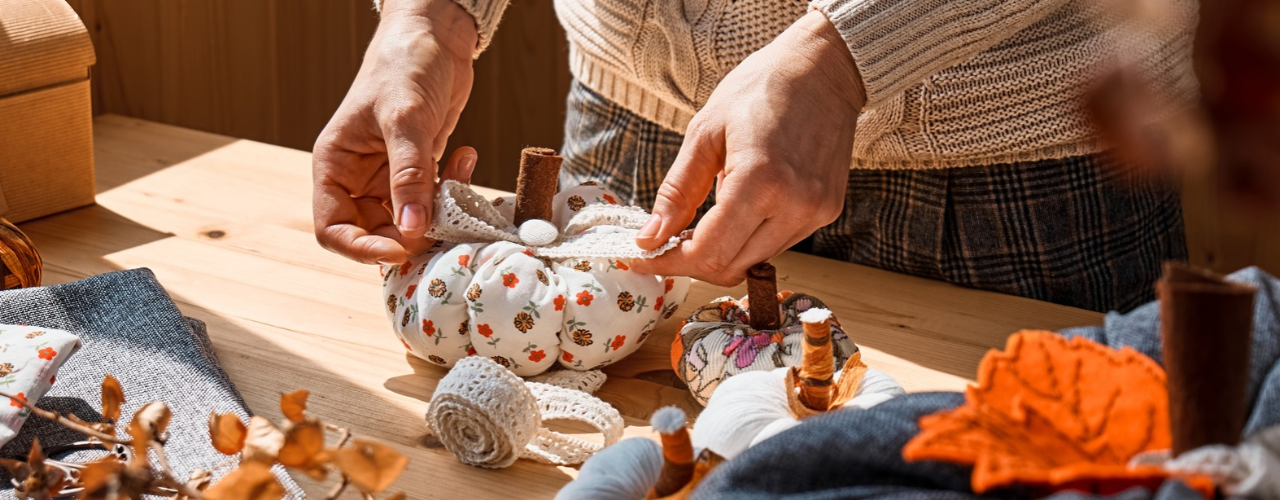
Scary Good DIY Halloween Decorations That Won’t Haunt Your Wallet
A few floating candles in the hallway, a family of ghosts by the front door and a suspicious number of bats climbing up the bedroom wall can make October feel a whole lot spookier. While Halloween stores are full of tempting finds, some of the best DIY Halloween decorations can come from things you already have tucked away in drawers, closets or the recycling bin.
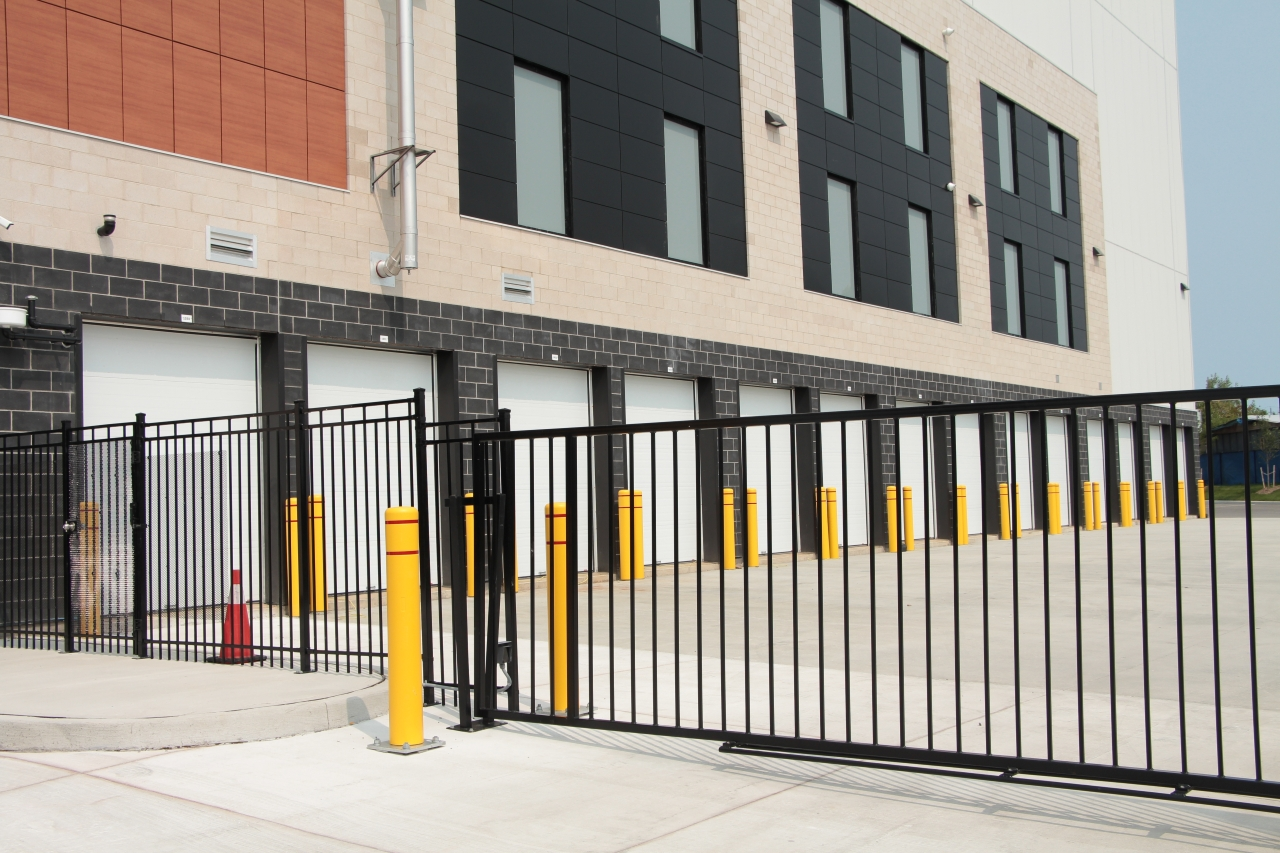
Suburban Giants and Urban Risers: Where America’s 100 Largest Metros Fall on the Self Storage Map
Self storage has long been a suburban story. Across America largest 100 metros, 59% of the inventory built over the past decade sits outside city cores, largely preserving the ratio of the total existing inventory.
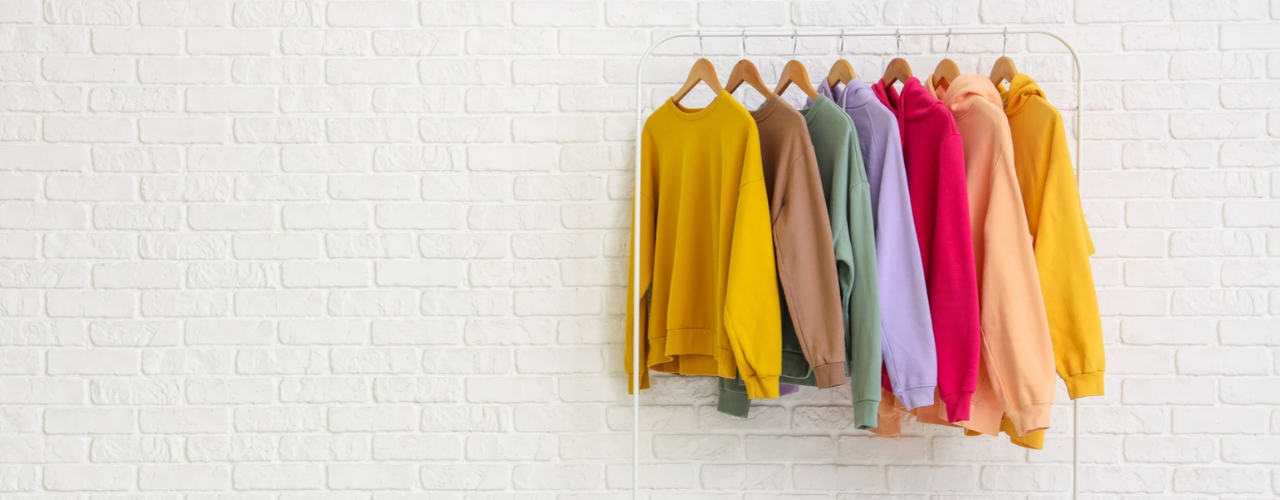
Sweatshirt Storage Ideas Worth Keeping Up Your Sleeve
Sweatshirts are great until you realize how much room they take up. A few thick hoodies can fill a drawer fast, with lighter crewnecks getting squashed underneath or pushed somewhere you forget about. Good sweatshirt storage can make that pile much easier to manage without requiring a bigger closet.
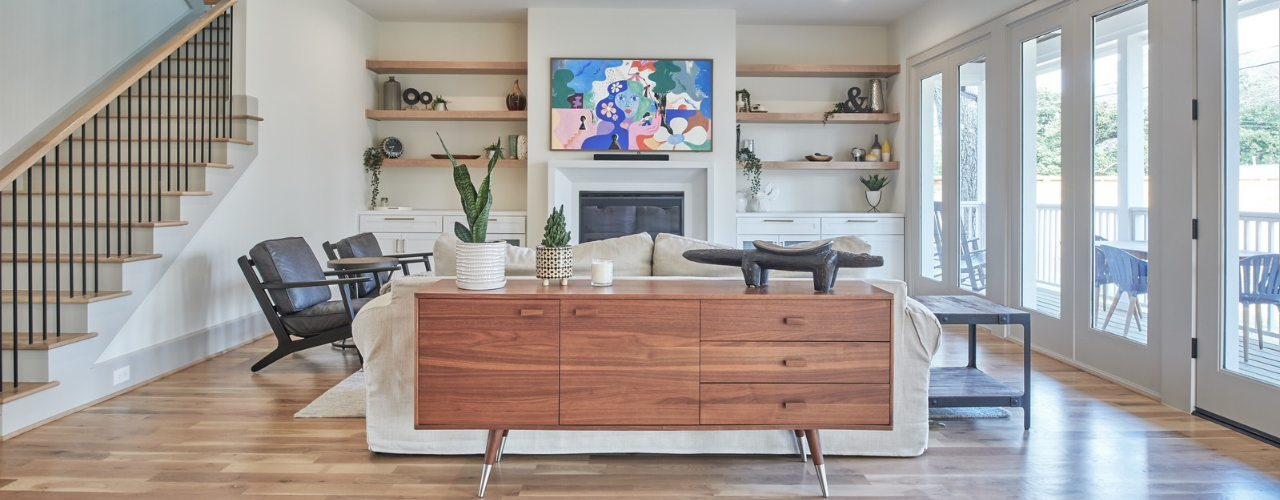
Living Room Storage Ideas: 28 Ways to Reclaim Your Hosting Space
If a living room is where most of a household’s living happens, good storage should be the top priority for setting up or revamping the place. After all, think of how easier it would be to have people over when tidying up the place is just a matter of putting things in their right place (in a time when fewer and fewer people are entertaining friends at home(opens in new tab)). The trick is making room for all those wayward clothes, blankets, chargers and other small things that end up on (or, inexplicably, in) the sofa. Here are 28 living room storage ideas to get you started and make tidying up a quick affair.
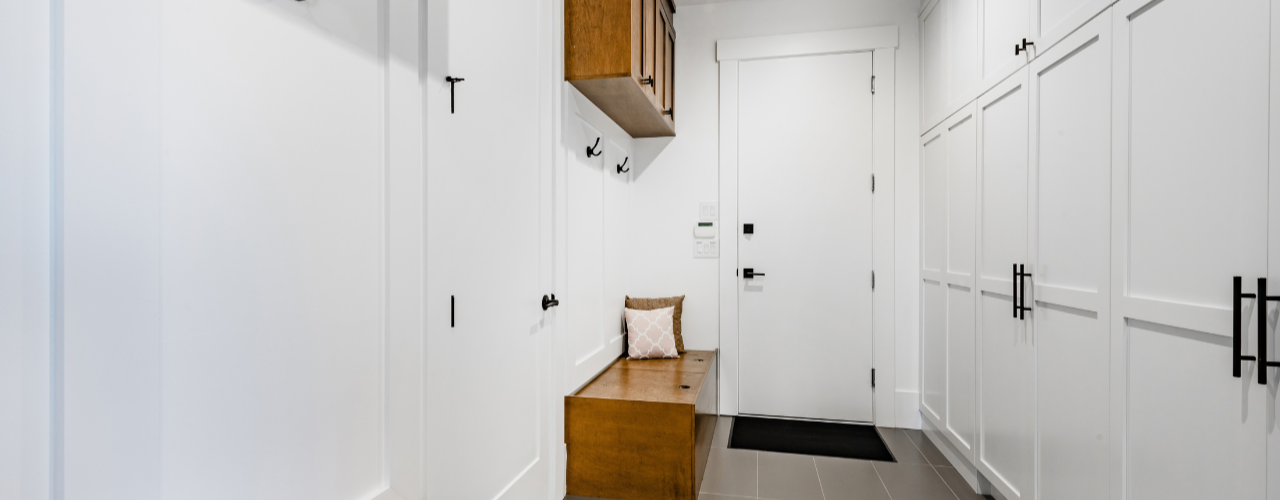
25 Mudroom Storage Ideas (And Mistakes to Avoid)
When you come home with muddy boots, an armful of bags and a coat you can’t wait to take off, it’s nice to have somewhere to put it all. With a mudroom, you can leave the outdoor mess at the door instead of carrying it through the house. Traditionally, you’d set aside a separate room, but you can just as easily use a hallway, an entryway closet, a laundry-room corner or a stretch of wall near the entrance.
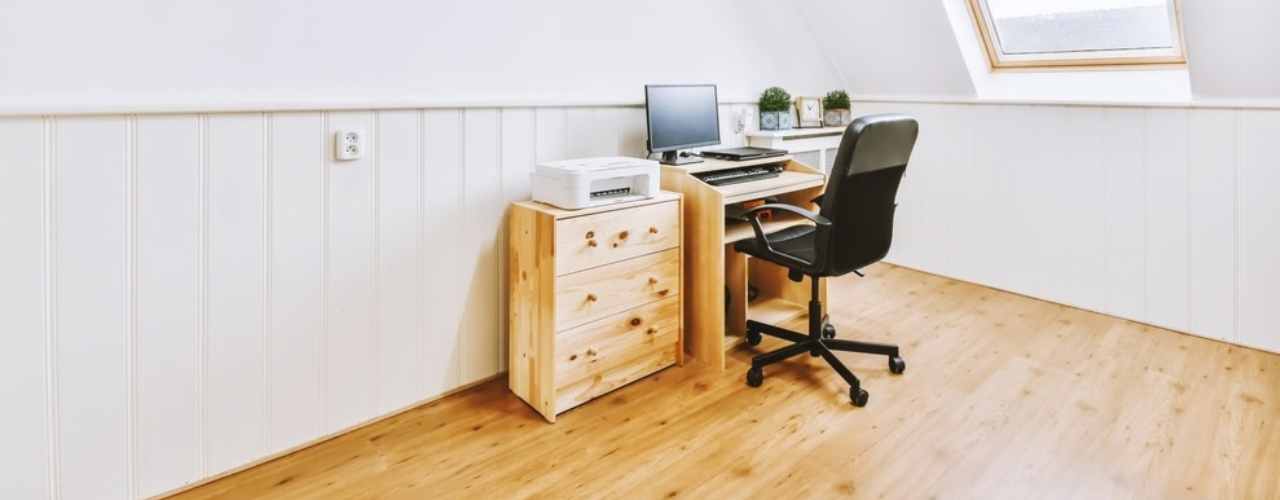
Is Your Home Office Worth the Rent? What Coworking and Self Storage Could Save You
Every square foot of your apartment comes with a price tag, and a home office claims more of them than most renters expect. It starts with a desk. Then come the second monitor, the printer, the filing cabinet and the overflow boxes. Before long, the corner you set aside for work has turned into a small room you are paying for every month.
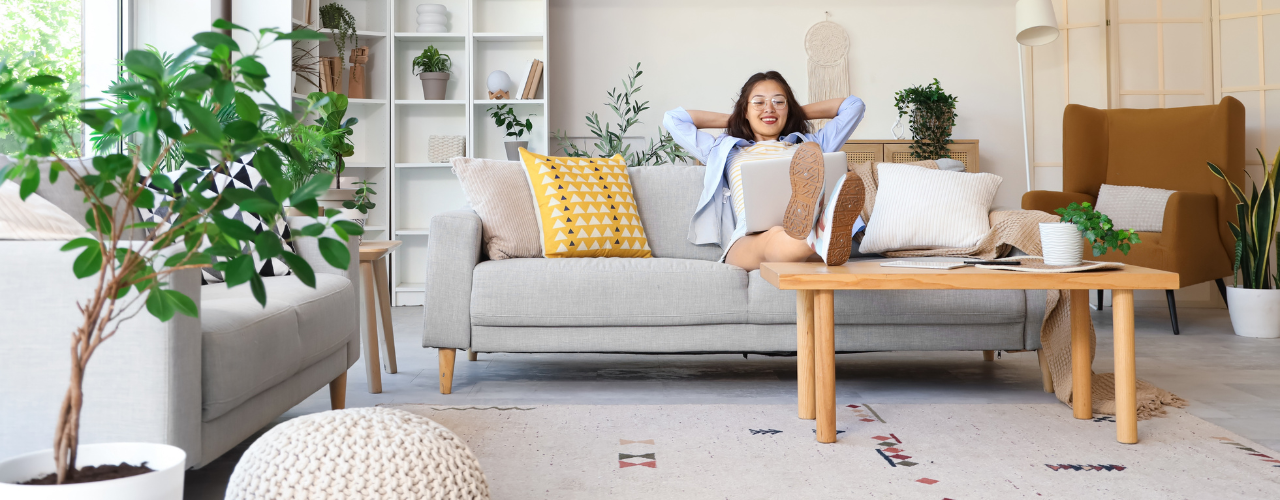
Best U.S. Cities to Live Uncluttered: Plano, TX, Offers the Most Room to Breathe
Clutter is in our homes as much as in our heads. Both are shaped by where we live.
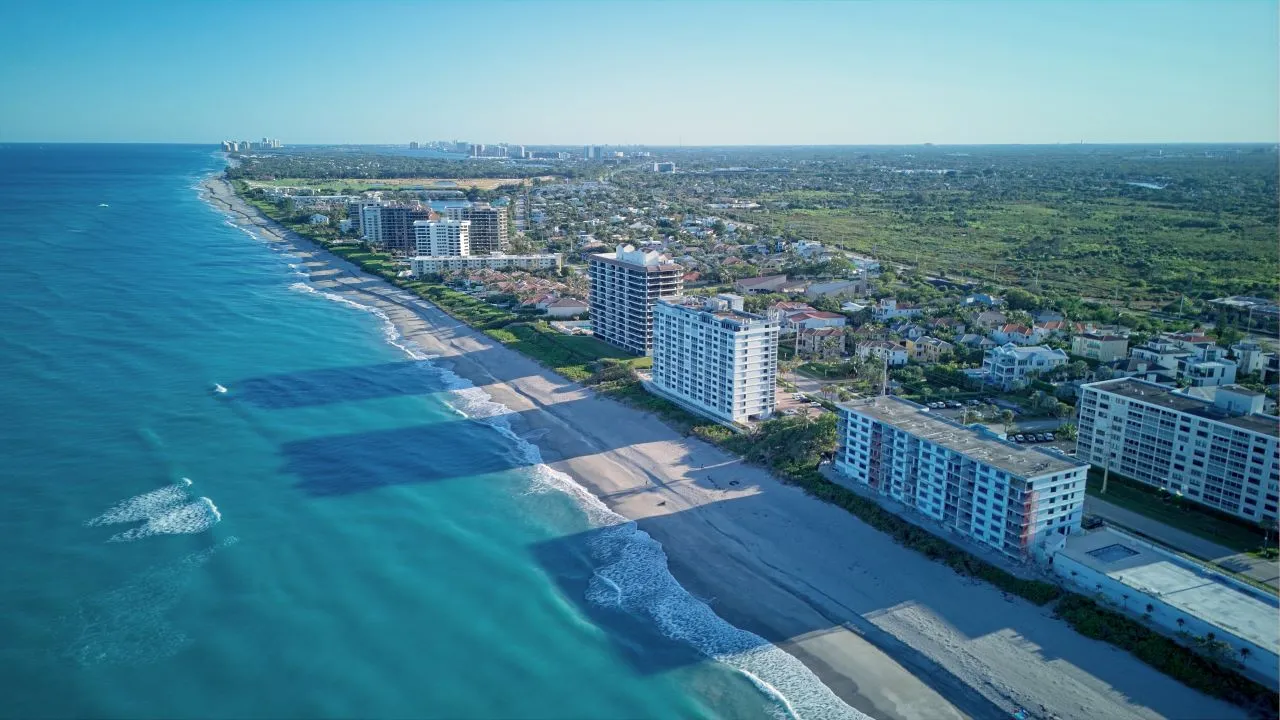
America’s Top Snowbird Destinations for 2026–2027: Florida Leads in Numbers, Texas Wins on Value
For Americans living in colder states, the approach of winter is reason enough to start looking south. Cold weather carries costs that go beyond the heating bill and shoveling snow. Seasonal affective disorder(opens in new tab) is far more prevalent in northern states, so a temporary move south isn’t simply an escape from the cold, but a chance to spend the hardest stretch of winter outdoors and in the sun.

How Much Does Halloween Really Cost in 2026? Plan Wisely to Avoid the Scare of Hidden Costs
Americans’ love for Halloween is almost frightening — this year alone, we are on our way to spending $13.5 billion, according to data from the National Retail Federation(opens in new tab). That breaks down to about $115 Halloween costs per person, a whopping 49% more than 10 years ago.