

Key Takeaways
- Clean, winterize, drain fuel/water, remove the battery, wax, and cover your jet ski before storage.
- Storage options range from home garages to self storage , marinas, lifts and dealerships.
Size matters: A 10’x15’ unit fits most jet skis with trailers; 10’x20’ is ideal for multiple PWCs or extra gear. - Climate and security dictate the best choice: indoor/climate-controlled for harsh weather, outdoor/covered for short-term or budget needs.
If you want your jet ski to deliver the fun times for years on end, then proper storage is in order. Leaving it exposed to weather, UV rays, or theft can lead to costly damage, mold, or vandalism. Here’s everything you need to know to store your jet ski safely.
How to winterize your jet ski for storage
Clean and protect the exterior. Start by thoroughly washing, waxing and buffing your jet ski to protect the paint. Then, remove all items from the storage compartments and leave them slightly open for airflow. Use a breathable cover to prevent moisture buildup, which can lead to mold or mildew.
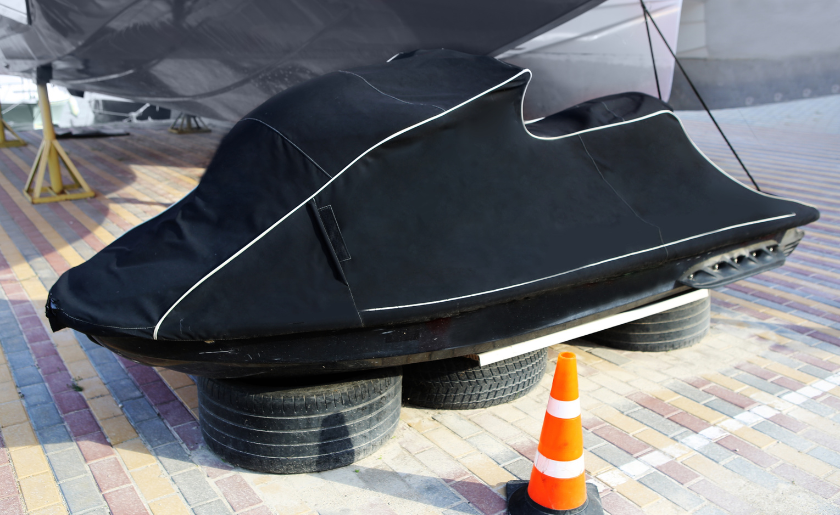
Engine and fuel system. Run the engine to operating temperature, then add a fuel stabilizer or drain the fuel system completely. Also drain the engine and exhaust system to remove any remaining water or fuel. Finally, change the oil and oil filter to ensure your engine stays in top condition during storage.
Cooling system. Flush the cooling system with fresh water to remove salt, sand, and debris. If you live in a freezing climate, mix water and RV antifreeze to flush the system and prevent damage from ice formation.
Battery care. Remove the battery and store it in a cool, dry place. Use a battery tender to maintain its charge throughout the storage period.
Trailer prep (if applicable). If you have a trailer for your jet ski, check the tire pressure and bearings. Use wheel chocks to prevent rolling, and apply grease to all moving parts to keep them in good working order.
Jet ski storage options
Knowing how to store your jet ski, whether at home, in a self storage unit, or at a marina, extends the life of your watercraft and keeps it ready for your next adventure.
Home-based storage
Best for: Convenience, low cost, and short-term needs
Home storage is ideal if you want quick access and want to avoid monthly fees.
Your garage is a great choice, as it offers security and protection from the elements, though it can take up significant space. For example, if your jet ski has a double trailer, make sure it fits before committing. There is a way you can maximize space in your garage though: a portable jet ski dolly, which lets you switch things up when needed.
Another accessible option is just storing them in your backyard, but that requires a high-quality cover to protect it from the elements.
If you have a shed, it can provide some weather protection and added security, but check for size restrictions or HOA rules before storing.
In all three cases, you should winterize your jet ski and implement security measures like locks or alarms. For better protection, try tilting the jet ski back, removing drain plugs, or using a lift to keep it off the ground.
Key consideration: Always check local HOA rules and ensure your storage method protects against weather, theft, and pests.
Self storage facilities
Best for: Long-term, secure, and space-saving storage.
Self storage facilities offer many options for different needs and budgets.
Indoor or climate-controlled units(opens in new tab) are safest against weather, theft and corrosion, so they’re ideal for valuable jet skis or harsh climates. However, they come at a higher cost.
Drive-up units(opens in new tab) make loading and unloading easy, but may lack climate control, so they’re perfect for frequent users or those with trailers.
Covered outdoor units are a more affordable option, and they do offer some weather protection but less security. They’re suitable for short-term storage or if you’re on a budget.
Outdoor uncovered units are the cheapest, but provide minimal protection: best for short-term storage if you use a high-quality cover and locks.
Size guide: A 10’x10’(opens in new tab) unit fits compact jet skis only, a 10’x15’(opens in new tab) unit accommodates a large jet ski or two smaller ones with gear, and a 10’x20’(opens in new tab) unit is perfect for multiple jet skis, workshop space, or a boat and jet ski combo.
For more information, you can consult our storage unit size guide(opens in new tab) and size calculator(opens in new tab). If your jet ski is on the larger side, our boat storage guide can also be helpful. Regarding costs, we have updated information on storage unit prices(opens in new tab), too.
Amenities to look for: Prioritize self storage amenities(opens in new tab) such as 24/7 access, surveillance cameras, electrical outlets (for battery tenders), wash stations, and drive-up access.
Marina and dry-stack waterfront storage
Best for: Convenience, proximity to water, and added services
If you want to keep your jet ski close to the water, marina and waterfront storage is a great choice. Dry stack storage eliminates the need for trailering and often includes services like fueling, cleaning, and maintenance. However, it can be expensive and may require advance booking.
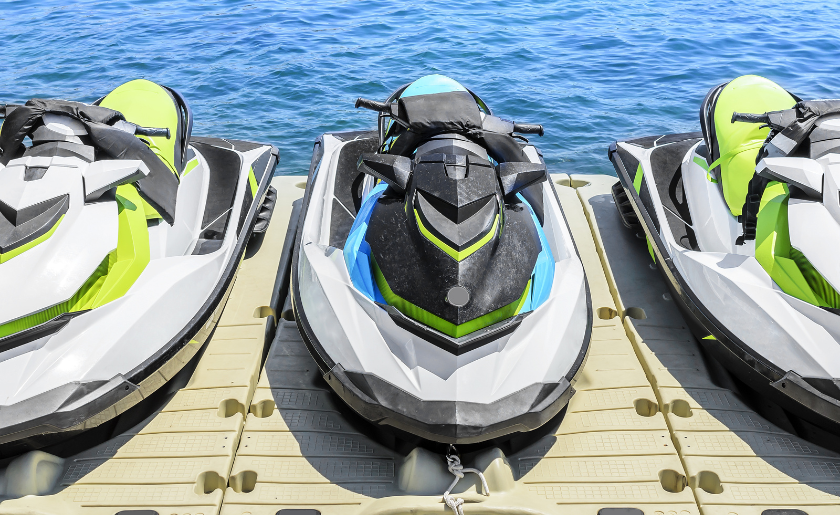
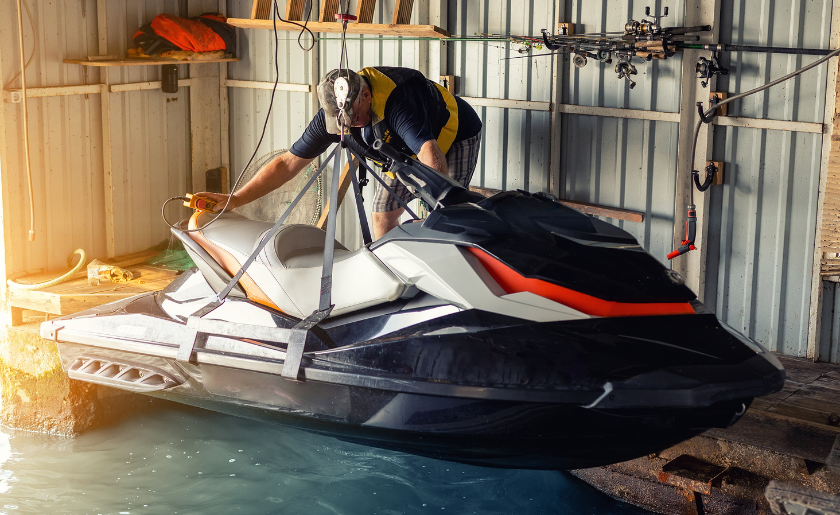
Floating docks provide easy access and no trailering, but they are costly and offer limited weather protection, making them ideal for waterfront homeowners. Jet ski lifts protect your jet ski from water damage and provide a stable platform, but they come with a high upfront cost and complex installation, so they’re best for long-term, permanent storage.
Cost: Typically the most expensive option, but offers unmatched convenience for frequent riders.
Dealership and boat storage lots
Best for: professional care and winterization services
Dealership storage often includes winterization and de-winterization services, but availability is limited and costs are higher. Check with local dealerships for package options.
Boat storage lots are secure and often located near ramps, but are usually uncovered. Use a trailer lock for added security.
Peer-to-peer storage
Best for: affordable, flexible, and local options
Platforms like Neighbor connect you with local hosts offering unused space such as garages, driveways, or barns. This option is often cheaper than commercial storage, but always verify security and insurance before committing.
Final checklist before storing
Once you’ve decided which way you’ll go in storing your jet ski, let’s recap on the steps you ought to follow:
- Clean, wax, and cover your jet ski.
- Drain fuel and water, stabilize fuel, and change the oil.
- Remove and store the battery with a tender.
- Flush the cooling system.
- Check trailer tires, bearings, and locks.
- Choose the right storage option for your climate and budget.
FAQ
What’s the best storage unit size for a jet ski?
A 10’x15’ unit fits most jet skis with trailers. For multiple jet skis or extra gear, a 10’x20’ unit is recommended.
How much does jet ski storage cost?
Indoor units range from $65 to $275/month, while outdoor units cost $75 to $150/month. Prices vary by location, size, and amenities.
Can I store a jet ski outside?
Yes, but it’s not ideal. Use a high-quality cover, trailer lock, and follow winterization steps to minimize risks.
Should I choose indoor or outdoor storage?
Indoor storage is best for long-term, valuable jet skis, or harsh climates. Outdoor storage works for short-term needs, budget constraints, or if you use a cover and lock.
What’s the minimum storage size for a jet ski like the SV150?
A 5’x15’ unit is the minimum for a single jet ski, but a 10’x10’ unit is recommended for better access and gear storage.



25 Mudroom Storage Ideas (And Mistakes to Avoid)
When you come home with muddy boots, an armful of bags and a coat you can’t wait to take off, it’s nice to have somewhere to put it all. With a mudroom, you can leave the outdoor mess at the door instead of carrying it through the house. Traditionally, you’d set aside a separate room, but you can just as easily use a hallway, an entryway closet, a laundry-room corner or a stretch of wall near the entrance.

Is Your Home Office Worth the Rent? What Coworking and Self Storage Could Save You
Every square foot of your apartment comes with a price tag, and a home office claims more of them than most renters expect. It starts with a desk. Then come the second monitor, the printer, the filing cabinet and the overflow boxes. Before long, the corner you set aside for work has turned into a small room you are paying for every month.

Best U.S. Cities to Live Uncluttered: Plano, TX, Offers the Most Room to Breathe
Clutter is in our homes as much as in our heads. Both are shaped by where we live.

America’s Top Snowbird Destinations for 2026–2027: Florida Leads in Numbers, Texas Wins on Value
For Americans living in colder states, the approach of winter is reason enough to start looking south. Cold weather carries costs that go beyond the heating bill and shoveling snow. Seasonal affective disorder(opens in new tab) is far more prevalent in northern states, so a temporary move south isn’t simply an escape from the cold, but a chance to spend the hardest stretch of winter outdoors and in the sun.

How Much Does Halloween Really Cost in 2026? Plan Wisely to Avoid the Scare of Hidden Costs
Americans’ love for Halloween is almost frightening — this year alone, we are on our way to spending $13.5 billion, according to data from the National Retail Federation(opens in new tab). That breaks down to about $115 Halloween costs per person, a whopping 49% more than 10 years ago.
How to Store LEGOs: All the Fun, None of the Clutter
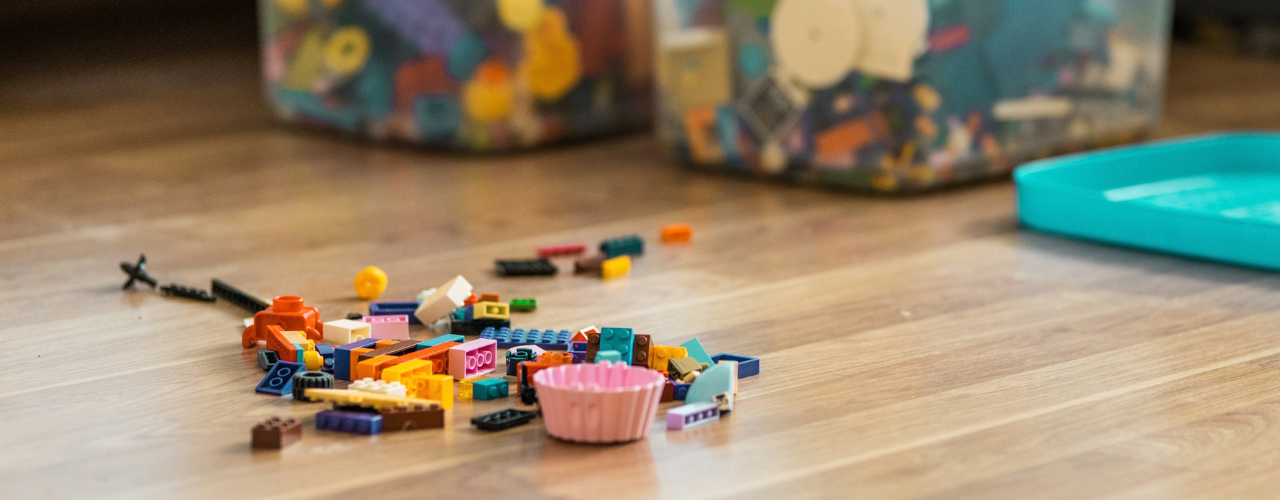
How to store LEGOs largely comes down to how your household uses them. If the bricks are part of everyday play, you need a setup that keeps them within easy reach and makes cleanup quick (for your feet’s sake, at least). Toy storage(opens in new tab) such as simple bins, playmats or containers that children can put away themselves may be enough. Larger or more serious collections usually need more organization, such as labelled drawers for loose pieces, trays for unfinished builds, shelves for completed models and separate storage for retired sets.

Cardboard Costume Guide: Tips and Ideas for a DIY Halloween
Whether for kids or adults, cardboard costume ideas often make the biggest splash once materialized, and that’s for a simple reason: doing a lot with a little is a universally impressive feat (especially in this economy). If you don’t have enough boxes you could temporarily repurpose, don’t worry! There are many places where you can find free moving boxes(opens in new tab), from stores and supermarkets to online groups and recycling drop-off spots. On the run? Try your luck at a self storage(opens in new tab) facility that sells moving supplies, often for cheap. This way, you can choose moving boxes of different shapes and sizes(opens in new tab), so you can make your costumes as complex as you want.

How to Celebrate Halloween: 9 Non-Spooky Ways To Enjoy It
As soon as October starts, it’s the official Halloween month. And while for many people it means it’s open season to get the scare of a lifetime, others, especially families with small children, might prefer to celebrate in a tamer way that’s both kid- and adult-friendly. While you’re likely to find more events where the spook factor is high, here’s how to celebrate Halloween in a not-so-scary way:

Motorcycle Storage Guide: How to Store Your Bike Safely
Motorcycles may be born to be wild, but eventually even the wild ones need somewhere to park. Whether riding season is winding down or your current living situation comes with plenty of square footage for you and less for your bike, motorcycle storage is one of those parts of ownership that doesn’t get as much airtime as the open road.