

Key Takeaways
- Declutter first: sort and purge unused items before you get organizing.
- Make the most of vertical space: walls, doors and ceilings for shelves, pegboards are all great for freeing up floor space.
- Turn hidden spots such as under-bed, behind-door and corner spaces into storage with bins, hooks and slim cabinets.
- Get multi-functional furniture like storage beds, ottomans and fold-down desks to combine style and practicality.
With micro-housing on the rise(opens in new tab) and apartment sizes trending downward(opens in new tab), it came as no shock to us that more than a third of Americans felt overwhelmed by clutter in our recent survey(opens in new tab). Plus, science shows that we’re bound to feel bad in places that are too small(opens in new tab) for our needs. Fortunately, a messy home contains the seeds of its organization. Those seeds everywhere: the space above doors, under beds, behind sofas and inside furniture can all become storage. Here are the best storage ideas for small spaces, so you can make the most of your cozy home.
1. Declutter first, organize second
Storage tools work best after you decide what deserves space in your home. There is little point in buying eight beautiful bins for items that have spent three years waiting for a hypothetical future version of you.
The KonMari Method. Sort belongings by category, such as clothing, books, papers and kitchen tools. Handle each item and consider whether it brings joy, serves a useful purpose, or supports your life right now. Keep the items that earn their place, then donate, sell, recycle, or responsibly dispose of the rest.
Use temporary boxes. Set out clearly labeled boxes or bags for “Keep,” “Donate,” “Sell,” and “Recycle.” This speeds up decisions and stops piles from migrating across the room while you sort. Plus, for the “Keep” batch, you can get some nice-looking ones that match your home’s aesthetics.
Be selective. Review items that have sat unused for a year or more. Consider their condition, practical value and sentimental importance. A useful rule: keep what supports your present life, rather than every object that hints at a future hobby, project, or personality reinvention.
2. Use every inch of available space
Some of the most useful storage areas are easy to overlook because they sit low, high, narrow, or behind furniture. A few simple changes can turn those blank spots into hardworking storage zones.
Awkward corners. A narrow corner bookcase or under-stairs floating shelf can turn an unused corner into a display area for favorite novels, plants and decorative pieces. For more concealed storage, choose a slim cabinet or tall basket that fits the footprint without making the room feel crowded.
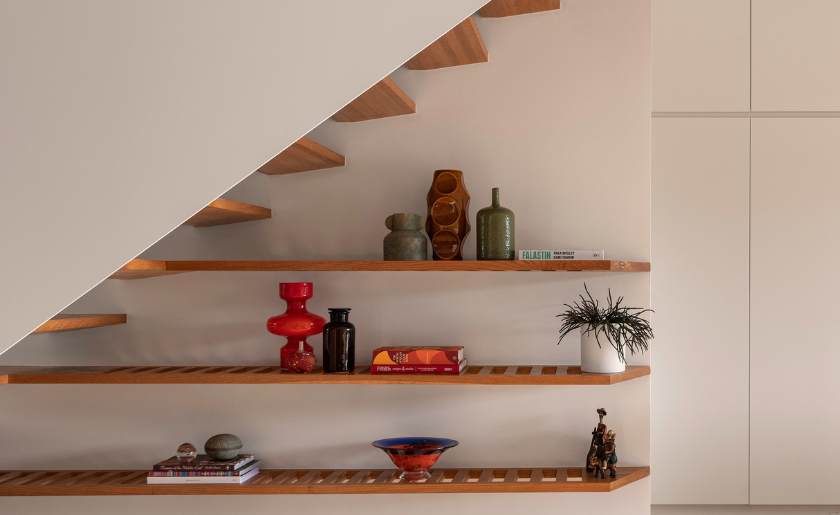
Under the bed. Use low rolling bins or lidded containers for clothing, shoes, linens and extra bedding. Clear containers make contents easier to identify, while fabric containers give a softer look. If there is limited clearance, bed risers can add height and create room underneath.
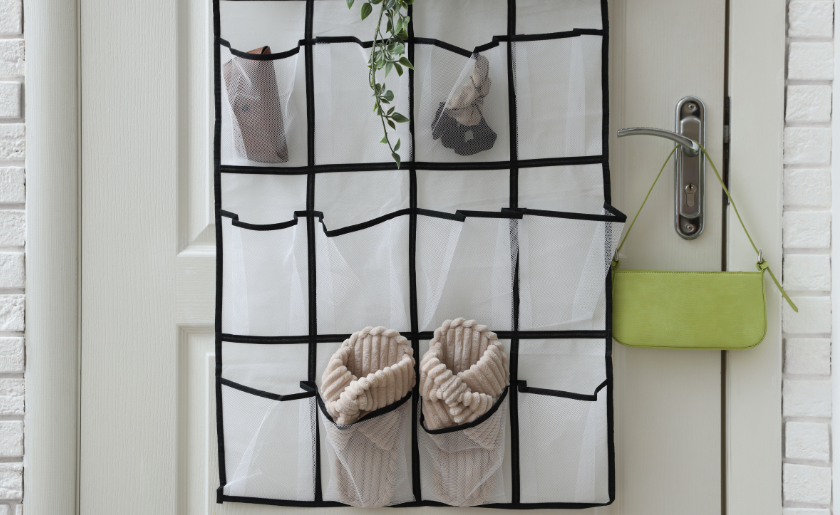
Back of doors. The back of a door can hold hooks, racks, or hanging organizers. Closet doors suit belts, scarves, jewelry and bags. Bathroom doors can hold towels, hair tools and toiletries. Utility-room doors can carry cleaning supplies and laundry accessories.
Under the sofa. The space beneath a sofa can hold flat containers for magazines, throws, board games, pet toys, or spare cushions. Measure the clearance first. Furniture dimensions love a surprise and storage bins deserve better.
3. Make use of vertical space
Floor space is valuable, especially in smaller homes. Walls, doors and ceilings provide a whole extra layer of storage that many rooms leave untouched.
Floating shelves add storage without the bulk of a full bookcase. Use them in living rooms for books and décor, in bedrooms for bedside essentials, or in kitchens for frequently used dishes and jars. For a calmer look, match the shelf finish to the wall color or choose one material throughout the room.
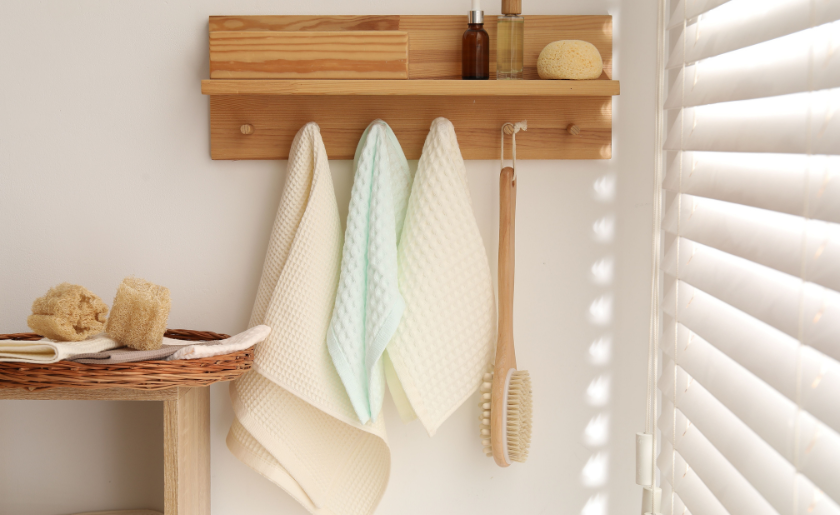
Wall hooks work great near the front door for coats, keys, bags and umbrellas. Use them in bedrooms for robes, belts and jewelry. In kitchens, they can hold utensils, mugs and lightweight cookware. In the bathroom, they can hold towels, brushes, and other accessories.
Pegboards are also highly adaptable and suit more than garages. Mount one in the kitchen for utensils, in a craft area for supplies, or near the entryway for keys, bags and dog leads. Add hooks, mini shelves and containers to create a layout that fits your routine.
Tall bookcases make use of upper wall space and offer far more capacity than a low unit. Keep everyday items on middle shelves, place heavier pieces lower down and reserve top shelves for luggage, seasonal décor, archives, or other occasional-use belongings.
Magnetic strips are another small addition with a surprisingly large payoff. They keep everyday tools close by and help clear countertops, drawers and other clutter magnets.
And don’t forget the good old ladder, which is now making a come-back as a stylish solution for storing blankets and clothing items. There are plenty of nice options online, but we also encourage you to score one off a flea market.
4. Invest in multi-functional furniture
Furniture that also holds storage is a practical choice for compact homes, guest rooms and shared living areas. One well-chosen piece can replace several smaller storage fixes.
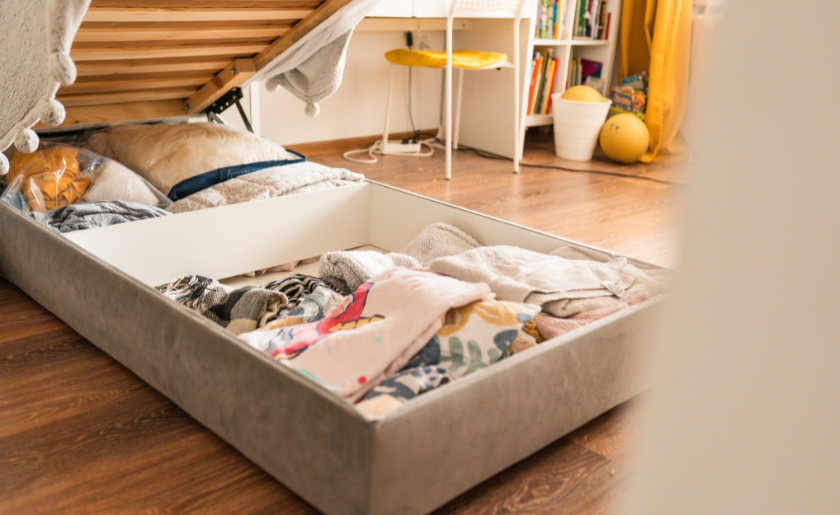
Storage beds(opens in new tab) are a great idea, since beds usually take up a large foot print. Choose a frame with drawers, a lift-up base, or enough clearance for lidded containers. This space suits spare linens, seasonal clothing, shoes and extra blankets.
Storage ottomans and benches(opens in new tab) let you use their interior compartment for throws, cushions, toys, pet supplies, or shoes. Place one by the front door for a useful landing spot, at the foot of the bed for bedding, or beside the sofa for living-room essentials.
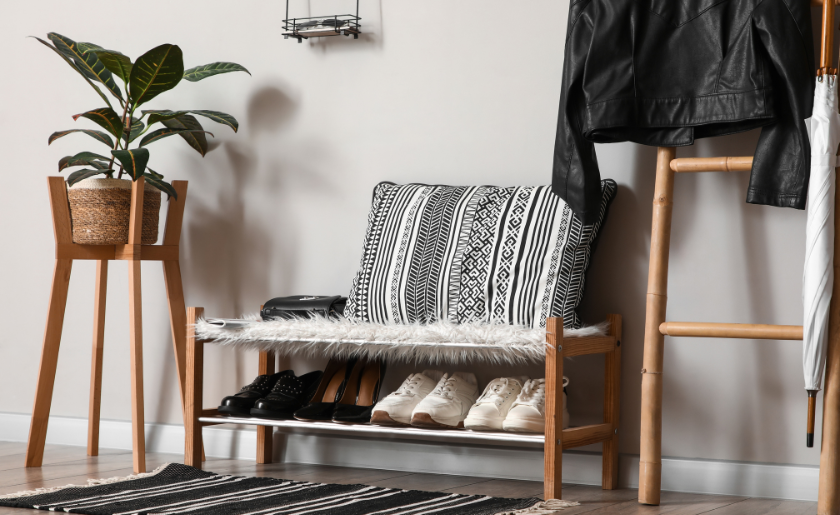
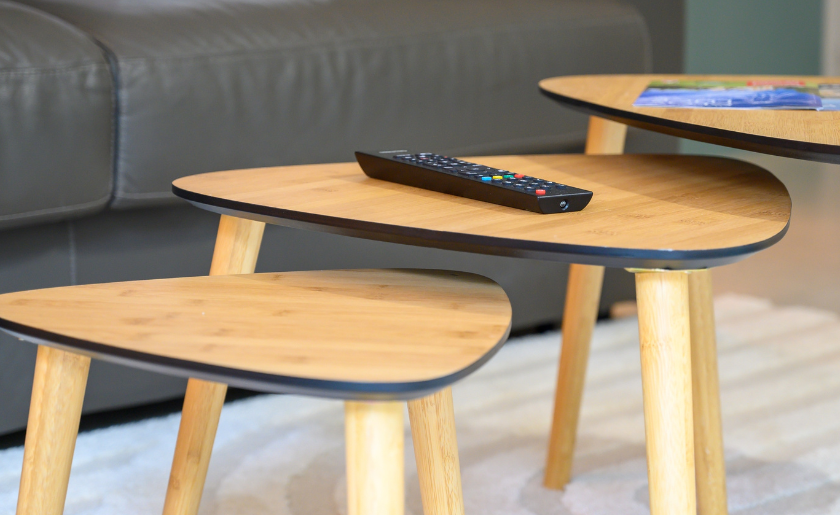
Nesting tables(opens in new tab) also give you flexible surface space without permanently occupying the room. Pull them apart for visitors, snacks, laptops, or a very serious evening with too many beverages, then slide them back together afterward.
If you are working from home, you can look at some fold-down desks(opens in new tab), which let you set up a dedicated work surface in a bedroom, living room, or hallway. Choose a model with small shelves or compartments for stationery and cables. Once work is done, fold it up and reclaim the room.
5. Use open storage for accessibility and style
Open storage can make daily items easy to reach while giving a room personality. It works best when you treat it as a display, rather than a place where every random object goes to see what happens.
Cube organizers(opens in new tab) suit entryways, bedrooms and living rooms. Use open cubes for books and décor, then add baskets or fabric bins for smaller items such as cables, toys, paperwork and accessories. Matching bins create a more intentional look.
Display shelves(opens in new tab) give favorite your objects a place to shine. Use them for books, ceramics, framed photographs, plants, or collections. Trays and shallow boxes keep smaller pieces together, so the shelf feels curated rather than mysteriously chaotic.
6. Mobile storage for flexibility
Mobile storage makes a room more adaptable. Move it toward the action, then tuck it away when you want clearer floors and surfaces.
Rolling carts(opens in new tab) and mobile drop-leaf tables(opens in new tab) can double as extra kitchen prep space, a coffee station, a bathroom organizer, a craft trolley, or a bar cart. Choose shelves with raised edges for smaller items, especially in busy households where carts occasionally develop a mind of their own.
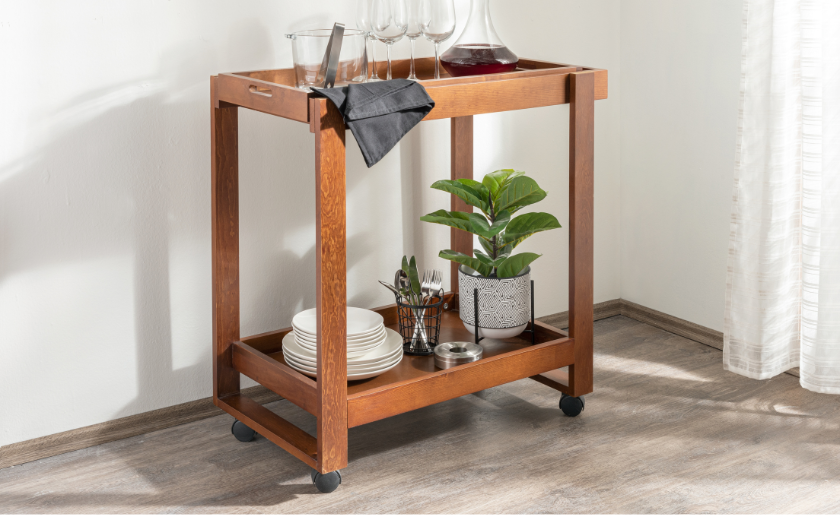
Baskets (opens in new tab)are useful for toys, hobby supplies, pet items, seasonal decorations and cleaning products. Handles make them easy to carry between rooms, while the lidded options help with stacking and dust control.
7. Creative dividers for open spaces
In a studio or open-plan home, storage can also define different areas. It gives each part of the room a clearer purpose while adding shelves, compartments and surfaces.
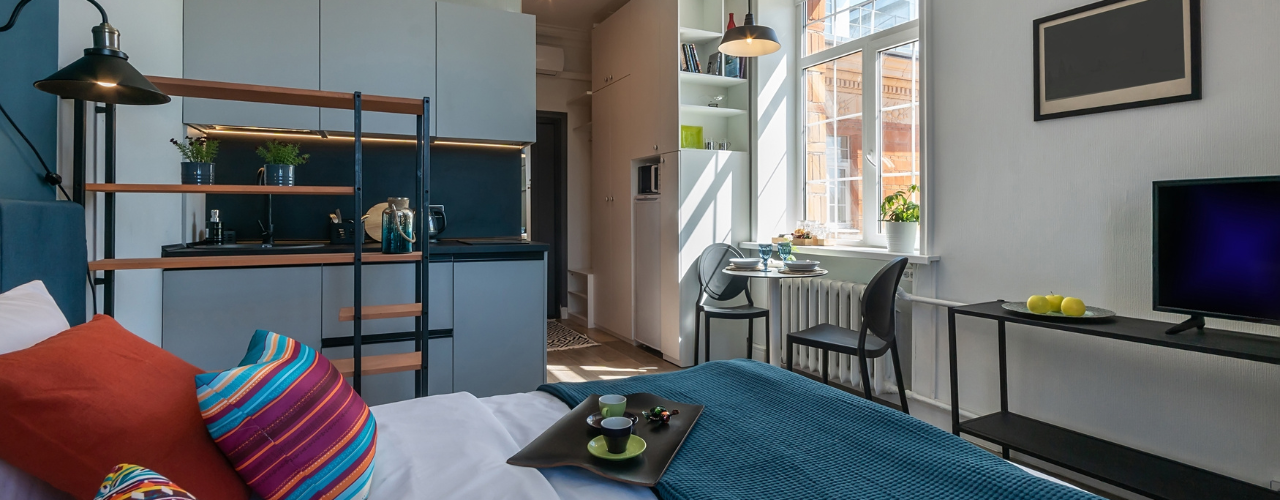
Bookshelves as room dividers can separate a sleeping area from a lounge or workspace while still allowing light to travel through the room. Secure tall furniture properly, especially in homes with children, pets, or overly enthusiastic vacuum cleaners.
Modular, stackable crates can create a flexible divider with built-in storage. Use them for books, plants, baskets, or décor, then rearrange them when your layout changes. They suit renters and anyone who enjoys options without a major furniture commitment.
8. Kitchen storage hacks
Kitchens collect a remarkable number of tools, gadgets, dishes and mystery containers. A few targeted storage upgrades can make cooking feel easier and cabinet searches far less theatrical.
Hang pots and pans on a wall rack, rail, or ceiling-mounted pot rack to free up cabinet space and keep cookware accessible. Use sturdy mounting hardware and position it where pots stay clear of head height.
Add magnetic strips to hold knives, metal spice tins and kitchen tools. In a garage or workshop, they keep hand tools visible and accessible. In a bathroom, they offer a handy home for bobby pins, tweezers, nail clippers and other tiny items that usually vanish into a drawer dimension.

Tiered shelves inside cabinets raise items at the back, so spices, canned goods and baking supplies stay visible. Add drawer dividers for utensils, pull-out bins for dry goods and lid organizers for food containers to make cabinet space work harder.
9. When to consider self storage
Self storage(opens in new tab) can make sense after your home storage has a clear system and your belongings still need more room. It is particularly helpful for large, seasonal, sentimental, or transition-related items that remain valuable but take up too much everyday space.
When to use self storage
- Seasonal items(opens in new tab): Holiday decorations, winter coats, summer sports gear, camping equipment and patio furniture
- Heirlooms and keepsakes(opens in new tab): Family furniture, photo collections, memorabilia and valuable collectibles
- Bulky equipment: Bikes(opens in new tab), tools(opens in new tab), gardening supplies(opens in new tab) and outdoor gear(opens in new tab)
- During a move(opens in new tab) or renovation(opens in new tab): Furniture, boxes and household belongings while rooms or homes are in transition
- Business stock(opens in new tab) or records(opens in new tab): Inventory, event materials, product packaging and documents that need secure off-site space
Choosing a self storage unit
- Storage unit size(opens in new tab): List and roughly measure what you plan to store before you rent. A 5×5 unit often suits boxes and small household goods, while a 10×10 unit can accommodate furniture and appliances.
- Climate control(opens in new tab): Choose climate control for sensitive belongings such as artwork, electronics, instruments, photographs, documents, wooden furniture and delicate fabrics.
- Security(opens in new tab): Look for gated access, video surveillance, good lighting, individual unit locks or alarms and clear procedures for site access.
- Amenities(opens in new tab): Consider opening hours, drive-up access, lift availability, parking and the distance from your home.
Final tips for long-term organization
Once you’ve leveraged every nook and cranny, here’s how to keep the momentum going.
Label everything: bins, baskets, drawers and boxes should all fit into a system rather than a guessing game. Use clear, specific wording such as “Winter scarves,” “Charging cables,” or “Guest bedding.”
Review your setup regularly by taking a quick look at your storage every few months, especially after seasonal changes, holidays, moves, or major purchases. A small reset can keep clutter from reclaiming its old territory.
Finally: just keep it simple. Choose storage solutions that fit your day-to-day habits. If everyone drops bags by the front door, place hooks and a basket there. If laundry gathers in the bedroom, give it a proper hamper.
Start with one drawer, one shelf, or one corner. Small changes can create more space, make daily life easier and give your home a little breathing room.
FAQ
What are the best ways to use vertical space for storage?
Install floating shelves, pegboards, over-the-door organizers and tall bookcases to make the most of walls and ceilings.
How can I make the most of small or awkward spaces?
Use under-bed bins, back-of-door hooks, corner shelves and slim cabinets to turn overlooked areas into functional storage.
When should I consider self storage?
Use self storage for seasonal items, heirlooms, bulky equipment, or during moves/renovations when your home storage is maxed out.


Storage Ideas for Small Spaces: 9 Ways to Max Out Your Home
With micro-housing on the rise(opens in new tab) and apartment sizes trending downward(opens in new tab), it came as no shock to us that more than a third of Americans felt overwhelmed by clutter in our recent survey(opens in new tab). Plus, science shows that we’re bound to feel bad in places that are too small(opens in new tab) for our needs. Fortunately, a messy home contains the seeds of its organization. Those seeds everywhere: the space above doors, under beds, behind sofas and inside furniture can all become storage. Here are the best storage ideas for small spaces, so you can make the most of your cozy home.
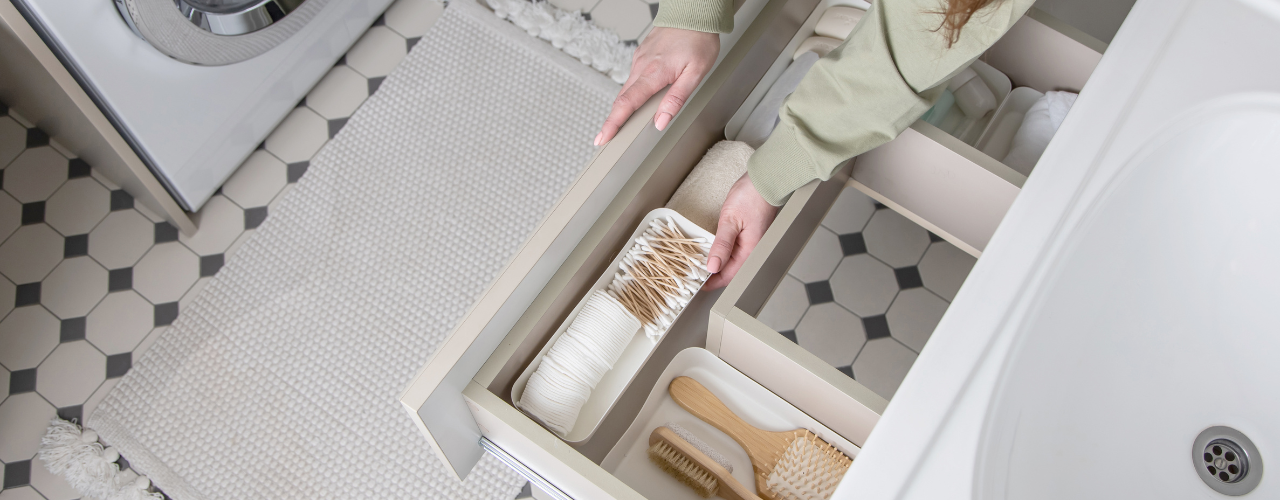
How to Organize Your Bathroom: 8 Ways to Stay Tidy
You already know why an organized bathroom is worth the effort, but let us remind you: it makes rushed mornings easier, keeps counters cleaner and just helps get you in the mood to go through your skincare routine like you should. Plus, in bigger households, it helps everyone find what they need. And you know how much a tidy bathroom counts for your self-esteem when a guest or a partner shows up. Luckily, you don’t need a degree to know how to organize your bathroom. The secret is keeping less, giving every item a home and making that home simple to use. Let’s go through some practical steps can help you create a bathroom that stays functional and nice to look at.
Best U.S. Cities to Live Uncluttered: Plano, TX, Offers the Most Room to Breathe
Clutter is in our homes as much as in our heads. Both are shaped by where we live.

How to Use Silica Gel Packets for Storage
Moisture can cause significant damage to items in storage, leading to rust on tools, mold on clothing and warping in documents. Silica gel uses science to fix that. Often found in small packets inside product packaging, silica gel is a desiccant that absorbs moisture from the air, keeping your stored items dry and protected. This guide explains what silica gel is, how it works and how you can use it to preserve your belongings in self storage.
Where to Find Moving Boxes in Los Angeles
Moving in Los Angeles is its own thing, and figuring out where to get moving boxes sorted is just the start of everything you’ll need to organize before moving day.

10 Best Places to Donate Books in Philadelphia
Did you know Philadelphia’s book-sharing roots go back to 1731? Benjamin Franklin and The Junto Club gathered their personal collections into a shared library, thus sparking a tradition of pooling knowledge for the common good. Today, you can carry on that spirit by donating books to local organizations and free libraries.
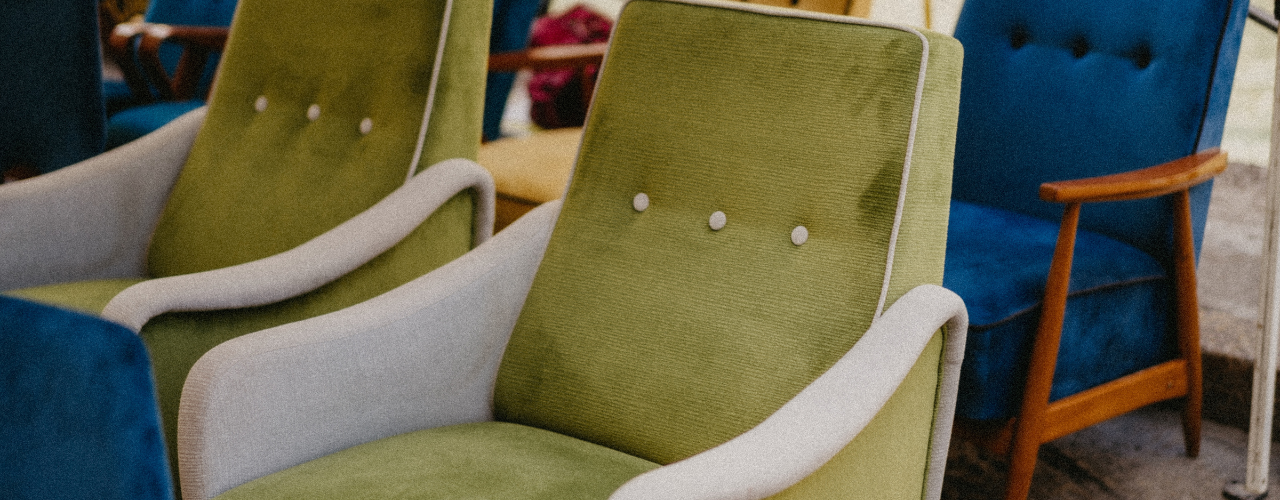
How to Sell Furniture (For Quick Deals and Side-Hustles)
Selling used furniture can be quick, profitable and even rewarding if you know where to list, how to present your pieces and what buyers are looking for. Just a tiny bit of patience and some good planning will take you a long way. This guide covers everything you need to sell your furniture efficiently and safely, for the best possible price.
1 in 4 Americans Rent Self Storage — and the Next Wave Is Already Coming
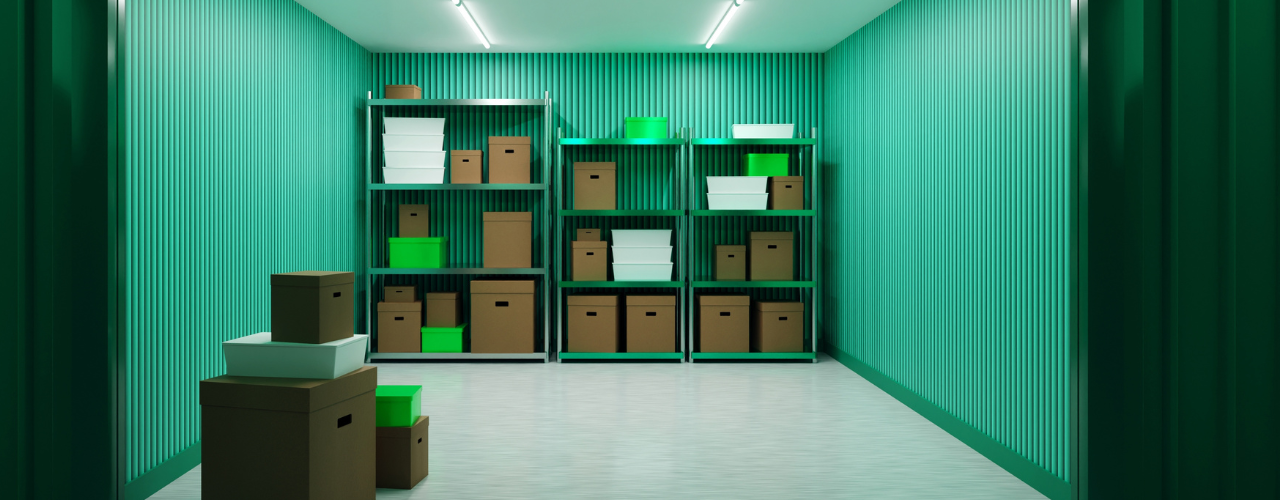
About one in four Americans is already using self storage and just as many are actively searching for a unit online right now. Across the 150 largest U.S. cities, self storage searches rose 23% year-over-year in 2025 — nearly triple the growth recorded the previous year, up from around 8% in 2024.
Where to Donate Furniture in Philadelphia
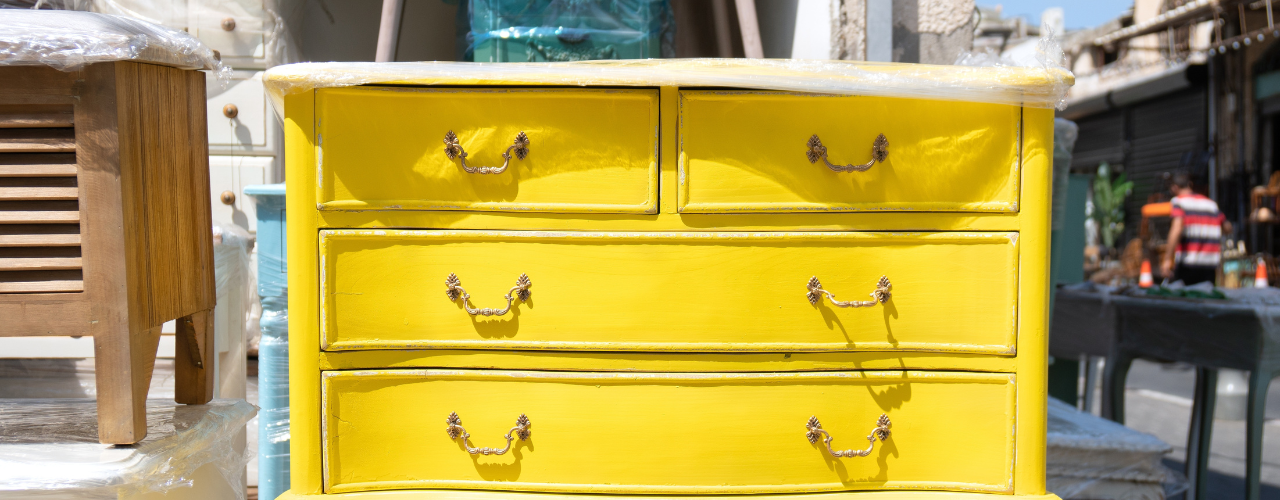
Philadelphia has a strong tradition of giving back, and donating furniture is a practical way to support local charities while freeing up space in your home. Whether you’re downsizing, moving, or just decluttering, there are plenty of organizations ready to take your gently used furniture. And if you’re not ready to part with certain pieces just yet, self-storage can buy you time to decide.