

Maximalism decor is the design philosophy that more is more — and then some. What is maximalism, exactly? It’s the belief that every object earns its place not because it fits a neutral palette, but because it means something to the person who brought it home. Your shelves might hold dog-eared fantasy novels from high school, a ceramic frog rescued from a flea market and the postcard your best friend mailed from the other side of the world. None of those objects belong to the same collection. And yet, somehow, they still belong together.
It’s a style that’s been impossible to ignore lately, as one in three designers named maximalism their leading aesthetic for 2025(opens in new tab), tying with eclecticism, while minimalism dropped from 34% to 21%. Looks like less is more is making room for a little more.
Like any design style, though, maximalism has a tipping point. Maximalism without the clutter isn’t about owning fewer beautiful things — it’s about giving every piece the chance to be noticed. A thoughtfully layered room should feel like wandering through a favorite museum, where your eyes know exactly where to linger next — not like tumbling down the rabbit hole with Alice and wondering where to look first.
A few styling tricks, smart storage solutions and a little intention go a long way toward creating a home that’s rich in personality without feeling visually overwhelming.
That’s what maximalism and intentional layering are all about, conveying the difference between a room that tells a story and one that tries to tell every story at once.
How to keep maximalist decor organized without cluttering your home
Maximalism is usually associated with making up the rules on the spot. Funny enough, the homes that pull it off best tend to consistently follow a few of them. Colors repeat like familiar melodies, collections step forward and retreat again, statement pieces know when to command the room and the whole space settles into the rhythm of an orchestra where every instrument earns its applause without trying to play over the rest.
From building a color story to styling collections and creating breathing room between your favorite finds, each one adds another layer without adding another headache.
Start with a color story
Have you ever walked into a room packed with color and somehow it still felt calm? That’s rarely an accident.
The secret is letting them bump into each other often enough that your brain starts recognizing a pattern. A ruby-red book spine here. The same red showing up again in a lampshade across the room. Before you realize it, your eyes are connecting the dots on their own.
Jewel tones are especially good at this because they already have so much depth. Emerald, sapphire, amethyst and burgundy happily bounce off one another without feeling flat, while earthy shades like terracotta, olive or warm ochre soften the mood before things get too theatrical.
Black deserves honorary referee status. It keeps everything in check, whether it appears as a picture frame, a floor lamp or the legs of a coffee table. You barely notice it’s doing the work until it disappears.
Don’t worry about making every room look like it came from the same paint sample card, either. Homes aren’t hotels. Let the dining room have its own personality. Just leave a few breadcrumbs behind (a familiar shade or a favorite finish) so wandering from one room to the next feels less like changing TV channels and more like turning the page.
By the end, your home might be wearing thirty different colors, but they’ll all feel like they RSVP’d to the same party.
Curate your collections instead of scattering them
Start grouping before you start shopping. A ceramic bowl on the dining table is lovely. Five more scattered around the house? Not so much. The same goes for old books(opens in new tab) and travel souvenirs. They tell a much stronger story when they have a chance to bounce off one another instead of living lonely little lives on random shelves.
“Clutter is maximalism with bad relationships to the objects. My rule for too much stuff is that I can’t see the furniture behind things,” says Seymen Usta, Interior Designer at Modern Chandelier(opens in new tab). “You need to fill 40% of your heart across all the surfaces — fill 40% of all surfaces with 100% of your heart, not 40% of your heart across all the surfaces,” Usta added.
Pick a spot for every item
Items shouldn’t be sprinkled across every flat surface in the house. A bookshelf, a floating shelf or even one section of a console table immediately makes them feel intentional.
“The worst maximalism mistake I have made is buying the thing before finding the spot for it,” explained Usta. “Now I always leave the spot for the thing before buying the thing — I find the empty shelf and leave it alone long enough to get attached to it and then go find the object that will fill this empty place in my home,” Usta added.
The same goes for ceramics, vintage cameras or anything else you’ve slowly gathered over the years. Collections (opens in new tab)love having neighbors.
Let books do more than fill shelves
Books are surprisingly good decorators. Stack a few horizontally to create height, tuck a framed photo in front of them or leave enough breathing room for a favorite object to have its own moment.

Give everyday pieces the main character treatment
That china cabinet doesn’t have to be reserved for holidays anymore. Vintage glassware, handmade pottery, colorful ceramics or inherited dishes deserve to be seen on a Tuesday, too. The same goes for your record collection(opens in new tab). Leave a favorite album on display, lean a few covers on a shelf or frame one that never fails to make you smile.
Create a gallery wall, not a grid
Start with a single anchor and hang the largest piece roughly at eye level, then let everything else grow outward around it. It takes the pressure off planning an entire wall in one sitting and makes it much easier to add new finds months (or years) later without throwing the whole arrangement out of balance.
If the thought of putting the first nail in the wall makes your palms sweat, steal a trick from seasoned collectors. Trace every frame onto kraft paper, cut out the shapes and tape them to the wall first. Shuffle them around as much as you like before committing. It’s far easier to move paper than it is to patch drywall.
Perfection isn’t the goal, either. Let a larger frame breathe beside a smaller one. Slide a tiny print into an unexpected gap. A little overlap between frames keeps the arrangement from feeling stiff, while mixing shallow frames with deeper shadow boxes adds dimension before you’ve even hung a single object inside them.
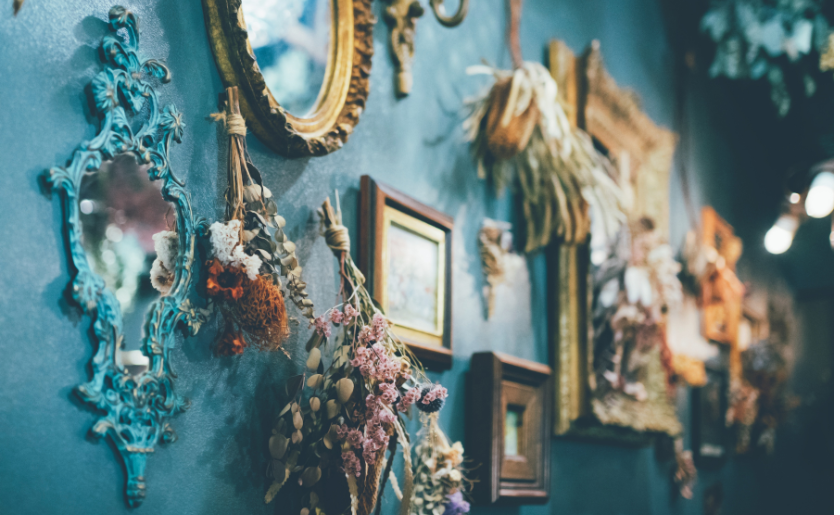
And don’t stop at frames. A tiny floating shelf, a decorative bracket, a mounted keepsake or a small ceramic piece can break up all those rectangles and make the wall feel collected rather than assembled. Add a picture light or aim a track light toward the display once everything is in place, and the whole gallery takes on a different personality after sunset.
Resist the urge to make everything march in a straight line
Rows are great for libraries, but less so for shelves and especially not for maximalist decor. Grouping objects in odd numbers — three or five usually works beautifully — creates a more relaxed look, especially when you mix heights. A tall vase, a medium-sized frame and a small candle feel more natural than three objects standing at attention like they’re waiting for inspection.
Fill the room visually, not physically
One of the easiest mistakes to make with maximalism is assuming every empty corner is asking for another piece of furniture. More often than not, it’s asking you to look up.
Walls have a lot more to offer than holding up the ceiling. Let artwork climb higher than eye level. Hang curtains closer to the ceiling so the room stretches upward. A tall bookcase naturally draws your gaze from the floor all the way to the top shelf, while hanging plants soften those forgotten spaces where walls and ceilings meet. Even an oversized mirror can make a room feel fuller without asking for another square foot.
The same idea works on a smaller scale, because not everything has to sit flat on a tabletop. A lamp resting on a couple of coffee table books suddenly has more presence. Lean one framed print behind another instead of hanging every single one. Slide a tray underneath candles or ceramics so they read as one curated arrangement instead of a handful of unrelated objects that happened to end up in the same place.
Mix patterns, textures and finishes
Color might grab your attention first, but texture is what keeps a room interesting long after you’ve walked in. The magic happens when different materials start bouncing off each other.
“Maximalism isn’t about quantity alone; it’s about contrast,” says McKenna Brown, VP of Product and Design at Teak Warehouse(opens in new tab). “Mix heights, pair smooth with rough, combine vintage with new. That tension is what makes a maximalist space feel curated instead of chaotic,” Brown added.
You don’t have to reinvent the room to make that happen, either. A few swaps can completely change how layered a space feels.
Give patterns a little breathing room
A room full of bold prints can quickly start competing with itself. Let one pattern lead the conversation while the others play supporting roles.
- Pair a large floral wallpaper with smaller geometric or striped cushions instead of another oversized print.
- Pull one color from the wallpaper into your curtains or throw blanket so the room feels connected.
- If the sofa is patterned, keep nearby furniture softer and let texture do more of the work.
Let different textures share the same space
Some of the most inviting rooms don’t match, they contrast.
- Throw a chunky linen blanket over a smooth leather chair.
- Pair a velvet sofa with a woven wicker basket instead of another upholstered piece.
- Set a ceramic vase on a wooden console instead of a glass shelf.
- Bring in marble through a tray or side table rather than another large furniture piece if the room already feels heavy.
Your hands should almost want to explore the room as much as your eyes do.
Don’t forget how surfaces catch the light
Even objects in the same color can feel completely different depending on their finish. Mix and match to play with depth.
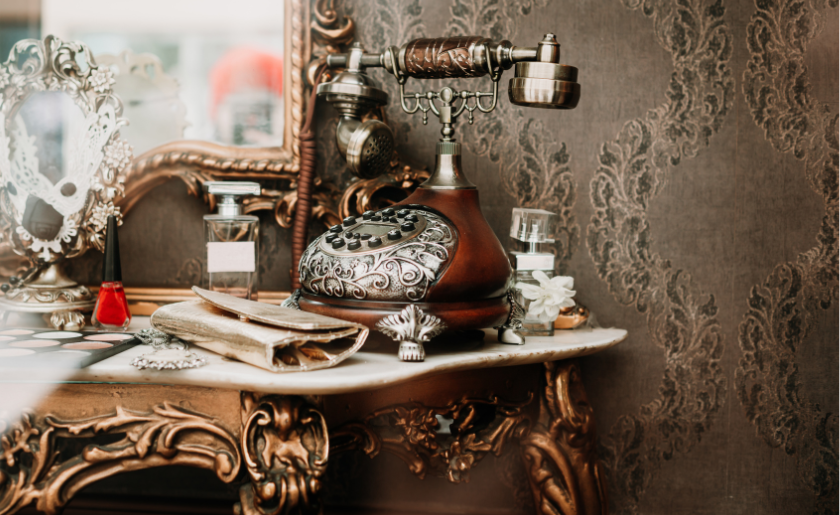
- Mix matte pottery with glossy ceramic planters.
- Scatter touches of brass through lamp bases, cabinet handles or candleholders instead of keeping every metal finish identical.
- Place clear or smoked glass beside wood to keep heavier furniture from visually weighing down the room.
Break up the floor, too
Walls aren’t the only place where layering works when it comes to maximalist decor.
A pair of thin vintage rugs, slightly offset instead of perfectly stacked, instantly adds movement to a hallway or reading nook. The same idea works beneath a coffee table or dining table, where a second rug peeking out by just a few inches makes the whole arrangement feel less rigid and a little more lived in.
Pro styling tip: If you’re unsure whether a room needs another color, try adding another texture first. Swapping a smooth cotton cushion for velvet, replacing a shiny planter with matte ceramic or bringing in a woven basket often creates the richness you’re looking for without introducing a single new shade.
Hide everyday clutter behind beautiful storage
Spend enough time embracing maximalism and you’ll quickly realize every nook and cranny has a job to do. Maximalism celebrates the objects you want people to notice.
“As opposed to having all of my items stored away from view, I have chosen to curate beautifully folded quilts, textured throws, vintage pillowcases and woven storage baskets on the open shelving in my linen closet,” says Guillaume Drew, home decor and textile expert and Founder of Or & Zon(opens in new tab). “I see these pieces as both functional essentials that need to be used and decorative elements which deserve to be seen,” Drew added.
Phone chargers and instruction manuals are perfectly happy playing a supporting role behind closed doors. The more visual noise you remove, the more your collections get to do the talking.
Let furniture work overtime
Closed storage is one of maximalism’s best-kept secrets. A vintage sideboard can hide all the little things that seem to inevitably take over. A buffet in the dining room doesn’t have to store only dishes, either. It can become home to seasonal decor or entertainment supplies.
Make the coffee table earn its keep
Coffee tables with hidden storage aren’t just for remote controls. They’re surprisingly good at swallowing the things you use every day but don’t necessarily want on display: coasters, card games, knitting projects, puzzle boxes or the book you’re halfway through reading instead of balancing it on the sofa arm for the fifth night in a row.
Don’t use baskets just for blankets
A large woven basket beside the sofa is the obvious choice. A smaller one tucked onto the bottom shelf of a bookcase is a much more interesting one.
Use it for charging cables, camera straps, controllers or anything else that would otherwise interrupt a styled shelf. It stays within reach without becoming part of the display.
Borrow storage from unexpected places
Some of the smartest storage is hiding in plain sight.
- Slide shallow baskets underneath a console table instead of leaving the space empty.
- Store seasonal throws inside a wooden blanket chest that doubles as a coffee table.
- Use decorative hat boxes to hold photographs, sewing supplies or holiday ornaments.
- Place a slim storage bench beneath a window and treat it like an extension of the room rather than another piece of furniture.
- Turn the bottom shelf of a bar cart into concealed storage with matching fabric-lined boxes instead of bottles alone.
When your maximalism needs a little more room
Some pieces don’t need to live with you every single day. The heirloom quilt your grandmother made deserves just as much care folded away for the summer as it does spread across the bed every winter. Extra artwork can rotate through your walls every few months, giving rooms a new personality without buying a new thing.
Climate-controlled self storage(opens in new tab) starts making a lot more sense once the closets have officially surrendered. Stable temperatures and lower humidity help protect wood furniture, artwork or delicate fabrics from the kinds of seasonal swings that garages, attics and unfinished basements were never designed to handle.
Not sure how much room you’ll need? Most people don’t.

A 5’x5’ unit(opens in new tab) is often enough for a handful of moving boxes, family keepsakes, seasonal decorations or the collections you’ve decided to rotate throughout the year. Once furniture enters the picture — a sideboard, accent chairs, a small dining set or several larger heirlooms — a 5’x10’(opens in new tab) or 10’x10’(opens in new tab) makes life much easier.
If you’re somewhere in between, a storage size calculator(opens in new tab) can take the guesswork out of choosing a unit before move-in day, saving you from paying for space you’ll never use.
FAQ
Can maximalist decor work in a small apartment or studio?
Absolutely. Scale matters more than square footage. In a smaller space(opens in new tab), the same principles apply — a unified color story, intentional groupings, vertical layering — but with a lighter touch on furniture and a heavier investment in walls and surfaces. A gallery wall, a single richly styled bookshelf or a bold piece of wallpaper on one accent wall can create a maximalist feeling without making a small room feel trapped.
How do I introduce maximalism if I’m starting from a mostly minimalist space?
Start with one room or even one wall. Layering works best when it builds gradually — a new textile here, a curated shelf there — rather than arriving all at once. Throw pillows, vintage finds from a single thrift trip or a gallery wall you build over time are low-commitment ways to test how much visual richness feels right for you before committing to bigger changes.
Does maximalist decor lower a home’s resale value?
Not inherently. Buyers respond to the condition and quality of a home, not its decorating style. Bold wallpaper, layered shelves and eclectic collections are all easily changed. What can affect value is clutter that makes rooms feel smaller than they are or obscures architectural features — which is exactly why smart storage and intentional display matter, even in a maximalist home.
Collect what you love, display what you can
Every maximalist home is a work in progress. New treasures find their way in, collections evolve and favorite pieces trade places over time. And sometimes, the smartest thing you can do for the pieces you love is get them out of each other’s way.
Every favorite deserves its moment. Make sure it gets one, so that your home becomes “clutterly” devoted to telling your story.


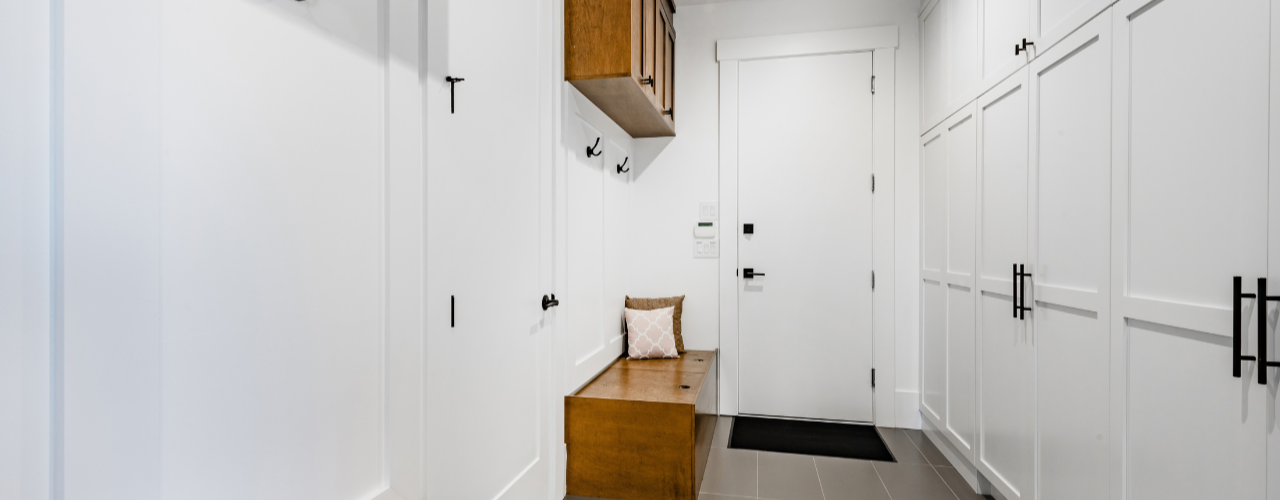
25 Mudroom Storage Ideas (And Mistakes to Avoid)
When you come home with muddy boots, an armful of bags and a coat you can’t wait to take off, it’s nice to have somewhere to put it all. With a mudroom, you can leave the outdoor mess at the door instead of carrying it through the house. Traditionally, you’d set aside a separate room, but you can just as easily use a hallway, an entryway closet, a laundry-room corner or a stretch of wall near the entrance.
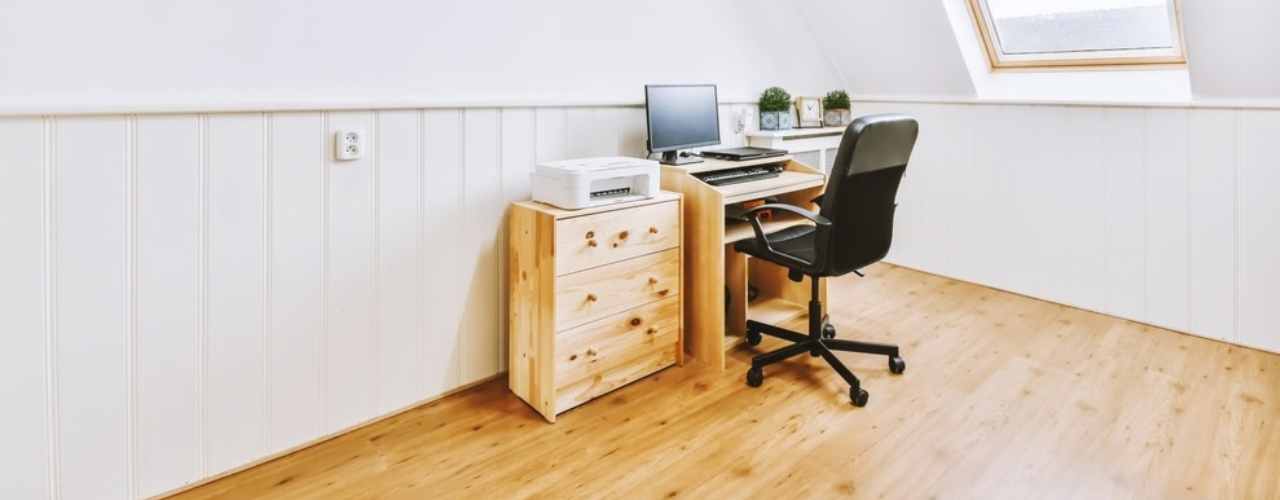
Is Your Home Office Worth the Rent? What Coworking and Self Storage Could Save You
Every square foot of your apartment comes with a price tag, and a home office claims more of them than most renters expect. It starts with a desk. Then come the second monitor, the printer, the filing cabinet and the overflow boxes. Before long, the corner you set aside for work has turned into a small room you are paying for every month.
Best U.S. Cities to Live Uncluttered: Plano, TX, Offers the Most Room to Breathe
Clutter is in our homes as much as in our heads. Both are shaped by where we live.

America’s Top Snowbird Destinations for 2026–2027: Florida Leads in Numbers, Texas Wins on Value
For Americans living in colder states, the approach of winter is reason enough to start looking south. Cold weather carries costs that go beyond the heating bill and shoveling snow. Seasonal affective disorder(opens in new tab) is far more prevalent in northern states, so a temporary move south isn’t simply an escape from the cold, but a chance to spend the hardest stretch of winter outdoors and in the sun.
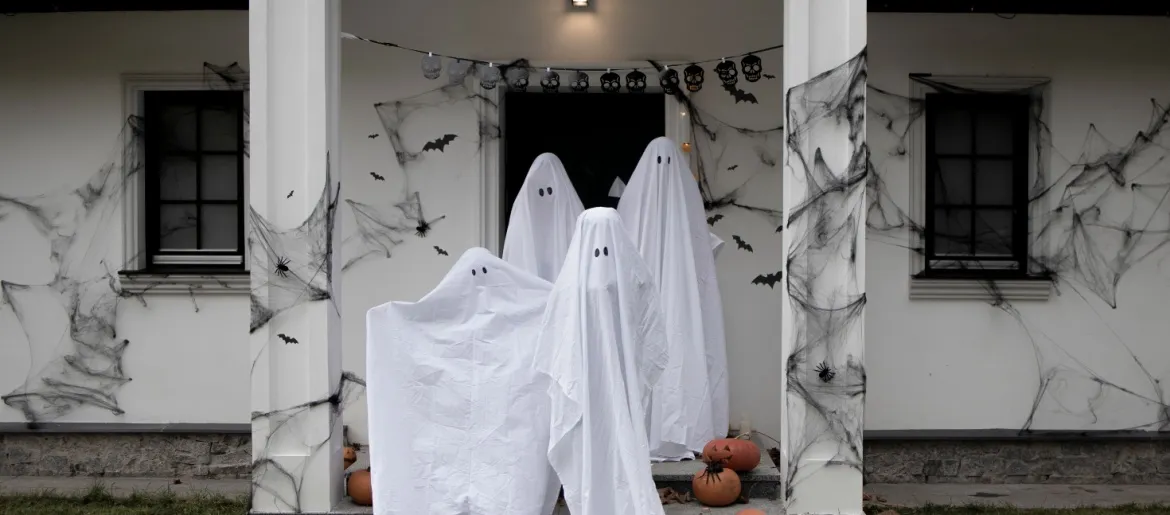
How Much Does Halloween Really Cost in 2026? Plan Wisely to Avoid the Scare of Hidden Costs
Americans’ love for Halloween is almost frightening — this year alone, we are on our way to spending $13.5 billion, according to data from the National Retail Federation(opens in new tab). That breaks down to about $115 Halloween costs per person, a whopping 49% more than 10 years ago.
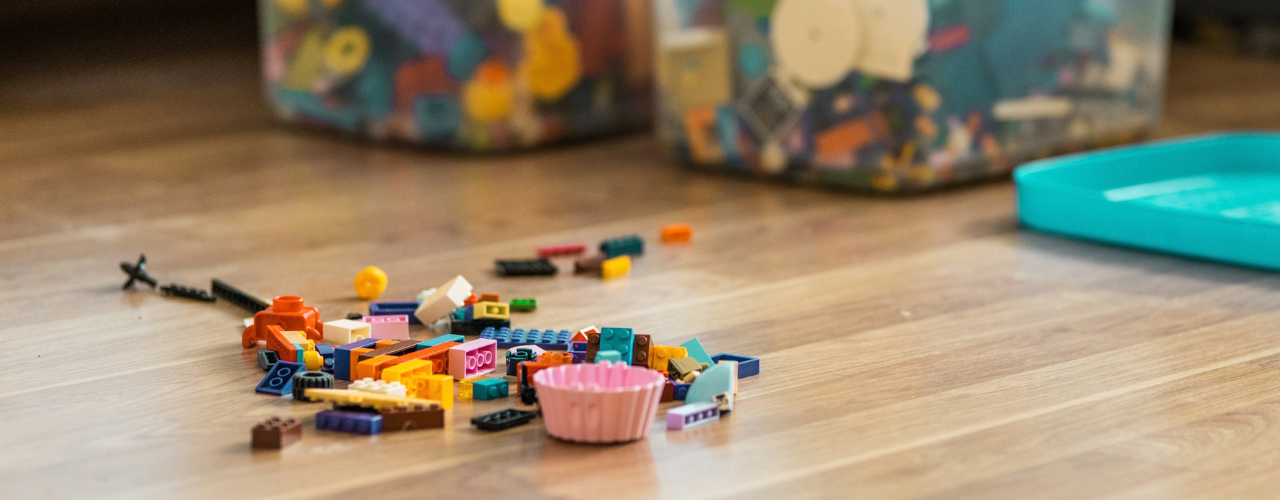
How to Store LEGOs: All the Fun, None of the Clutter
How to store LEGOs largely comes down to how your household uses them. If the bricks are part of everyday play, you need a setup that keeps them within easy reach and makes cleanup quick (for your feet’s sake, at least). Toy storage(opens in new tab) such as simple bins, playmats or containers that children can put away themselves may be enough. Larger or more serious collections usually need more organization, such as labelled drawers for loose pieces, trays for unfinished builds, shelves for completed models and separate storage for retired sets.

Cardboard Costume Guide: Tips and Ideas for a DIY Halloween
Whether for kids or adults, cardboard costume ideas often make the biggest splash once materialized, and that’s for a simple reason: doing a lot with a little is a universally impressive feat (especially in this economy). If you don’t have enough boxes you could temporarily repurpose, don’t worry! There are many places where you can find free moving boxes(opens in new tab), from stores and supermarkets to online groups and recycling drop-off spots. On the run? Try your luck at a self storage(opens in new tab) facility that sells moving supplies, often for cheap. This way, you can choose moving boxes of different shapes and sizes(opens in new tab), so you can make your costumes as complex as you want.

How to Celebrate Halloween: 9 Non-Spooky Ways To Enjoy It
As soon as October starts, it’s the official Halloween month. And while for many people it means it’s open season to get the scare of a lifetime, others, especially families with small children, might prefer to celebrate in a tamer way that’s both kid- and adult-friendly. While you’re likely to find more events where the spook factor is high, here’s how to celebrate Halloween in a not-so-scary way:

Motorcycle Storage Guide: How to Store Your Bike Safely
Motorcycles may be born to be wild, but eventually even the wild ones need somewhere to park. Whether riding season is winding down or your current living situation comes with plenty of square footage for you and less for your bike, motorcycle storage is one of those parts of ownership that doesn’t get as much airtime as the open road.