
A Moving Guide To St. Augustine, FL, The Ancient City (9 Things To Know Before Relocating Here)

St. Augustine, FL, sits on Florida’s Atlantic Coast, where the Matanzas River meets the Atlantic Ocean. Tucked between Highways US 1 and A1A, the city is about an hour from downtown Jacksonville. Often considered to be the country’s oldest city, St. Augustine effuses history, architecture and coastal breezes. Beyond this centuries-old charm lies a mix of established neighborhoods, master-planned communities and coastal habitats. There are so many things to know about this historic city, and how it can be your next home:
1. What is the weather like in St. Augustine, FL?
Much like the Gulf and the South Atlantic area, St. Augustine has a humid subtropical climate that makes the area warm and sunny. From May through October, the weather is hot and humid, while the cooler period of the year covers November through April. Expect highs to reach the 80s and 90s and lows in the 70s for the summer, while fall and spring see temperatures from 74 °F to 87 °F for the highs and 50s to 70s for the lows.
Self storage is especially useful in the summer, when temperatures and humidity are higher in Augustine, FL. You can keep your furniture, appliances, electronics, musical instruments, books, collectibles and other items that are easily damaged by high temperature and humidity in a climate-controlled storage unit in Augustine. This type of unit offers the ideal conditions to help your belongings preserve their qualities.

2. What is the economy like in St. Augustine, FL?
St Augustine’s economy is supported by hospitality, retail and education, but also financial services, information services, biomedical technology and more. Some of the largest employers include Publix Supermarkets, Camping World, Ring Power, Watson Realty Corp. and the Brooks Rehabilitation Hospital, among others.
Large companies located in St. Augustine, FL, can better manage their business’s daily operations if they have the extra space needed to store office equipment, paper records and more. That’s where self storage can come in handy. Instead of keeping all these items on the business’s premises, a self storage is a much cheaper and space-saving solution. Additionally,small local businesses such as brick-and-mortar stores, restaurants or e-commerce businesses can also keep additional merchandise and more in a storage unit to help them save space and make their businesses run smoothly.
3. What are public schools like in St. Augustine, FL ?
In Florida, counties are the main providers of essential services, like schools and driver’s licenses. The St. Johns County School District (home to St. Augustine) is considered one of the best in the state. It is common for families to move to the county, just so their kids can attend excellent public schools. St. Johns County has more than a dozen elementary schools, several middle schools, and about a half dozen high schools. Due to the county’s zone-based approach, your assigned schools depend on which zone (aka neighborhood) you reside in.
4. What are some common attractions in St. Augustine, FL?
Historic St. Augustine sits on the St. Augustine Inlet, connecting the Matanzas River to the Atlantic Ocean, and St. George Street is the district’s hub. This pedestrian-only street has restaurants, cafes, and shops. Of course, the city’s history invites tourists from near and far. There are attractions like Ripley’s Believe It or Not and the famous “Fountain of Youth,” and for locals, the tourism industry is a significant source of jobs. And this historic district is a fun place for an evening out on the town – strolling along the Bridge of Lions eating at a world-class restaurant, or going a carriage tour.

St. Augustine offers more than just great schools and centuries of history. Protected bodies of water and greenspaces surround the city. The Guana River Wildlife Management Area and Anastasia State Park are excellent places to see birds, kayak, or hike along the coast. If you like surf and sand, head to St. Augustine Beach. This mile-long strip of beach is about 20 minutes from historic St. Augustine.
5. What is St. Augustine, FL, famous for?
St. Augustine’s founding as a modern city dates all the way back to 1585. This makes it the oldest European-founded city in the United States. Pedro Menendez de Aviles landed here and led the building of Castillo de San Marcos. This fortified limestone fortress was critical to whichever European country controlled the city – providing sightlines and strategic positioning to protect the city from invaders. The Fort looms over downtown St. Augustine and is a must see for any visitor or newcomer to the city.
6. What does the moving process to St. Augustine, FL involve?
Moving can be challenging regardless of how many times you’ve done it before. Plan in advance and get professional movers or at least enlist the help of family and friends to make the process easier. Pack non-essentials first, such as clothing, décor, and more and make a bag for moving day to make the process easier. You could even ship your belongings ahead of time and have them delivered to a storage unit close to your new home in St. Augustine. This way, you can gradually retrieve your things and organize them leisurely.
7. Is St. Augustine, FL, a good place to live?
St. Augustine has small town charm on its side, swiftly turning many of its visitors into transplants. Let’s take a look at same of the places that bring newcomers to St. Augustine.
Moving to St. Augustine, FL, from Atlanta, GA
If you’re ready to leave the big city life behind, moving from Atlanta, GA, to St. Augustine might be a good idea. You’d still be close to Jacksonville, if you you want to have access to big city events, but you’ll leave the hustle and bustle behind. Instead, you get to enjoy sunny weather and 42 miles of beach locally. If you’re moving here with your children, you get access to top-notch education, as a lot of them come with rankings.
Moving to St. Augustine, FL, from Orlando, FL
When you’re swapping Orlando, FL, for St. Augustine, FL, you get some serious perks- you’ll get to enjoy a much quieter life while not compromising on lovely surroundings. The area is rich in outdoor activities, from horseback riding, kayaking, fishing, sailing and more. St. Augustine, FL, has a lively music scene, with plenty of music festivals, including the Lincolnville Porch Festival, Sing Out Loud, Music By the Sea and more.
8. What are the housing options in St. Augustine, FL?
St. Augustine’s sprawling unincorporated areas can make it hard to choose where to live – close to the river and ocean or inland, near US 1 and Interstate 95. It can take some time to figure out which area is best for you.
If you’re looking for apartment living, the historic downtown is probably your best bet. However, being in the middle of the action does come with a cost – you’ll have less living space to enjoy as opposed to living in a single family home. To better manage your belongings so as not to cram your apartment, you can turn to self storage. Keep your bulky and seasonal items as well as furniture – one of the most popular items kept in storage – in a storage unit until you’re ready to use them again. You can retrieve them when you need them.

If you’re considering living in a single family home, Casa Cola/Durbin and Elwood Whites Ford are popular, especially among families with children, whereas if you’re a retiree, Butler Beach is the ideal neighborhood. Even though you get to enjoy more space than an apartment renter, getting a little extra storage can truly help. You can put outdoor gear, appliances and seasonal items in a storage unit to keep your home organized and breezy. Additionally, a storage unit can come in handy if you’re working from home and needed to carve out space for your home office. Displaced furniture and other items can sit in a storage unit instead of creating clutter in other areas of your home. Moreover, you can use the service if you’re moving in with your parents to create a multi-generational home. As two households merge under the same roof, you might discover excess furniture, appliances and family heirlooms cannot be housed in the place of residence. Instead, keeping them in a storage unit is a much better way to keep them safe without cramping your home.
9. What are the storage options in St. Augustine, Florida?
Once you’re settled in, you can search for a storage facility near your home, which should be easy – a St. Augustine, FL, storage unit is well within your reach with the city offering many storage options. Once you find it, decide which unit size you need. A 5’x5’ unit is ideal for small outdoor gear and clothing. For bulkier items, upgrade to a 5’x10’ unit. Most people rent a 10’x10’ unit, which can fit large furniture and a few appliances. For moving the contents of your home, go for a 10’x15’ unit (smaller apartment), a 10’x20’ unit or a 10’x30’ for a three- or four-bedroom home.
To find your next self storage unit, browse the StorageCafe portal.


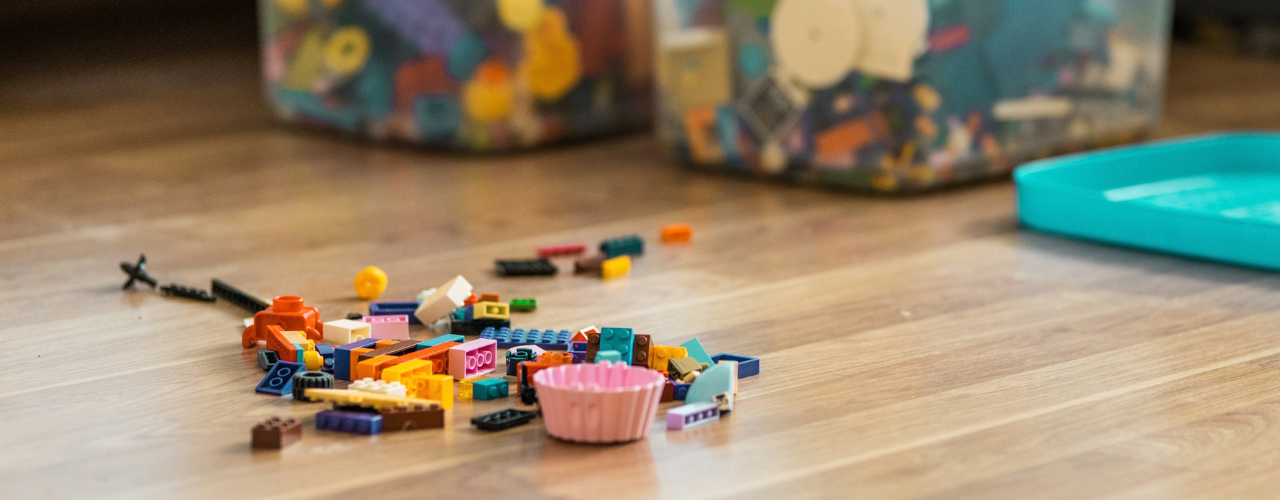
How to Store LEGOs: All the Fun, None of the Clutter
How to store LEGOs largely comes down to how your household uses them. If the bricks are part of everyday play, you need a setup that keeps them within easy reach and makes cleanup quick (for your feet’s sake, at least). Toy storage(opens in new tab) such as simple bins, playmats or containers that children can put away themselves may be enough. Larger or more serious collections usually need more organization, such as labelled drawers for loose pieces, trays for unfinished builds, shelves for completed models and separate storage for retired sets.
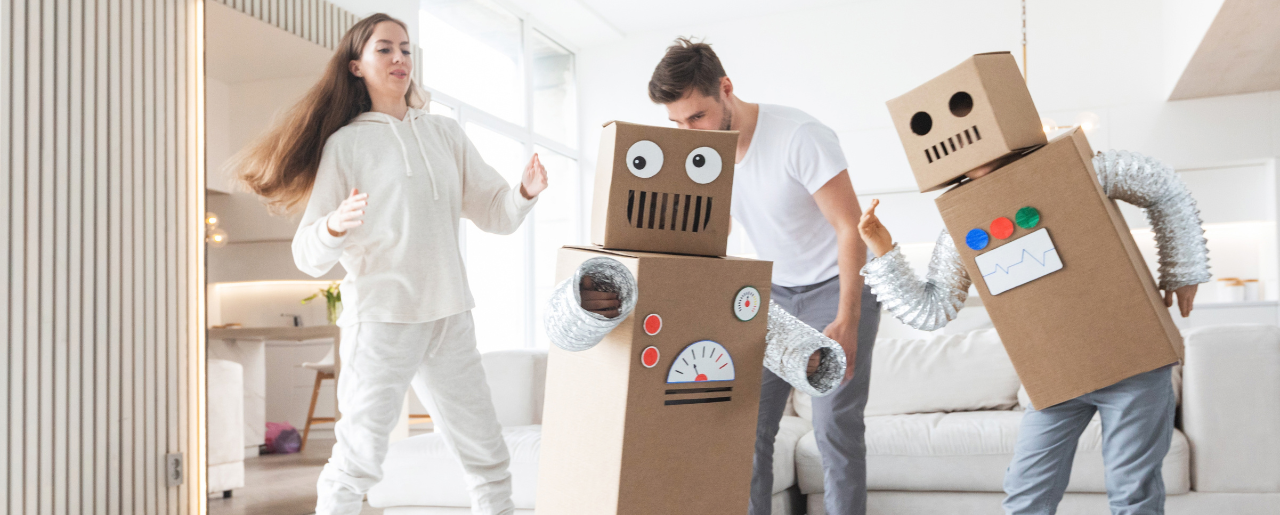
Cardboard Costume Guide: Tips and Ideas for a DIY Halloween
Whether for kids or adults, cardboard costume ideas often make the biggest splash once materialized, and that’s for a simple reason: doing a lot with a little is a universally impressive feat (especially in this economy). If you don’t have enough boxes you could temporarily repurpose, don’t worry! There are many places where you can find free moving boxes(opens in new tab), from stores and supermarkets to online groups and recycling drop-off spots. On the run? Try your luck at a self storage(opens in new tab) facility that sells moving supplies, often for cheap. This way, you can choose moving boxes of different shapes and sizes(opens in new tab), so you can make your costumes as complex as you want.

How to Celebrate Halloween: 9 Non-Spooky Ways To Enjoy It
As soon as October starts, it’s the official Halloween month. And while for many people it means it’s open season to get the scare of a lifetime, others, especially families with small children, might prefer to celebrate in a tamer way that’s both kid- and adult-friendly. While you’re likely to find more events where the spook factor is high, here’s how to celebrate Halloween in a not-so-scary way:

Motorcycle Storage Guide: How to Store Your Bike Safely
Motorcycles may be born to be wild, but eventually even the wild ones need somewhere to park. Whether riding season is winding down or your current living situation comes with plenty of square footage for you and less for your bike, motorcycle storage is one of those parts of ownership that doesn’t get as much airtime as the open road.

Halloween Decorating on a Budget (And Cheap Ideas for Everything Elsee)
Halloween has crept a long way from its eerie origins. While All Hallows’ Eve has transformed through the centuries, it wasn’t until the 1930s that trick-or-treating became a tradition in the U.S. and businesses began conjuring up mass-produced Halloween costumes. Now, Halloween is a monster-sized, billion-dollar industry, with a cauldron full of costumes and decorations ranging from the mainstream to the macabre. But is it all really worth your wallet? Maybe, but we’ll let you in on a little secret: You can keep your Halloween decorating on a budget and save on everything else, too. Take this plan and see it through!
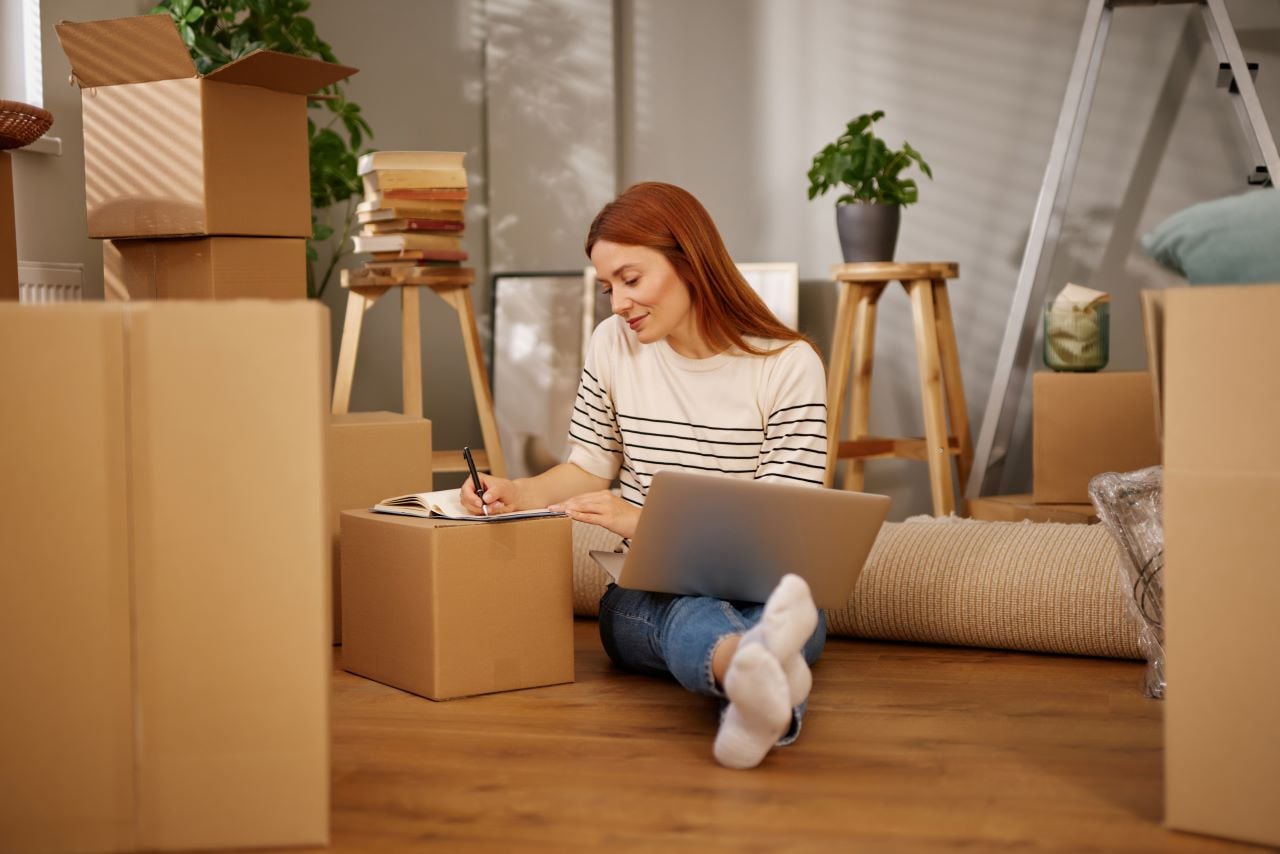
Moving From a House to an Apartment: What to Expect, How to Downsize & How Self Storage Helps
For some, moving from a house to an apartment is a financial decision. For others, it’s about simplifying life. Maybe the kids have moved out and half the house sits empty, or you’re approaching retirement and no longer want to spend weekends on repairs. Or perhaps you’ve been weighing the cost of buying a home and wondering whether renting simply makes more sense right now.
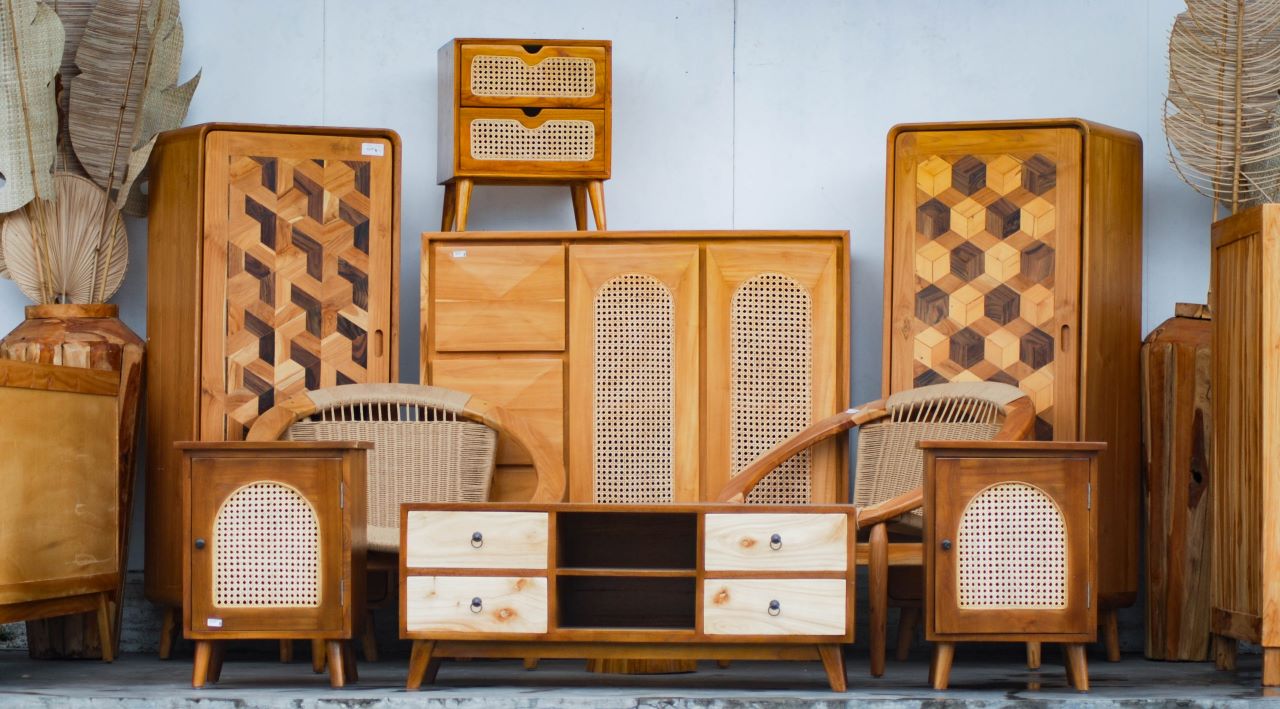
Family Heirlooms Overload: How to Handle Family Inheritance Without Regret
Handling family heirlooms after a loss requires managing legal authority, emotional pressure and practical logistics at the same time, and the order you take them on matters more than most people expect.
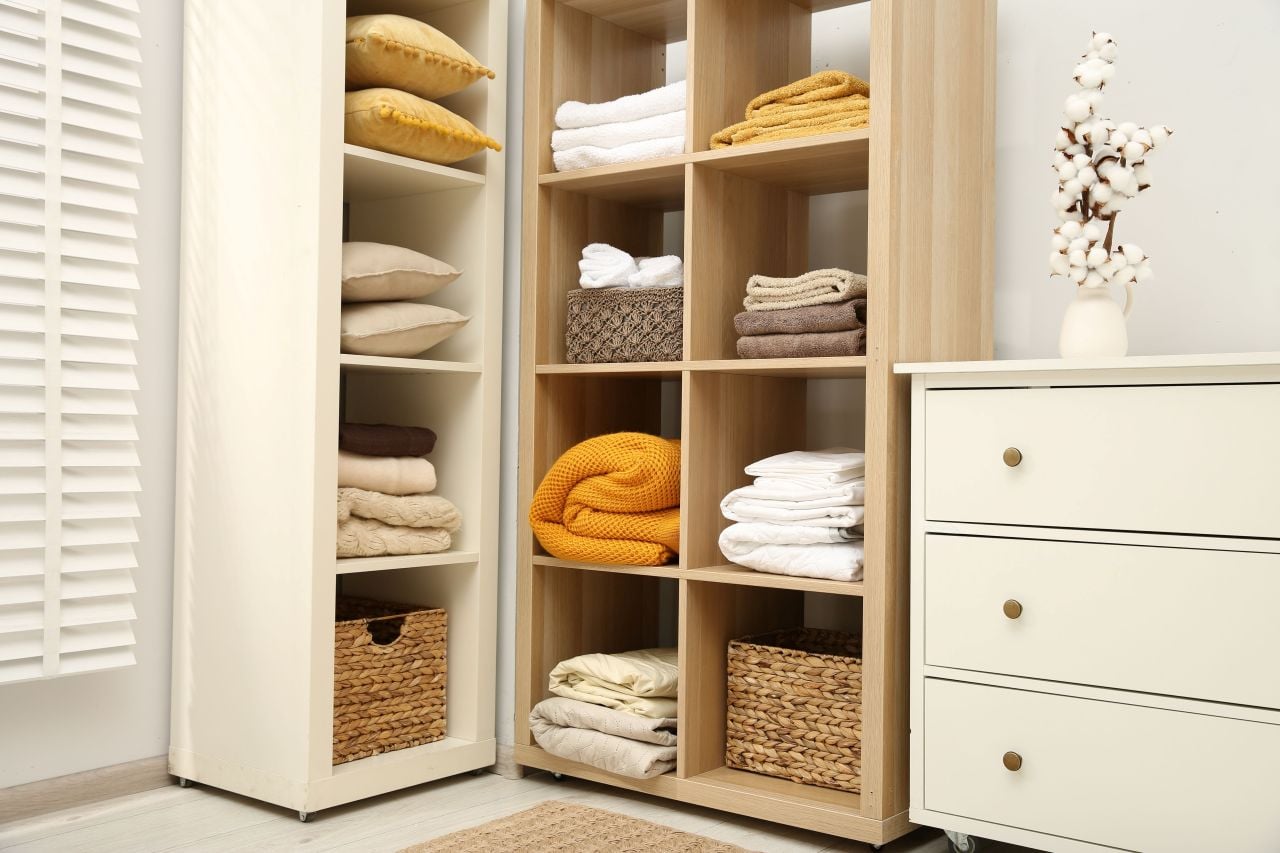
Blanket Storage: The Right Method for Every Space and Season
Blankets make our lives cozier, and storing them well is what keeps them soft and comfortable in the long run. Knowing how to store a blanket properly means your favorites come out of storage smelling fresh, feeling the same as when they went in, and lasting years longer than they otherwise would.

Board Game Storage Ideas That Keep Your Collection in Fighting Shape
Nobody warns you that getting into board games usually unlocks a second hobby, the much dreaded one that includes figuring out where on earth to put them. One game becomes a few, expansions start spawning beside their base boxes and before long, board game storage requires as much strategy as whatever is waiting on the other side of those lids.