

Nestled on North Carolina’s southeastern coast, Wilmington’s access to the water defines this city of more than 120,000 people. The Cape Fear River, coastal marshes and beaches provide the city with both a strong identity and economic base. Wilmington sits just north of the border between the Carolinas, near the junction of Interstates 40 and 95. Too often overshadowed by North Carolina’s larger cities, Wilmington’s coastal lifestyle draws millions of tourists and nearly two thousand new residents a year.
1. What to know before moving to Wilmington, NC
Wilmington is the main city of a metropolitan area that includes beaches, federal lands and unincorporated portions of New Hanover County. With the nickname The Port City, the water is the city’s lifeblood, and it supports the regional economy and daily activities. The University of North Carolina-Wilmington and a sizable US Marine Corps base are two local institutions that serve as large employers. The beaches draw tourists eager for fun in the sun, sand and surf. Before you move to Wilmington, you need to know the following:
2. What is the weather like in Wilmington, NC?
Wilmington has a subtropical climate that typically comes with mild winters, with lows in the mid-30s and highs in the 50s °F. Snowfall is rare, and if it does happen it’s typically light. Summertime comes with high humidity. Expect highs between the 80s and 90s °F and lows ranging from 70 to 75 °F.
Whether it’s winter or summer, the local climate is not ideal for storing items in a non-climate-controlled space. While your home can accommodate some of your belongings under the right temperature and humidity conditions, you can end up cluttering it with many items you don’t use on a regular basis.

A view of Wilmington North Carolina from across the Cape Fear River
3. What’s the economy like in Wilmington, NC?
Wilmington’s economy is fueled by various industries including the manufacturing of electronic and telecommunications equipment and the medical sector. In addition, clothing and fashion, food processing and manufacturing of paper products are part of the local economy. Pharmaceuticals are also a feature of the local business scene, with Wilmington being part of North Carolina’s Research coast. With its strategic location on the Cape Fear River, the city is home to the North Carolina State Ports Authority Port of Wilmington.
For the businesses operating in Wilmington, self storage can be a real boon, helping them better manage their space and store a wide range of business-related items. For instance, medical institutions can keep various medical devices and paper records in storage, freeing up their premises in the process.
4. Universities and college options in Wilmington, NC
Wilmington is home to a number of higher education institutions including the University of North Carolina at Wilmington, the Miller-Motte Technical College and the Cape Fear Community College. The University of Mount Olive, University of North Carolina at Pembroke each have a satellite campus in Wilmington.
Students in Wilmington can also turn to self storage to make better use of their space. They can place bulky and seasonal items in a storage unit to avoid cluttering their dorms or apartments. Moreover, at the end of the school year, they can put all their belongings in a storage unit instead of moving them back home. It saves them a costly and logistically challenging move.
5. What is great about Wilmington, NC?
This little pocket of North Carolina uses its location to advantage, and Wilmington’s location on the water pervades many things that are great about the city. The beaches are famous for their surf, and as the founding of the city dates back to the early 18th century, there are as many museums and historic areas as you might expect.
Downtown Wilmington
Downtown Wilmington and its River District are nearly 300 years old, and the city is listed in the National Register of Historic Places. The Riverwalk is a boardwalk, running parallel to the Cape Fear River. Residents and tourists alike enjoy walking along the boardwalk, watching the boats come and go. Many restaurants, shops and businesses are located up and down this nearly two-mile-long path. People also like to visit Downtown’s resident battleship: The USS North Carolina was one of the country’s greatest ships during World War II, and now it is a tourist attraction. Each fall, downtown Wilmington hosts its River Fest.
Cape Fear Beaches
Wrightsville Beach lies just across the Intercoastal Waterway from Wilmington and is frequently voted the best beach in North Carolina. This beach along with Carolina and Kure beaches are known as the Cape Fear Beaches, and their surf is considered some of the best along the East Coast. For this reason, people who love watersports, such as surfing and sailing, spend a lot of time here. The intercoastal waterway, river and marshes have calmer water than the ocean, making kayaking, fishing and standup paddleboarding popular local activities.
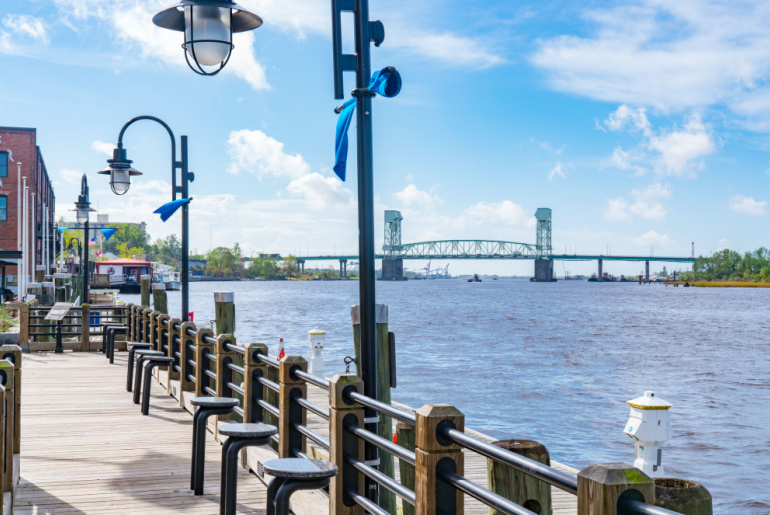
Riverwalk along the waterfront of the Cape Fear River in Wilmington, NC
6. What is Wilmington, NC, famous for?
Each spring, Wilmington hosts the North Carolina Azalea Festival, which is more than 70 years old. For one week in April, Wilmington welcomes tourists from across the world to see the azalea bushes in bloom and other associated delights. Wilmington likes to call itself Hollywood East, due to the many films and television shows produced in the region. Some of the most popular titles include The Secret Life of Bees, Iron Man 3 and Good Behavior. The state provides tax incentives for filming such productions.
7. What does the moving process to Wilmington, NC, involve?
Wilmington’s location on the East Coast makes it an easy drive from much of the Eastern Seaboard. It is about equidistant from New York City, Orlando and Nashville. If you are moving to Wilmington due to a military transfer or a new job at a local university, there are a lot of moving and welcoming services in town. Interstates 95 and 40 are the best way to reach the city from all points west, north and south.
A substantial proportion of new Wilmington residents tend to come from Florida. Wilmington draws people from cities like Miami, St. Petersburg and Jacksonville in Florida and Charlotte in North Carolina. Moving involves budgeting for many things, including but not limited to professional assistance, van hire and gas.
8. What are the housing options in Wilmington, NC?
When you’re moving to Wilmington, NC, you need to consider whether renting or buying a home is ideal for you. If you’re going for a single family home, you might find one in neighborhoods such as The Cape, Water Street and Rivers Edge.
Self storage can not only assist you when you’re moving into your new home, but it can also help you better manage your living space. Place your bulky seasonal items – clothing, décor and outdoor gear, for example – in storage, and they can sit there until you need them again. Moreover, if you’re taking up a home improvement project, you could also make use of the service. Items from the area under construction can remain in storage until the project is completed to avoid cluttering the rest of the home. If you find yourself forming a multi-generational household, self storage can also help with this. When two or more families come together under the same roof, it is likely that not all their belongings can be fitted in. Furniture, appliances and family heirlooms can stay in storage until somebody wants them again.
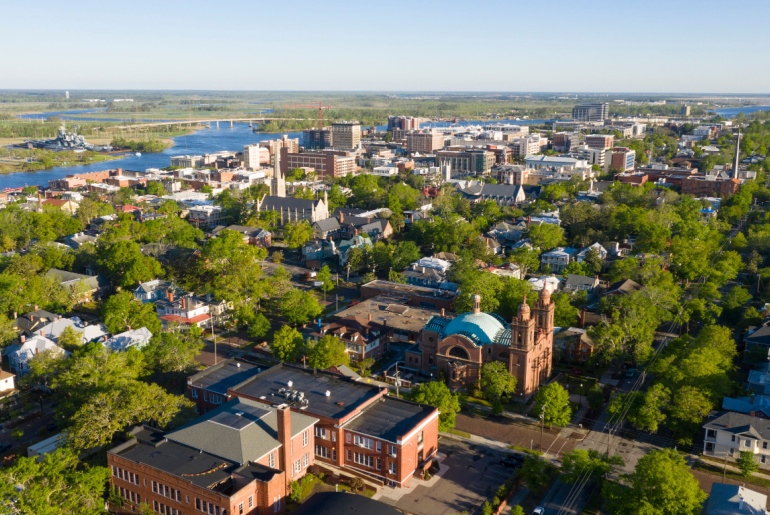
The buildings, homes and architecture of the North Carolina city of Wilmington
If you’d like to be in the middle of everything, you might opt for apartment living in the Wilmington Historic District, which is the same as the downtown area. Living here means you typically get less living space than other Wilmington residents choosing a single family home. However, you can use self storage to make the most of your living space. Items that only get seasonal use can safely sit in storage until they are needed again, all the while keeping your home tidy and uncluttered.
9. Is Wilmington a good place to live?
With its coastal location, low taxes, a plethora of cultural activities and a good quality of living, Wilmington is shaping up to be an attractive place to move to. Let’s take a look at some of the popular moving routes leading to the North Carolina city:
Moving to Wilmington from Boston
Moving from Boston to Wilmington can come with some serious perks. Housing is more affordable here, so you might be able to purchase a larger home. Also, you get to enjoy a shorter commute time when you live here. The city gets plenty of days of sunshine and winters are much milder than in New England.
Moving to Wilmington from Raleigh
If you want to move to somewhere with similar climate conditions, swapping Raleigh for Wilmington might be a good idea. If big city life no longer appeals, you could enjoy living in Wilmington, which is a smaller place that boasts a great sense of community. The city also has plenty of events to enjoy and provides access to outdoor activities.
10. What are the storage options in Wilmington, NC?
The local self storage market offers plenty of options to both newcomers and locals. You should consider renting a Wilmington, NC, storage unit close to your home. Once you find your Wilmington storage facility, you can look into the ideal unit size you need. For your seasonal and bulky items, turn to a 5’x5’ or a 5’x10’ unit. For larger belongings, such as furniture and appliances, you could consider the 10’x10’ or 10’x15’ sizes. If you’re moving house, think about a 10’x20’ or a 10‘x30’ storage unit, which can accommodate belongings from a larger home. To get a better sense of what unit size you need, you can consult this unit size guide.
To find self storage options in Wilmington, NC, check out the StorageCafe portal.



Moving From a House to an Apartment: What to Expect, How to Downsize & How Self Storage Helps
For some, moving from a house to an apartment is a financial decision. For others, it’s about simplifying life. Maybe the kids have moved out and half the house sits empty, or you’re approaching retirement and no longer want to spend weekends on repairs. Or perhaps you’ve been weighing the cost of buying a home and wondering whether renting simply makes more sense right now.

Family Heirlooms Overload: How to Handle Family Inheritance Without Regret
Handling family heirlooms after a loss requires managing legal authority, emotional pressure and practical logistics at the same time, and the order you take them on matters more than most people expect.
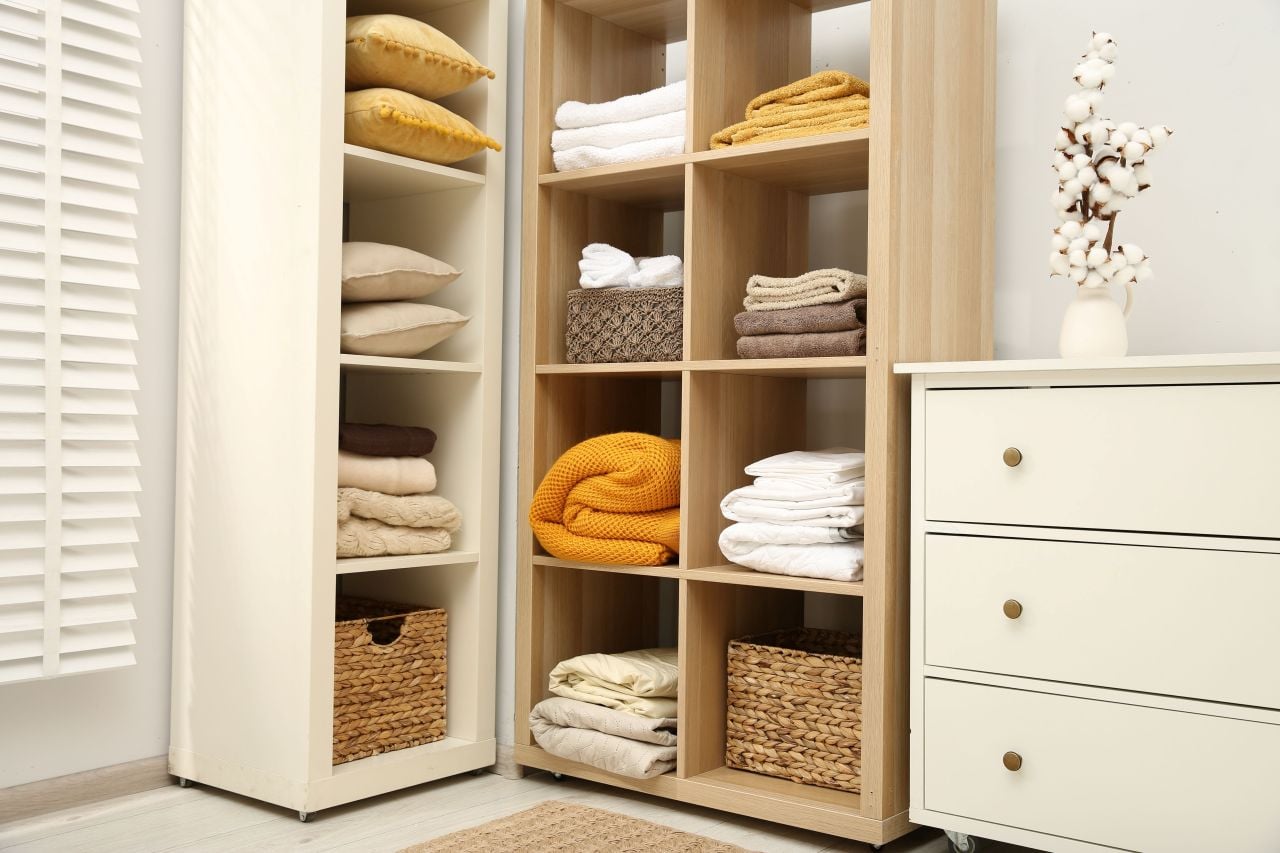
Blanket Storage: The Right Method for Every Space and Season
Blankets make our lives cozier, and storing them well is what keeps them soft and comfortable in the long run. Knowing how to store a blanket properly means your favorites come out of storage smelling fresh, feeling the same as when they went in, and lasting years longer than they otherwise would.

Board Game Storage Ideas That Keep Your Collection in Fighting Shape
Nobody warns you that getting into board games usually unlocks a second hobby, the much dreaded one that includes figuring out where on earth to put them. One game becomes a few, expansions start spawning beside their base boxes and before long, board game storage requires as much strategy as whatever is waiting on the other side of those lids.

Storage Locker vs. Storage Unit: What’s the Difference?
A locker and a unit may sound like two names for the same four walls and a lock, and depending on the storage facility, you may even see the terms used that way. However, once you start comparing available spaces, storage lockers tend to occupy the smaller end of the spectrum, while storage units(opens in new tab) give you considerably more room to work with.

Storage Ideas for Small Spaces: 9 Ways to Max Out Your Home
A messy home contains the seeds of its organization. Those seeds are everywhere: the space above doors, under beds, behind sofas and inside furniture can all become storage. Here are the best storage ideas for small spaces, so you can make the most of your cozy home.

Best U.S. Cities to Live Uncluttered: Plano, TX, Offers the Most Room to Breathe
Clutter is in our homes as much as in our heads. Both are shaped by where we live.
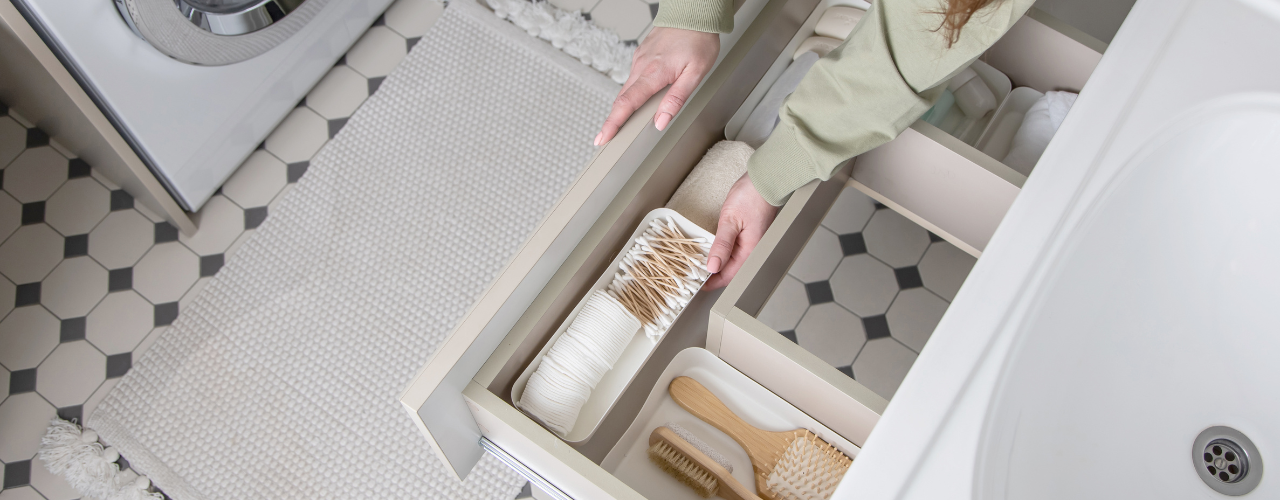
How to Organize Your Bathroom: 8 Ways to Stay Tidy
You already know why an organized bathroom is worth the effort, but let us remind you: it makes rushed mornings easier, keeps counters cleaner and just helps get you in the mood to go through your skincare routine like you should. Plus, in bigger households, it helps everyone find what they need. And you know how much a tidy bathroom counts for your self-esteem when a guest or a partner shows up. Luckily, you don’t need a degree to know how to organize your bathroom. The secret is keeping less, giving every item a home and making that home simple to use. Let’s go through some practical steps can help you create a bathroom that stays functional and nice to look at.

How to Use Silica Gel Packets for Storage
Moisture can cause significant damage to items in storage, leading to rust on tools, mold on clothing and warping in documents. Silica gel uses science to fix that. Often found in small packets inside product packaging, silica gel is a desiccant that absorbs moisture from the air, keeping your stored items dry and protected. This guide explains what silica gel is, how it works and how you can use it to preserve your belongings in self storage.