

Whatever you want to store, there’s a perfect storage unit out there waiting for it. The question is how you get to it. First, you find out how big the unit should be; for that, you can use a storage unit size guide(opens in new tab) or calculator(opens in new tab). Then, you scout the best self storage options near you(opens in new tab).
And here’s where things get interesting: Each facility comes with amenities that answer real needs customers have had throughout the years, from climate control and moving supplies to 24/7 access and video surveillance. Know what each feature is for, and you know which facility best serves your needs — and, just as importantly, what to ask the operators before you sign that lease. That’s how you can enjoy the best perk of self storage: peace of mind.
Below, you’ll find every amenity the self storage world has to offer, what it means for your belongings, and what you should ask operators in order to get the best deal.
What type of climate control do storage facilities offer?
“Climate control” can mean different things depending on the storage company, so it’s always smart to ask what kind they actually provide. In general, climate-controlled storage protects your belongings from extreme temperatures and humidity, keeping conditions steady year-round.
Conventional climate-controlled storage(opens in new tab) keeps the unit between 55°F and 80°F, which helps protect clothes, electronics, and wooden furniture from cracking or warping. These units cost a bit more — an average 10’x10’(opens in new tab) climate-controlled unit rents for about $139 per month, roughly 13% higher than a standard unit at $123.
Rates vary by city — around $98 in Oklahoma City(opens in new tab), $126 in Las Vegas(opens in new tab), and as high as $304 in San Francisco(opens in new tab). Climate control is especially worth it if you live in an area with extreme weather or you’re storing wood, leather, or paper-based items that don’t handle temperature swings well.
Other systems control humidity or air movement. Humidity-controlled units use dehumidifiers and sensors to maintain consistent moisture levels — perfect for art, documents, antiques, and musical instruments, which can mold or curl when the air gets too damp. Air-cooled units, on the other hand, circulate cool air like home air conditioning. They work well for plastic, metal, and everyday household goods, though they don’t protect against humidity.
If you live in a cold climate, heated storage keeps your things safe from freezing and cracking — a must for furniture, instruments, or other delicate items. And wherever you live, look for facilities with pest control programs that include regular inspections and treatments to keep rodents and insects out. That’s especially important if you’re storing fabric, paper, or food-related items.
What security features can you expect in self storage?
Security matters just as much as size or cost when choosing a facility. The goal is to make sure only you — and those you authorize — can access your unit. That’s how you know you’re getting the right level of self storage security(opens in new tab).
Start with locks(opens in new tab). Strong disc or cylinder locks are much harder to cut or pry open than standard padlocks. Many insurance plans even require certain lock types, so check the facility’s policy.

Look for properties with video monitoring(opens in new tab), which keeps cameras on entrances, hallways, and exterior areas. Ask whether the footage is live-monitored or reviewed later — real-time monitoring offers better protection. Facilities with 24-hour on-site staff add another layer of safety, since trained employees can respond right away to alarms or unusual activity.
Access control is just as important. Electronic gate access uses keypads, cards, or mobile apps to admit only renters and staff. Each tenant gets a unique code, which records entries and exits. Two-way gate systems — where you enter a code to both enter and leave — give you extra security. Some facilities even offer individually alarmed units that alert staff if someone tries to break in. Facilities can strengthen this protection further by considering professional burglar alarm installation(opens in new tab) for buildings, offices, and other vulnerable areas. These systems can detect unauthorized entry and trigger alerts, complementing individual unit alarms, access controls, and video surveillance.
Lastly, make sure the property is well-lit. Bright LED lights, often motion-activated, make a big difference for visibility, safety, and clear camera footage, especially if you visit after dark.
What amenities do self storage facilities offer in terms of access?
The best facilities make it easy to move your things in and out, no matter your schedule.
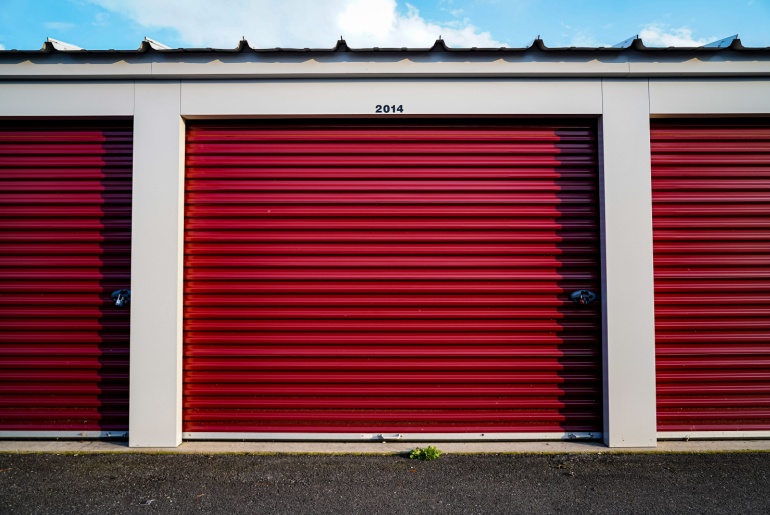
24/7 access lets you visit anytime — day or night — but always ask if that’s included in the rental rate or costs extra. You may need a gate code or mobile app to get in after hours. Drive-up units are great for heavy or bulky items since you can park right at the door instead of hauling boxes down long hallways.
If your unit isn’t on the ground floor, elevator access helps move items safely. Ask if the elevator is freight-size (large enough for furniture or appliances) and if there are loading platforms to bridge the gap between the elevator and your unit.
Facilities that sell packing supplies on-site save you time and ensure boxes, tape, and mattress covers fit the unit’s dimensions. For extra help, ask about hand carts and dollies, which are often free or available for a small rental fee. During busy weekends, you might need to reserve one. Some facilities even provide powered dollies.

If you don’t have a truck, look for on-site moving truck rentals — many storage centers offer discounts when you rent a unit and a truck together. And for maximum convenience, valet storage allows staff to pick up or deliver items for you, either on the property or to your home or office — handy for businesses, seniors, or anyone with limited time.
Finally, many facilities now accept deliveries or have secure package lockers, which keep shipments safe until pickup — perfect for online sellers, travelers, or small businesses.
What tech features does self storage provide?
The storage world has come a long way from its humble beginnings — and self storage tech features(opens in new tab) show it. Smart unit access replaces physical keys with mobile apps, so you can unlock your unit from your phone. It also lets staff grant or remove access instantly and can send alerts when someone enters, exits, or tampers with your unit.
Some facilities include Wi-Fi, allowing you to check messages or work remotely while on-site. A few even provide meeting rooms or shared workspaces for small business users.
Online tools are now standard at most locations. You can reserve a unit, sign a lease, and pay rent online, which makes it easy to manage everything from home. Many facilities also offer account dashboards where you can renew leases, view past payments, or update your details. Advanced systems may even link to inventory software, a big plus for business storage.
Do self storage facilities offer any extra features?
Some facilities go beyond storage to offer added flexibility and value.
Storage insurance plans protect your belongings from theft, fire, or natural disasters. Sometimes they’re included in the rental cost; other times, they’re an optional add-on. Before you buy storage unit insurance(opens in new tab), review the policy details — especially what’s covered, what’s not, and how to file a claim.
Most places rent on a month-to-month basis, which means no long-term commitment. You can move out, upgrade, or downsize whenever you need to without penalties. Be sure to ask about discounts or promotions too. Many facilities offer deals for students, seniors, military members, or those paying several months upfront.
If you’re storing vehicles, options usually include outdoor parking, covered spaces, or enclosed garages. Covered or indoor units offer better protection from weather and theft, which matters most for cars(opens in new tab), boats(opens in new tab), and RVs(opens in new tab).
Some facilities even double as workspaces. Office space near your unit can include Wi-Fi, mail service, and meeting rooms, perfect for freelancers or small businesses. Others rent art studios(opens in new tab) or paint-friendly rooms with proper ventilation and climate control — a practical setup for artists who need a place to create without the mess at home.
FAQ
What security features should you look for in a self storage facility?
Focus on the basics that prevent theft and ensure safe access. Choose a facility with video cameras, gated electronic entry, solid locks, and bright lighting. Facilities with individual unit alarms and 24-hour on-site staff offer stronger protection and quicker response if something happens.
Is climate control worth paying extra for?
Usually, yes. Climate-controlled units maintain steady temperature and humidity levels, keeping items safe from heat, cold, and moisture. They’re best for furniture, electronics, paperwork, and photos that can warp, crack, or mold without protection.
What’s the difference between drive-up and indoor storage?
Drive-up units let you park right at the door for quick loading. Indoor units are inside a larger building and often include climate control and better protection from weather. Drive-up units suit frequent access or large items, while indoor storage fits long-term or delicate belongings.
Can you access your storage unit 24/7?
Not always. Some facilities allow full-time access, but others limit entry to business hours or charge extra for after-hours use. Ask about access hours before renting so you know exactly when you can reach your unit.
What amenities help with moving heavy or bulky items?
Facilities that offer hand carts, dollies, freight elevators, and drive-up access make loading easier. Some also provide truck rentals or valet service, where staff move items for you.
Bottom line
Every feature, from climate control to gate access, works differently from place to place. Take time to speak directly with the staff, clarify what each amenity includes, and confirm how security and access actually operate day to day. A quick conversation can prevent misunderstandings and save you money later. The more you know upfront, the more control you have over your belongings and the storage experience itself.


25 Mudroom Storage Ideas (And Mistakes to Avoid)
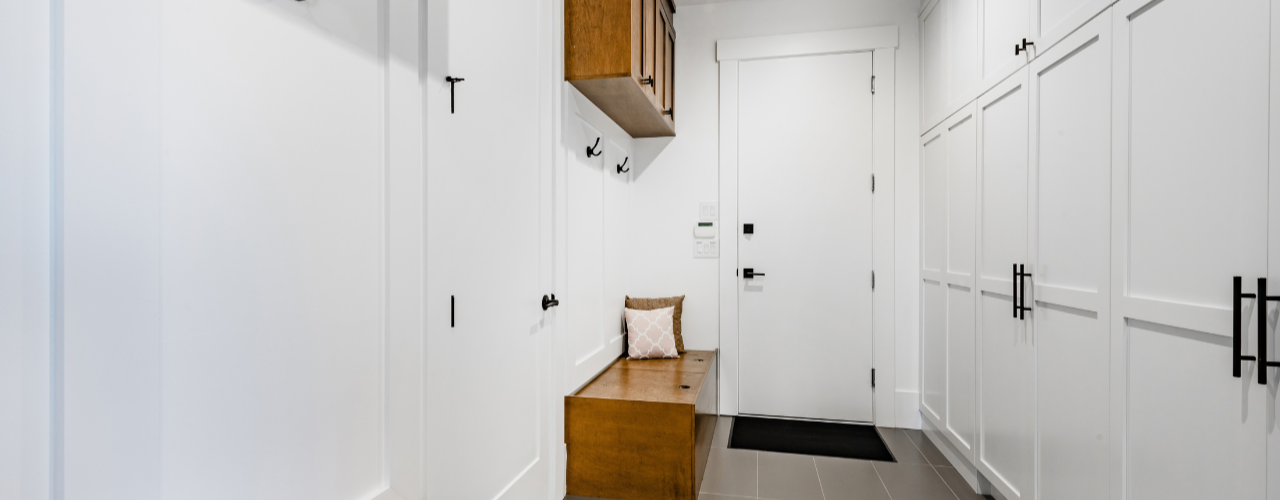
When you come home with muddy boots, an armful of bags and a coat you can’t wait to take off, it’s nice to have somewhere to put it all. With a mudroom, you can leave the outdoor mess at the door instead of carrying it through the house. Traditionally, you’d set aside a separate room, but you can just as easily use a hallway, an entryway closet, a laundry-room corner or a stretch of wall near the entrance.
Is Your Home Office Worth the Rent? What Coworking and Self Storage Could Save You
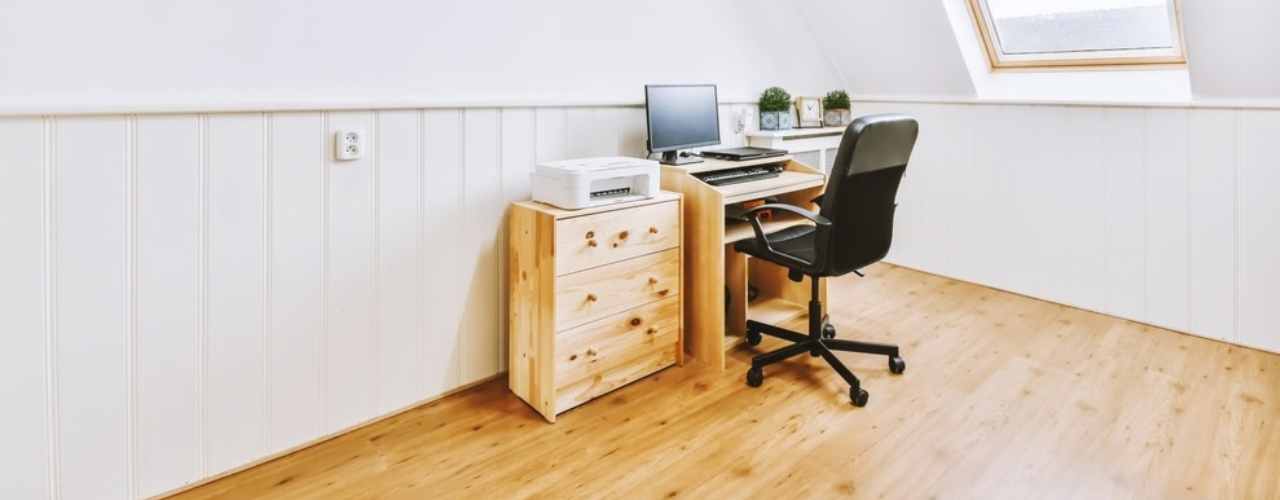
Every square foot of your apartment comes with a price tag, and a home office claims more of them than most renters expect. It starts with a desk. Then come the second monitor, the printer, the filing cabinet and the overflow boxes. Before long, the corner you set aside for work has turned into a small room you are paying for every month.

America’s Top Snowbird Destinations for 2026–2027: Florida Leads in Numbers, Texas Wins on Value
For Americans living in colder states, the approach of winter is reason enough to start looking south. Cold weather carries costs that go beyond the heating bill and shoveling snow. Seasonal affective disorder(opens in new tab) is far more prevalent in northern states, so a temporary move south isn’t simply an escape from the cold, but a chance to spend the hardest stretch of winter outdoors and in the sun.
How Much Does Halloween Really Cost in 2026? Plan Wisely to Avoid the Scare of Hidden Costs
Americans’ love for Halloween is almost frightening — this year alone, we are on our way to spending $13.5 billion, according to data from the National Retail Federation(opens in new tab). That breaks down to about $115 Halloween costs per person, a whopping 49% more than 10 years ago.
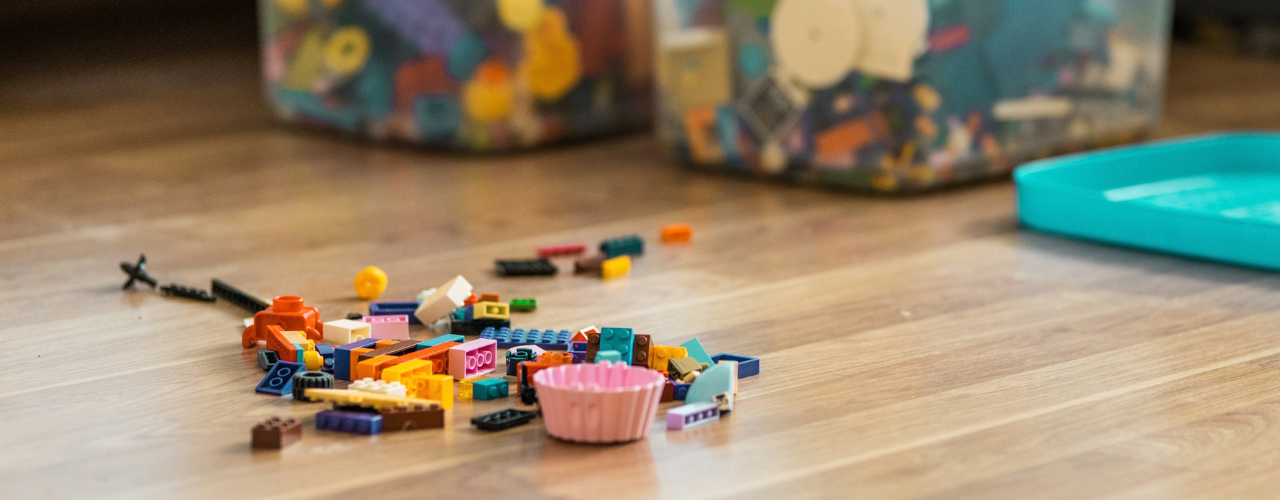
How to Store LEGOs: All the Fun, None of the Clutter
How to store LEGOs largely comes down to how your household uses them. If the bricks are part of everyday play, you need a setup that keeps them within easy reach and makes cleanup quick (for your feet’s sake, at least). Toy storage(opens in new tab) such as simple bins, playmats or containers that children can put away themselves may be enough. Larger or more serious collections usually need more organization, such as labelled drawers for loose pieces, trays for unfinished builds, shelves for completed models and separate storage for retired sets.
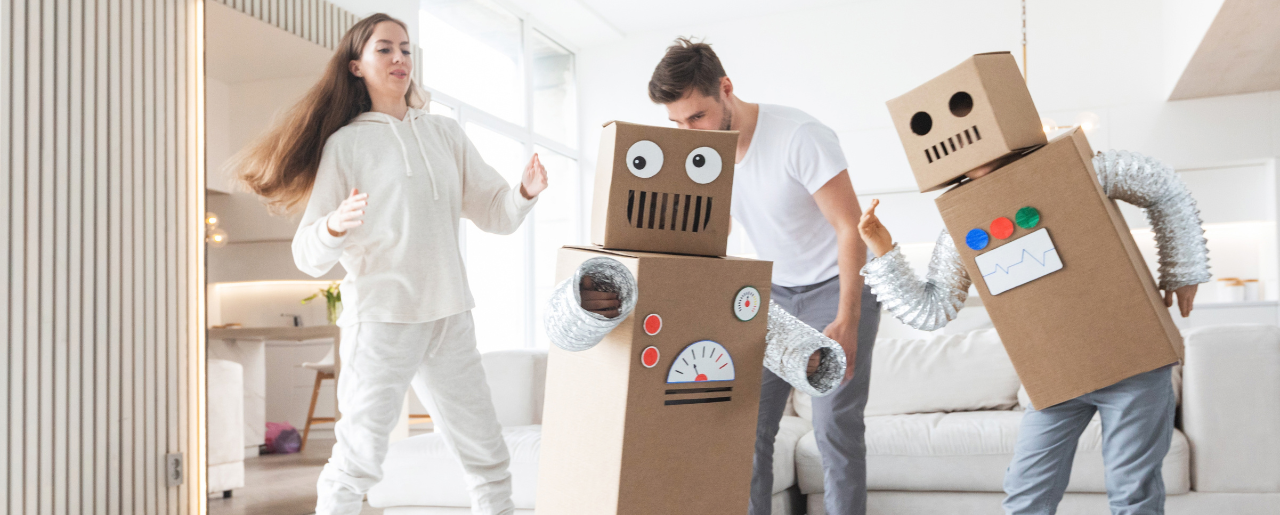
Cardboard Costume Guide: Tips and Ideas for a DIY Halloween
Whether for kids or adults, cardboard costume ideas often make the biggest splash once materialized, and that’s for a simple reason: doing a lot with a little is a universally impressive feat (especially in this economy). If you don’t have enough boxes you could temporarily repurpose, don’t worry! There are many places where you can find free moving boxes(opens in new tab), from stores and supermarkets to online groups and recycling drop-off spots. On the run? Try your luck at a self storage(opens in new tab) facility that sells moving supplies, often for cheap. This way, you can choose moving boxes of different shapes and sizes(opens in new tab), so you can make your costumes as complex as you want.

How to Celebrate Halloween: 9 Non-Spooky Ways To Enjoy It
As soon as October starts, it’s the official Halloween month. And while for many people it means it’s open season to get the scare of a lifetime, others, especially families with small children, might prefer to celebrate in a tamer way that’s both kid- and adult-friendly. While you’re likely to find more events where the spook factor is high, here’s how to celebrate Halloween in a not-so-scary way:

Motorcycle Storage Guide: How to Store Your Bike Safely
Motorcycles may be born to be wild, but eventually even the wild ones need somewhere to park. Whether riding season is winding down or your current living situation comes with plenty of square footage for you and less for your bike, motorcycle storage is one of those parts of ownership that doesn’t get as much airtime as the open road.

Halloween Decorating on a Budget (And Cheap Ideas for Everything Elsee)
Halloween has crept a long way from its eerie origins. While All Hallows’ Eve has transformed through the centuries, it wasn’t until the 1930s that trick-or-treating became a tradition in the U.S. and businesses began conjuring up mass-produced Halloween costumes. Now, Halloween is a monster-sized, billion-dollar industry, with a cauldron full of costumes and decorations ranging from the mainstream to the macabre. But is it all really worth your wallet? Maybe, but we’ll let you in on a little secret: You can keep your Halloween decorating on a budget and save on everything else, too. Take this plan and see it through!