

Boating is one of America’s favorite pastimes. According to the National Marine Manufacturers Association, nearly 100 million Americans go boating each year, and recreational boating contributes over $230 billion annually to the U.S. economy. It’s a lifestyle deeply shaped by geography, climate, and local culture.
But owning a boat isn’t just about sunshine and shoreline. The best places for boaters combine favorable natural conditions with the kind of infrastructure that makes boat ownership easy – not stressful. Think accessible marinas, ample storage options, and enough warm-weather months to actually enjoy time on the water. So, which way should you point your compass? We crunched the numbers to find out.
To pinpoint where boating truly thrives in the U.S., StorageCafe’s research team analyzed more than 220 metro areas nationwide, looking at a mix of natural features and boating infrastructure. Our analysis considered how much of each metro is covered by water, the number of marinas per 100,000 residents, how many months per year average temperatures stay above 50°F, and the availability of boat storage units — because where you store your boat matters almost as much as where you launch it.
Planning to join the ranks of boating enthusiasts who truly have it all? Below, we highlight the boating hubs of the U.S., where locals can realistically enjoy life on the water for much of the year.
Top 10 best metros to own a boat
The top 10 best metros to own a boat are places where boating isn’t treated as a special occasion, but it’s part of everyday life. Access to water is easy and varied, seasons are long enough to support frequent use, and local infrastructure is built around owners.
The Southeast and Gulf Coast dominate, not just because of climate, but because their landscapes support everyday boating: long shorelines, shallow waters, dense networks of canals and rivers, minimal seasonal interruption, plus plenty of marinas and boat storage options.
1. Tampa–St. Petersburg–Clearwater, FL
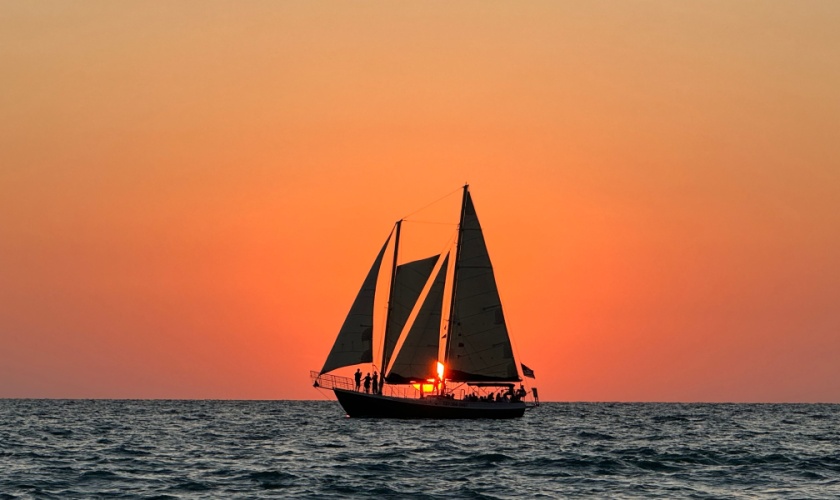
Sunset at Clearwater Beach, Tampa Bay, Florida
Florida’s west coast is arguably the most balanced boating metro in the country. Tampa Bay offers easy Gulf access, protected inshore waters, barrier islands, and a sprawling marina network. There are about 2.3 marinas per 100K people, while the weather is suitable for boating all year round.
Local boating afficionados are also likely to find convenient boat storage options in the metro area, with the Tampa metro area ranking 17 nationally for the number of boat storage units. Weekend boat traffic is a cultural norm here, whether it’s raft-ups at Beer Can Island, fishing in Boca Ciega Bay, or sunset cruises off Clearwater Beach, boat ownership spanning from flats boats to large cruisers.
2. Miami–Fort Lauderdale–West Palm Beach, FL
South Florida is another epicenter of American boating culture. With 300+ miles of inland waterways, deepwater ocean access, and a dense concentration of marinas (almost 3.5 per 100K people), boating here is woven into everyday life.
Fort Lauderdale’s status as the “Yachting Capital of the World” isn’t just branding, but infrastructure and local economy, with the annual Fort Lauderdale International Boat Show being one of the largest worldwide. In fact, according to local authorities, the recreational marine industry has an economic output of around $18 billion in the area. Offshore fishing, sandbar culture, and yacht commuting are all part of the local lifestyle.
3. Palm Bay–Melbourne–Titusville, FL
Florida’s Space Coast blends Atlantic access with the Indian River Lagoon system, one of the most biologically diverse estuaries in North America, making it a veritable boating and nature enthusiasts paradise. The area’s boating culture is centered around fishing, lagoon cruising, and eco-tourism, with over a third of the metro area’s surface being covered by water and with close to 3 marinas per 100K supporting local boat owners.
4. Daphne–Fairhope–Foley, AL
Boating along Alabama’s Eastern Shore revolves almost entirely around Mobile Bay, a wide, sheltered body of water that makes boat ownership practical even for casual and first-time owners. Unlike open-ocean areas, the bay’s calmer conditions make it easy to launch, store, and operate boars. The number of marinas jumps above five for every 100K locals, while weather is good for boating for almost the entire year.
Waterfront towns like Fairhope and Daphne treat marinas and public docks as social hubs, places where people gather for sunsets, festivals, and weekend outings rather than strictly for transit. Annual events such as fishing tournaments and waterfront celebrations reinforce boating as a shared community activity, not a luxury niche.
5. Deltona–Daytona Beach–Ormond Beach, FL
The Deltona–Daytona Beach–Ormond Beach metro area offers one of Florida’s more versatile boating environments. Boaters here regularly choose between Atlantic access and the calmer, more forgiving waters of the Halifax River and Intracoastal Waterway, which wind through the heart of the metro.
This lowers the barrier to entry for ownership while still offering an upgrade path for more experienced boaters. Daytona’s long boating season and deep fishing culture keep boats in near-constant use, with local marinas and boat storage units providing much-needed services for the sector.
6. North Port–Bradenton–Sarasota, FL
Sarasota and Bradenton are classic Gulf Coast boating markets, with clear water, protected bays, and easy access to barrier islands. In fact, about a third of the metro area’s total surface is covered by water. Boating here is truly a lifestyle, with many of the local businesses catering to this activity.
Waterfront restaurants along Sarasota Bay, Anna Maria Island, and the Manatee River are designed with boat access in mind, making boating as much about social movement as recreation. During winter months, snowbird-owned boats significantly increase the level of activity in the sector.
7. Cape Coral–Fort Myers, FL
Few places in the U.S. are as boat-centric as Cape Coral, a city built around hundreds of miles of navigable canals, with almost half of the metro area being covered by water. Many homes include private docks, making ownership unusually convenient.
Boating here is hyper-local, with people actually commuting by water, not just as recreation. The metro area also has close to four marinas per 100K people, which, combined with the numerous private docks, turns boating into a fact of life for many residents.
8. Corpus Christi, TX
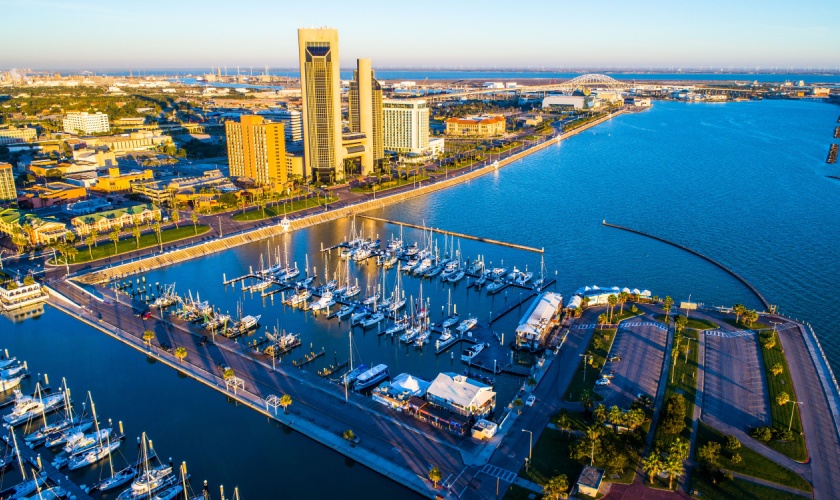
Corpus Christi, TX – harbor and marina
Moving beyond Florida’s boat-centric culture, Corpus Christi, TX stands out as one of the best places in the country to own a boat. The city combines relatively affordable living with reliable coastal weather and calm, easy-to-navigate waters that suit everything from fishing trips to casual sailing.
Much of the boating happens close to shore, where protected bays make getting out on the water feel approachable rather than intimidating. Compared to many coastal cities, Corpus Christi makes boating feel like a normal part of everyday life instead of a luxury hobby.
9. San Francisco–Oakland–Fremont, CA
Boating in the San Francisco–Oakland–Fremont, CA feels different from most coastal metros because it isn’t built around beaches or resort-style marinas. The bay is bordered by dense cities, shipping ports, bridges, and working waterfronts, so boating here is the norm for boat owners rather than a vacation activity.
Most boaters spend their time inside the bay, launching from urban marinas and heading out for regular after-work or weekend trips instead of occasional offshore outings. The metro area also boasts around 850 boat storage units, ensuring that boat owners have safe, easily accessible places to keep their boats while not in use.
10. Jacksonville, FL
Jacksonville, FL stands out because it offers several distinct ways to get on the water within the same metro area. The St. Johns River cuts directly through the city, creating long, navigable stretches that locals use for everyday boating, while nearby coastal waterways and the Atlantic open the door to fishing and weekend outings.
Neighborhood marinas and riverfront access points are spread throughout the area, making it easy to launch without long drives or heavy planning. As a result, boating in Jacksonville tends to be practical and frequent, and the over 900 boat storage units available locally make things even easier for local boat owners.
Boating goes beyond Florida, all the way to New York City
Past the top 10 best metros to own a boat, the ranking still follows the water, but the map opens up.
Places like Port St. Lucie, FL, Punta Gorda, FL, and Naples–Marco Island, FL keep showing up for a simple reason: the water is close, calm, and easy to reach. These metros are built around canals, short runs to the Gulf or Atlantic, and protected waterways. That shows up in the numbers, too, with dozens of marinas and numerous boat storage units, even in relatively small markets.
Farther up the coast, the Carolinas work differently. In Charleston–North Charleston, SC and Wilmington, NC, boating follows rivers and tidal creeks more than open water. You’re just as likely to be cruising past marshes as heading offshore. The season isn’t year-round, but the setup supports steady use, with a solid mix of marinas and boat storage facilities that keep boats close to the water and ready to go.
Outside the Southeast, the list gets shorter, but a few metros still stand out. Virginia Beach–Chesapeake–Norfolk, VA-NC benefits from an unusually large web of rivers and bays, which helps explain why the region supports hundreds of boat storage sites. Even with military traffic and working ports, recreational boating stays active across different parts of the metro. The metro area also boasts close to 500 boat storage units.
And then there’s the New York City metro area. While climate might not be suitable for boating year-round, there are still plenty of opportunities. With the Hudson and East rivers, Upper New York Bay, Long Island Sound, and direct ocean access, the region has water on nearly every side. That scale supports hundreds of marinas and boat storage locations across the metro.
Here’s where boat storage units are most concentrated
Storage needs vary widely depending on where someone lives and how they boat. In inland Sun Belt metros, boating usually involves the expectation of moving your boat around to get to water. Boats are trailered, stored off-site, and moved for planned trips to lakes or rivers. The expectation is that ownership includes towing, storage, and occasional longer drives, and the infrastructure supports that pattern.
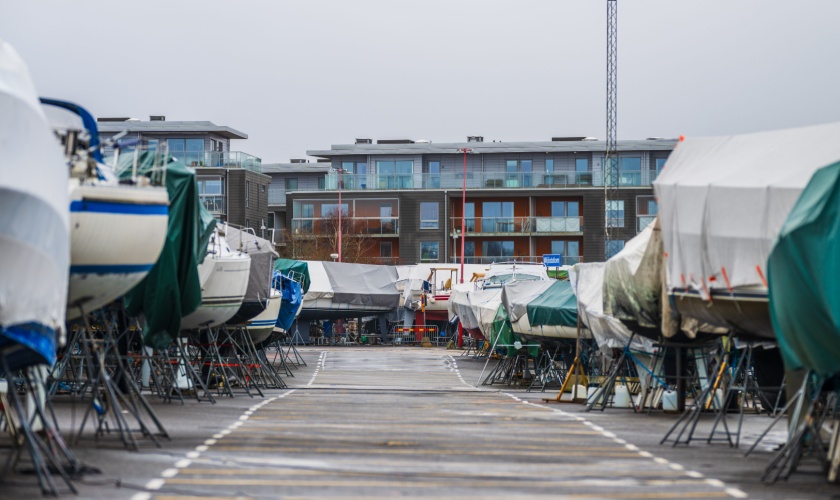
Covered boats in storage
In coastal markets, storage tends to be about proximity. Boats are often kept as close to the water as possible whether in self storage or marinas, so owners can get on the water quickly and return just as easily. When storage is nearby and convenient, boating becomes part of a normal routine instead of a full-day project.
That difference helps explain where boat storage is most concentrated. Large, spread-out metros like Houston–Pasadena–The Woodlands, TX, Dallas–Fort Worth–Arlington, TX, and Phoenix–Mesa–Chandler, AZ rank at the top for total boat storage capacity.
These markets support thousands of dedicated boat storage spaces, driven by population size, available land, and a strong culture of trailered ownership. Even though water access isn’t always immediate, the ability to store boats easily and affordably keeps ownership rates high.
In coastal Florida and Gulf markets, storage shows up differently. Metros like Tampa–St. Petersburg–Clearwater, FL, Jacksonville, FL, and Cape Coral–Fort Myers, FL still boast relatively high numbers of boat storage units. However, close proximity to launch points is essential in these areas, and, oftentimes, boat owners favor permanent storage on the water.
Boat Storage Costs and Availability Across 223 Metros Nationwide
StorageCafe analysis of data from Yardi Matrix (Data as of Dec 2025| Pub: Feb 2026).The best places to own are defined by how easily boating fits into everyday life, from access points and local waterways to storage that doesn’t slow owners down. When geography, infrastructure, and storage all line up, owning a boat feels less like a project and more like a habit.


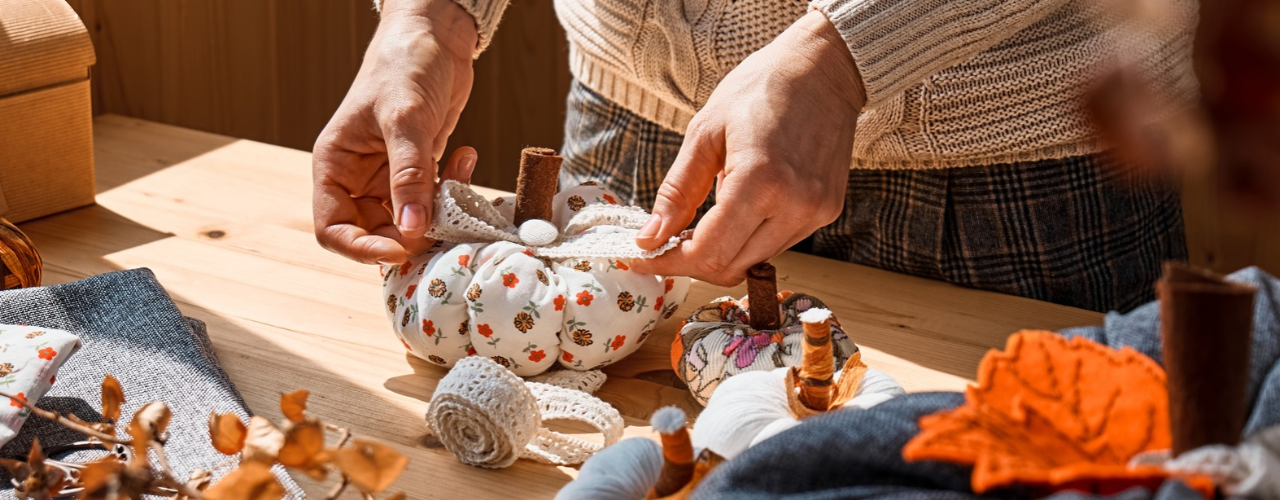
Scary Good DIY Halloween Decorations That Won’t Haunt Your Wallet
A few floating candles in the hallway, a family of ghosts by the front door and a suspicious number of bats climbing up the bedroom wall can make October feel a whole lot spookier. While Halloween stores are full of tempting finds, some of the best DIY Halloween decorations can come from things you already have tucked away in drawers, closets or the recycling bin.
Suburban Giants and Urban Risers: Where America’s 100 Largest Metros Fall on the Self Storage Map
Self storage has long been a suburban story. Across America largest 100 metros, 59% of the inventory built over the past decade sits outside city cores, largely preserving the ratio of the total existing inventory.
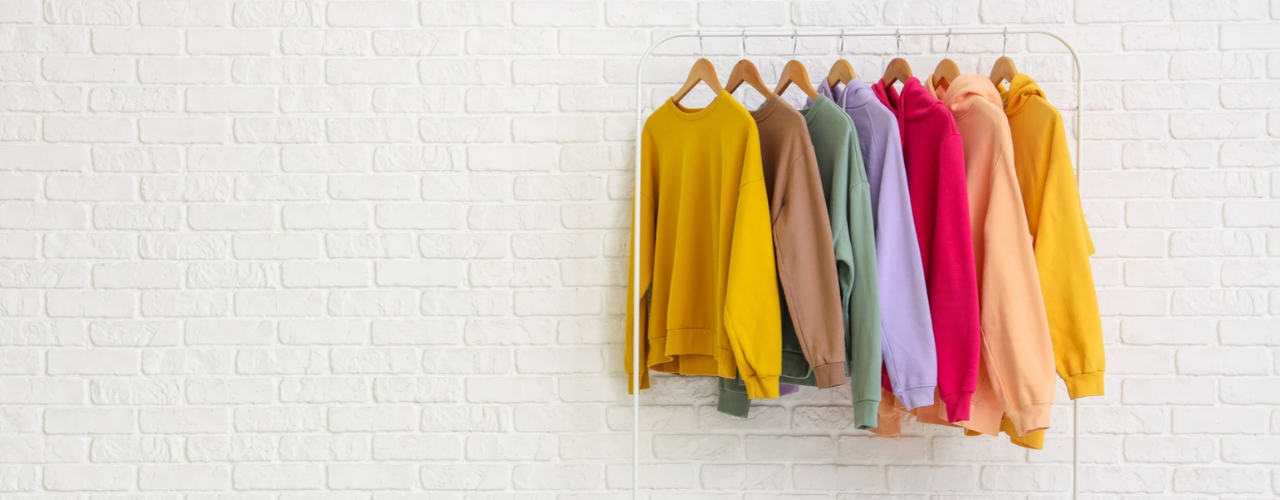
Sweatshirt Storage Ideas Worth Keeping Up Your Sleeve
Sweatshirts are great until you realize how much room they take up. A few thick hoodies can fill a drawer fast, with lighter crewnecks getting squashed underneath or pushed somewhere you forget about. Good sweatshirt storage can make that pile much easier to manage without requiring a bigger closet.
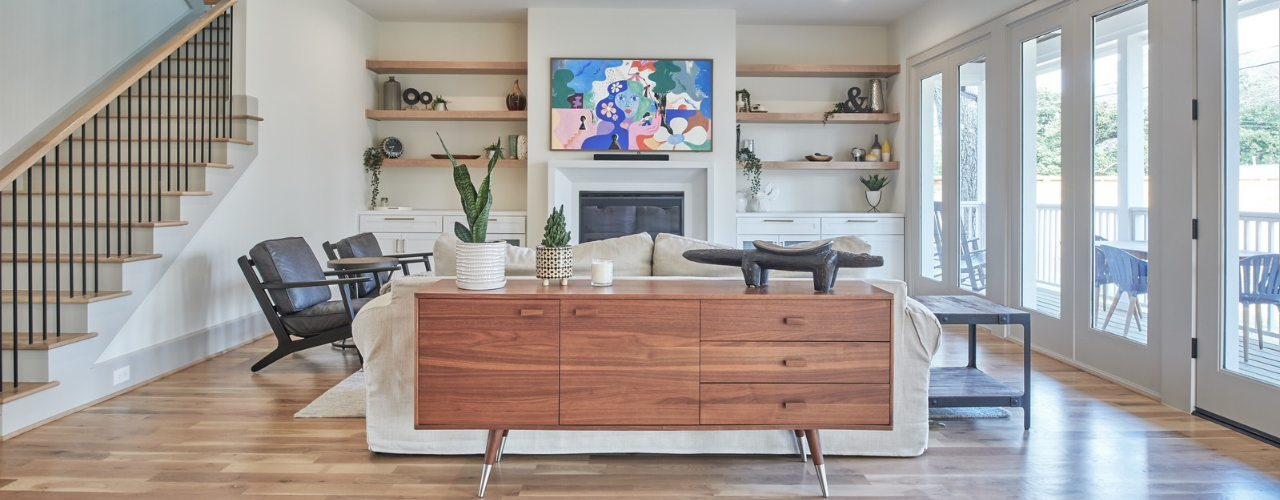
Living Room Storage Ideas: 28 Ways to Reclaim Your Hosting Space
If a living room is where most of a household’s living happens, good storage should be the top priority for setting up or revamping the place. After all, think of how easier it would be to have people over when tidying up the place is just a matter of putting things in their right place (in a time when fewer and fewer people are entertaining friends at home(opens in new tab)). The trick is making room for all those wayward clothes, blankets, chargers and other small things that end up on (or, inexplicably, in) the sofa. Here are 28 living room storage ideas to get you started and make tidying up a quick affair.
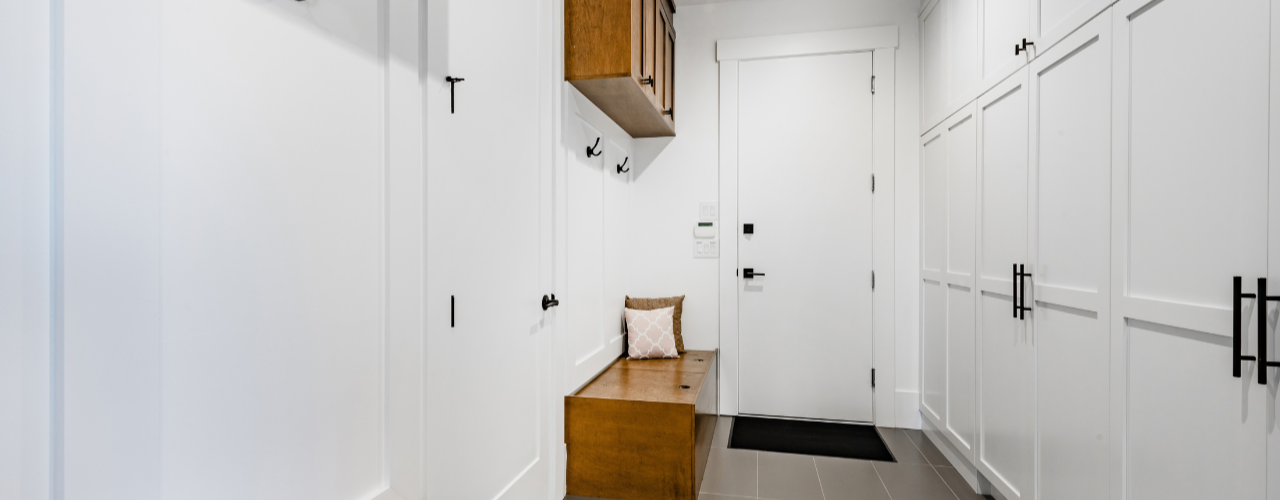
25 Mudroom Storage Ideas (And Mistakes to Avoid)
When you come home with muddy boots, an armful of bags and a coat you can’t wait to take off, it’s nice to have somewhere to put it all. With a mudroom, you can leave the outdoor mess at the door instead of carrying it through the house. Traditionally, you’d set aside a separate room, but you can just as easily use a hallway, an entryway closet, a laundry-room corner or a stretch of wall near the entrance.
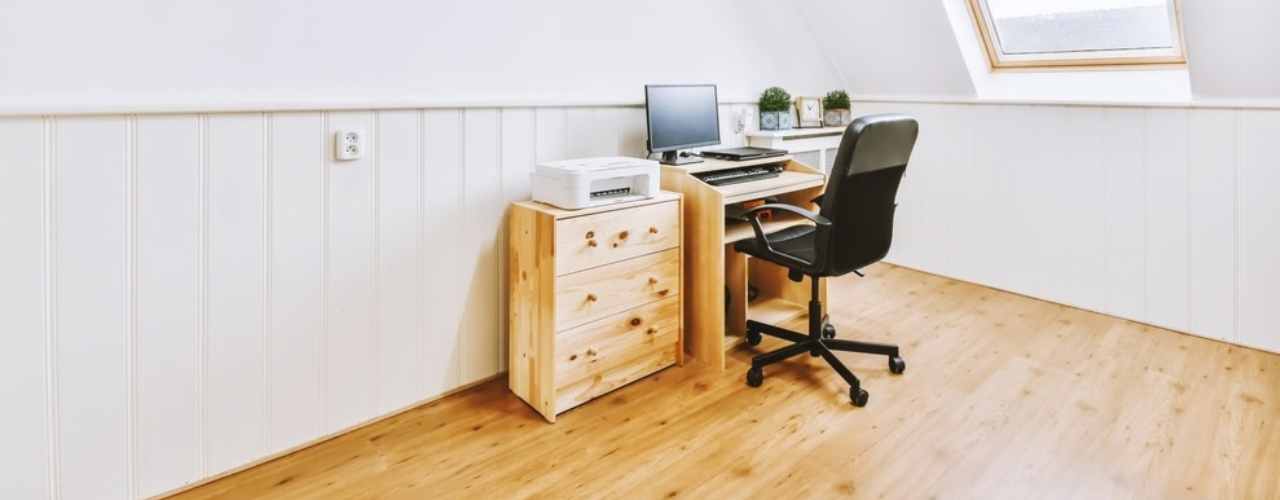
Is Your Home Office Worth the Rent? What Coworking and Self Storage Could Save You
Every square foot of your apartment comes with a price tag, and a home office claims more of them than most renters expect. It starts with a desk. Then come the second monitor, the printer, the filing cabinet and the overflow boxes. Before long, the corner you set aside for work has turned into a small room you are paying for every month.

Best U.S. Cities to Live Uncluttered: Plano, TX, Offers the Most Room to Breathe
Clutter is in our homes as much as in our heads. Both are shaped by where we live.
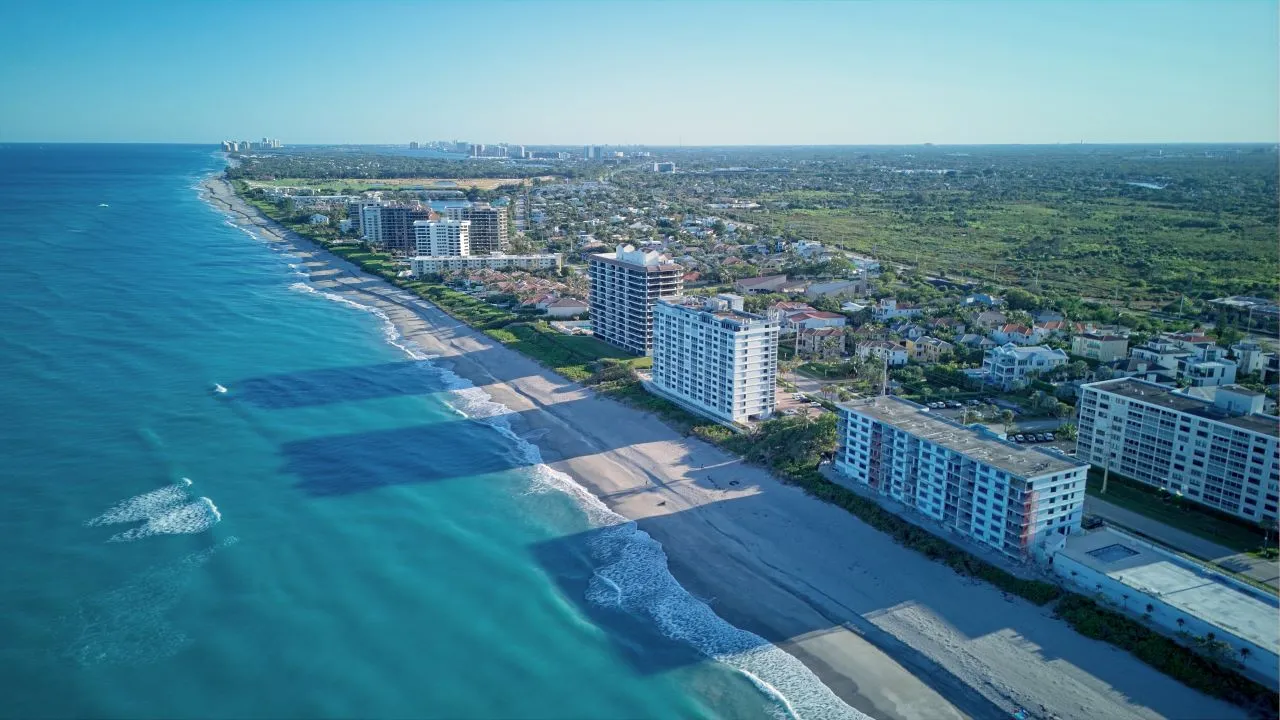
America’s Top Snowbird Destinations for 2026–2027: Florida Leads in Numbers, Texas Wins on Value
For Americans living in colder states, the approach of winter is reason enough to start looking south. Cold weather carries costs that go beyond the heating bill and shoveling snow. Seasonal affective disorder(opens in new tab) is far more prevalent in northern states, so a temporary move south isn’t simply an escape from the cold, but a chance to spend the hardest stretch of winter outdoors and in the sun.

How Much Does Halloween Really Cost in 2026? Plan Wisely to Avoid the Scare of Hidden Costs
Americans’ love for Halloween is almost frightening — this year alone, we are on our way to spending $13.5 billion, according to data from the National Retail Federation(opens in new tab). That breaks down to about $115 Halloween costs per person, a whopping 49% more than 10 years ago.