

Peoria is home to a diverse population with something for everyone. An array of job opportunities across a variety of sectors makes it one of the best suburbs in Arizona for young professionals, while excellent public schools ensure it’s a hit with families. Indeed, the city frequently ranks among the best suburbs to live in across Arizona, with a good mix of city and nature. The location is fantastic, with downtown Phoenix just a short drive away, while numerous natural and historical sites are just as close. If you’re planning to move to Peoria, here’s what you need to know.
1. How big is Peoria, AZ?
Located in Maricopa County, Arizona, Peoria is a major suburb of Phoenix and the 6th largest city in the state by land area. Peoria encompasses a total of 179 square miles, with 3.2 miles being water. That’s because Lake Pleasant is located within the city confines, a reservoir on the Agua Fria River. With a population inching close to 200K, the city provides a suburban vibe, and despite its size, retains a relaxed atmosphere.
2. What is the weather like in Peoria, AZ?
With a hot desert climate, Peoria has long, very hot summers and short, mild winters. The city averages just over 9” of rain a year, and while more than 300 days of sunshine sounds fantastic, this dry, hot climate can be damaging to certain items. Vehicles that are constantly stored outside can suffer from extreme heat, with components such as the battery and tires, not to mention the paintwork, becoming damaged.
Fortunately, you can find climate-controlled units in Peoria, which can benefit clothing, furniture, appliances among the most commonly stored things. Other items that can get benefit from this type of unit include photographs, documents, collectibles and musical instruments.
While the city covers a large area, much of which is currently not yet built on, residential units are a low priority in the city, which is focusing on creating more commercial and industrial areas. As such, housing stock can be limited, and if you don’t find a house that’s as big as you’d like, you might find that self storage is a great way to save space at home.
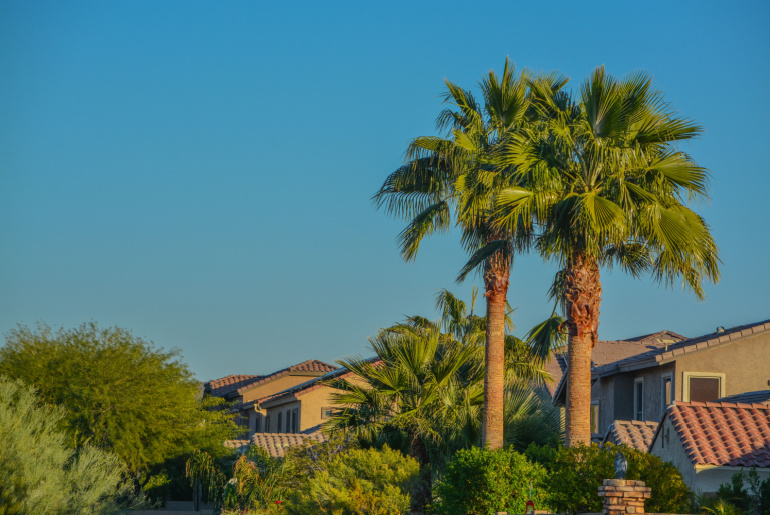
Beautiful view of the palm trees and plants in the southwest desert in Peoria, Maricopa County, Arizona
3. What is the local economy like in Peoria, AZ?
Thanks to the wave of new residents, Peoria has seen its economy thrive. You can find employment with the Peoria Unified School District, one of the largest employers, as well as with the City of Peoria. Other significant employers in the area include Luke Air Force Base, Discover Card and USAA.
For the companies that have offices here, self storage is a service that can help a lot. Office furniture, paper records and more can sit in a storage unit instead of taking up premise space. Moreover, brick-and-mortar businesses can also reap the benefits of the service. They can use it to hold furniture, cooking utensils and additional merchandise.
4. How can self storage help you enjoy local attractions in and around Peoria?
Despite its hot desert climate, Peoria is crisscrossed with waterways such as rivers and lakes. Water sports such as paddleboarding, kayaking, canoeing and sailing on Lake Pleasant are popular pursuits among residents. If you have your own boat, a number of storage facilities offer boat storage, while a standard unit can be ideal for paddle boards or bulky fishing equipment, saving space at home.

Fishing at Lake Pleasant, Peoria, AZ
Despite the sunshine, skiing and other snow sports are also popular pastimes. There are numerous mountains close by and several ski resorts to enjoy. Outside of the snowy season, a storage unit is a fantastic place to keep your skis and snowwear.
5. How can self storage improve the process of moving to Peoria?
If you’re planning to move to Peoria, AZ, self storage can be a great way to improve the moving process. As you prepare to move out of your former home, you can begin packing away those items you don’t need and putting them in storage. Not only does this clear space at home, but it also ensures you stay more organized and less likely to forget anything.
On moving day, having access to a storage unit is invaluable. It provides a backup plan in case of delays or problems moving in, while it also means you don’t need to worry if you have to move out of your former home before you can move into your new one.
When you renovate or redecorate, bulky furniture and valuable items can also be put into storage until the work is done.
6. Is Peoria, AZ, a good place to live?
Peoria is a great place to live close to Phoenix, without the hassle of city life. Excellent employment opportunities and plenty of outdoor and indoor entertainment options as well as other attractive amenities make Peoria a great place to live. Here are some places where new residents come from:
Moving to Peoria, AZ, from Phoenix, AZ
If you live in Phoenix but don’t enjoy the city’s hustle and bustle, Peoria might be a better option. You’re still close to PHX, and you still have plenty of city-like amenities and more. The city is ideal if you’re outdoorsy – Peoria has numerous several golf courses. Moreover, there are various places where you can hike, whether you’re headed for the New River Trail, Rio Vista Parl and the West Wing Mountain Preserve.
Moving to Peoria, AZ, from NYC
Leaving NYC behind for Peoria means you’re not only saying goodbye to the colder climate, but you’re also privy to a lower cost of living – this means your budget can stretch farther when you live here. If you have children, local school district offers excellent education options.
7. What are the housing options in Peoria, AZ?
When you become a Peoria resident, you have plenty of housing options to choose from. Look at Foxwood, Deer Valley Estates, Foxwood, Pinecrest or Cottonwood Ranch if you’re looking to live in a city neighborhood. Once you get settled down in your Peoria home, you should consider using self storage beyond moving. You can put seasonal and bulky items in storage as it can help you keep a tidy and organized home. Moreover, if you’re working from home and you need to set up a home office, you can put displaced items from this area into storage.
Another instance when you can use self storage is if you move in with your immediate family to form a multi-generational household. This means you’re likely to have double the appliances, some additional furniture and family heirlooms that need a new home as two households come together under the same roof. These items can sit in storage until you can find them new use.
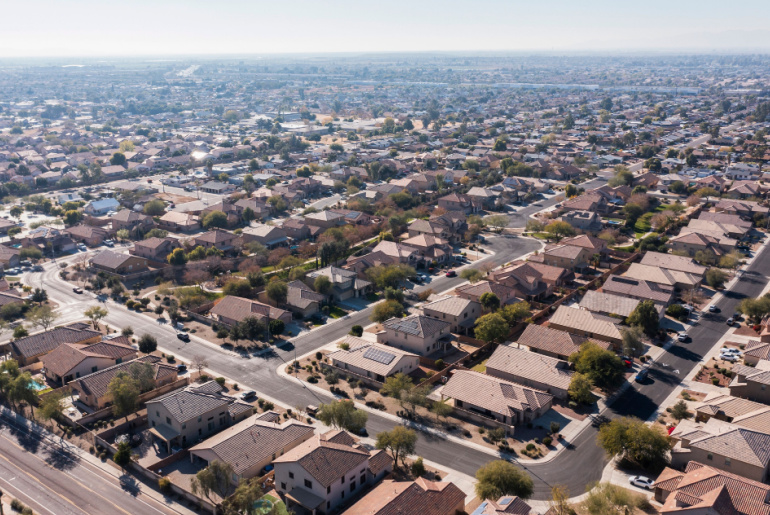
Afternoon aerial view of sprawling suburban single family housing in Peoria, Arizona
8. What are the storage options in Peoria, AZ?
With plenty of storage options available, you’re likely to easily find your ideal storage unit in Peoria. Look for a facility in your neighborhood that’s also close to your home to cut down on driving time.
Once you decide on a storage facility, think about which storage unit size you’re going to need. Most people rent a 10’x10’ unit, which holds large furniture and appliances. A 5’x5’ unit is ideal for smaller items, such as outdoor gear, clothing or books. For larger items, a 5’x10’ unit can help. You can also turn to a 10’x15’ unit to store the contents of a one-bedroom apartment in case you’re moving in the future. Moreover, a 10’x20’ unit is ideal for car storage, whereas a 10’x30’ unit can help you when you’re moving from a three- or four-bedroom single family home.
You can explore all your storage options in Peoria, AZ, on the StorageCafe portal.


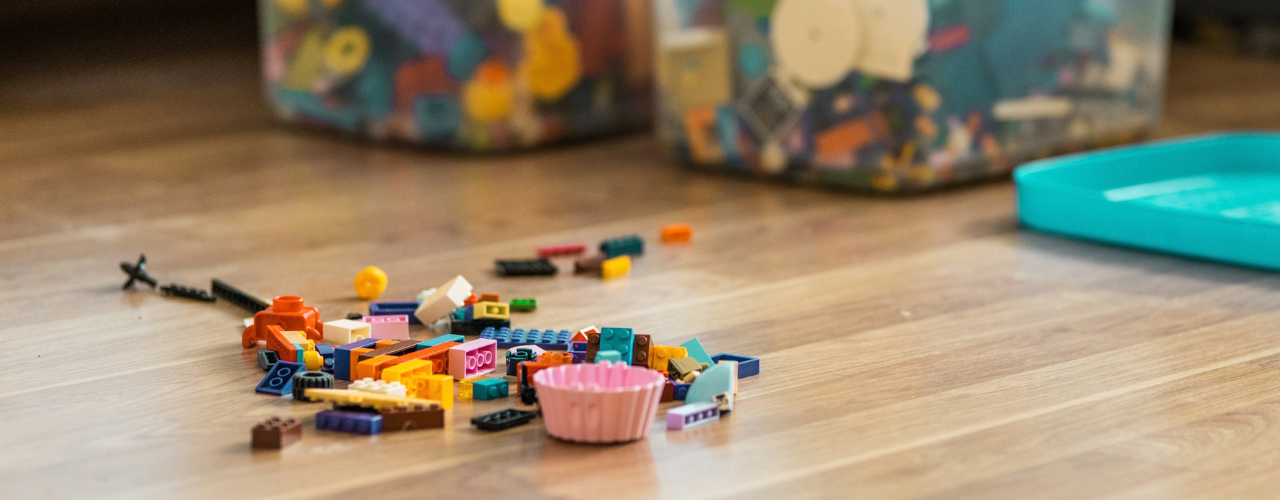
How to Store LEGOs: All the Fun, None of the Clutter
How to store LEGOs largely comes down to how your household uses them. If the bricks are part of everyday play, you need a setup that keeps them within easy reach and makes cleanup quick (for your feet’s sake, at least). Toy storage(opens in new tab) such as simple bins, playmats or containers that children can put away themselves may be enough. Larger or more serious collections usually need more organization, such as labelled drawers for loose pieces, trays for unfinished builds, shelves for completed models and separate storage for retired sets.

Cardboard Costume Guide: Tips and Ideas for a DIY Halloween
Whether for kids or adults, cardboard costume ideas often make the biggest splash once materialized, and that’s for a simple reason: doing a lot with a little is a universally impressive feat (especially in this economy). If you don’t have enough boxes you could temporarily repurpose, don’t worry! There are many places where you can find free moving boxes(opens in new tab), from stores and supermarkets to online groups and recycling drop-off spots. On the run? Try your luck at a self storage(opens in new tab) facility that sells moving supplies, often for cheap. This way, you can choose moving boxes of different shapes and sizes(opens in new tab), so you can make your costumes as complex as you want.

How to Celebrate Halloween: 9 Non-Spooky Ways To Enjoy It
As soon as October starts, it’s the official Halloween month. And while for many people it means it’s open season to get the scare of a lifetime, others, especially families with small children, might prefer to celebrate in a tamer way that’s both kid- and adult-friendly. While you’re likely to find more events where the spook factor is high, here’s how to celebrate Halloween in a not-so-scary way:

Motorcycle Storage Guide: How to Store Your Bike Safely
Motorcycles may be born to be wild, but eventually even the wild ones need somewhere to park. Whether riding season is winding down or your current living situation comes with plenty of square footage for you and less for your bike, motorcycle storage is one of those parts of ownership that doesn’t get as much airtime as the open road.

Halloween Decorating on a Budget (And Cheap Ideas for Everything Elsee)
Halloween has crept a long way from its eerie origins. While All Hallows’ Eve has transformed through the centuries, it wasn’t until the 1930s that trick-or-treating became a tradition in the U.S. and businesses began conjuring up mass-produced Halloween costumes. Now, Halloween is a monster-sized, billion-dollar industry, with a cauldron full of costumes and decorations ranging from the mainstream to the macabre. But is it all really worth your wallet? Maybe, but we’ll let you in on a little secret: You can keep your Halloween decorating on a budget and save on everything else, too. Take this plan and see it through!

Moving From a House to an Apartment: What to Expect, How to Downsize & How Self Storage Helps
For some, moving from a house to an apartment is a financial decision. For others, it’s about simplifying life. Maybe the kids have moved out and half the house sits empty, or you’re approaching retirement and no longer want to spend weekends on repairs. Or perhaps you’ve been weighing the cost of buying a home and wondering whether renting simply makes more sense right now.
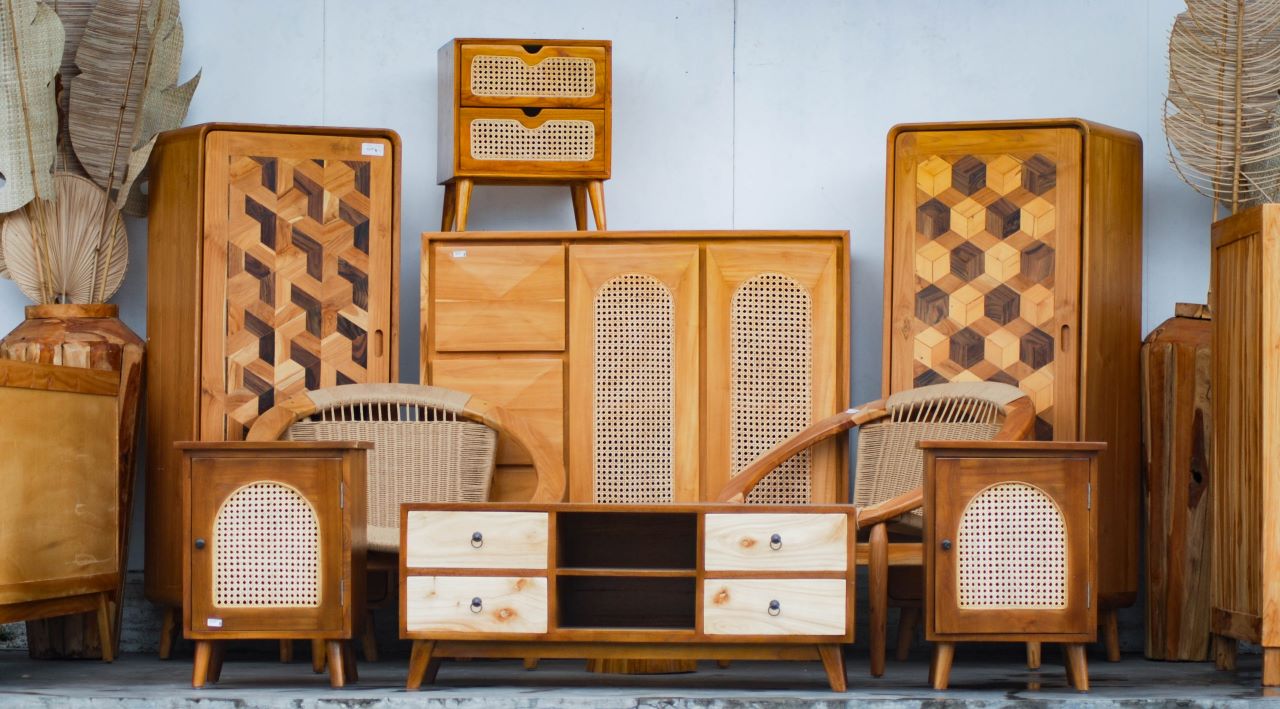
Family Heirlooms Overload: How to Handle Family Inheritance Without Regret
Handling family heirlooms after a loss requires managing legal authority, emotional pressure and practical logistics at the same time, and the order you take them on matters more than most people expect.
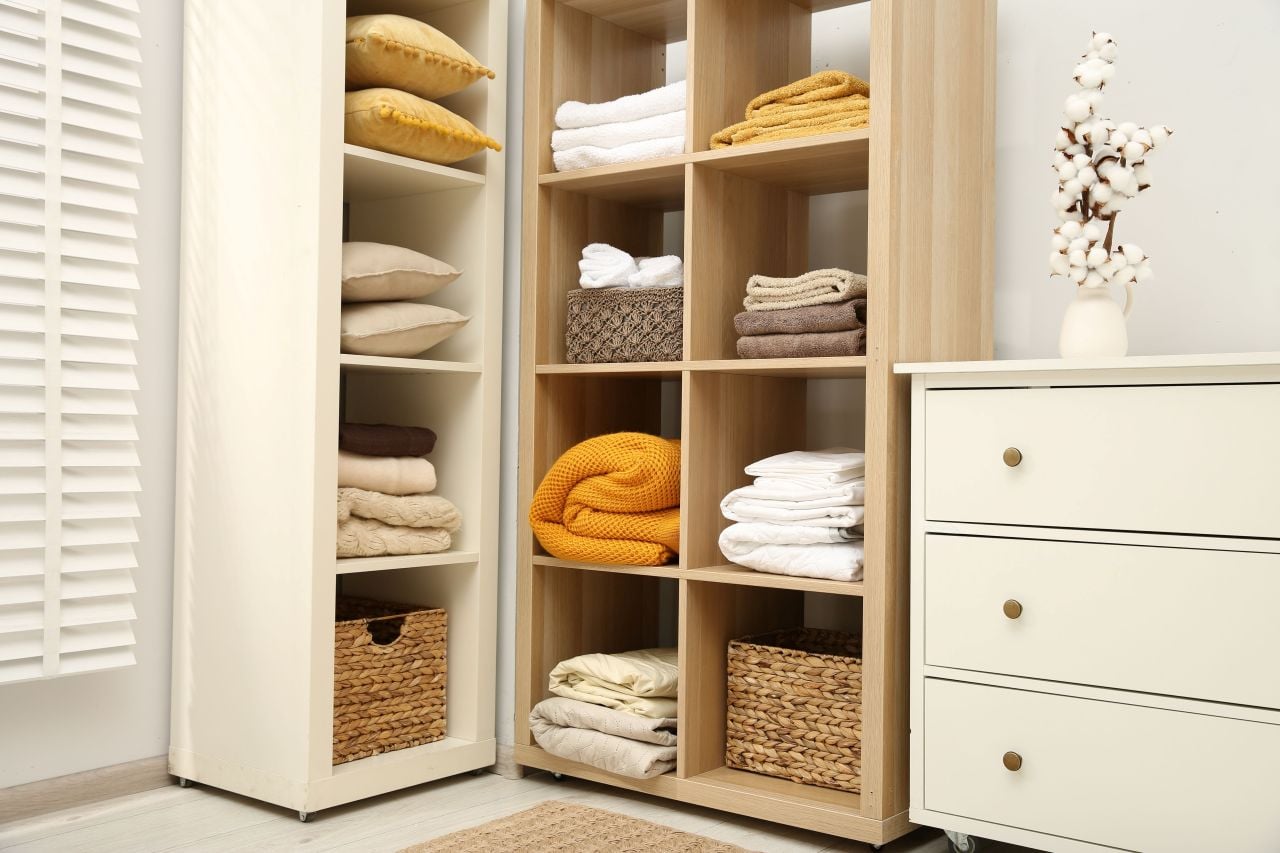
Blanket Storage: The Right Method for Every Space and Season
Blankets make our lives cozier, and storing them well is what keeps them soft and comfortable in the long run. Knowing how to store a blanket properly means your favorites come out of storage smelling fresh, feeling the same as when they went in, and lasting years longer than they otherwise would.

Board Game Storage Ideas That Keep Your Collection in Fighting Shape
Nobody warns you that getting into board games usually unlocks a second hobby, the much dreaded one that includes figuring out where on earth to put them. One game becomes a few, expansions start spawning beside their base boxes and before long, board game storage requires as much strategy as whatever is waiting on the other side of those lids.