

Key Takeaways
- Ask directly for discounts, as many facilities offer move-in promotions, web-only deals, or reduced rates for longer commitments.
- Compare prices across multiple facilities and neighborhoods, since rates for the same unit size can vary a lot even within the same city.
- Choose the exact size you need: use a storage calculator to avoid overspending on unused space, and pack vertically to maximize cubic volume.
- Skip climate control for non-sensitive items and use it only for electronics, antiques, or important documents.
- Revisit your unit regularly to remove unneeded items, downsize if possible, and negotiate rate increases or fees.
Storage units solve practical problems during moves, remodels, and downsizing, but prices vary widely. To find the best deals on self storage, you need smart comparisons and clear planning. These tips for saving money on storage units help you treat storage as a short-term tool rather than a set-and-forget expense, so you keep more money in your pocket.
1. Ask directly for storage unit deals and discounts
Storage is highly competitive, and operators expect you to ask about prices. You lower costs fastest when you ask directly. Many facilities offer move-in promotions, reduced rates for longer commitments, or web-only deals that never appear on price boards.
- Ask about first-month promotions and online specials
- Mention that you are comparing nearby facilities
- Inquire about discounts for longer commitments or prepayment
A brief conversation often produces real savings. Facilities would rather reduce rent than lose a renter.
2. Take time to compare storage unit prices
Even with deals, storage prices vary far more than most renters expect. Two units of the same size can differ by thousands of dollars per year, even within the same city or brand. Operators adjust rates constantly based on availability, location, and demand, which means the first price you see rarely represents the best option. Using our storage unit price guide, make a plan and make sure you:
- Check multiple facilities instead of just one brand
- Compare prices across nearby neighborhoods
- Stay flexible with unit size when rates spike
You gain leverage by slowing down and comparing. A short search often uncovers dramatic savings without sacrificing quality.
3. Balance convenience and cost
Convenience drives pricing. Facilities near city centers and high-demand neighborhoods almost always charge more. If you do not plan frequent visits, distance works in your favor. A longer drive once a month often costs far less than a premium location close to home.
Inside the facility, similar tradeoffs apply. Ground-floor and drive-up units cost more than interior or upper-floor options. When elevator access exists, higher floors often deliver the same utility at a lower price.
4. Choose the exact storage unit size you need
Unit size controls your monthly bill more than any other factor. Oversized units waste money every month you keep them. Before you rent, decide what truly needs storage. Selling unused items generates cash, while donations reduce how much space you need.
To give you an idea, storage units typically stand about eight feet tall, so vertical packing often matters more than floor space alone. A unit that feels small on paper can hold far more when you stack boxes, disassemble furniture, and plan for cubic volume instead of square footage. Luckily, we have both a storage unit size guide and actual storage unit size calculator that help you match common household loads to realistic unit sizes, so you avoid guessing and overspending.
Efficient packing multiplies value. Vertical stacking, shelving, and disassembled furniture let smaller units handle more than expected. Size guides help you avoid defaulting to extra space “just in case.”
5. Limit climate control to high-value items
Climate control is essential for protecting sensitive belongings. It also raises costs quickly. Nationally, climate-controlled units are about 12.5% more expensive than non-climate-controlled ones.
Now, electronics, antiques, and important documents justify that premium. Everyday household items often do not. When your belongings tolerate normal temperature swings, a standard unit delivers immediate savings without added complexity.
6. Watch fees, insurance, and rate increases
Monthly rent is only part of the story. Fees, insurance add-ons, and rent increases shape long-term cost. Ask how often rates increase and whether the facility offers a temporary price lock. Review your needs carefully before you buy storage unit insurance, especially if your renters or homeowners policy already covers stored items. And if you’re wondering what happens if you leave stuff in your storage unit, know that you might end up incurring some fees.
7. Revisit your unit and adjust your strategy over time
Storage works best when you treat it as temporary. Regular check-ins keep costs aligned with real use. Removing unneeded items creates opportunities to downsize. When rates jump, call to negotiate. Many managers prefer compromise over vacancy. Smart storage should stay flexible. When you compare carefully, choose space with intention, and revisit decisions over time, storage remains a tool rather than a drain on your budget.
8. Time your storage unit rental for better pricing
Seasonality affects storage costs. Spring and summer bring higher demand and higher rates, driven by moves, renovations, and cleanouts. Fall and winter often deliver quieter conditions and better deals. When timing stays flexible, off-peak rentals unlock lower rates and stronger promotions. Even a short delay can reduce monthly costs over the life of your rental.
9. Consider alternatives and shared space
Traditional units do not fit every situation. Mobile storage containers placed at your driveway often cost less, especially for short-term needs. Full-service movers also offer bundled storage options that reduce total expense.
Sharing space can unlock dramatic savings. Larger units often cost less per square foot, which allows friends or family to split rent and cut individual costs significantly. Clear agreements and defined zones prevent confusion and protect access.
Bottom line
When it comes to saving money on storage units, these are the essentials: Compare prices, ask about convenience premiums, and choose only the space they actually need. Asking directly for discounts, timing rentals strategically, and watching fees protects you from overpaying month after month. Smart packing, selective climate control, and regular check-ins keep storage costs aligned with real use. When you treat storage as a flexible, short-term solution, these tips for saving money on storage units help you keep control of your budget. That way, self storage becomes a useful tool that can even help you save money.



Sweatshirt Storage Ideas Worth Keeping Up Your Sleeve
Sweatshirts are great until you realize how much room they take up. A few thick hoodies can fill a drawer fast, with lighter crewnecks getting squashed underneath or pushed somewhere you forget about. Good sweatshirt storage can make that pile much easier to manage without requiring a bigger closet.

Living Room Storage Ideas: 28 Ways to Reclaim Your Hosting Space
If a living room is where most of a household’s living happens, good storage should be the top priority for setting up or revamping the place. After all, think of how easier it would be to have people over when tidying up the place is just a matter of putting things in their right place (in a time when fewer and fewer people are entertaining friends at home(opens in new tab)). The trick is making room for all those wayward clothes, blankets, chargers and other small things that end up on (or, inexplicably, in) the sofa. Here are 28 living room storage ideas to get you started and make tidying up a quick affair.
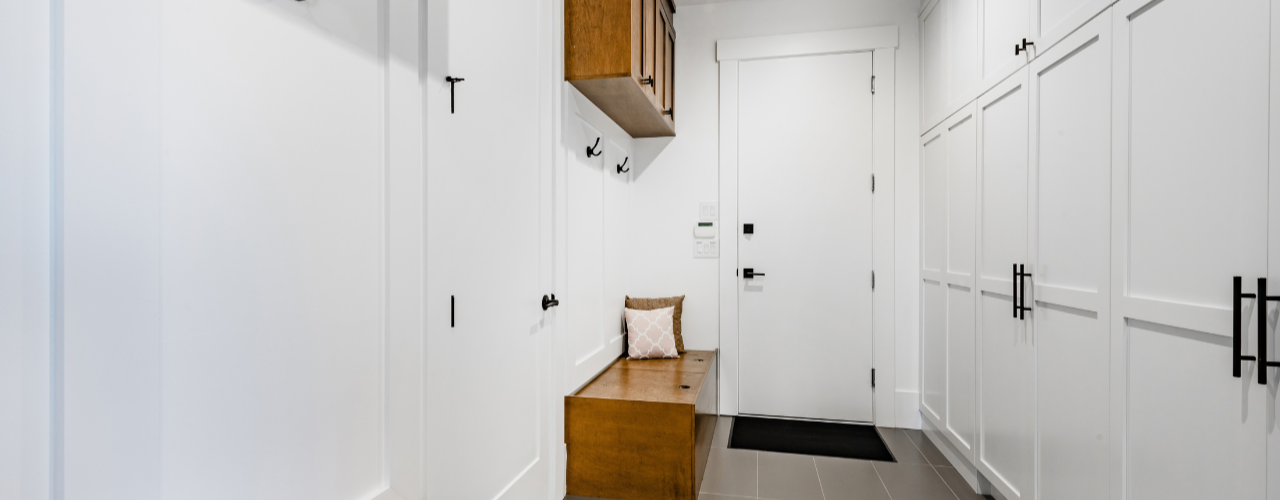
25 Mudroom Storage Ideas (And Mistakes to Avoid)
When you come home with muddy boots, an armful of bags and a coat you can’t wait to take off, it’s nice to have somewhere to put it all. With a mudroom, you can leave the outdoor mess at the door instead of carrying it through the house. Traditionally, you’d set aside a separate room, but you can just as easily use a hallway, an entryway closet, a laundry-room corner or a stretch of wall near the entrance.

Is Your Home Office Worth the Rent? What Coworking and Self Storage Could Save You
Every square foot of your apartment comes with a price tag, and a home office claims more of them than most renters expect. It starts with a desk. Then come the second monitor, the printer, the filing cabinet and the overflow boxes. Before long, the corner you set aside for work has turned into a small room you are paying for every month.

Best U.S. Cities to Live Uncluttered: Plano, TX, Offers the Most Room to Breathe
Clutter is in our homes as much as in our heads. Both are shaped by where we live.

America’s Top Snowbird Destinations for 2026–2027: Florida Leads in Numbers, Texas Wins on Value
For Americans living in colder states, the approach of winter is reason enough to start looking south. Cold weather carries costs that go beyond the heating bill and shoveling snow. Seasonal affective disorder(opens in new tab) is far more prevalent in northern states, so a temporary move south isn’t simply an escape from the cold, but a chance to spend the hardest stretch of winter outdoors and in the sun.

How Much Does Halloween Really Cost in 2026? Plan Wisely to Avoid the Scare of Hidden Costs
Americans’ love for Halloween is almost frightening — this year alone, we are on our way to spending $13.5 billion, according to data from the National Retail Federation(opens in new tab). That breaks down to about $115 Halloween costs per person, a whopping 49% more than 10 years ago.

How to Store LEGOs: All the Fun, None of the Clutter
How to store LEGOs largely comes down to how your household uses them. If the bricks are part of everyday play, you need a setup that keeps them within easy reach and makes cleanup quick (for your feet’s sake, at least). Toy storage(opens in new tab) such as simple bins, playmats or containers that children can put away themselves may be enough. Larger or more serious collections usually need more organization, such as labelled drawers for loose pieces, trays for unfinished builds, shelves for completed models and separate storage for retired sets.

Cardboard Costume Guide: Tips and Ideas for a DIY Halloween
Whether for kids or adults, cardboard costume ideas often make the biggest splash once materialized, and that’s for a simple reason: doing a lot with a little is a universally impressive feat (especially in this economy). If you don’t have enough boxes you could temporarily repurpose, don’t worry! There are many places where you can find free moving boxes(opens in new tab), from stores and supermarkets to online groups and recycling drop-off spots. On the run? Try your luck at a self storage(opens in new tab) facility that sells moving supplies, often for cheap. This way, you can choose moving boxes of different shapes and sizes(opens in new tab), so you can make your costumes as complex as you want.