

College is all about finding your true self. Sometimes, it’s also about finding the right self storage unit.
Imagine this: It’s the end of spring semester. You’re disoriented, over-caffeinated, and someone just asked if you’re taking your microwave and moving all your other belongings back home. The elevator’s broken. You’re 20. This is your villain origin story.
But wait. There is an easier path, one involving no moving (or chiropractic) bills and zero logistical hassle. The answer, dear reader, is in the humble self storage unit. Here’s all the reasons why students love self storage (and what they didn’t know they need to know).
Reason #1: Storage units help you avoid the moving spiral
There’s a sad little moment every May when college students everywhere realize they don’t really want to drive three states with a box of air fryers and thrifted sweaters. Enter: short-term storage. You drop off your stuff near campus, go home light as a feather, and pick it up again in August when you’ve healed emotionally.
If you’ve ever had the “I guess I’ll just leave this on the sidewalk” conversation, a short-term unit would’ve prevented that. And your toaster wouldn’t have been adopted by a raccoon (best case scenario).

Reason #2: It’s cheaper than you think (no, seriously)
Storage isn’t just for rich kids with backup laptops. Many facilities offer affordable, month-to-month rates, and you only pay for the time you need. Prices vary by city, season, and size, but a lot of college towns offer good deals. To give you an idea, a 5×5 storage unit in Madison, WI, hovers around 58$ a month, while you’ll have to pay about 116$ per month on the same sized storage unit in Berkeley, CA.
Reason #3: They’ve even got climate control now!
Unlike the planet, most facilities also offer climate control — and it’s an amenity your books will thank you for. These are units that keep your stuff at a stable temperature and humidity, meaning your vinyl collection and weighted blanket won’t fuse together into one terrible indie album.
If you’re in the South or Midwest — or anywhere that has “summers” as a personality trait — pay the extra bucks. Mold is not a vibe.
Reason #4: Most offer better security than your college roommate can
Some storage spots are basically garages with a lock and a prayer. Others have gates, cameras, alarms, even on-site staff who look like they could wrestle a raccoon for your microwave. Don’t be shy — ask what security features they offer: video surveillance, keypad entry, on-site managers, insurance options.
Reason #5: Short-term means short commitment
Storage facilities love to say “month-to-month,” but always ask if there’s a minimum rental period. Some require a full month, others prorate based on when you move in. Some want you to give notice before you bail. Read the contract like it’s a group project grade sheet.
Reason #6: Some units come with bells, whistles, and bubble wrap
Look for student-friendly extras: moving carts, elevators, ramps, packing supplies, loading docks, and online reservations. Some places throw in a lock. Some don’t. Some offer a free moving truck, which sounds great until you realize you’ve never parallel parked anything longer than a Lime scooter.
Also: bring your own tape. It’s an adulthood flex, trust us.
Reason #7: It’s all online now
Most places let you reserve online or by phone, and you often don’t have to pay until move-in day. This is critical because by mid-May, every student within 30 miles will be panic-renting the last 5×5 and calling it “cozy.”
Don’t be that person. Reserve early, then forget you did, then feel smug when everyone else is scrambling. (Then remember you did if you want to avoid unforeseen payments).
Reason #8: You can even share one (just label your blender)
Want to save more money and create the perfect trust-fall scenario? Split a unit with a friend. But label everything. Set ground rules. Make sure your lease includes both names. Nothing tests a friendship faster than arguing over who owns the lava lamp and who left the mini fridge unplugged for four months.
Reason #9: But it’s not just for summer
Gap year? Semester abroad? Subletting while you live in a sixties’ minivan? Storage will be there whenever. Students use it between leases, during internships, or to stash stuff that doesn’t fit in a shared closet with three econ majors and a cat.
Reason #10: It makes you feel less crammed
Let’s say you’re back from the summer break. As you go through this semester’s reading list, it hits you: there’s a reason Virginia Woolf wanted “A Room of One’s Own.” That’s a fact of life students learn when living in a dorm for the first time: a lack of privacy is quite the price to pay for cheap housing.
Now, add in a lack of room in the half-room you share with a psych major who’s not big on wearing headphones. Science says that this crammed feeling can really mess with your mental health. So, we’re not saying it’s self-care to rent a self storage unit. But it can be a way of keeping your stress levels in check.
Frequently Asked Questions
We get it, you’re all hyped up to rent your first self storage unit now. But before you jump into the adult world of storage, pay heed to these wide words:
1. What unit size should I get?
Don’t be seduced by the phrase “10×10.” That’s not a TikTok challenge, it’s square footage, and what that looks like in reality is… confusing. Here’s a rough storage unit size guide:
- 5×5: Fits boxes, small furniture, maybe a mini fridge. Think “walk-in closet with ambition.”
- 5×10: Twin bed, desk, few bins, one existential crisis avoided.
- 10×10: Studio apartment worth of stuff. Great if you’re in a band and living beyond your means.

When in doubt, go a size up. Or just use our state-of-the-art storage unit size calculator.
2. Do I need insurance?
Yes. Most facilities require proof of storage insurance. If you have renters or homeowners coverage (or your parents do), check if it extends to storage units. If not, facilities usually offer their own for a few bucks a month. It’s one of those things you’ll wish you had after the pipe bursts.
3. What ID should I provide?
Your student ID or your driver’s license. This is another reason why your roommates should sign the lease, too, if they want to share. Show them this article if they don’t agree. This will enhance your authority as part of the pack.
4. Can I access my storage unit whenever?
In most cases, yes. Look for a facility with extended or 24-hour access. Some places operate like that gym you never go to: always open, eerily quiet, smells a little like rubber. Others have strict hours, like “8 AM to 6 PM” (as if students aren’t nocturnal creatures who suddenly need their blender at 2:30 AM).
Access flexibility matters, especially during move-in/move-out chaos. Read the fine print. Ask questions. Don’t assume.
5. What can and can’t I store?
There are two kinds of stuff in the world of storage:
Stuff that’s cool to stash:
- Furniture, boxes, clothes, TVs, your cousin’s busted guitar — basically, the greatest garage sale that never was
- Holiday junk, winter sleds, summer fans, inflatable flamingos — you know, the stuff you trip over 11 months a year
Stuff that’ll get you a stern talking to (or worse):
- Food, even that “non-perishable” soup your aunt mailed you in ’09
- Plants, pets, or, uh, people — seriously, someone once tried a futon with a roommate still in it
- Illegal items (we mentioned this for the scoundrels out there, not you — you’re a good kid)
6. What happens if I abandon my stuff in storage?
Ideally, you won’t. But you may find yourself considering just leaving your belongings in storage after you’ve stopped paying. Say you’ve hit automatic monthly pay for your storage unit. The next second, your unit’s existence might just leave your mind entirely.
That doesn’t stop the payments being made. So, pick up the phone and take responsibility: move your belongings and cancel your contract, because you don’t want to know what happens if you leave stuff in storage (your stuff goes into a blind auction).
To sum it up
You don’t need to store everything. You just need to store enough to sleep at night without wondering if your box fan is getting rained on behind a dumpster. So get the box. Pack the box. Label the box. Then leave it be, but don’t forget it. The adult you will thank you for being so responsible.


Drive-Up Storage Units: Pros, Cons and When They’re Worth It
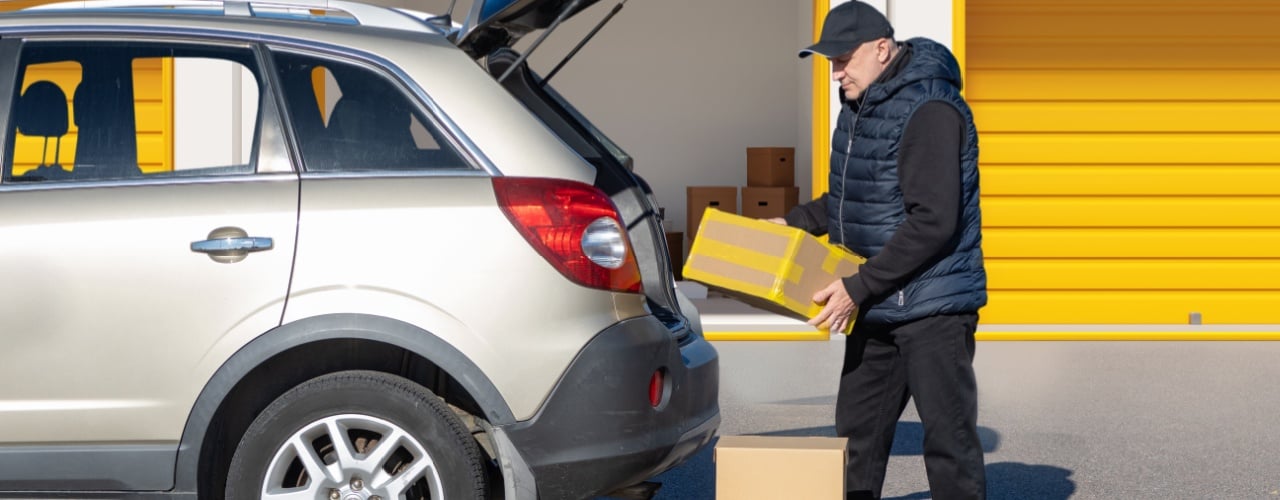
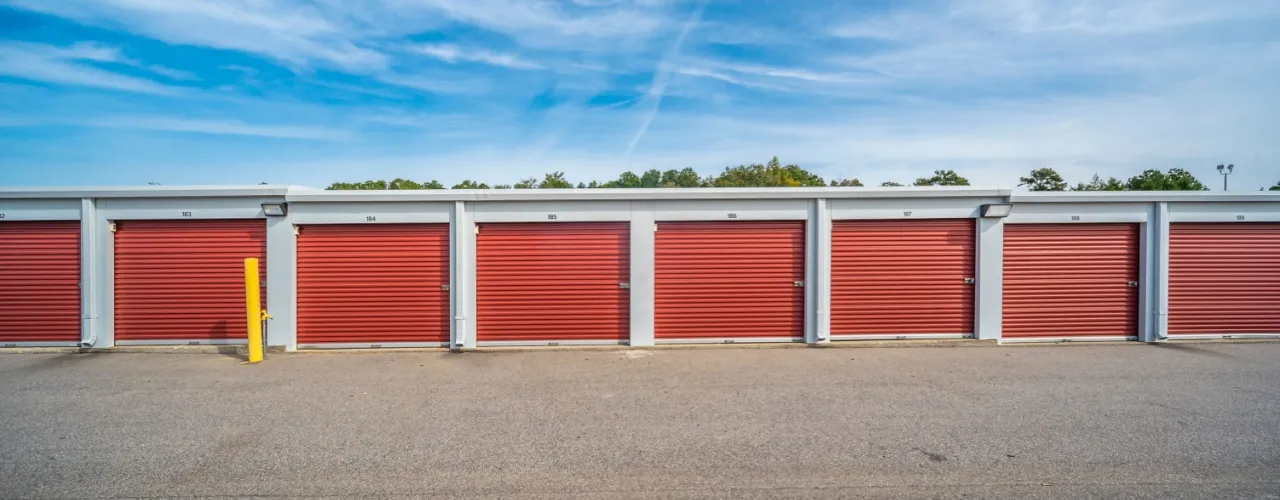
A drive-up storage unit is a ground-level space with an exterior roll-up door, a lot like a detached garage. Units are usually arranged in rows with wide, paved aisles between them, so you can pull a car, van, or moving truck directly up to your door during access hours. The key feature is the access, and it comes in a few forms:

2026’s Best Cities for Roommates: Irvine, CA And Atlanta, GA, Lead In Shared Living Gains
Americans sharing a two-bedroom apartment instead of renting a one-bedroom alone can save, on average, about $6,700 per year. In some of the country’s most expensive cities, including Irvine, California, or Jersey City, New Jersey, the savings gap widens to around $13,000. For a growing share of renters, living with roommates is less of a lifestyle arrangement and more a conscious financial strategy.
How to Organize Your Kitchen Drawers: Smart, Practical Ideas That Make a Real Difference
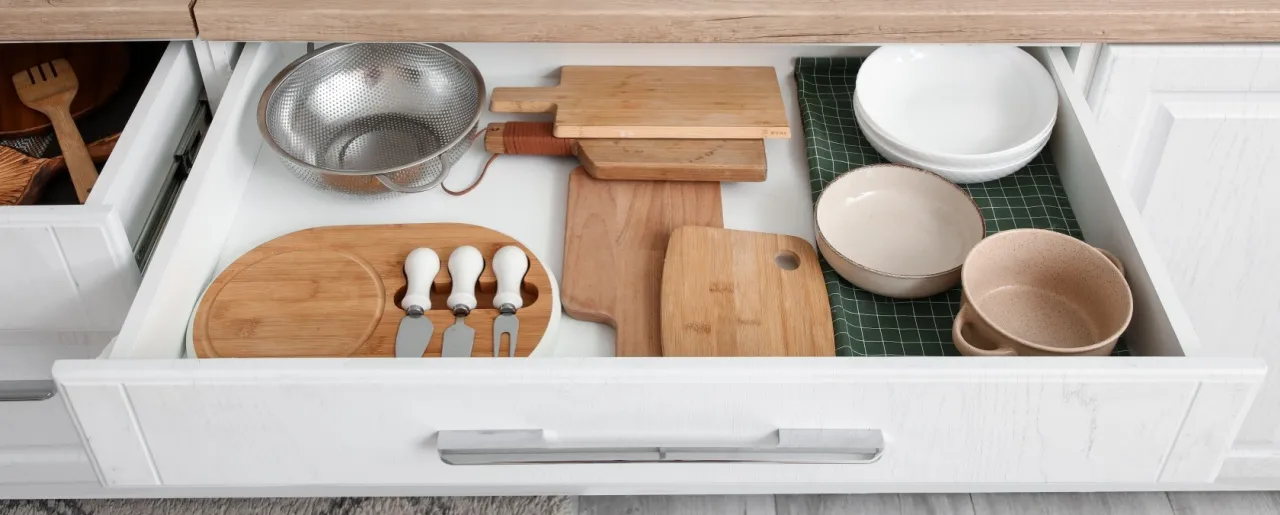
The best way to organize your kitchen drawers boils down to a few core principles: give each drawer a specific role, store items close to where you use them, and choose organizers only after you’ve decluttered. Most kitchen drawers aren’t cluttered because of a genuine lack of space but because no one decided what belongs where. Fix that first, and the rest becomes much easier.

The Ultimate New Home Checklist: 20 Essential Boxes to Tick
Moving into a new home is thrilling and stressful in equal measure. While you’re busy planning the big-ticket items like furniture and appliances, it’s easy to forget a handful of smaller essentials that you’ll suddenly need right before or just after the move. That’s exactly why a good new home checklist is worth keeping close. To make your move as smooth as possible, we’ve pulled together the ultimate list of basic items and setup tasks that cover everything your new place needs. First-time buyer or seasoned mover, this guide will help you settle in safely and comfortably, without those maddening last-minute runs to the store.

How to Store Trading Cards (Without Losing Your Grails)
The right way to store trading cards is a layered system, like gearing up for a boss, but the boss is time and physics. For this quest, you’ll need penny sleeves to protect surfaces, rigid holders to protect structure, archival boxes or binders to provide organization and access, and climate control — around 65–72°F and 40–50% humidity — to protect everything else. That combination keeps cards mint whether you have fifty or five thousand of them.
How to Store and Winterize Your First RV: A Complete Beginner’s Guide
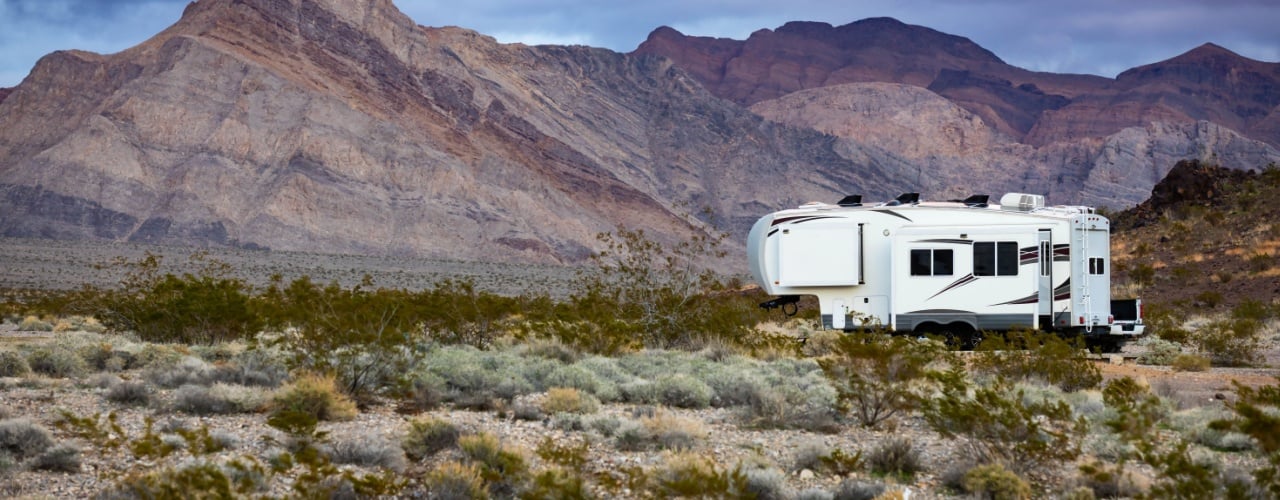
Storing and winterizing an RV properly is the difference between an RV that holds its value and stays reliable for years and one that greets you in spring with cracked pipes and a dead battery. This guide covers where to store your RV between trips, how to winterize it before the first hard freeze, and what to check before your first trip of the season along with the basics of choosing and buying your first unit.
Do You Need Climate-Controlled Storage? A Practical Guide to Making the Right Call
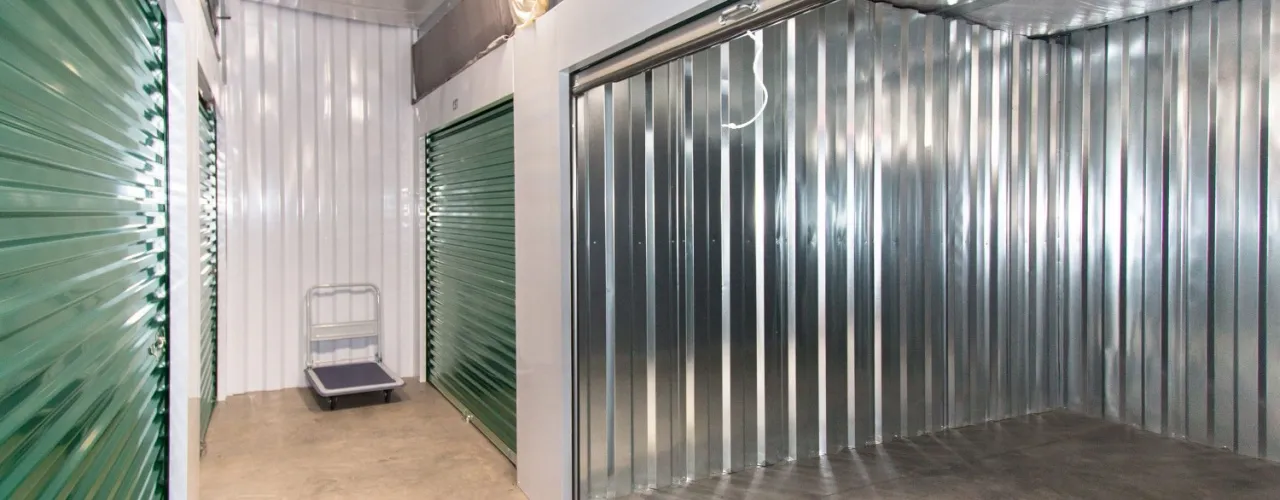
Most people need climate-controlled storage for one of the following reasons: they’re storing valuable items that can be damaged by unchecked temperature or humidity, they live in a climate with extreme weather conditions or they plan to store their belongings for an extended period.

StorageCafe Now Has a Dedicated Storage Unit Price Guide
If you’ve ever tried to figure out whether a storage quote was fair, you know the problem. You see a monthly rate, but you have no way to tell whether it’s a deal, a premium-level price, or right in line with the market — and pricing tools that give you real context are surprisingly hard to find.
StorageCafe’s Industry Trends Page: A Sharper Look at the Market
When it comes to self storage, the hard part is finding data that’s both current and retrospective, both granular and sweeping, but also — and most importantly — trustworthy enough to act on. After all, national averages age quickly, and the numbers that move decisions live at the metro and submarket level. Regularly refreshed and highly authoritative, StorageCafe’s Self Storage Industry Trends page exists to close that very gap for professionals in the self storage sector, as well as real estate reporters and journalists. It brings live, nationwide market data into one place and breaks it down city by city, drawing on the same intelligence the professional side of the business relies on. Here’s what it covers and why it’s worth keeping open in a tab.